
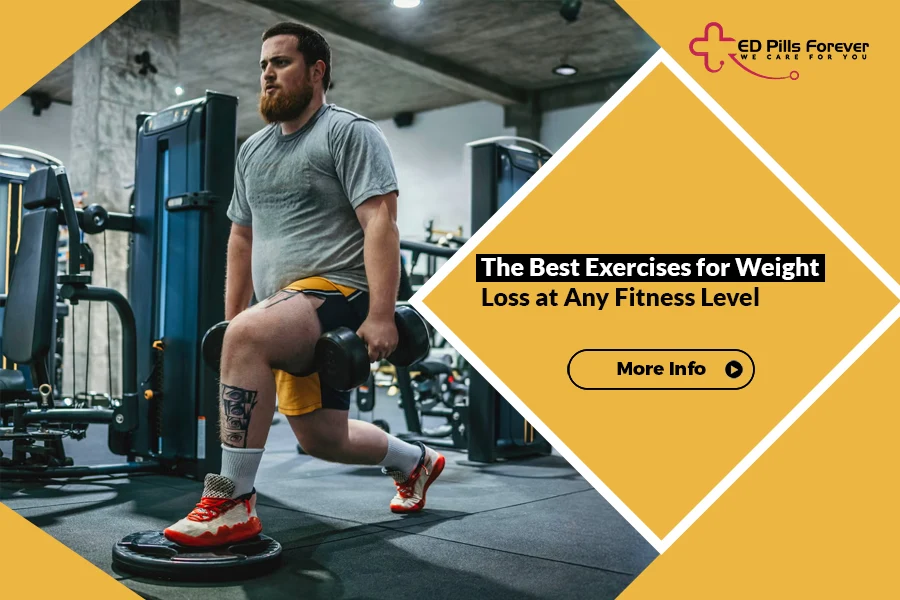
Each year in January, gym memberships typically see a drastic spike. Whenever you seem to go, the treadmills are occupied, workout videos are trending, and the health app seems to be everyone’s favorite app. The New Year has everyone revved up and ready to achieve their summer and beach bodies. Although, come March or April, a lot of this crowd starts to dwindle. Fewer people show up and only a few are left trying to commit to their resolution. You may think that this mostly comes from a lack of motivation and self-discipline, but it’s more than that.
The dwindling crowd is not always because of a lack of motivation, sometimes it might be because of a lack of explicit results. So many people end up following the wrong workout regimens and schedules, which are completely different from their goals and present fitness levels. Two people following the same exercises for weight loss and diet will almost never have the same exact effect on their bodies. We all differ greatly from each other in the kind of exercises for weight loss we need and the diet to follow.
In this guide, we’ll walk you through a few exercises you can try following on your weight loss journey and mention a couple medications that might help you along the way.

How Exercise Helps with Weight Loss
Okay so here’s the basic mechanism, and it’s not rocket science. Exercise burns calories, and when you’re burning more than you’re eating, weight tends to come down. Simple in theory. Messier in practice, because everyone’s body responds a little differently.
Not all weight loss exercises are created equal. Although some burn more in the moment while others build the kind of muscle that keeps burning calories long after the workout ends. What most people underestimate is how much muscle matters here. Building even a little bit of lean muscle raises resting metabolism, so the body burns more just sitting around doing nothing.
This benefit of strength training is not always stressed upon as compared to cardio. Women are especially scared of muscle training, assuming that they will gain too many muscles, but it is relatively a harder feat to get ripped, so they have nothing to worry about.
There’s also the appetite side of things. Some people find that after a workout they’re less hungry while others get ravenous. That’s an individual-dependent thing. It’s important to note which camp someone falls into before building a routine around exercises for weight loss.
Best Cardio Exercises for Weight Loss
Running gets all the attention, but it’s not the only cardio for weight loss that works, and honestly, it’s not even the best one for a lot of people, especially beginners or anyone with joint issues.
Cycling is pretty underrated, and so is swimming, although a pool access isn’t always realistic. Rowing machines burn a surprising amount of calories in a short window if someone’s willing to learn the form, which can take a bit of patience.
Jump rope deserves a mention too. Ten minutes of that can wreck someone in the best way. It’s cheap, it’s portable, and it counts as one of the more efficient exercises for weight loss.
The mistake a lot of people make is thinking cardio has to mean an hour on a treadmill. It doesn’t. Thirty minutes of something moderately intense, done regularly, beats sixty minutes of half-hearted effort three times a month.
HIIT (High-Intensity Interval Training) for Weight Loss
High-intensity interval training, bursts of hard effort followed by short rest, repeated, has become one of the go-to exercises for weight loss because it’s fast and it works. Fifteen to twenty minutes can do more than a long, slow cardio session in some cases.
The catch is that HIIT is genuinely hard. Not “sweat a little” hard, more like “questioning life choices around minute six” hard. It’s not the right starting point for someone who hasn’t exercised in years.
There’s also a well-known afterburn effect where the body keeps burning calories for a while post-workout. That is a legit claim, but people tend to overstate how big that effect actually is. It’s a bonus, not the main event.
Anyone building a HIIT workout for weight loss routine should probably start with two sessions a week, not five. It’s easy to overdo it and end up injured or just completely burnt out by week three.
Low-Impact Exercises for Beginners
Not everyone wants to jump into sprints and burpees, and honestly, they shouldn’t have to. Low-impact stuff, walking, swimming, stationary biking, and gentle strength training work fine, especially at the start when you are a beginner.
Walking for weight loss gets dismissed way too often. It’s not flashy, sure, but a consistent daily walk, especially after meals, adds up over weeks and months in a way people don’t expect until they actually try it.
Yoga and stretching-based movement don’t burn a ton of calories on their own, but they help with recovery and mobility, which keeps people showing up instead of quitting from soreness. That matters more than people give it credit for.
A beginner’s weight loss workout doesn’t need equipment or a gym membership. Bodyweight squats, wall push-ups, marching in place, and small stuff, done consistently, beat an intense program left abandoned after two weeks.
Home Workouts for Weight Loss
Home exercises for weight loss have gotten a lot more legitimate over the last few years. Resistance bands, a couple of dumbbells, or maybe a yoga mat are all basically enough to build a decent routine.
Bodyweight circuits work too. Engage in squats, lunges, push-ups, planks, and mountain climbers; rotate through those for 20-30 minutes, and it’s a full workout, with no equipment needed at all.
There’s also something to be said for just moving more during the day. Taking stairs, pacing during phone calls, and doing a few squats while waiting for coffee to brew. All of these activities don’t necessarily replace a real workout, but it adds up.
Consistency is easier at home for some people because there’s no commute and no gym intimidation factor. For others it’s harder because distractions are everywhere. It all depends on how an individual is motivated.
Exercise Tips for Better Weight Loss Results
When you exercise, its timing enters the equation too. Working out on an empty stomach isn’t necessary, but not eating a heavy meal right before is probably smart. Hydration is also key. Drinking enough water helps in keeping your body temperature stable, helps in preventing muscle cramps, and also maintains enough blood volume for you to be able to endure longer. Not drinking enough water overworks your heart.
Progressive overload is the unsexy secret behind a lot of fat-burning exercises actually working long-term. Doing the exact same workout for six months stops delivering results at some point. The body adapts. Has to be nudged.
Sleep affects this more than people think. Poor sleep messes with hunger hormones, which makes the whole “burn more than you eat” equation harder to manage regardless of how hard someone trains.
Tracking progress with something other than the scale helps too. Monitor your energy levels, how clothes fit, and strength gains. The scale lies more than people realize, considering that humans also have water weight Honestly, the best exercises for weight loss are usually just whichever ones a person will actually repeat next week without dreading it.
Common Exercise Mistakes to Avoid
Doing too much too fast is probably the biggest one. Someone decides Monday they’re all in and does two hours of intense training, and by Wednesday they’re too sore to move and quietly give up by Friday.
Skipping strength work is another common mistake people end up making. Cardio alone is fine, but pairing it with some resistance training tends to produce better long-term results, partly because of that muscle-metabolism connection mentioned earlier.
Under-eating is sneakily common too. People assume less food plus more exercise equals faster results, but going too low on calories usually backfires. Eating less can lead to lower energy, worse workouts, and sometimes binge cycles later.
Choosing exercises for weight loss based on what worked for someone else instead of what actually fits a person’s own schedule and body is another quiet mistake. And comparing progress to someone else’s timeline. Bodies are different. What works fast for one person might take twice as long for another, and that’s not a failure. That’s just biology being inconsistent.
Can Exercise Alone Help You Lose Weight?
This is the honest answer nobody really wants to hear. Exercise alone often isn’t enough, especially for people with a lot of weight to lose or underlying metabolic issues. Diet plays a bigger role than most fitness content admits.
That doesn’t mean exercise doesn’t matter. It absolutely does, for cardiovascular health, mood, muscle preservation, and yes, weight management. But treating it as the entire strategy sets a lot of people up for frustration.
Some people need extra support alongside training and diet changes, and that’s not a failure either. Medical options exist for a reason, particularly when lifestyle changes alone haven’t moved things in months.
Proven Weight Loss Solutions
For people who’ve tried the consistent-exercise-plus-diet route without much movement on the scale, medication is sometimes part of the conversation with a healthcare provider. Liraglutide is one option that’s come up a lot in recent years. It’s a GLP-1-based injectable that works on appetite regulation, helping reduce hunger signals so overall calorie intake naturally drops.
Lirafit Solution Pen is one branded liraglutide option available as a prefilled injection pen, designed for at-home use under medical guidance. Erly Prefilled Pen is another liraglutide-based product built around the same mechanism, supporting appetite control alongside diet and physical activity rather than replacing them.
Neither of these is a shortcut that skips the work. They’re generally positioned as support alongside a reasonable diet and movement plan, not a substitute for it. Anyone considering weight loss medicines online should still talk to a healthcare provider first, since dosing and suitability vary a lot by individual health history.
There’s a lot of noise around proven weight loss supplements too, and it’s worth being skeptical of anything promising dramatic results with zero effort. Real weight loss solutions tend to combine a few things at once, movement, food habits, sleep, and sometimes medical support, rather than one single trick.
Conclusion
Weight loss talk always circles back to the same question, what actually works. There’s no shortage of advice out there, half of it contradicting the other half. But strip away the noise, and the honest answer is this: exercises for weight loss don’t need to be complicated. They just need to be consistent.
At the end of the day, there isn’t one universal answer here. Some people do best with structured gym routines. Others do better walking daily and eating a bit more mindfully. The exercises for weight loss that actually work long term are usually the ones a person can stick with for months, not the ones that look impressive for a week and then get abandoned.
But often the difference isn’t about working harder, it’s about choosing the right type of exercise and pairing it with sustainable habits.
FAQs
