
Somewhere along the way, a lot of men notice that their waistline and their confidence in the bedroom seem to change at around the same time. It’s easy to blame age, stress or a rough few weeks, and sometimes those really are part of the story. Still, doctors have noticed the same pattern for years, and research keeps backing it up: the weight a man carries around his middle can quietly shape how his body responds when he’s aroused. If you’ve been wondering whether obesity could be playing a part in your own erections, you’re asking a sensible question, and the answer is more encouraging than most people expect. Let’s walk through what’s happening inside the body, what to watch for, and what actually helps.
What Is the Connection Between Obesity and Erectile Dysfunction?
An erection is, at its core, a blood flow event. Signals from the brain tell the arteries in the penis to relax and widen, blood rushes in, and the veins close off so it stays there. Anything that slows that process, whether it’s stiff arteries, low hormone levels or weak nerve signals, can make erections less reliable. Extra body fat touches almost every one of those steps, which is why male obesity shows up so consistently alongside ED in large studies, even after age and smoking are taken into account. Weight gain and ED usually build together over years, so many men only connect the two after the second has already settled in. Among all the ED causes doctors talk about, excess weight stands out because it’s one of the few that a man can actually change, and that makes the connection worth understanding instead of worrying about.
5 Ways Obesity Can Affect Erectile Function
It helps to know what extra weight does to erectile function behind the scenes, because the details make the advice feel a lot less like a lecture. These changes usually work together instead of one at a time, so a small improvement in one area can ease the others. Researchers have found that these obesity effects start well before a man reaches a very high weight, and even a moderate amount of extra belly fat can begin to shift things. Here’s how it tends to play out:
- Stiffer, narrower arteries, because fat tissue releases inflammatory chemicals that can irritate the lining of blood vessels
- Less nitric oxide, the molecule that tells penile arteries to relax, so blood flow doesn’t ramp up as easily
- Lower testosterone, since fat tissue contains an enzyme that turns testosterone into estrogen, a kind of hormonal imbalance in men that can lower desire and make erections less firm
- Blood sugar trouble, because insulin resistance is more common with extra weight and can damage small vessels and nerves over time
- Poor sleep, as sleep apnea is more common in heavier men and interrupts the oxygen supply and overnight hormone release that erections rely on
Does Belly Fat Increase the Risk of ED?
Where the weight sits matters almost as much as how much there is. Fat deep in the abdomen, known as visceral fat, behaves more like an active organ than a storage space, releasing inflammatory signals and hormones into the bloodstream all day long. Studies have linked a waist measurement above about 40 inches, or 102 centimeters, with a higher chance of erection trouble, and in some research waist size predicted ED better than the number on the scale. That means a man with a normal looking weight but a thick middle can still be affected, while someone with a larger frame and a smaller waist may be less so. This is why doctors often reach for a tape measure alongside the scale, and why weight-related ED isn’t only a concern for men with obesity. It can quietly show up in people who’d never describe themselves as overweight.
Best Seller

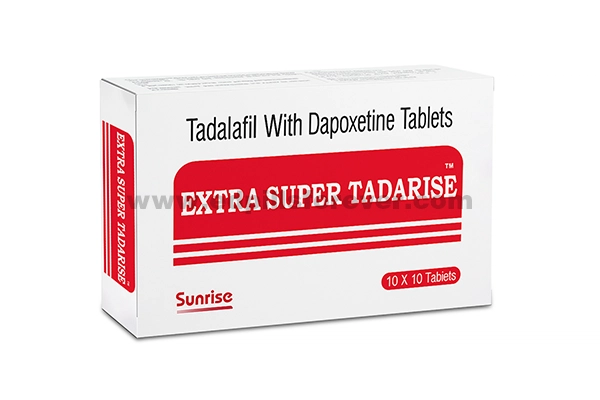
Extra Super Tadarise
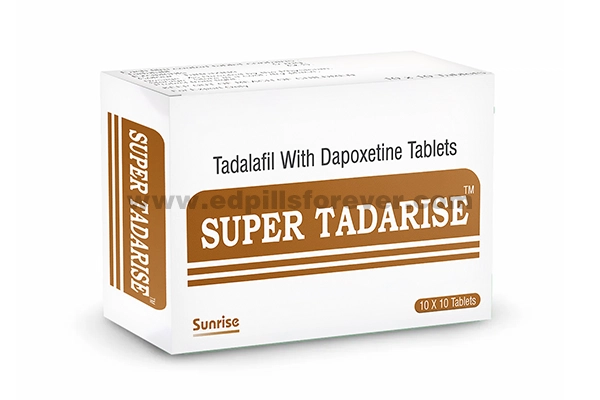
ALL$48.00 – $720.00Price range: $48.00 through $720.00Rated 5.00 out of 5Shop Now This product has multiple variants. The options may be chosen on the product pageSuper Tadarise
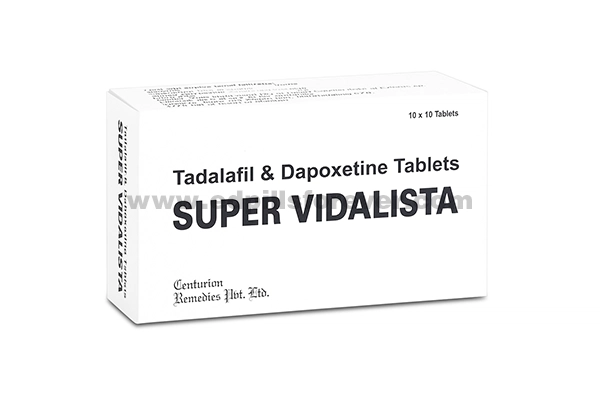
ALL$45.00 – $446.00Price range: $45.00 through $446.00Rated 4.00 out of 5Shop Now This product has multiple variants. The options may be chosen on the product pageSuper Vidalista 80 Mg
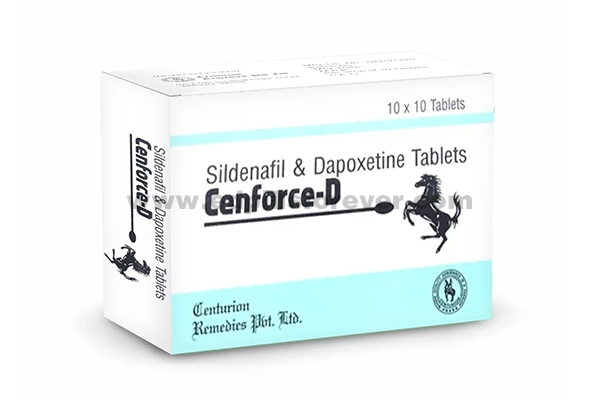
ALL$78.00 – $784.00Price range: $78.00 through $784.00Rated 5.00 out of 5Shop Now This product has multiple variants. The options may be chosen on the product pageCenforce D 100+60 Mg
ALL$41.00 – $412.00Price range: $41.00 through $412.00Rated 5.00 out of 5Shop Now This product has multiple variants. The options may be chosen on the product page- Sale!
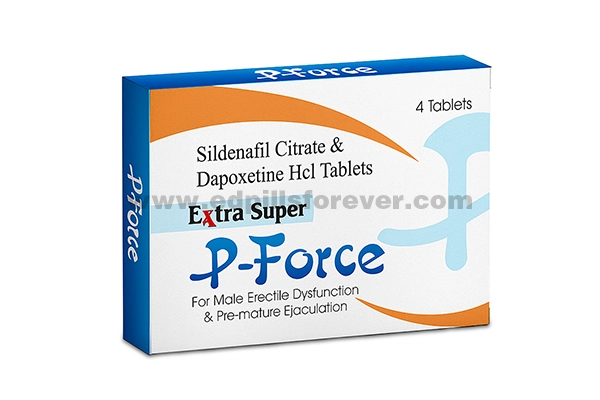
Extra Super P Force
ALL$80.00 – $305.00Price range: $80.00 through $305.00Rated 5.00 out of 5Shop Now This product has multiple variants. The options may be chosen on the product page Super Kamagra (Sildenafil 100 Mg + Dapoxetine 60 Mg )
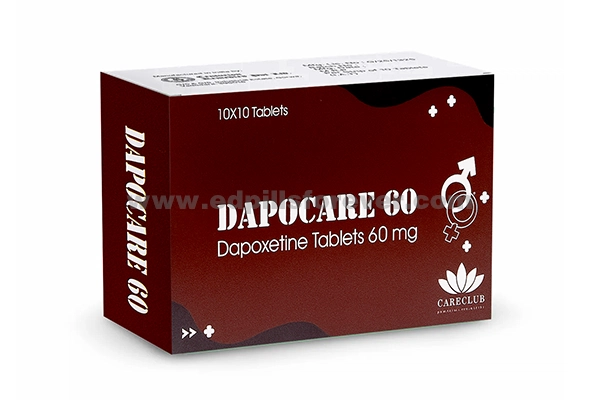
Ajanta Pharma$22.00 – $280.00Price range: $22.00 through $280.00Rated 4.00 out of 5Shop Now This product has multiple variants. The options may be chosen on the product pageDapocare 60mg
Dapocare$122.00 – $295.00Price range: $122.00 through $295.00Rated 5.00 out of 5Shop Now This product has multiple variants. The options may be chosen on the product pageDapocare 90mg
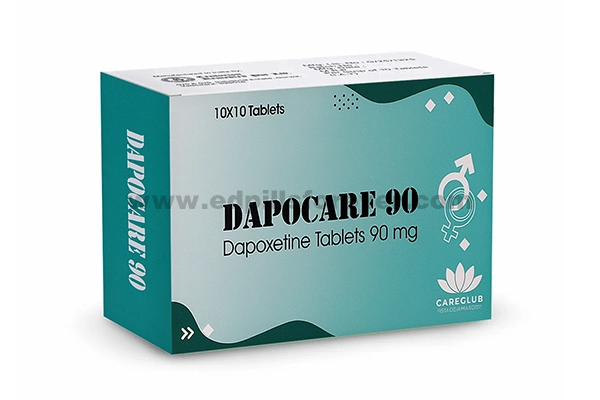
Dapocare$95.00 – $265.00Price range: $95.00 through $265.00Rated 5.00 out of 5Shop Now This product has multiple variants. The options may be chosen on the product pagePoxet 30 Mg
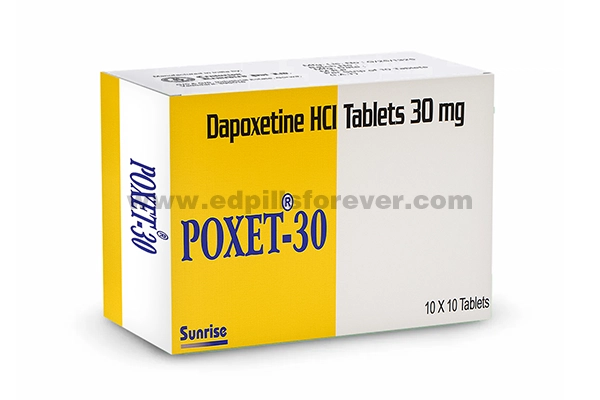
DAPOXETINE$25.00 – $100.00Price range: $25.00 through $100.00Rated 4.00 out of 5Shop Now This product has multiple variants. The options may be chosen on the product pagePoxet 90 mg
DAPOXETINE$31.00 – $122.00Price range: $31.00 through $122.00Rated 5.00 out of 5Shop Now This product has multiple variants. The options may be chosen on the product pageDapoforce 60 mg
Dapoforce$27.00 – $275.00Price range: $27.00 through $275.00Rated 4.00 out of 5Shop Now This product has multiple variants. The options may be chosen on the product pageDapoforce 90mg
Dapoforce$27.00 – $140.00Price range: $27.00 through $140.00Rated 5.00 out of 5Shop Now This product has multiple variants. The options may be chosen on the product pageDapoforce 30mg
Dapoforce$30.00 – $78.00Price range: $30.00 through $78.00Rated 4.00 out of 5Shop Now This product has multiple variants. The options may be chosen on the product pagePoxet 60 mg
DAPOXETINE$28.00 – $110.00Price range: $28.00 through $110.00Rated 4.50 out of 5Shop Now This product has multiple variants. The options may be chosen on the product pagePriligy 30 mg
best sellers$22.00 – $156.00Price range: $22.00 through $156.00Rated 4.00 out of 5Shop Now This product has multiple variants. The options may be chosen on the product pagePriligy 60 mg
DAPOXETINE$32.00 – $197.00Price range: $32.00 through $197.00Rated 4.00 out of 5Shop Now This product has multiple variants. The options may be chosen on the product pageLong-drive Gold
DAPOXETINE$64.00 – $105.00Price range: $64.00 through $105.00Rated 5.00 out of 5Shop Now This product has multiple variants. The options may be chosen on the product pageBigfun 100 XT Gold
Bigfun$64.00 – $105.00Price range: $64.00 through $105.00Rated 0 out of 5Shop Now This product has multiple variants. The options may be chosen on the product page

Warning Signs Men Should Not Ignore
Erection changes rarely arrive all at once, and the early hints are easy to brush off. Paying attention early gives you more options and usually makes things simpler to fix. ED symptoms in men carrying extra weight often look like this:
- Erections that feel softer than they used to
- Taking longer to get hard, or needing more stimulation than before
- Losing the erection partway through
- Fewer morning erections
- Lower interest in sex alongside constant tiredness
- Loud snoring or waking up unrefreshed
Any one of these on a single day is completely normal, but a pattern that lasts a few weeks is worth a conversation. It also matters because the arteries to the penis are small, so erection changes can sometimes appear before other circulation problems do, which is a good reason to have your blood pressure, blood sugar and cholesterol checked.
Can Weight Loss Help Improve Erectile Function?
For many men the answer is yes, and the evidence is a lot better than most people realize. In a well known JAMA trial of men living with obesity and ED, those who followed a program of calorie control and regular exercise for two years were far more likely to regain normal erections than men who only received general advice, roughly one in three compared with about one in twenty. You don’t need dramatic numbers either. Losing even 5 to 10 percent of body weight can improve blood pressure, blood sugar and testosterone in many men, and each of those supports better blood flow. Results vary from person to person, and nothing is guaranteed, but steady progress tends to pay off in more than one area at once. Slow and sustainable usually beats a crash diet, since very aggressive dieting can stress the body and temporarily lower testosterone.
Daily Habits That Support Better Men’s Health
Small habits add up faster than most people expect, and none of them need to feel like a big project. The goal is to pick two or three that fit your week and stick with them long enough to notice a difference.
- A brisk walk for about thirty minutes on most days
- Strength training two or three times a week, which helps testosterone and insulin sensitivity
- Meals built around vegetables, beans, fish, nuts and olive oil
- Seven to eight hours of sleep, with snoring checked if it’s loud or constant
- Moderate alcohol and no smoking
- A few minutes of stress relief each day, since worry tightens blood vessels
Even sitting less helps, because long stretches in a chair slow circulation in the pelvic area, so standing up every hour or so is a small change worth making.
What Treatment Options Are Available for Erectile Dysfunction?
The best plan usually combines a few things. Lifestyle changes come first, then a basic health check to look for blood pressure, blood sugar, cholesterol or hormone issues, and counseling if stress or performance worry is part of the picture. Prescribed PDE5 tablets are also widely used, because they help the arteries relax and let blood flow in more easily when you’re aroused. The Sildigra range of sildenafil tablets includes Sildigra 25 mg, 50 mg, 100 mg, 120 mg, Sildigra XL Plus 150 mg, Sildigra Gold 200 mg, Sildigra 250 mg, Sildigra Soft Chewable 100 mg and Silagra 100 mg. Lower strengths are generally the usual starting point, and a doctor can help you choose, especially if you’re managing weight, blood pressure or diabetes. These tablets must never be combined with nitrate medicines, and they work best alongside the habits above, which is especially true for men dealing with obesity. Many men like the privacy of ordering approved generic options online with discreet delivery and an online consultation, as long as the choice is guided by a medical professional.
When Should You Seek Medical Advice?
It’s worth booking a visit if erection changes last more than a few weeks, if they appeared suddenly, or if they come with chest discomfort, shortness of breath, numbness or pain. Men with obesity, diabetes, high blood pressure or sleep apnea should consider mentioning erections at their regular checkups, because treating those conditions often helps erections too. A doctor will usually ask about your medicines, sleep, mood and habits, and may order a few simple blood tests. There’s nothing awkward about it for them, since they hear this question every day, and a quick conversation can save months of guessing.
Conclusion
Extra weight and erection trouble are closely connected, but the link isn’t a verdict on anyone, and it isn’t permanent. Blood vessels, hormones, blood sugar and sleep all respond to everyday choices, and many men notice better erections as their waist, energy and fitness improve. Whether you start with a daily walk, a conversation with your doctor, or both, taking the first step is the part that matters most, and you don’t have to figure it out alone.
Frequently Asked Questions
1. Can obesity cause erectile dysfunction?
2. How much weight loss helps with ED?
3. Does low testosterone from weight gain cause ED?
4. Can ED linked to extra weight be reversed?
5. Is ED medicine safe for men carrying extra weight?

Dr. Lucifier is a men’s health specialist with over 12 years of experience in sexual wellness and ED treatment. He holds an MBBS, MD in Internal Medicine, and DM in Urology, and focuses on safe, personalized care using proven therapies like Sildenafil and Tadalafil.