
When erections start to become unreliable, most couples don’t talk about it right away. One evening doesn’t go the way either of you expected, it happens again a few weeks later, and slowly the two of you start steering around the subject without really deciding to. That’s a lot more common than people think, and it usually has a physical explanation rather than anything to do with how much you care about each other. This post looks at how ED and married life affect each other, what each partner may be feeling, and what usually helps.
Understanding Erectile Dysfunction in Married Life
Erectile dysfunction means having trouble getting or keeping an erection that’s firm enough for sex, and studies suggest around half of men between 40 and 70 have it to some degree. An erection depends on healthy blood flow and nerves as much as on desire, which is why conditions like high blood pressure, diabetes, and smoking often show up in the bedroom before they cause any other symptom. Because of that, ED and married life are connected to a husband’s overall health as well as to the relationship itself, and a checkup is usually the sensible first step.
How Does Erectile Dysfunction Affect Marriage?
In most marriages the first thing to change isn’t sex itself but the small everyday touches around it. A husband may stop cuddling or kissing as much, simply because he’s worried that closeness will lead to sex he can’t follow through on. His wife can easily read that as rejection, and that’s one of the main effects of ED on marriage, since each person ends up guessing at what the other is thinking. As marital intimacy drops, relationship stress tends to rise, and stress itself can make erections harder, so ED and married life slowly settle into a loop. Studies on ED and marriage suggest that couples who talk about it early are generally more satisfied than couples who don’t.
Best Seller

Extra Super Tadarise
ALL$48.00 – $720.00Price range: $48.00 through $720.00Rated 5.00 out of 5Shop Now This product has multiple variants. The options may be chosen on the product pageSuper Tadarise
ALL$45.00 – $446.00Price range: $45.00 through $446.00Rated 4.00 out of 5Shop Now This product has multiple variants. The options may be chosen on the product pageSuper Vidalista 80 Mg
ALL$78.00 – $784.00Price range: $78.00 through $784.00Rated 5.00 out of 5Shop Now This product has multiple variants. The options may be chosen on the product pageCenforce D 100+60 Mg
ALL$41.00 – $412.00Price range: $41.00 through $412.00Rated 5.00 out of 5Shop Now This product has multiple variants. The options may be chosen on the product page- Sale!
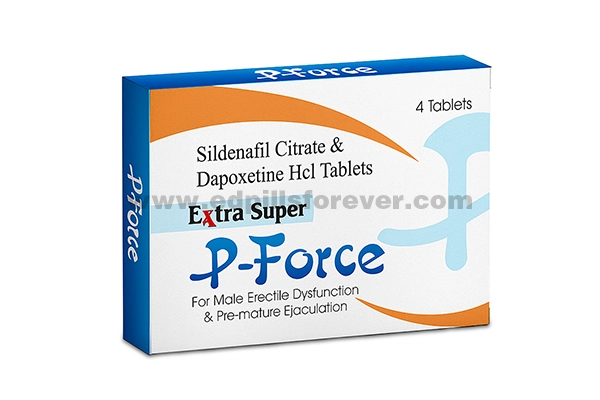
Extra Super P Force
ALL$80.00 – $305.00Price range: $80.00 through $305.00Rated 5.00 out of 5Shop Now This product has multiple variants. The options may be chosen on the product page Super Kamagra (Sildenafil 100 Mg + Dapoxetine 60 Mg )
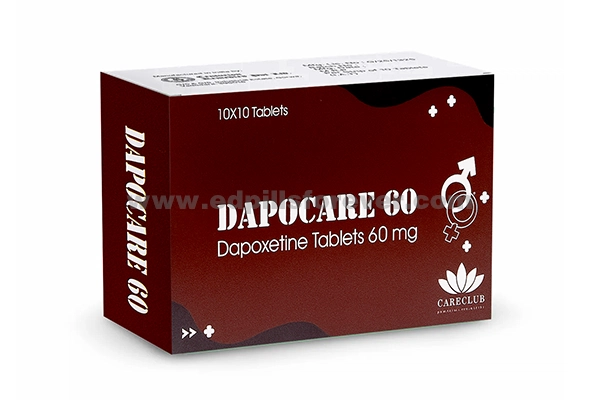
Ajanta Pharma$22.00 – $280.00Price range: $22.00 through $280.00Rated 4.00 out of 5Shop Now This product has multiple variants. The options may be chosen on the product pageDapocare 60mg
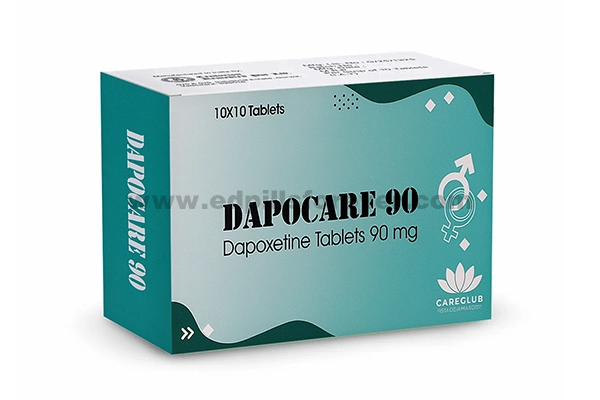
Dapocare$122.00 – $295.00Price range: $122.00 through $295.00Rated 5.00 out of 5Shop Now This product has multiple variants. The options may be chosen on the product pageDapocare 90mg
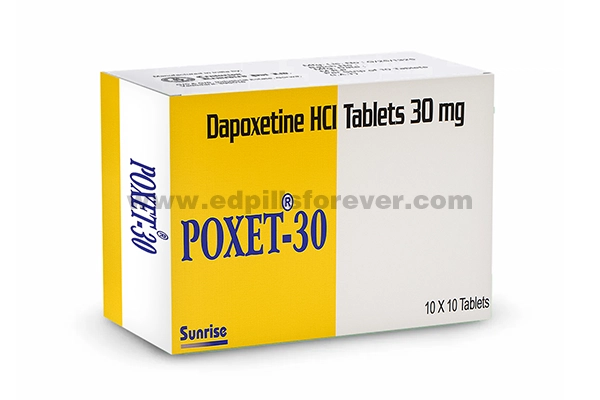
Dapocare$95.00 – $265.00Price range: $95.00 through $265.00Rated 5.00 out of 5Shop Now This product has multiple variants. The options may be chosen on the product pagePoxet 30 Mg
DAPOXETINE$25.00 – $100.00Price range: $25.00 through $100.00Rated 4.00 out of 5Shop Now This product has multiple variants. The options may be chosen on the product pagePoxet 90 mg
DAPOXETINE$31.00 – $122.00Price range: $31.00 through $122.00Rated 5.00 out of 5Shop Now This product has multiple variants. The options may be chosen on the product pageDapoforce 60 mg
Dapoforce$27.00 – $275.00Price range: $27.00 through $275.00Rated 4.00 out of 5Shop Now This product has multiple variants. The options may be chosen on the product pageDapoforce 90mg
Dapoforce$27.00 – $140.00Price range: $27.00 through $140.00Rated 5.00 out of 5Shop Now This product has multiple variants. The options may be chosen on the product pageDapoforce 30mg
Dapoforce$30.00 – $78.00Price range: $30.00 through $78.00Rated 4.00 out of 5Shop Now This product has multiple variants. The options may be chosen on the product pagePoxet 60 mg
DAPOXETINE$28.00 – $110.00Price range: $28.00 through $110.00Rated 4.50 out of 5Shop Now This product has multiple variants. The options may be chosen on the product pagePriligy 30 mg
best sellers$22.00 – $156.00Price range: $22.00 through $156.00Rated 4.00 out of 5Shop Now This product has multiple variants. The options may be chosen on the product pagePriligy 60 mg
DAPOXETINE$32.00 – $197.00Price range: $32.00 through $197.00Rated 4.00 out of 5Shop Now This product has multiple variants. The options may be chosen on the product pageLong-drive Gold
DAPOXETINE$64.00 – $105.00Price range: $64.00 through $105.00Rated 5.00 out of 5Shop Now This product has multiple variants. The options may be chosen on the product pageBigfun 100 XT Gold
Bigfun$64.00 – $105.00Price range: $64.00 through $105.00Rated 0 out of 5Shop Now This product has multiple variants. The options may be chosen on the product page


How Can Erectile Dysfunction Affect a Wife Emotionally?
Wives often feel confused first and a bit hurt after that. Without an explanation, it’s natural to wonder whether he’s lost interest, whether she’s still attractive to him, or whether something else is going on, and many women quietly decide it must be their fault. These reactions are understandable, and they’re a big part of the intimacy challenges couples describe with ED. Hearing him say that it’s a physical issue and not about her often eases a lot of it, and it gives ED and married life conversations a gentler place to start.
Common Causes of ED in Married Men
ED rarely has just one cause, and in married men it’s often a mix of things that build up over the years:
- Heart and blood vessel problems, including high blood pressure and high cholesterol
- Diabetes, which can affect both nerves and small blood vessels
- Low testosterone or thyroid problems
- Stress, anxiety, and low mood
- Certain medicines, such as some blood pressure and antidepressant tablets
- Poor sleep, heavy drinking, smoking, and very little activity
One lesser known fact is that ED can appear two to five years before heart problems, because the arteries in the penis are narrower than the ones that feed the heart and tend to show changes first. So ED and married life are worth looking at as a health topic and not only a bedroom one.
How Can Husband and Wife Handle ED Together?
Managing ED in married life tends to go better when it’s treated as something the two of you are handling together. It helps to pick a calm moment away from the bedroom, when neither of you is tired or on edge, and to say what you’ve noticed in plain words, like “I’ve missed being close to you.” Counselors often say that how ED affects relationships has more to do with the silence around it than with the erection itself. If he’s comfortable with it, his wife can come along to the doctor visit too, since couples who approach treatment together tend to stay with it longer, and that usually helps ED and married life settle down sooner.
Available Treatment Options for Erectile Dysfunction
Most men can see improvement, and the first steps are often simple ones, such as walking more, cutting back on alcohol, stopping smoking, and getting blood pressure and blood sugar checked. When stress or performance worry is part of the picture, counseling or sex therapy can help a good deal. If a doctor decides medicine suits you, sildenafil is among the most commonly prescribed options, and the Sildigra category includes Sildigra 100 mg, Sildigra Professional, and Sildigra Softgel, all of which are sildenafil based. They’re usually taken about 30 to 60 minutes before sex, they only work when you’re aroused, and the effect generally lasts four to six hours, though a heavy, fatty meal can slow it down. They aren’t suitable if you take nitrate medicines, so a doctor needs to review your health and current tablets first, and men dealing with ED and married life worries often do better when their partner knows the plan.
Tips for Maintaining a Healthy Married Life During ED
A few small habits can help keep things warm between you while the medical side gets sorted out:
- Keep up daily touch that isn’t sexual, like hugs, kisses, and holding hands
- Take the pressure off intercourse for a while and enjoy other kinds of closeness
- Go for walks together, since movement helps both mood and blood flow
- Go easy on alcohol, which can make ED and tension worse
- Think about couples counseling if conversations keep getting stuck
Most couples find that ED and relationships do better once sex stops feeling like a test, since men who feel relaxed tend to have better erections than men who feel watched. Small changes of this kind are usually what keep ED and married life feeling comfortable in the meantime.
When Should Couples Seek Medical Advice?
It’s a good idea to book a visit if ED has lasted longer than about three months, if it began suddenly, or if you already have diabetes, heart disease, or high blood pressure. Chest pain, shortness of breath, or low desire alongside the erection changes are also worth mentioning. A doctor can check blood pressure, blood sugar, cholesterol, and testosterone in one short appointment. Many couples find it easier to go together, or at least to tell each other about the appointment, because it keeps ED and married life from turning into something neither of you mentions.
Conclusion
ED can put a strain on a marriage, but in most cases it has a practical, treatable cause. When couples talk openly, get checked, and keep showing affection in other ways, ED and married life usually find a comfortable balance again, and many couples say they feel closer afterwards. It also helps to remember that progress rarely happens all at once, so small steps like a calm conversation, a doctor visit, or a quiet evening together all count. Patience from both partners matters more than getting every detail right, and a husband who feels supported is usually more relaxed, which tends to help in the bedroom too.
1. Can erectile dysfunction ruin a marriage?
2. Does ED mean a husband isn’t attracted to his wife?
3. How can a wife support a husband with ED?
4. Can arguments at home cause ED?
5. Can ED be a sign of heart disease?

Dr. Lucifier is a men’s health specialist with over 12 years of experience in sexual wellness and ED treatment. He holds an MBBS, MD in Internal Medicine, and DM in Urology, and focuses on safe, personalized care using proven therapies like Sildenafil and Tadalafil.