
It’s not a health issue for most people who work at a desk. Even on an average day, you might spend eight or nine hours sitting down. It’s even more when you add in the drive and an evening on the couch. When a man notices erectile problems, he naturally looks at what has changed in his daily life. That list includes sitting a lot. It’s not something doctors always blame, but they do keep an eye on it. A lot of sitting for long periods of time can affect things that affect erections, such as blood flow, body weight, mood, and rest. A lot of the research comes from big studies that just watch people. There is no proof of cause in these spot patterns. The results are most useful as hints. Let’s look at what helps and how sitting might be in play.
What Long Hours in a Chair Do to Your Circulation
An erection is mostly a blood flow story. Nerves send the signal. The arteries in the penis widen. Blood rushes in, and the veins get squeezed so it stays put. Anything that disrupts sitting and blood circulation can matter here. Your leg and hip muscles work like a second pump, pushing blood back toward the heart. When you sit for hours, that pump goes quiet. In one small lab study, three hours of unbroken sitting made the leg arteries widen less well. A few minutes of easy walking every half hour helped protect them. That’s how little movement it can take. A hard seat can also press on the perineum, the area between the scrotum and anus where nerves and vessels pass. Over the years, this can lead to poor circulation and erections that feel softer or slower. It’s one way reduced blood flow to the penis can develop. Many prolonged sitting effects on men build slowly, so people notice them late. That’s why sitting too long and ED often get mentioned together. The effect is usually modest and works alongside other factors. Still, it’s one quiet reason some men start noticing erectile problems in their thirties or forties.
It’s Not Only About the Legs
Sitting reaches further than the legs. Long desk days often bring weight gain around the middle. Belly fat is active tissue that turns some testosterone into estrogen, so levels can drift lower. Lower levels don’t automatically cause ED. They can dull desire, though, and make erections less steady. The effect runs both ways, since low levels make fat gain easier too. Other hormones are involved as well, including the ones that manage stress and blood sugar. Muscles that rarely move are slower at clearing sugar from the blood. Over time, that can strain the lining of small vessels, including the ones that supply the penis. Sleep is another piece of the puzzle. Desk days often mean less daylight and later nights. Short or broken sleep is linked with lower testosterone, and it’s also linked with fewer of the natural erections men have overnight. Mood matters too, because feeling flat after long screen days can quietly lower interest in sex. The sedentary lifestyle’s effects on men go well beyond the legs, which is why erectile problems often show up alongside tiredness or a bigger waistline.
Best Seller

Super Vilitra
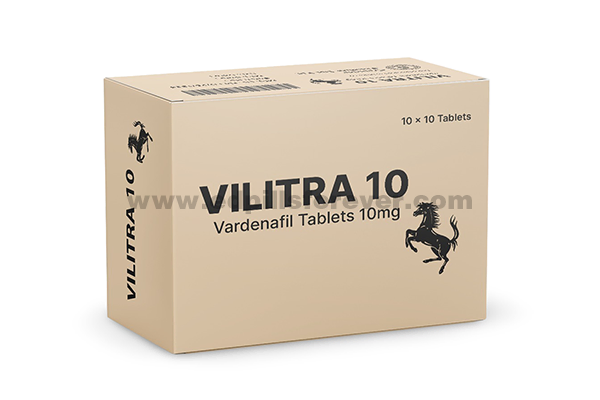
Vardenafil$95 – $390Price range: $95 through $390Rated 5.00 out of 5Shop Now This product has multiple variants. The options may be chosen on the product pageVilitra 10mg Tablets
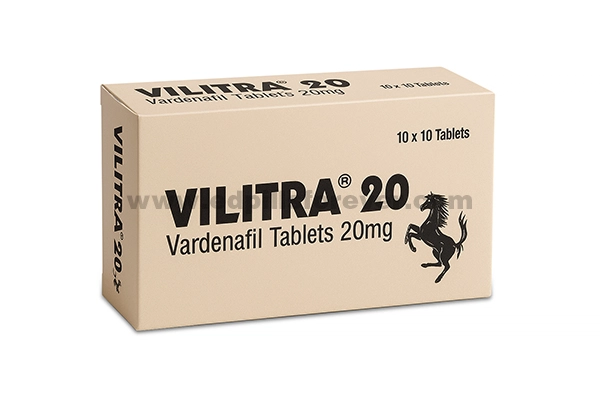
Vardenafil$22 – $179Price range: $22 through $179Rated 5.00 out of 5Shop Now This product has multiple variants. The options may be chosen on the product pageVilitra 20mg
Vardenafil$35 – $289Price range: $35 through $289Rated 5.00 out of 5Shop Now This product has multiple variants. The options may be chosen on the product pageVilitra 40mg
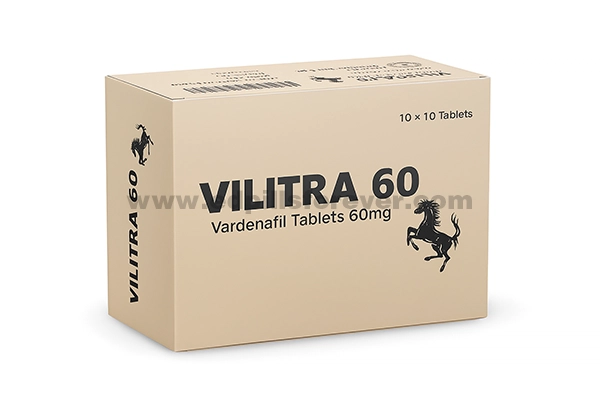
Vardenafil$40 – $349Price range: $40 through $349Rated 5.00 out of 5Shop Now This product has multiple variants. The options may be chosen on the product pageVilitra 60mg
Vardenafil$41 – $355Price range: $41 through $355Rated 4.00 out of 5Shop Now This product has multiple variants. The options may be chosen on the product pageValif 20mg Tablets
Ajanta Pharma$17 – $292Price range: $17 through $292Rated 4.00 out of 5Shop Now This product has multiple variants. The options may be chosen on the product page



Other Things That Often Come With a Desk Job
Sitting rarely acts alone. Doctors look at the wider causes of erectile dysfunction instead of blaming one habit. Smoking, heavy drinking, high blood pressure, high cholesterol, and diabetes all matter. So do stress and some prescription medicines. A desk routine can add to several of these at once. That’s why physical inactivity and erectile health are closely tied. Regular activity helps control blood pressure, blood sugar, and weight together, and it supports healthy hormones over time. The sedentary lifestyle’s effects on men also include stiff hips and a weaker core. Movement then feels less comfortable, so people move even less. It’s an easy loop to fall into. Cycling adds its own pressure on the perineum for some men, and a well-fitted saddle helps. The good news is that most of these factors respond to everyday changes. Men who work on two or three together often feel more energetic first. The link between a sedentary lifestyle and erectile dysfunction is about many small things adding up, so erectile problems usually ease when several of them improve together.
Moving More Without Rearranging Your Day
The goal is to break up long sitting and add some regular training. A few habits are easy to keep:
- Stand or walk for two to five minutes every thirty minutes
- Take calls on your feet and use the stairs
- Aim for about 150 minutes a week of brisk walking, cycling or swimming
- Add strength training twice a week
- Try pelvic floor exercises, which small trials link with better erections
The evidence on exercise and erectile function is encouraging. Reviews of trials suggest moderate aerobic activity can improve erection scores after a few months of several sessions a week. The benefit is clearer in men with weight, blood pressure, or blood sugar concerns. Movement also helps sitting and blood circulation, because working leg muscles pump blood back up. That keeps blood flow healthier through the pelvis. Looking at physical inactivity and erectile health together also lifts mood and confidence. A steadier lifestyle lowers the odds of erectile problems building up quietly. Pick something you enjoy, because doing it often matters more than a perfect plan.
Where Medical Support Fits In
Moving more helps many men, but it doesn’t always solve things alone. That’s where medical support comes in. ED medication works by supporting circulation to the penis when you’re aroused. PDE5 medicines such as vardenafil are widely used for this. The Vilitra category includes Vilitra 40 mg, and the wider Vardenafil range also lists Carevitra and Snovitra. Men often talk these through with a doctor when erectile problems continue despite better habits. The right ED medication depends on your health and your other medicines. Nitrates and some heart conditions call for extra care, so it’s worth having it checked first. These treatments sit alongside movement and don’t replace it. For many men, erectile health in men improves most when both are in place. The men’s health section of the site is a good place to see your options.
When It’s Worth Seeing a Doctor
See a doctor if erections stay weaker for more than a few weeks. The same goes if it happens most of the time, or if it comes with low desire, chest pain, numbness or pain around the perineum. Sitting too long and ED may share a story, but a sudden change deserves a closer look. So do erectile problems in a younger man with no clear trigger. The causes of erectile dysfunction include blood pressure, blood sugar and hormone issues, and these can stay quiet until they’re tested. Reduced blood flow to the penis can sometimes be an early sign that vessels elsewhere need attention. A quick check often helps your xesznii men’s health. Doctors discuss this daily, and a few simple tests and an honest chat usually replace a lot of guesswork.
Final Thoughts
Long sitting doesn’t guarantee ED. It’s still a real contributor worth taking seriously, because it affects circulation, weight, mood and energy together. Sedentary lifestyle and erectile dysfunction can feed each other. Weaker erections can lower confidence and activity, and then the cycle continues. Breaking it early is a sensible start. The prolonged sitting effects on men are usually gradual, which leaves plenty of time to respond. Short walks, regular workouts, a steadier lifestyle, and an open talk with a doctor all help. They protect far more than your erections. If erectile problems have been on your mind, take it as a nudge. Move a bit more, and ask for help sooner rather than later
Frequently Asked Questions
1. Can sitting cause erectile problems?
2. How often should I break up long periods of sitting?
3. Can men who sit all day benefit from exercise?
4. Can bad circulation and erections improve with better habits?
5. Do ED medicines still work if I sit most of the day?

Dr. Lucifier is a men’s health specialist with over 12 years of experience in sexual wellness and ED treatment. He holds an MBBS, MD in Internal Medicine, and DM in Urology, and focuses on safe, personalized care using proven therapies like Sildenafil and Tadalafil.