
Think about how much of a burning rod your phone feels in your hands when you have too many apps open. Most individuals face this issue when they have too many apps open and their phone’s battery is getting drained. One app could be using up all the power and slowing down everything else. Closing one of them doesn’t always fix the issue. Something similar can happen to your lungs. Airway inflammation, tightening, extra mucus, and less airflow can happen together in different ways in people with asthma and COPD. That’s one reason why some inhalers have more than one kind of medicine in them.
With combination inhalers for asthma and COPD, two or more active medicines are mixed together to treat different parts of the lung disease at the same time. The important thing to remember is that not every mix works for everyone. Asthma and COPD are treated in different ways, and the right inhaler for each person relies on their symptoms, lung function, history of flare-ups, and other factors.
The current GINA guidelines still stress treatment with inhaled corticosteroids (ICS) for asthma, but the 2026 GOLD strategy uses treatment with bronchodilators as the mainstay for managing COPD. We will try to provide our readers with a broad overview in this blog.
What Are Combination Inhalers?
So, what are combination inhalers for asthma and COPD? To put it simply, combination inhalers have two types of active ingredients that are supposed to target different things. Instead of using two inhalers for different problems, individuals can just use a combination inhaler for their respiratory issues.
Combination inhalers for asthma and COPD exist to hit more than one problem in the lungs at the same time instead of juggling separate devices for each thing. Inflammation is one problem, and tight airways are a different one. A single canister, or a dry powder device, can take on both.
Medical professionals didn’t always do it this way. Older treatment plans kept a steroid inhaler and a bronchodilator inhaler separate, and people forgot doses constantly, or mixed up the order, or just gave up on one of them. Putting both medicines in one inhaler solved an adherence problem more than it solved a chemistry problem.
Types of Combination Inhalers for Asthma and COPD
This part about combination inhaler medicines gets a little technical. These usually split by which drug classes get paired together, and there’s more overlap between the categories than the pamphlets make it sound.
ICS/LABA is the common one for asthma, and it’s an inhaled corticosteroid plus a long-acting bronchodilator. Symbicort and Advair sit here, and Breo too, though Breo’s dosing schedule is different from the older two.
Then there’s LABA/LAMA, which skips the steroid and pairs two bronchodilators instead, such as Anoro and Stiolto. It’s used more for COPD than asthma, mostly because COPD patients don’t always need the anti-inflammatory part the way asthma patients tend to.
Triple therapy is ICS, LABA, and LAMA all together. Trelegy’s the name most people have actually heard of. It’s typically reserved for more advanced COPD, occasionally asthma too, when nothing simpler has worked.
Dulera’s another ICS/LABA option. The list keeps growing every couple of years, honestly, with new brand names and the same handful of drug classes underneath.
Best Seller

Cenforce 100 Mg
Cenforce$24.00 – $215.00Price range: $24.00 through $215.00Rated 5.00 out of 5Shop Now This product has multiple variants. The options may be chosen on the product page
Vidalista 5 Mg
best sellers$18.00 – $182.00Price range: $18.00 through $182.00Rated 4.00 out of 5Shop Now This product has multiple variants. The options may be chosen on the product pageVidalista 40 Mg
Best Seller$28.00 – $276.00Price range: $28.00 through $276.00Rated 4.00 out of 5Shop Now This product has multiple variants. The options may be chosen on the product page
Cenforce 200 Mg
best sellers$31.00 – $335.00Price range: $31.00 through $335.00Rated 4.50 out of 5Shop Now This product has multiple variants. The options may be chosen on the product pageCenforce Fm
best sellers$33.00 – $218.00Price range: $33.00 through $218.00Rated 4.00 out of 5Shop Now This product has multiple variants. The options may be chosen on the product pageKamagra 100 mg
best sellers$24.00 – $125.00Price range: $24.00 through $125.00Rated 5.00 out of 5Shop Now This product has multiple variants. The options may be chosen on the product pageFildena 100 mg
best sellers$24.00 – $244.00Price range: $24.00 through $244.00Rated 4.00 out of 5Shop Now This product has multiple variants. The options may be chosen on the product pageMalegra Oral Jelly 100 Mg
best sellers$8.00 – $44.00Price range: $8.00 through $44.00Rated 5.00 out of 5Shop Now This product has multiple variants. The options may be chosen on the product pageSuper Kamagra Oral Jelly
best sellers$25.00 – $120.00Price range: $25.00 through $120.00Rated 4.00 out of 5Shop Now This product has multiple variants. The options may be chosen on the product page
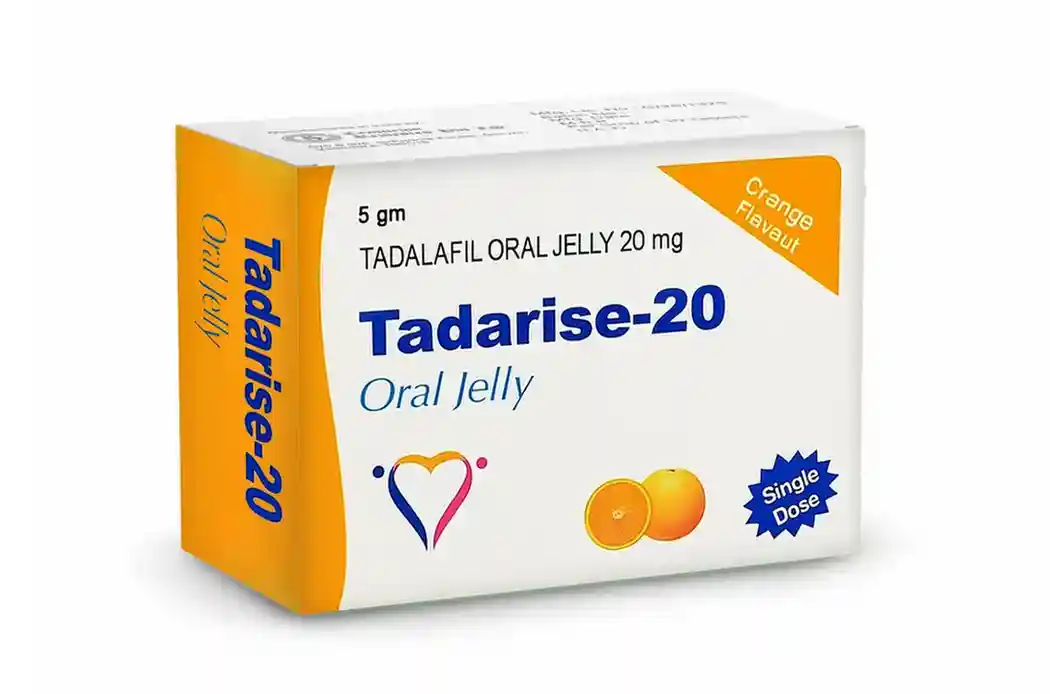
Tadarise Oral Jelly
best sellers$19.00 – $72.00Price range: $19.00 through $72.00Rated 4.00 out of 5Shop Now This product has multiple variants. The options may be chosen on the product page
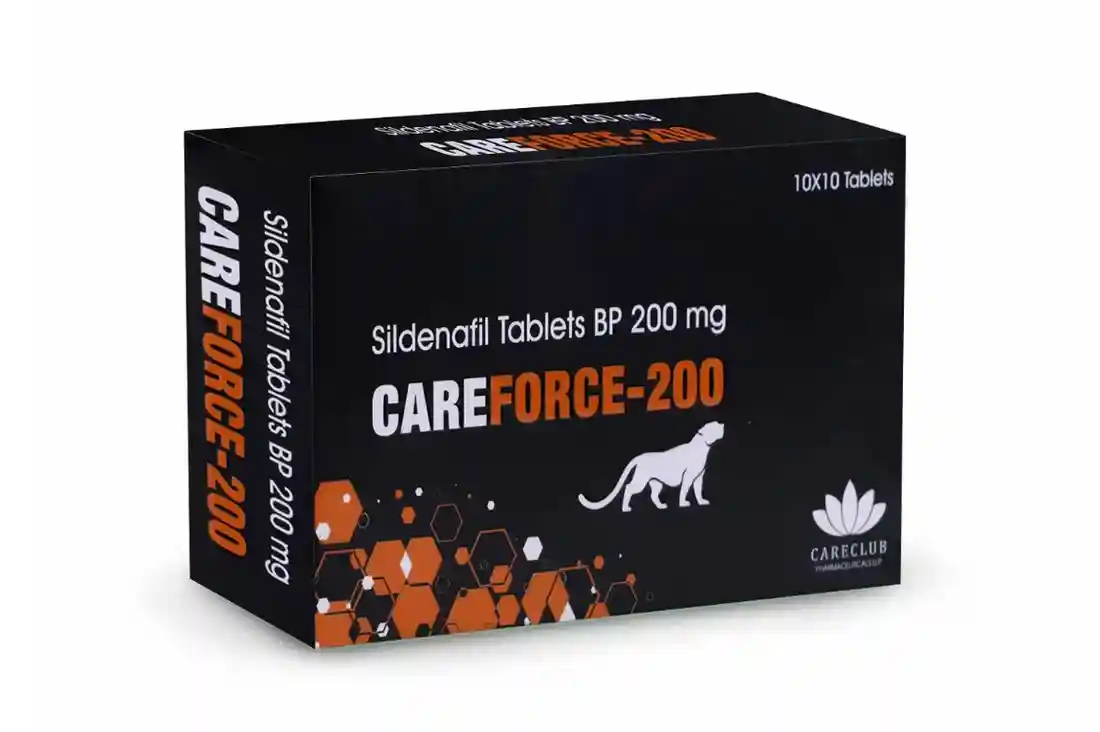
Careforce 200 Mg
best sellers$29.00 – $332.00Price range: $29.00 through $332.00Rated 5.00 out of 5Shop Now This product has multiple variants. The options may be chosen on the product page
Stallegra 100 Mg
best sellers$88.00 – $224.00Price range: $88.00 through $224.00Rated 5.00 out of 5Shop Now This product has multiple variants. The options may be chosen on the product page- Exclusive
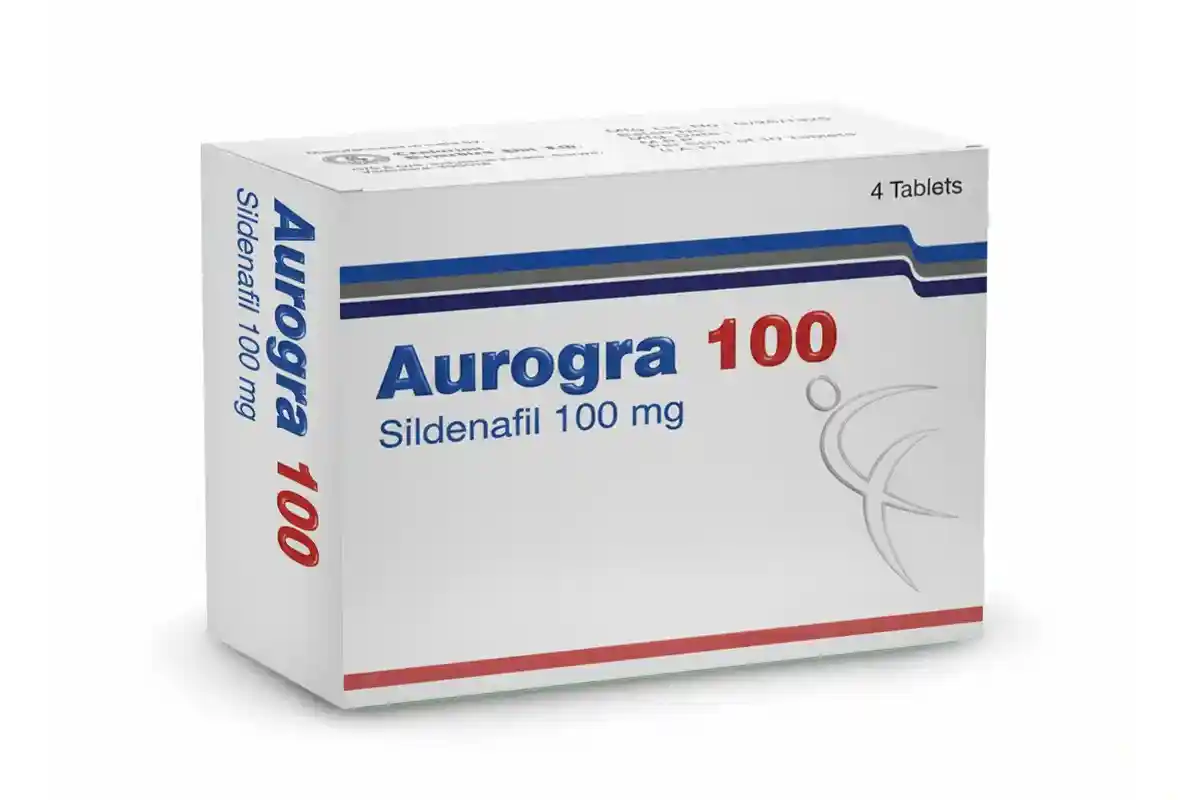
Aurogra 100 Mg
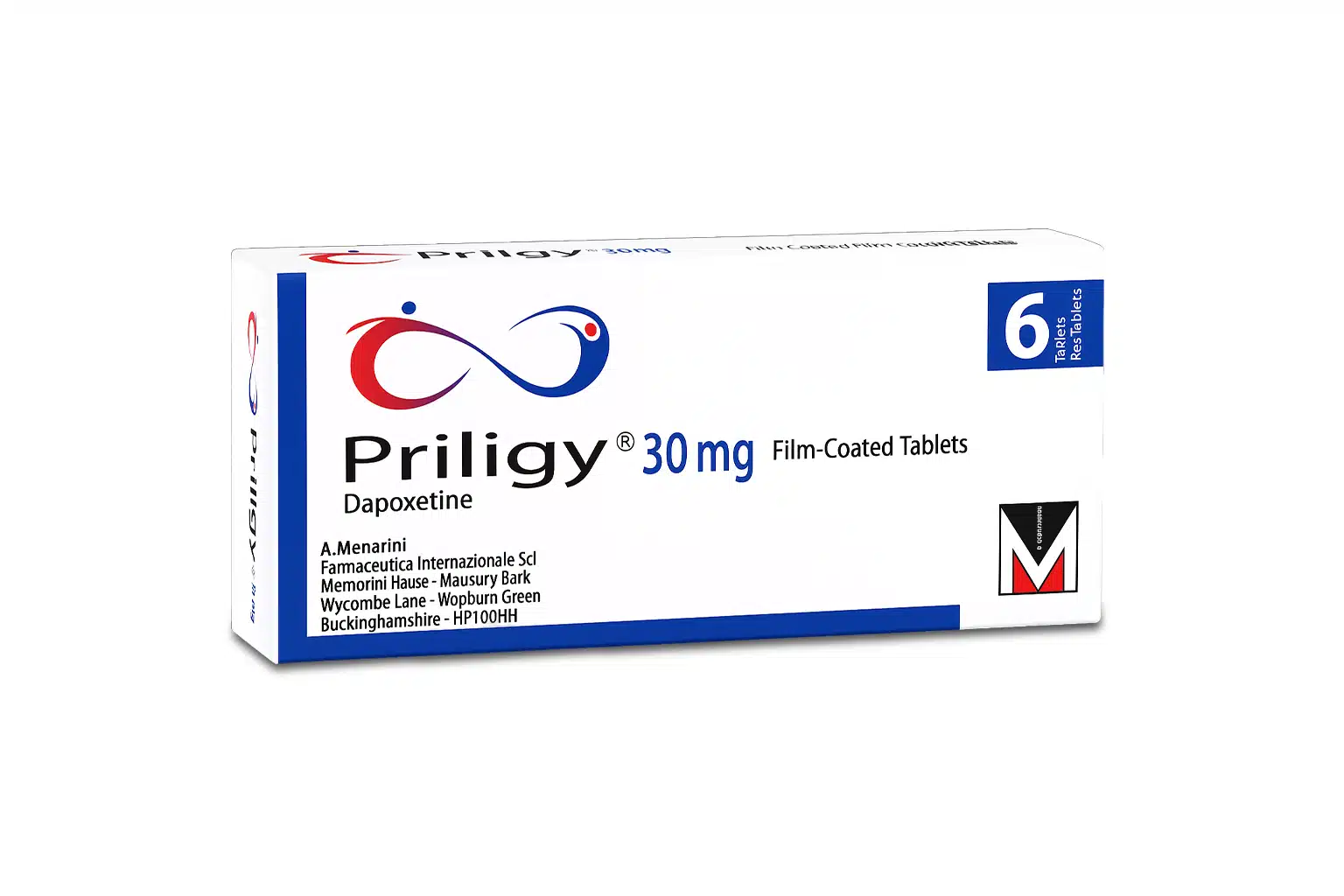
best sellers$29.00 – $76.00Price range: $29.00 through $76.00Rated 4.00 out of 5Shop Now This product has multiple variants. The options may be chosen on the product page Priligy 30 mg
best sellers$22.00 – $156.00Price range: $22.00 through $156.00Rated 4.00 out of 5Shop Now This product has multiple variants. The options may be chosen on the product page





Common Active Ingredients in Combination Inhalers
The long general names of the ingredients in these inhalers can make them look hard to understand. It is easier to understand them when they are broken down by the drugs they use.
Fluticasone, budesonide, and mometasone are the main active ingredients on the steroid side, and salmeterol, formoterol, and vilanterol are on the bronchodilator side. Formoterol is in Symbicort. Salmeterol’s in Advair. Vilanterol pairs with fluticasone furoate in Breo and shows up again in Trelegy next to umeclidinium, which is the LAMA piece.
These ingredients can be found in a range of products on different markets, each with its own strengths and device types. For instance, Foracort has budesonide and formoterol in it, and Combitide might have an ICS-LABA mixture made up of fluticasone and salmeterol. Another one is Formonide Forte, which is made up of budesonide and formoterol.
Getting familiar with the ingredient names ends up helping more than expected when comparing combination inhalers for asthma and COPD against each other, since brand names shift around a lot more than the actual chemistry does.
Benefits of Combination Inhalers
There are fewer devices to carry, which is the obvious one. One inhaler instead of two means fewer missed doses, less confusion over which one’s for what, and less stuff rattling around a bag.
Combination therapy also tends to outperform either drug used alone, for a lot of people anyway. The steroid calms the inflammation, the bronchodilator physically opens things up, and together it usually beats stacking two separate treatments and hoping.
The cost is genuinely a coin flip. Sometimes a combination inhaler costs less than two separate prescriptions would’ve. Sometimes insurance flips that around entirely. It really depends on the plan and on the brand.
What does a combination inhaler do that two separate ones can’t, really? Mostly it’s timing. Both drugs hit the lungs in the same breath instead of minutes or hours apart, and for a lot of people that seems to matter more than any leaflet gives it credit for.
Uses of Combination Inhalers for Asthma
For asthma, these get used as maintenance, daily use meant to keep flare-ups from starting rather than treating one that’s already underway. Some newer plans, MART or AIR therapy, let the same inhaler double as a reliever too, since certain formoterol combinations act quickly enough to pull that off.
Combination inhalers for asthma and COPD usually aren’t the first thing handed out. A plain steroid inhaler comes first for asthma. Only once that stops covering things does a healthcare provider start talking about adding the bronchodilator.
They can also help out with night symptoms, wheezing during exercise, and symptoms that keep circling back no matter how consistent the steroid use is. Those are the moments a combination usually gets added in, and most medical professionals still won’t jump straight to combination inhalers for asthma and COPD without trying something simpler first.
Uses of Combination Inhalers for COPD
COPD works differently. There is no cure, so the goal isn’t reversal but actually slowing the decline and cutting down on flare-ups.
Combination inhalers for asthma and COPD show up here mainly to reduce exacerbations, the flare-ups that land people in hospital beds more often than anyone would like. LAMA/LABA tends to be the starting point for people without frequent flare-ups, while triple therapy gets saved for people who keep having exacerbations even on dual therapy.
Breathlessness during ordinary daily stuff, chronic cough, and chest infections that won’t quit are all situations where combination inhalers get brought in for all of that, though how well it works really does vary person to person, sometimes a lot. It’s not unusual for combination inhalers for asthma and COPD to get swapped or adjusted more than once before something actually fits.
Side Effects of Combination Inhalers
A very common side effect of a combination inhaler is the thrush in the mouth or throat, mostly from steroid residue sitting where it shouldn’t. Rinsing the mouth after each dose helps a lot with this.
There are also effects like shakiness, a faster heartbeat, and sometimes a mild headache, usually the bronchodilator side rather than the steroid. They tend to fade as the body adjusts, but not always right away, though. Hoarseness comes up a lot too, especially with long-term steroid inhaler use. It’s not necessarily a health concern but is definitely inconvenient for individuals.
Do combination inhalers contain steroids in every single case? No, actually. The LABA/LAMA-only versions skip the steroid completely, which matters to anyone specifically trying to avoid long-term steroid exposure. Side effects for combination inhalers for asthma and COPD shift a fair bit depending on which classes are involved, which is honestly why the leaflet matters more than whatever someone heard secondhand.
How to Use a Combination Inhaler Correctly
Technique matters more than most people expect it to. A lot of the “this medicine just isn’t working” complaints trace back to poor inhaler technique rather than the drug failing.
Shake it first if it’s a metered-dose type, breathe out fully before inhaling, and hold the breath a few seconds after the puff. There are all minor adjustments, but they change how much medicine actually reaches the lungs instead of getting stuck in the mouth and throat.
Dry powder types work differently. There’s no shaking, but a sharper, faster inhale is needed to actually pull the powder in. Mixing up technique between device types happens constantly, and it’s one of the more overlooked reasons combination inhalers for asthma and COPD sometimes seem like they’ve stopped working when really it’s just the inhale that’s off.
Can combination inhalers be used every day? For most maintenance regimens, yes, that’s kind of the whole point. Skipping doses on days that feel fine tends to backfire since the idea is preventing flare-ups before they start, not reacting once they’ve already started.
What should I know before using a combination inhaler for the first time if there’s only room for one thing? Probably just that consistency beats perfection, technique matters more than people assume it will, and anything new or worse should go back to a specialist instead of getting guessed at alone. Combination inhalers for asthma and COPD work best as an ongoing conversation with a healthcare provider, not a prescription that gets filled once and forgotten in a drawer.
1.Are combination inhalers safe for long-term use?
Generally, yes, under medical supervision. Regular check-ins catch most problems early on.
2. Can someone switch between different combination inhaler brands?
Sometimes. Only with a healthcare provider’s input, since dosing and technique aren’t identical across brands.
3.Do combination inhalers replace a rescue inhaler?
Mostly no, aside from specific MART or AIR setups built for exactly that.
4. How long before a combination inhaler starts working?
A few days for some relief. A few weeks for the full effect, usually.
5.Is it normal to still have symptoms while using one?
Occasionally, sure. Frequent symptoms, though, that’s worth mentioning to a healthcare provider.

Dr. Lucifier is a men’s health specialist with over 12 years of experience in sexual wellness and ED treatment. He holds an MBBS, MD in Internal Medicine, and DM in Urology, and focuses on safe, personalized care using proven therapies like Sildenafil and Tadalafil.