
Imagine that you’re on a road trip and end up coming across a traffic jam that just won’t move. You’re left with two options then. One is that you use Google Maps and try to reroute, or you just wait out the whole thing. Both ways work, and you will ultimately reach said location. What you end up choosing depends on the urgency and time constraints. This is kind of how it is too for women who are dealing with endometriosis.
Some treatment options work by controlling the hormonal signals, while others may focus on surgically removing the endometriosis lesions themselves. This is why the question of danazol or surgery for endometriosis is so important. It’s not that one option is automatically better than the other. Each of the treatment options has their pros and cons, and the choice often times depends on the symptoms, disease severity, fertility goals, and personal preferences of the person.
Best Seller

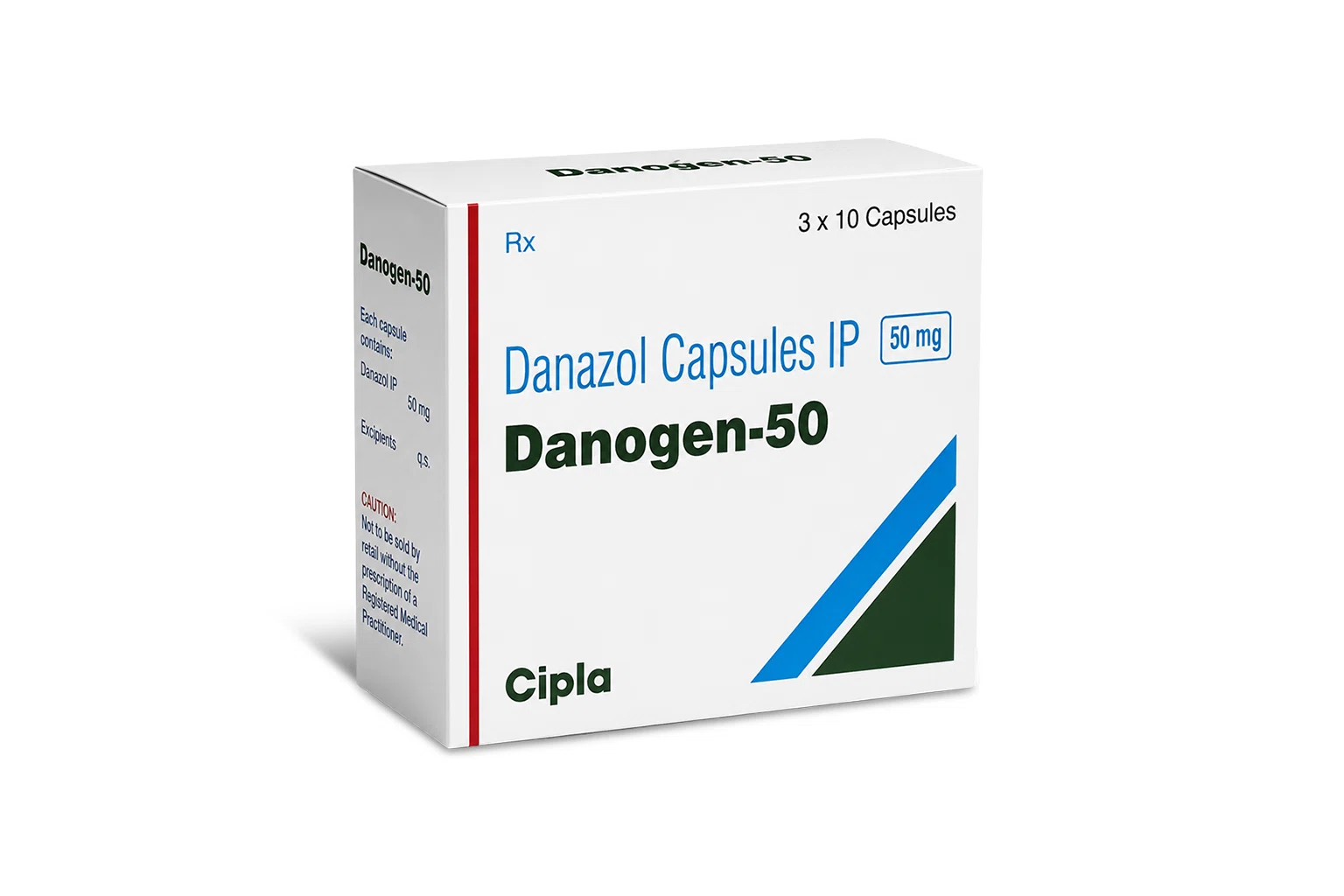
Danogen 50 Mg
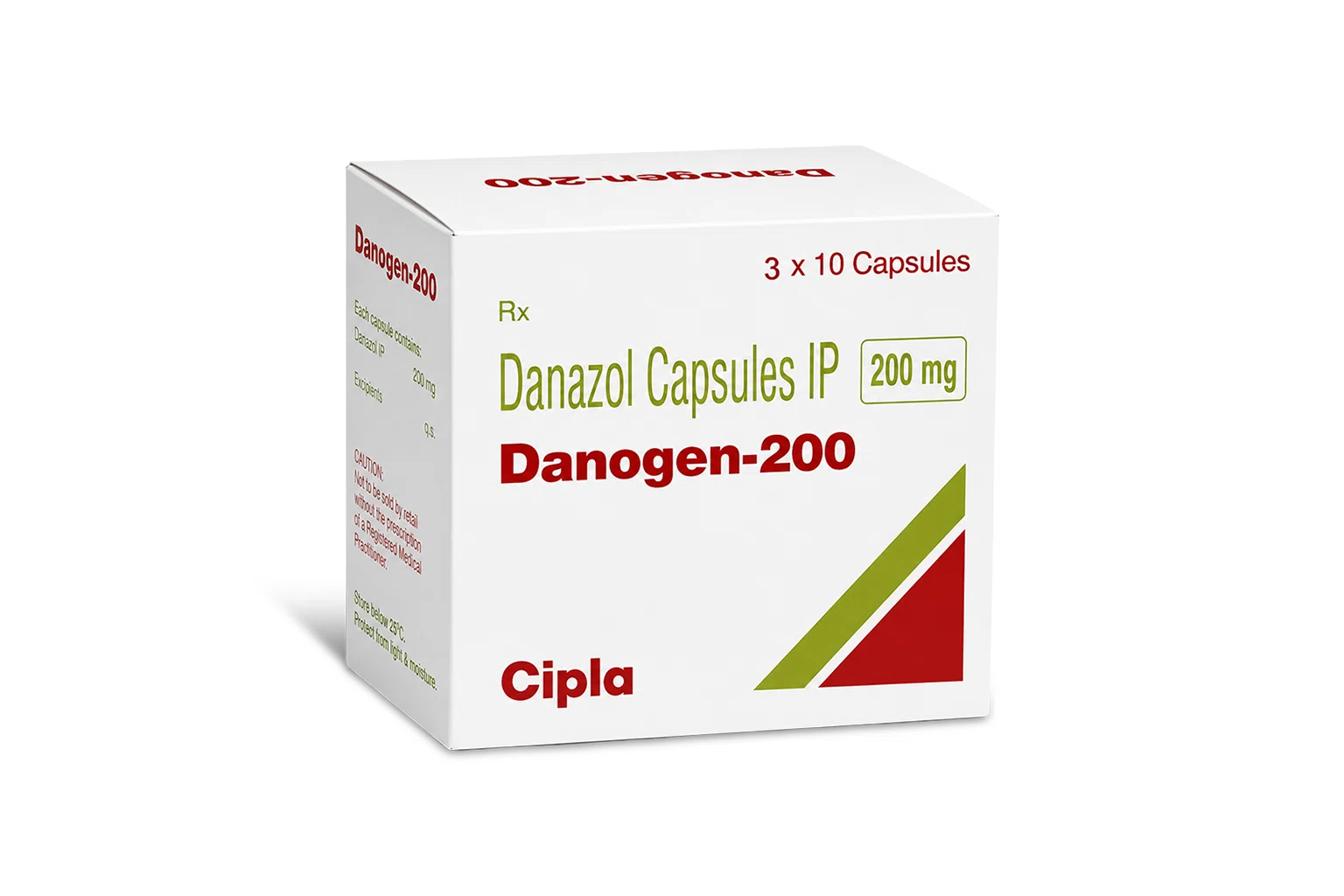
Womens Health$14.10 – $37.75Price range: $14.10 through $37.75Rated 4.00 out of 5Shop Now This product has multiple variants. The options may be chosen on the product pageDanogen 200 Mg
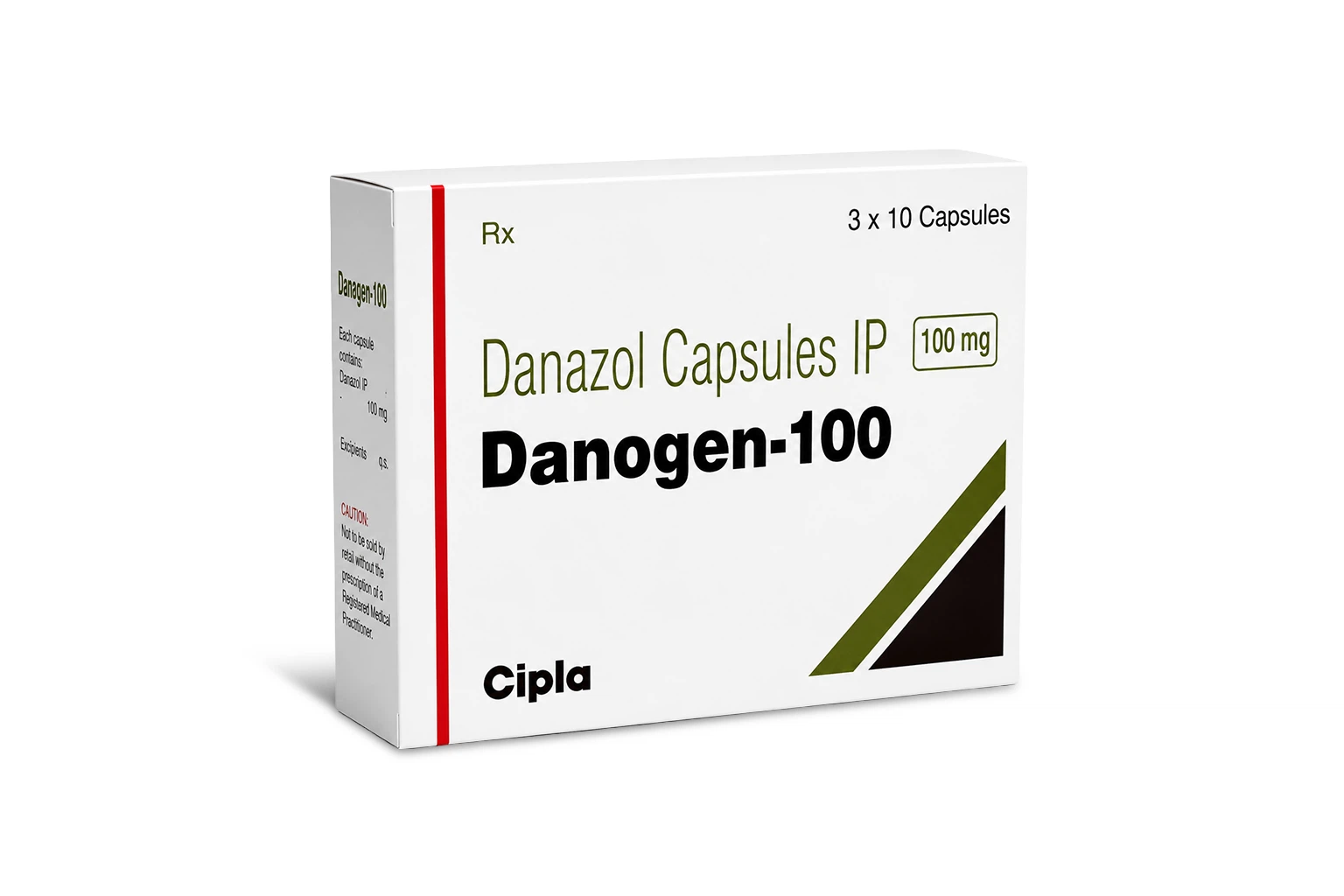
Danazol$35.63 – $103.68Price range: $35.63 through $103.68Rated 4.00 out of 5Shop Now This product has multiple variants. The options may be chosen on the product pageGonablok 200 Capsule
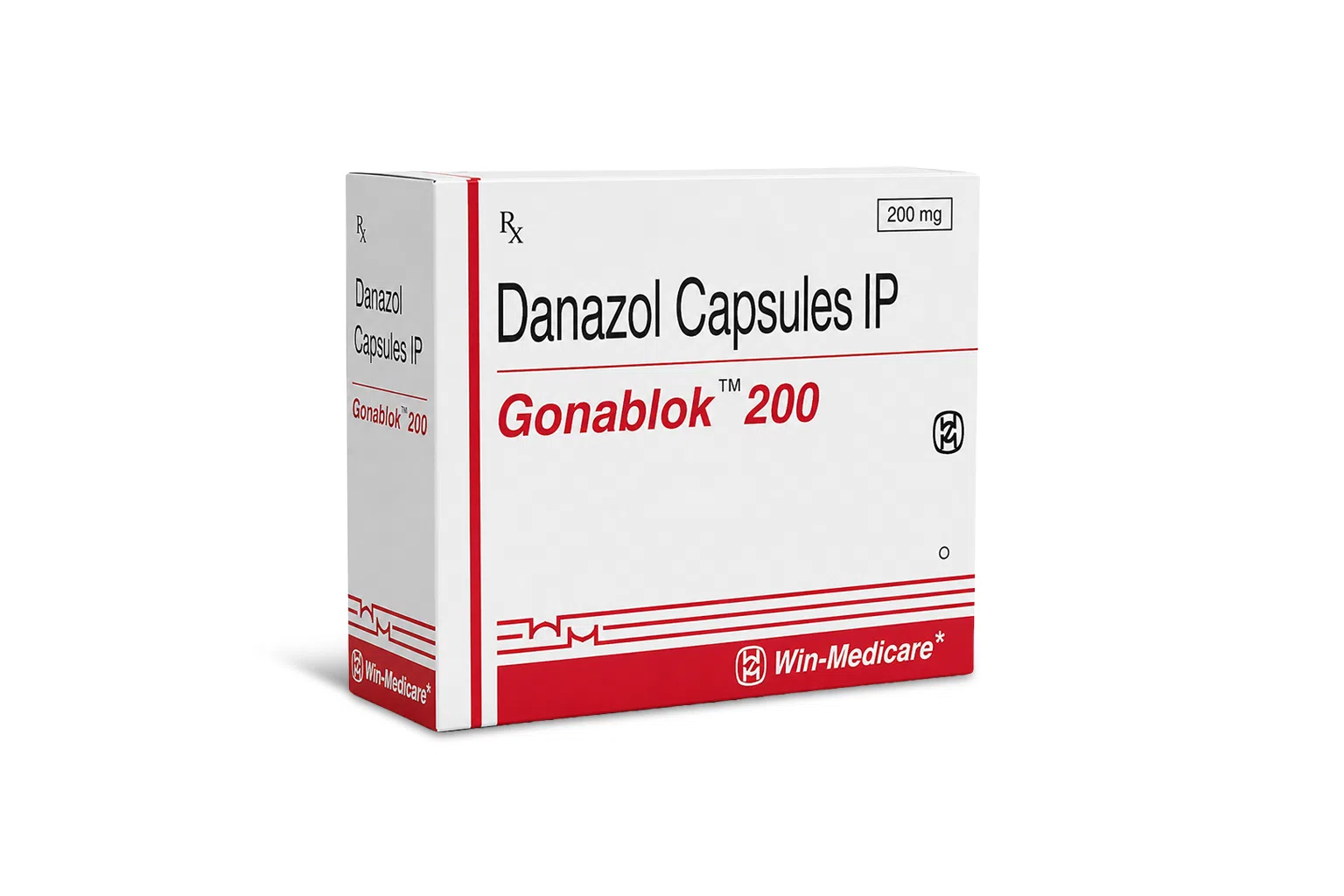
Danazol$45.42 – $115.05Price range: $45.42 through $115.05Rated 5.00 out of 5Shop Now This product has multiple variants. The options may be chosen on the product pageDanogen 100 Mg
Danazol$25.00 – $74.00Price range: $25.00 through $74.00Rated 4.00 out of 5Shop Now This product has multiple variants. The options may be chosen on the product pageZendol 200 Mg Capsule
Danazol$22.00 – $58.00Price range: $22.00 through $58.00Rated 5.00 out of 5Shop Now This product has multiple variants. The options may be chosen on the product page
Endometriosis affects around 190 million women globally and is still an under-researched condition. When a tissue that’s similar to your uterine lining starts growing outside the uterus, it leads to inflammation, constant pelvic pain, painful periods, and more issues. No woman wants to go through that experience, so we look for treatment options.
However, the internet loves to infodump on us. Some forums swear by surgery. Others say hormonal medication changed their lives. Your healthcare provider might have already mentioned danazol or surgery for endometriosis in the same sentence, and you might be overwhelmed. We’ll go over those options with you today.
What is Danazol?
Danazol is a synthetic androgen and has been around since the 70s, which either makes it reassuring or suspicious depending on your perspective. What it does, basically, is drop your estrogen levels down low enough that the endometrial tissue outside the uterus has nothing to feed on. Less estrogen and less growth should lead to less inflammation and less pain.
Is danazol effective for endometriosis? For a lot of women, genuinely yes. Not for everyone, but the studies have shown positive results. Pain reduction is seen in many cases, especially when it’s given time to work.
The catch, and there always is one, is that it’s not curing anything. It’s suppressing. You stop taking it, and the underlying condition is still there. That’s true of basically all hormonal approaches, though, not just danazol.
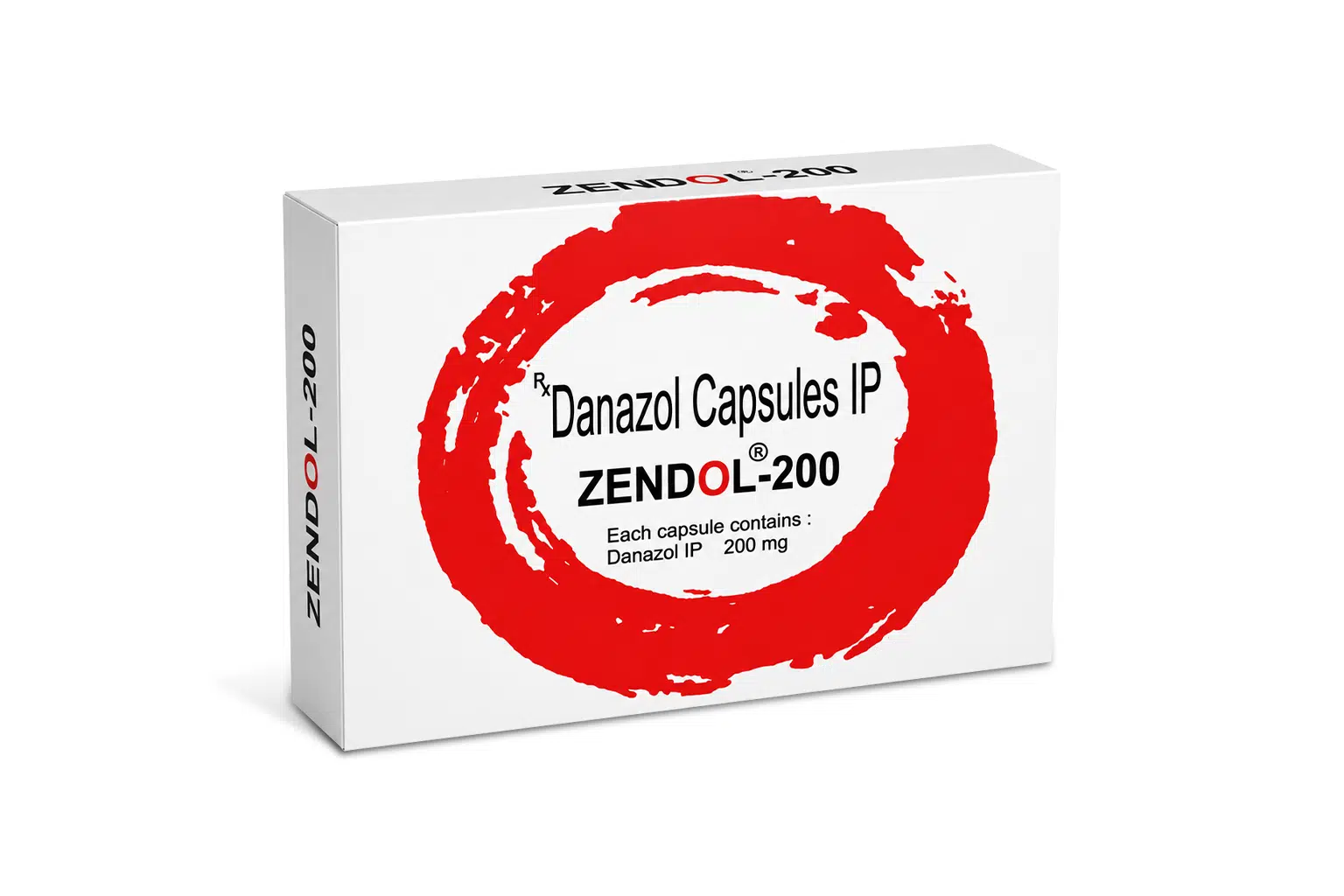
Brands like Zendol 200 mg capsule or Danogen 200 mg are what you’d actually be given if this route comes up. Danogen also comes in lower strengths, Danogen 100 mg and Danogen 50 mg, which some healthcare providers start with before adjusting. Gonablok 200 capsule is another name that shows up depending on where you’re getting it.
The side effects of danazol
Danazol endometriosis side effects can be pretty significant. Women can experience weight gain. They may see acne that shows up out of nowhere and oily skin. Some women experience voice deepening, which sounds minor until it’s happening to you. Their mood may suffer. Some women may also get some facial hair in some cases. It varies a lot person to person, but it’s not a light drug.
Some women take it for six months and barely notice anything. Others feel like a different person by week four and not in a good way. There’s no way to predict which camp you’ll fall into.
That said, I think sometimes the side effects get talked about in a way that makes them sound like a reason to just go straight to surgery. And surgery has its own risks that don’t always get the same airtime. There’s the scar tissue and recovery itself. The fact that with laparoscopic surgery, even a good clean-out, the tissue can come back. Neither option hands you a permanent solution. This is why we need more research in this area.
When should you go for surgery?
There are situations where when to choose surgery for endometriosis becomes less of a philosophical question and more of a practical one.
Large endometriomas, cysts on the ovaries, that are big enough to cause real structural problems often need to come out. If your tubes are affected and you want children, that changes the math entirely. If you’ve tried medication, including things like danazol for endometriosis pain, and you’re still barely functional month to month, then at some point surgery becomes the thing that gives you your life back, at least for a stretch.
Laparoscopy is what most women end up having. In keyhole surgery, they go in and remove or ablate the tissue. A lot of women feel dramatically better. Some feel better for a year and then slowly don’t. A few feel roughly the same. It’s genuinely variable.
What’s interesting, and what doesn’t get explained enough, is that danazol or surgery for endometriosis isn’t always one or the other. Quite often it ends up being both, just sequenced. Surgery to clear things out, then hormonal treatment to try and slow regrowth. Sometimes something like Danogen 200 mg is given after surgery specifically to buy time.
Endometriosis and pain
Endometriosis pain isn’t period pain. It’s not cramps you push through. For some women it’s daily. It can trouble you mid-cycle, during sex, in the back, or in the legs. It disrupts work and relationships and sleep in ways that are hard to explain to people who haven’t experienced it.
When danazol for endometriosis pain works, women often describe it as the volume just turning down. Something like Danogen 50 mg as a starting dose or a Zendol 200 mg capsule at full strength if needed can be taken. It doesn’t hit immediately, but a few weeks in, and some women may notice that they’re just not reaching for the hot water bottle every night.
That matters. Because the question of danazol or surgery for endometriosis isn’t just about which one is more effective in theory. It’s about what you need right now, today, to actually live your life.
Surgery vs medication endometriosis
Surgery vs. medication for endometriosis gets framed as a competition sometimes. Like there’s a correct answer that applies to everyone while there really isn’t.
Someone in their late 30s with severe disease and fertility goals is in a completely different situation than someone in their 20s with moderate symptoms and no immediate plans for pregnancy. Someone who can’t tolerate hormonal medication at all is in a different situation than someone who handles it easily. A person’s financial access matters, and surgical access too. What your mental health can handle right now matters.
Some women try endometriosis hormonal treatment for a year, feel managed, and stay on it indefinitely. Others have surgery and feel brilliant for two years before things creep back. Some do both repeatedly. There’s no clean winner in the surgery vs. medication endometriosis debate because the disease itself doesn’t behave cleanly.
Living with endometriosis without surgery
Endometriosis without surgery is genuinely a path for some women. Not all, but some. Particularly if the disease is on the milder end and symptoms are manageable with the right medication.
Danazol or surgery for endometriosis gets presented like the only fork in the road. But there are women who’ve been on hormonal suppression for years, never had surgery, and probably never will, and they’re doing okay. Not perfectly, but okay.
The key is that “without surgery” doesn’t mean without treatment. You still need something. This is where conversations about the best treatment for endometriosis for women get complicated, because the best treatment is whatever is actually working for that specific person. Which requires trying things and adjusting. And sometimes it may look like starting with Danogen 100 mg and realizing you need to go up to Gonablok 200 mg capsule. And being honest with your healthcare provider when something isn’t working.
Endometriosis treatment options
People get stuck on the binary. Danazol or surgery for endometriosis, yes or no.
But endometriosis treatment options are actually a whole spectrum. There’s the pill. Progestin-only approaches. GnRH analogues that shut down ovarian function temporarily. Danazol. Laparoscopy. Hysterectomy is in the most extreme cases, though that’s rarely where anyone starts or wants to end up. Pain management layered on top of whatever primary approach you’re taking.
Danazol sits at a particular point in that spectrum. It’s not a first resort for most doctors anymore, the side effect profile means other things get tried first. But when those don’t work? It comes up. And for women where it does work, danazol or surgery for endometriosis becomes a much less urgent debate because the medication is actually handling things
Final Thoughts
Getting a diagnosis after years of dismissal is its own kind of shock. Then being handed this decision, danazol or surgery for endometriosis, to figure it out while still processing what the diagnosis even means.
It’s okay to not know immediately. It’s okay to say you need a few weeks before committing to anything. It’s okay to ask your specialist to walk you through what happens if you try the medication route for three months first, with no commitment. You’re allowed to ask that.
A lot of women feel pressure to act fast, like the decision window is closing. It usually isn’t. Unless there’s something urgent and structural happening with those big cysts or your fertility. Most gynecologists will work with you on timing. The worst version of this is making a decision that’s wrong for you because you felt rushed. Take the time you need.
FAQ's
1. Is danazol effective for endometriosis?
For many women, yes, it reduces tissue growth and pain noticeably, though it’s a suppression, not a cure.
2. What are the worst danazol endometriosis side effects to watch for?
Weight gain, acne, mood changes, and, in some cases, voice deepening. It typically varies a lot but is worth discussing upfront with your healthcare provider.
3. When to choose surgery for endometriosis over medication?
When cysts are large, fertility is compromised, or medication genuinely hasn’t touched the pain after a real trial.
4. Can endometriosis without surgery be managed long-term?
Yes, for women with mild to moderate disease, hormonal treatment alone can hold things reasonably well for years.
5. What's the difference between Danogen 50 mg and Danogen 200 mg?
Just the dose is the difference. Starting lower is common to test tolerance, with the option to move up depending on how the body responds.

Dr. Delisha Cole is a sexual health and wellness writer with over 10 years of experience researching erectile dysfunction, performance anxiety, premature ejaculation, and modern ED treatments. She focuses on breaking down complex medical topics into practical, easy-to-understand advice that helps readers make informed decisions about their intimate health, confidence, and relationships. Her content covers ED medications, lifestyle factors, treatment safety, and real-world wellness guidance in a simple, reader-friendly way.