
Over the years, our knowledge of acne and breakouts has just increased, and Gen Z has started to move towards accepting the blemishes and proudly wearing their pimple patches to work. Along with that, most people follow the right steps as well. Most of us wash our faces regularly, stick to our skincare routines, and try our best to not touch our skin during the day. Yet somehow, you end up looking at a pimple in your reflection just before an important meeting.
Best Seller

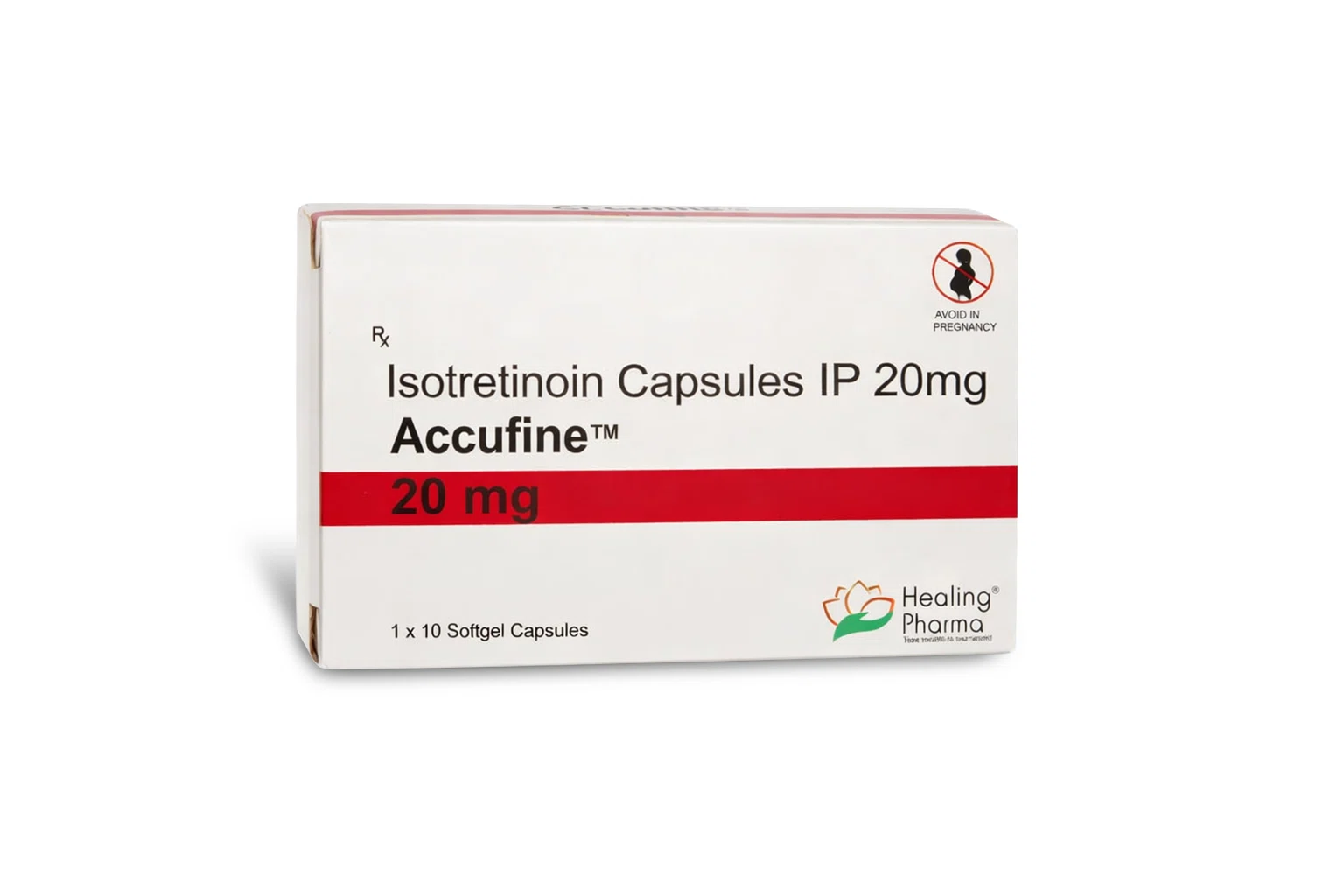
Accufine 20 mg
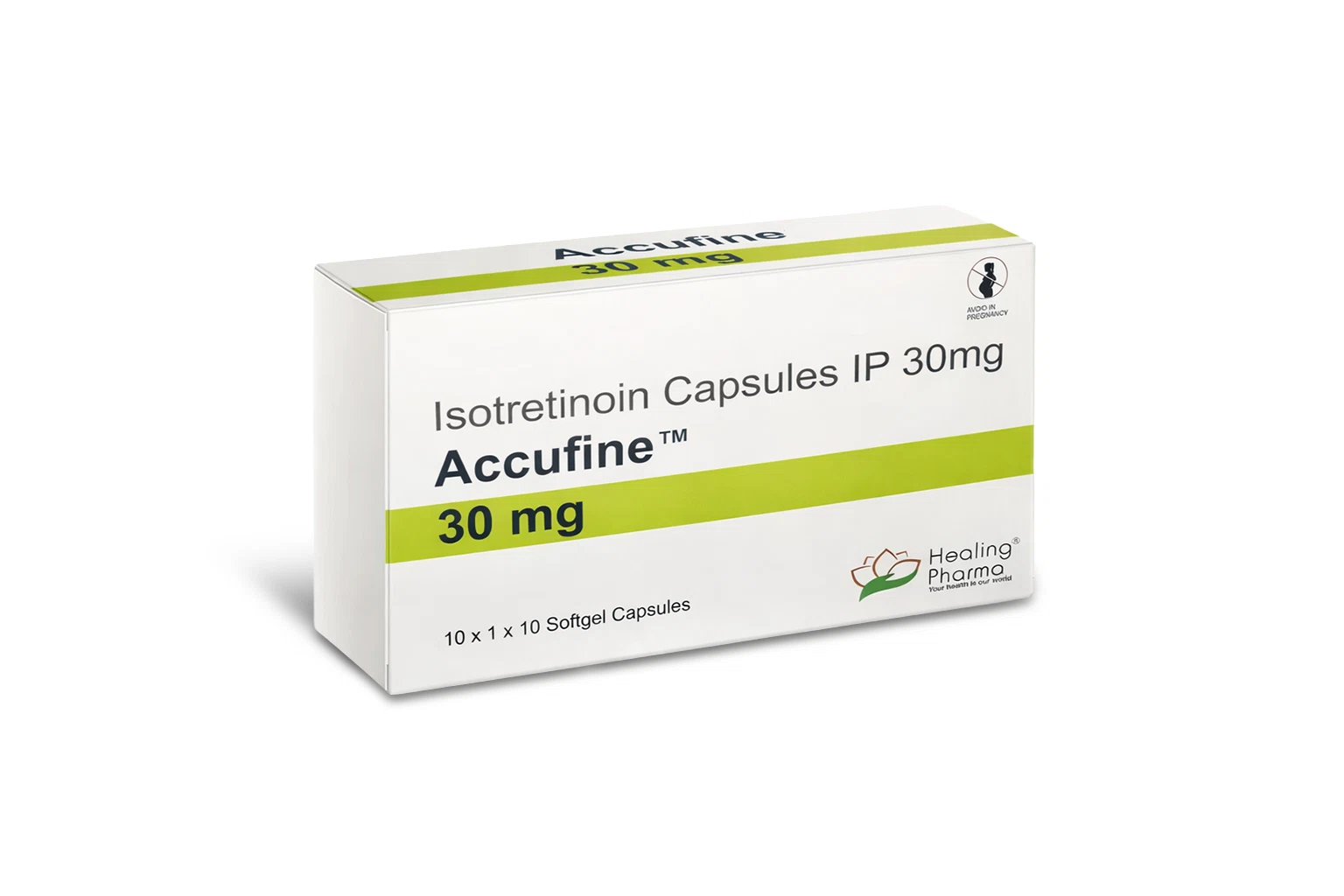
Skin Care$63.00 – $163.00Price range: $63.00 through $163.00Rated 4.50 out of 5Shop Now This product has multiple variants. The options may be chosen on the product pageAccufine 30 mg
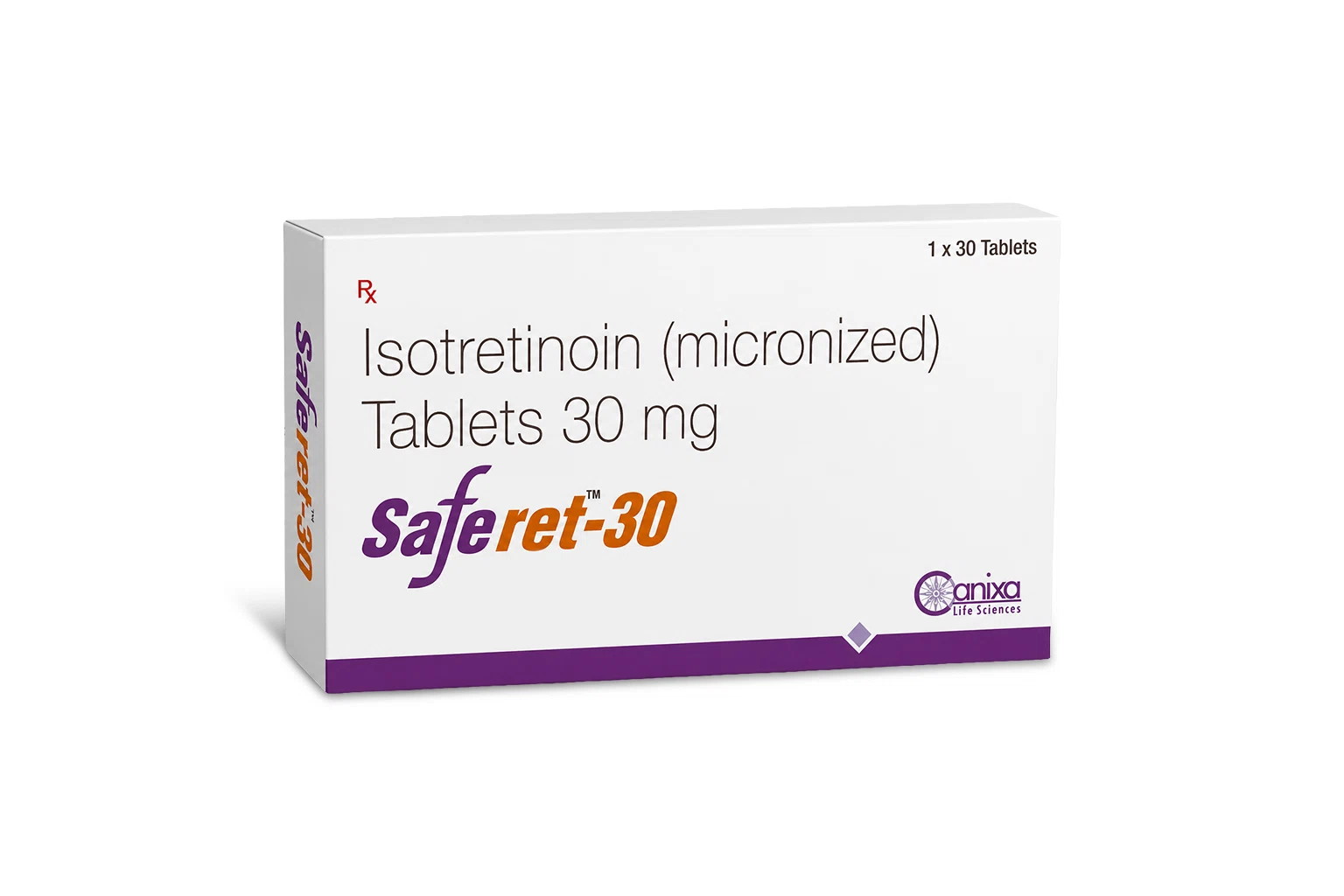
Skin Care$40.00 – $140.00Price range: $40.00 through $140.00Rated 5.00 out of 5Shop Now This product has multiple variants. The options may be chosen on the product pageSaferet 30 mg
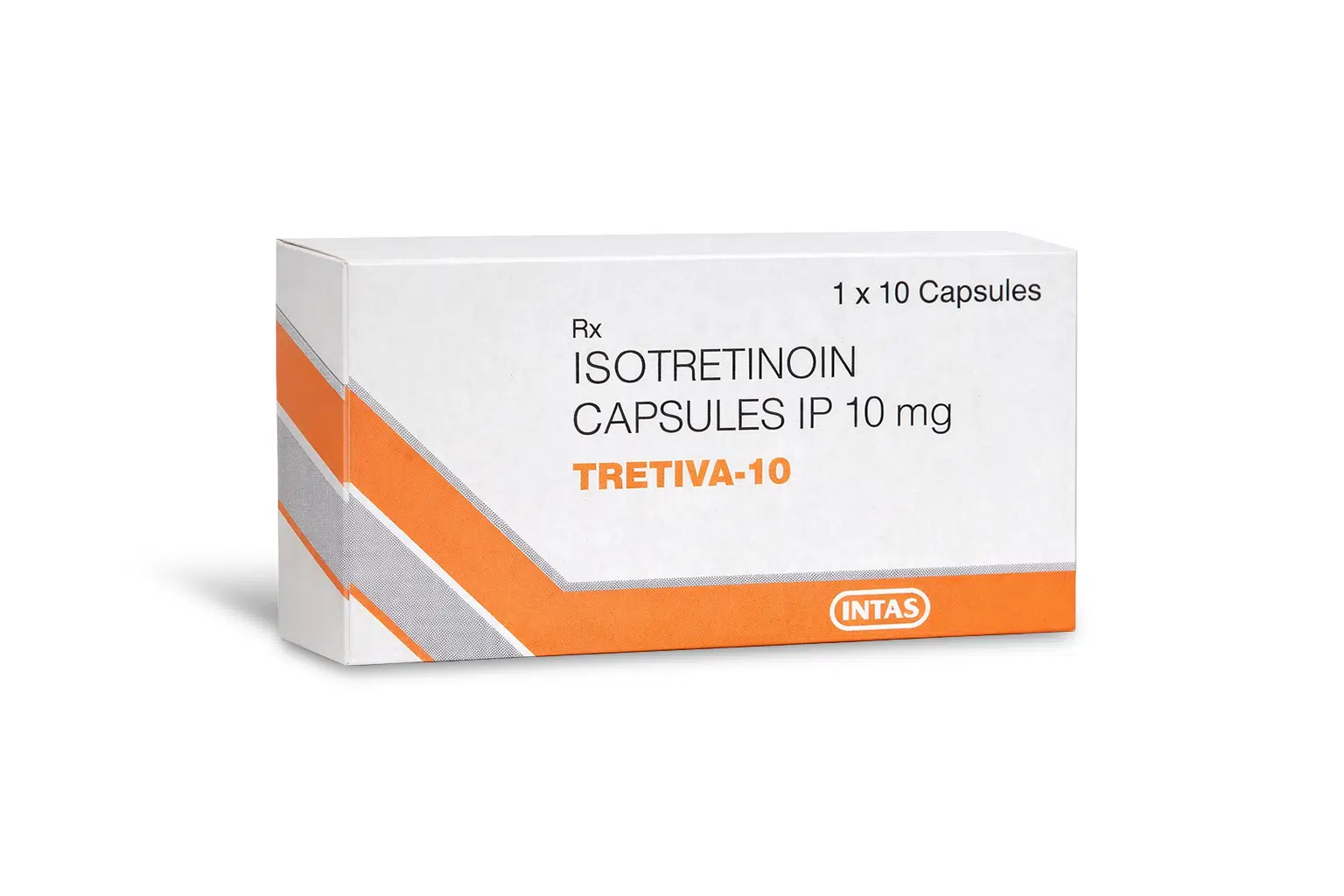
Skin Care$22.00 – $60.00Price range: $22.00 through $60.00Rated 4.00 out of 5Shop Now This product has multiple variants. The options may be chosen on the product pageTretiva 10 mg
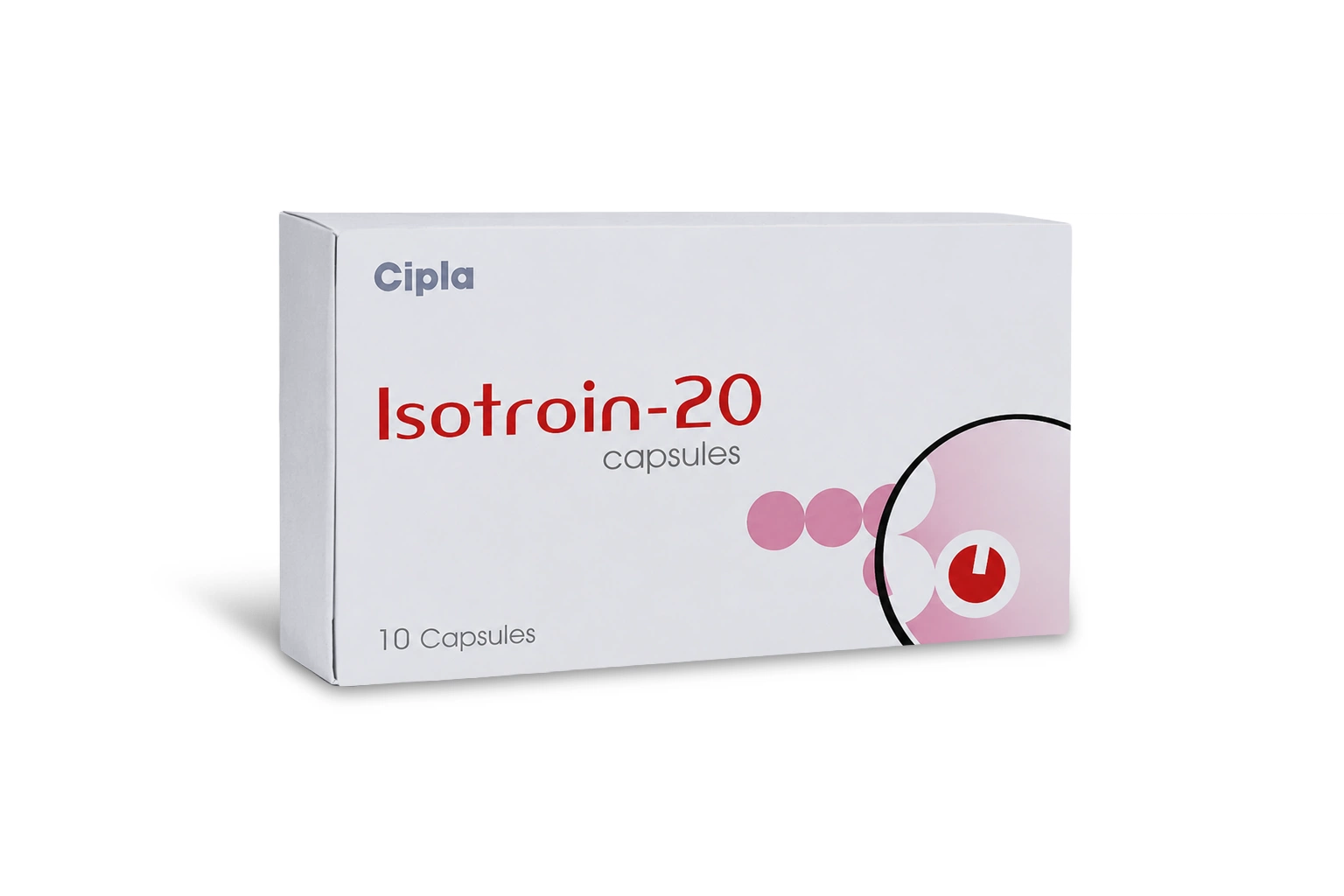
Skin Care$28.00 – $80.00Price range: $28.00 through $80.00Rated 4.00 out of 5Shop Now This product has multiple variants. The options may be chosen on the product pageIsotroin 20 mg
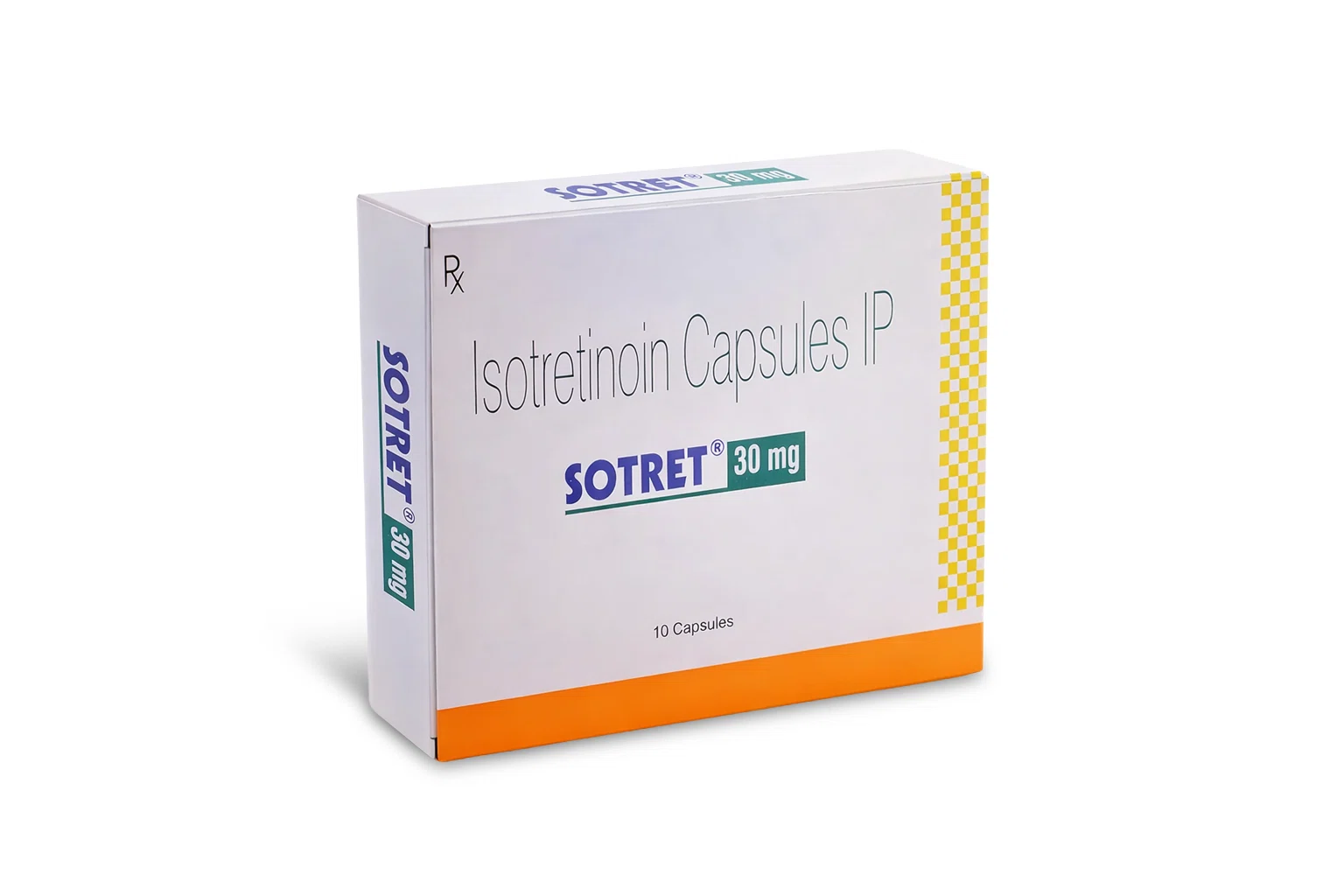
Skin Care$22.00 – $60.00Price range: $22.00 through $60.00Rated 5.00 out of 5Shop Now This product has multiple variants. The options may be chosen on the product pageSotret 30 mg
Skin Care$26.00 – $68.00Price range: $26.00 through $68.00Rated 5.00 out of 5Shop Now This product has multiple variants. The options may be chosen on the product page
Mostly the fingers point towards stress, hormones, or maybe the incorrect skincare product. What most people don’t realize is that sometimes, the real culprit is not in your bathroom cabinet but on your dinner plate. That is not to say that diet is the whole and sole reason behind your acne and is triggering your breakouts. It can, however, affect how much oil your body produces and your hormone levels and also be a source of inflammation.
Which is why we’ll talk about your diet in this article and how it could be triggering your breakouts. We get into the science behind your diet and skin health and help you get an idea of skincare medications that contain isotretinoin, a magic ingredient against acne.
How much can food affect the skin?
It can affect your skin to a great extent. Can your diet cause breakouts on its own, without any other factor involved? Probably not entirely. But it can absolutely tip things over the edge if your skin was already leaning that way. Genetics, hormones, stress, and sleep are all factors that can stack up too. Diet is one piece, not the whole puzzle. People want a clean single answer, but there isn’t one.
Dermatologists have been going back and forth on this for years actually. Some say the link is weak, and some say it’s underrated. The truth is probably somewhere messy in the middle.
The role of sugar
Does sugar make acne worse? This is the one that gets brought up constantly, and there’s actually some decent research behind it. High sugar, white bread, pasta, sodas, these spike your blood sugar fast. That spike pushes insulin up, and higher insulin has been tied to more oil production and more inflammation in skin. So yeah, sugar isn’t doing your face any favors if you’re already prone to breakouts.
Not saying one candy bar ruins your skin forever. It’s more of a pattern thing. Having one chocolate or a greasy meal on an odd day won’t automatically cause pimples. It has to be weeks of high sugar intake, not one bad day. Instead, your daily dietary patterns may quietly influence how often acne appears and how severe it becomes.
How dairy affects your skin
Milk, specifically skim milk, keeps showing up in studies as something linked to more breakouts. Most studies aren’t fully sure why. Some think it’s hormone residue in milk, and some think it’s the way skim milk is processed. Cheese and yogurt don’t seem to carry the same risk as much.
If you’ve tried cutting dairy before and noticed clearer skin a few weeks later, that’s not just in your head necessarily. It’s a real pattern some people report.
Foods that may be quietly triggering your breakouts
This list isn’t scientific gospel, more like a general pattern dermatologists keep circling back to. Refined carbs, sugary drinks, or even whey protein powder may be some minor culprits. Actually, a few small studies link whey protein powder to jawline and back acne specifically, which surprises people since it’s marketed as “healthy.”
Fried food, ultra-processed snacks, and that whole category. None of these are guaranteed to be triggering your breakouts for every single person, but they show up often enough in patient reports that it’s worth paying attention.
Chocolate gets blamed a lot too, though honestly the research there is murkier. It might be the sugar and fat in it rather than the cocoa itself.
Which food should I eat?
What foods help reduce acne if we’re flipping the question around? Low glycemic foods help, like whole grains instead of white bread, more vegetables, and more fiber. Omega-3s from fish or flax show up a lot in the “helps calm inflammation” category.
Antioxidant-heavy foods too, like berries and leafy greens, that kind of thing. Not a magic fix, just tilts things slightly in your favor over time.
Water intake gets mentioned constantly, and honestly, it probably matters less than people think for acne specifically, but it’s good for you anyway, so no harm there.
How diet affects your skin isn’t universal and will not be the same for everyone. This is the part that trips people up. What sets off your coworker’s skin might be completely different from what sets off yours. Some people eat dairy every day with zero issue. Some people get one glass of milk and break out within 48 hours. There’s no universal rulebook here, which is frustrating if you’re looking for a checklist.
Dermatologists usually suggest tracking what you eat against your breakouts for a few weeks. Sounds tedious. It kind of is. But patterns show up eventually if there’s a real trigger hiding in there.
When is it not about food?
Sometimes the acne is hormonal or genetic or just severe enough that diet changes barely move the needle. That’s where medical treatment steps in, and isotretinoin comes up a lot in these conversations because it works differently than most other options. It targets oil production at the source instead of just managing symptoms on the surface.
Products like Accufine 20 mg and Isotroin 20 mg are commonly prescribed isotretinoin formulations for moderate to severe acne cases that haven’t responded well to topical treatments or antibiotics. For more persistent or severe presentations, dermatologists sometimes step up the dose to something like Accufine 30 mg or Saferet 30 mg, depending on the patient’s weight and how their skin has responded so far.
None of this is a substitute for figuring out food triggers, by the way. It’s more for the cases where diet alone clearly isn’t cutting it or where the acne is severe enough that waiting around for dietary changes to maybe help isn’t really practical. Isotretinoin needs a dermatologist involved the whole way through since it’s not something you can just start taking on your own.
Foods to avoid if you have acne-prone skin
Again, it’s not a strict rulebook but just patterns. High-sugar snacks, white bread-type carbs, skim milk if you notice a personal reaction, whey protein shakes, and heavily fried stuff are some of the things you can choose to avoid if you already have skin that’s acne prone. Some people add chocolate to this, while some don’t notice a difference at all with it.
The point isn’t to cut everything out at once. That backfires half the time because people give up after a week of feeling deprived. Small changes, tracked over a month or two, tend to actually reveal something useful.
Your eating habits and skin health
It all connects in ways that go beyond just “avoid sugar.” Meal timing matters, how processed your usual meals are, and whether you’re getting enough sleep alongside all this. It’s all tangled together. Skin doesn’t exist in a vacuum separate from the rest of your body, even though skincare marketing sometimes makes it feel that way.
Stress eating specifically seems to be a double hit. Stress itself raises cortisol, which can trigger oil production, and stress eating often leans toward the exact high-glycemic comfort foods that were already triggering your breakouts in the first place, which is not a great combo.
The process of trying to prevent breakouts through diet doesn’t have to be one that involves some extreme elimination plan. Start small if you’re worried about what’s triggering your breakouts. Swap white rice for brown a few times a week. Cut back on soda gradually instead of overnight. Notice if dairy correlates with anything for you specifically.
Consistency over weeks matters more than any single perfect day. One salad doesn’t fix skin that’s been inflamed for months, the same way one soda doesn’t ruin it either.
Acne prevention tips
A few things worth trying that go beyond the obvious. You can track your triggers instead of guessing, don’t eliminate entire food groups without reason, and be patient because skin takes weeks to show diet changes. Don’t ignore severe or cystic acne thinking food alone will fix it, that’s when seeing a dermatologist about something like isotretinoin actually makes sense.
Sleep matters more than people give it credit for too. Poor sleep raises inflammation markers in ways that overlap heavily with what bad diet does, so the two problems can compound each other without you realizing it.
Final Thoughts
Diet plays a role, just not the only one. Sugar and high-glycemic foods seem to have the strongest evidence behind them as far as triggering your breakouts go. Dairy is close behind for a chunk of people. Everything else is more individual than the internet likes to admit.
If breakouts are persistent, severe, or leaving marks behind, that’s usually the point where diet changes alone stop being enough, and medical options like isotretinoin formulations, Accufine, Isotroin, Saferet, become part of the conversation with an actual dermatologist guiding the dose and duration.
FAQ's
1. Is food really the culprit behind flare-ups?
Rarely by itself, it usually works alongside genetics, hormones, and stress rather than acting alone as what’s triggering your breakouts.
2. Is sugar the main dietary offender?
Evidence suggests it plays a big part, mainly through blood sugar spikes that raise insulin and inflammation.
3. Which foods are actually worth adding in?
Low glycemic foods, omega-3s, and antioxidant-rich produce tend to help more than they hurt.
4. How long before diet changes show up on skin?
Usually a few weeks to a couple months, so patience matters more than people expect when trying to stop something from triggering your breakouts.
5. Is isotretinoin necessary if diet is the main trigger?
Not always, mild cases may improve with diet changes alone, but moderate to severe acne often needs medical treatment like isotretinoin.

Dr. Delisha Cole is a sexual health and wellness writer with over 10 years of experience researching erectile dysfunction, performance anxiety, premature ejaculation, and modern ED treatments. She focuses on breaking down complex medical topics into practical, easy-to-understand advice that helps readers make informed decisions about their intimate health, confidence, and relationships. Her content covers ED medications, lifestyle factors, treatment safety, and real-world wellness guidance in a simple, reader-friendly way.