
When someone is getting prostate surgery, they don’t expect to talk about erections. Almost always, the first question is whether the cancer is gone, which is the right thing to do. Once the relief wears off after a few weeks, a new set of questions usually comes up at home, usually late at night, and aren’t always talked about between partners. How long will it take for things to work again? Are we still going to feel close? ED after prostate surgery is one of the most common side effects that men and their partners have to deal with. It’s also one of the least understood, so a lot of people just guess. This blog covers why it happens, what to expect in the coming months, what solutions are available, and how to keep your relationship and confidence safe while your body heals.
Why Prostate Surgery Can Cause ED
Two things sit very close to the prostate: a pair of nerve bundles that trigger erections, and the small blood vessels that carry blood into the penis. A surgeon working in that area can’t avoid touching them completely, and even gentle handling can leave the nerves stretched or bruised. That’s the root of post-prostatectomy ED. Doctors call the bruised state neuropraxia, and it means the nerves haven’t been cut but have gone quiet for a while. In nerve-sparing surgery, the surgeon works to protect the bundles, and that gives the nerves a much better chance to recover. Several things shape how ED after prostate surgery plays out for any one man:
- How well you were erecting before the operation
- Your age, since younger nerves tend to recover more fully
- Whether one or both nerve bundles could be spared
- The stage of the cancer, and whether radiation is part of the plan
There’s also a quiet process that explains why doctors push for early action. The penis normally gets several erections every night during sleep, and after surgery those stop for a while. Tissue that goes without oxygen for months may stiffen a little, so keeping blood moving through it early appears to protect long-term function.
Recovery Timeline: What to Expect
Nerves heal slowly, roughly a millimeter a day, so the ED recovery time is counted in seasons rather than weeks. In the first month or so, erections are usually absent, and the main job is healing. By months three to six, a few men notice early signs such as partial firmness or changes in the morning. Between months six and twelve, steady gains are common, particularly with treatment. After a year, progress often continues, and many men reach their best level somewhere around eighteen to twenty-four months. A slow start with post-prostatectomy ED isn’t a bad sign. That’s why doctors judge ED after prostate surgery over a long stretch and not at one appointment.
Two questions come up in almost every consultation. The first is is ED permanent after prostatectomy? The honest answer is that it depends. Some men return close to where they were, some recover partly and use treatment to fill the gap, and a smaller group needs another approach. The second is, “Is sex possible after prostate removal?”, and for most couples the answer is yes. Orgasm is still possible, though it’s dry since the prostate and seminal vesicles are gone, and a small leak of urine at climax happens to some men.
Best Seller

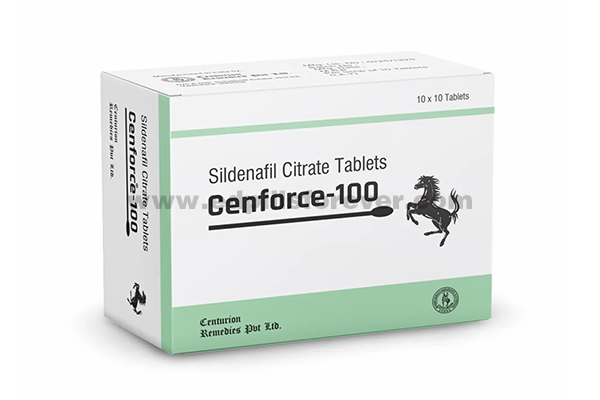
Cenforce 100 Mg
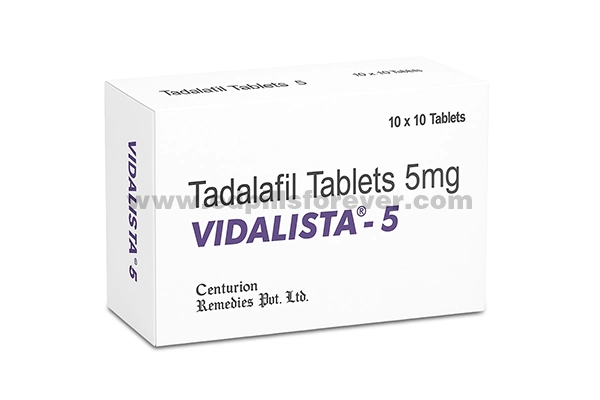
Best Seller$24 – $215Price range: $24 through $215Rated 5.00 out of 5Shop Now This product has multiple variants. The options may be chosen on the product pageVidalista 5 Mg
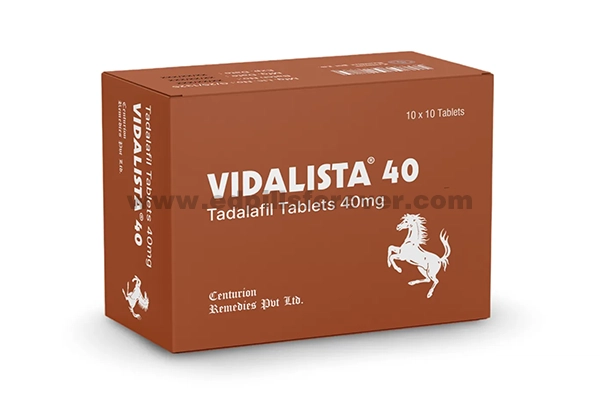
best sellers$18 – $182Price range: $18 through $182Rated 4.00 out of 5Shop Now This product has multiple variants. The options may be chosen on the product pageVidalista 40 Mg
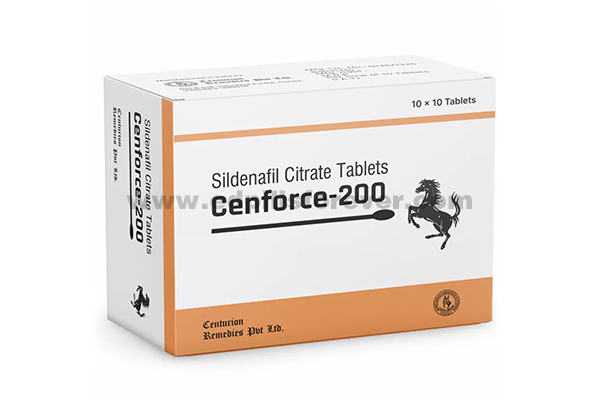
Best Seller$28 – $276Price range: $28 through $276Rated 4.00 out of 5Shop Now This product has multiple variants. The options may be chosen on the product pageCenforce 200 Mg
best sellers$31 – $335Price range: $31 through $335Rated 4.50 out of 5Shop Now This product has multiple variants. The options may be chosen on the product pageCenforce Fm
best sellers$33 – $218Price range: $33 through $218Rated 4.00 out of 5Shop Now This product has multiple variants. The options may be chosen on the product pageKamagra 100 mg
best sellers$24 – $125Price range: $24 through $125Rated 5.00 out of 5Shop Now This product has multiple variants. The options may be chosen on the product pageFildena 100 mg
best sellers$24 – $244Price range: $24 through $244Rated 4.00 out of 5Shop Now This product has multiple variants. The options may be chosen on the product pageMalegra Oral Jelly 100 Mg
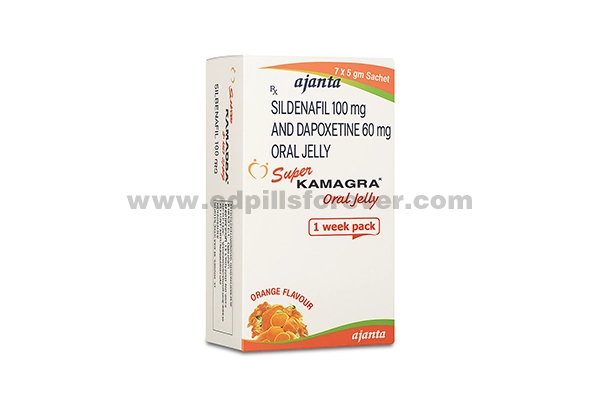
best sellers$8 – $44Price range: $8 through $44Rated 5.00 out of 5Shop Now This product has multiple variants. The options may be chosen on the product pageSuper Kamagra Oral Jelly
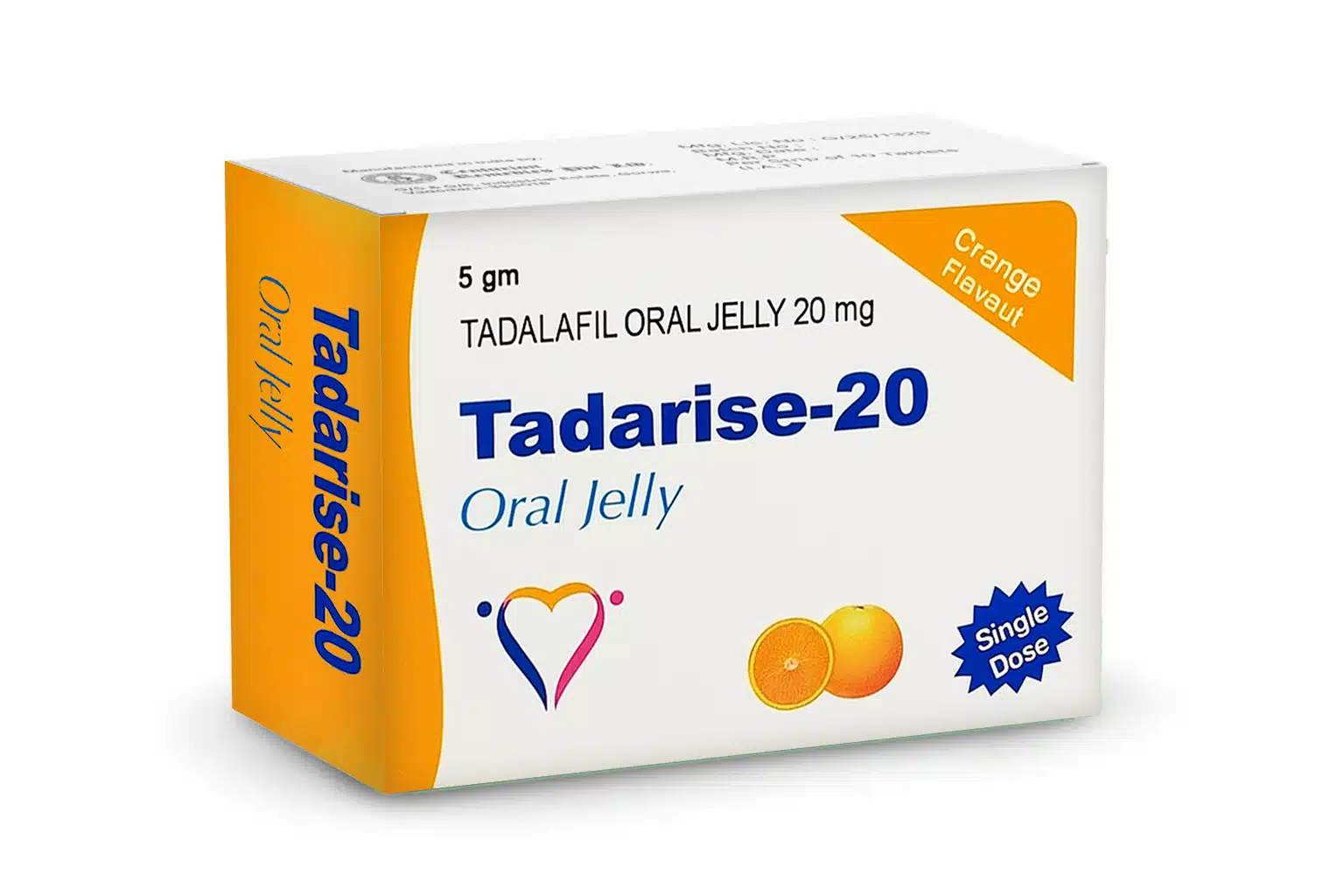
best sellers$25 – $120Price range: $25 through $120Rated 4.00 out of 5Shop Now This product has multiple variants. The options may be chosen on the product pageTadarise Oral Jelly
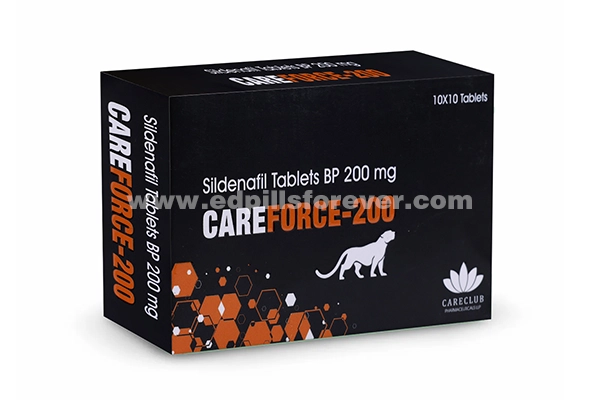
best sellers$19 – $72Price range: $19 through $72Rated 4.00 out of 5Shop Now This product has multiple variants. The options may be chosen on the product pageCareforce 200 Mg
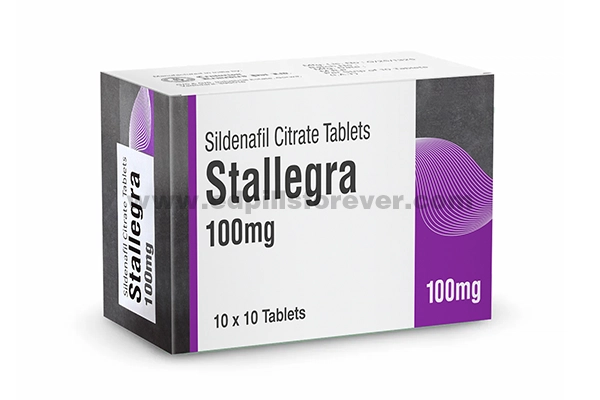
best sellers$29 – $332Price range: $29 through $332Rated 5.00 out of 5Shop Now This product has multiple variants. The options may be chosen on the product pageStallegra 100 Mg
best sellers$88 – $224Price range: $88 through $224Rated 5.00 out of 5Shop Now This product has multiple variants. The options may be chosen on the product page- Exclusive
Aurogra 100 Mg
best sellers$29 – $76Price range: $29 through $76Rated 4.00 out of 5Shop Now This product has multiple variants. The options may be chosen on the product page Priligy 30 mg
best sellers$22 – $156Price range: $22 through $156Rated 4.00 out of 5Shop Now This product has multiple variants. The options may be chosen on the product page
Treatment and Recovery Options
A useful way to think about ED after prostate surgery is as a ladder. You start on the lowest rung that works and move up only if you need to. Doctors usually look at these ED treatment options in this order:
- Tablets that relax blood vessels, called PDE5 inhibitors, which need some working nerve signal to help
- A vacuum device that draws blood into the penis
- Injections of alprostadil that trigger an erection directly
- A penile implant, a lasting choice when the other steps haven’t worked
On the first rung, the Sildigra range lists sildenafil based choices in several strengths, including Sildigra 25 mg, 50 mg, 100 mg, 120 mg, Sildigra XL Plus 150 mg, Sildigra Gold 200 mg, Sildigra 250 mg tablets, Silagra 100 mg, and a Sildigra Soft Chewable 100 mg for men who’d rather not swallow a tablet. Sildenafil can’t be taken with nitrate medicines, and men with heart conditions need a doctor’s approval first.
Timing matters as much as the choice among ED treatment options. Many urologists start penile rehabilitation within a few weeks of surgery, often with a low daily dose or a vacuum device, so blood keeps reaching the tissue while the nerves heal.
Lifestyle Habits That Support Recovery
Healthy blood vessels do most of the work in an erection, so habits that protect your heart also help with ED after prostate surgery. The ones that seem to matter most are:
- Walking, cycling, or swimming most days, which keeps circulation strong
- Eating more vegetables, nuts, fish, and whole grains for the vessel lining
- Quitting smoking, since nicotine narrows the small arteries the penis relies on
- Practicing pelvic floor exercises, ideally before surgery, which help with bladder control and sexual recovery
The Emotional and Relationship Side
Recovery from ED after prostate surgery isn’t only physical. Worry can switch off an erection even when the nerves are healing well, and performance anxiety after surgery is one of the most common reasons progress stalls. Many men also wonder about libido after prostate surgery, and the reassuring part is that desire usually stays, because testosterone comes from the testicles and not the prostate. Tiredness, stress, or hormone therapy can turn it down for a while. Partners carry their own worries, and when nobody talks, silence can be mistaken for lack of interest. A simple conversation, even an awkward one, does more for sexual recovery than most techniques. Intimacy after prostate cancer also doesn’t depend on intercourse. Touch, kissing, and closeness all count, and plenty of couples say they feel more connected once the pressure drops. A counselor or sex therapist who works with cancer survivors can help both partners if you’d like extra support.
Medical Guidance and the Road Ahead
Keep every follow-up visit, because your urologist uses them to adjust the plan. Get in touch sooner if ED after prostate surgery hasn’t changed after several months, if any treatment causes pain, or if an erection lasts more than four hours, which needs urgent care. It also helps to arrive with questions. Some good ones include:
- What recovery timeline should I expect, given my surgery?
- When should I start rehabilitation, and with what?
- Given my heart health and other prescriptions, which drugs are safe?
- Who can help with performance anxiety after surgery?
Please check with your doctor before starting any treatment, including the medicines mentioned above.
Recovery takes patience, and it usually moves in the right direction. ED after prostate surgery is common, rarely a sign that something went wrong, and it has real solutions at every stage. A good plan is simple. Understand the timeline, begin treatment early, look after your body and your relationship, and keep your care team in the loop. Keep in mind that intimacy after prostate cancer can look different from before and still feel good.
Frequently Asked Questions
1. Is sex possible after prostate removal?
2. How long does it take to get better after surgery on the prostate?
3. Does ED go away after a prostatectomy?
4. Does getting back into shape help with ED after prostate surgery?
5. Will my drive return after surgery on my prostate?

Dr. Lucifier is a men’s health specialist with over 12 years of experience in sexual wellness and ED treatment. He holds an MBBS, MD in Internal Medicine, and DM in Urology, and focuses on safe, personalized care using proven therapies like Sildenafil and Tadalafil.