
Obesity management flipped, and yeah, a lot of that is tied to GLP-1 weight loss therapy. It started out as a diabetes option, but now it’s turned into one of the biggest medical breakthroughs for obesity, giving results that people used to associate mostly with surgery. As per the data from the CDC, the number of US adults who are suffering from obesity was 40.3% in 2023. They use these to control their obesity. 1 in 8 adults in the USA use this medicine. This rate increased by 586.7% in 2025. And as we go into 2026, GLP-1 meds keep changing how clinicians, patients, and researchers think about things like appetite control, body weight, and that long-term metabolic health piece.
What Is GLP-1?
GLP-1 (glucagon-like peptide-1) is a hormone that your gut naturally makes. It really helps to manage blood sugar and appetite directly. It sends signals to the brain that reduce hunger, it slows digestion down so food hangs around in the stomach longer, and it supports the body in using insulin more effectively. Researchers basically tried to copy that hormone in a steadier, stronger way with medication. With higher and sustained levels, they saw a stronger impact on blood sugar control and weight reduction. That’s the spark behind the current wave of GLP-1 weight loss meds used in obesity care today.
How GLP-1 Medications Work for Weight Loss
The “how” is largely appetite regulation. GLP-1 weight loss medications such as ColonBroom GLP-1 Weight Management Supplement Gluten-Free Diet Capsules turn on GLP-1 receptors all over the body, especially in brain regions linked to hunger and satiety cues. As a result, people often feel full sooner, cravings drop, and they naturally take in fewer calories, without that nonstop mental struggle against hunger that so often makes dieting stall. Slower gastric emptying also makes that full feeling last longer after meals, which kind of stacks the effect. Over time, the combination of less appetite and better satiety equals consistent calorie reduction, and that’s where meaningful weight loss comes from.
Best Seller

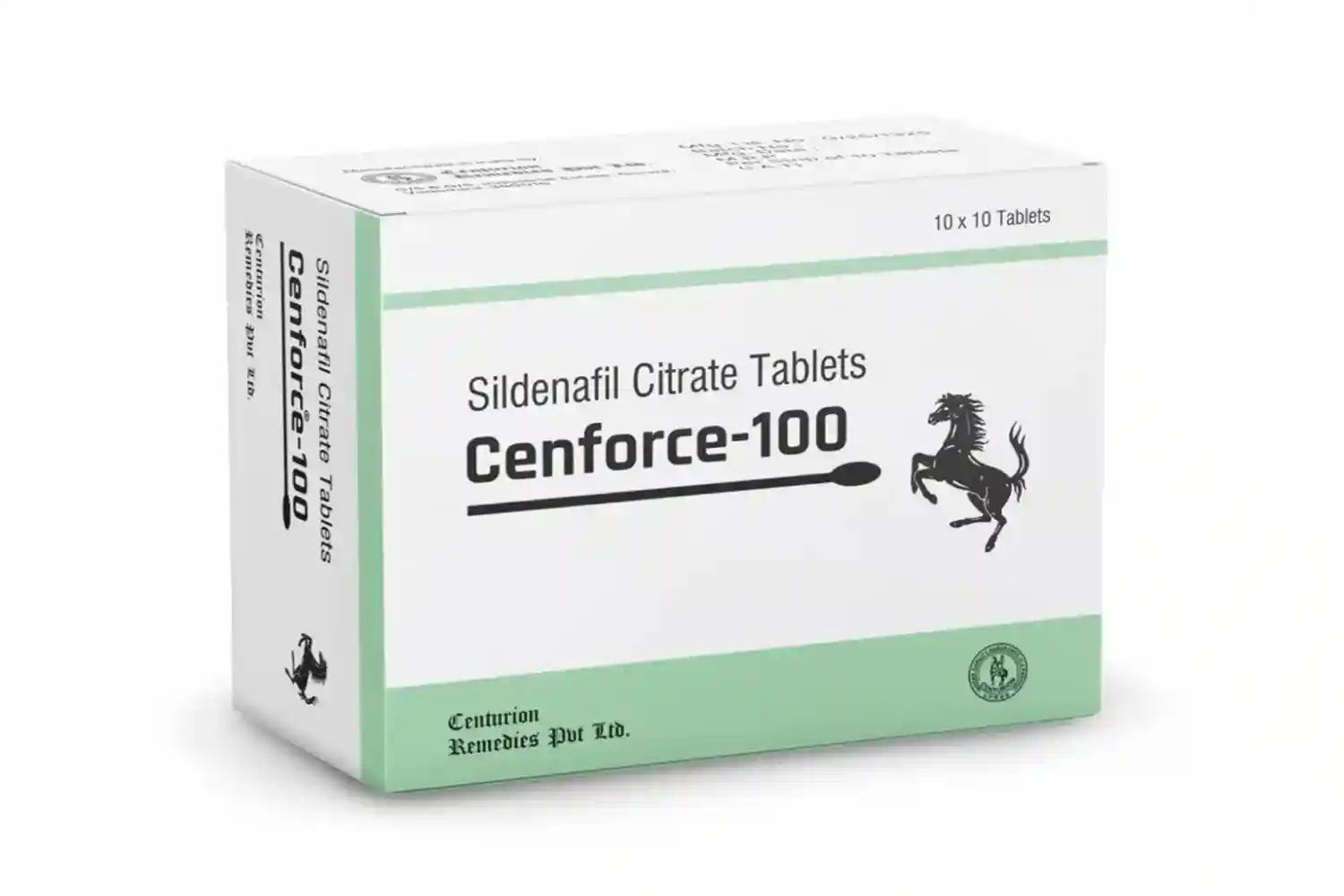
Cenforce 100 Mg
Cenforce$24.00 – $215.00Price range: $24.00 through $215.00Rated 5.00 out of 5Shop Now This product has multiple variants. The options may be chosen on the product page
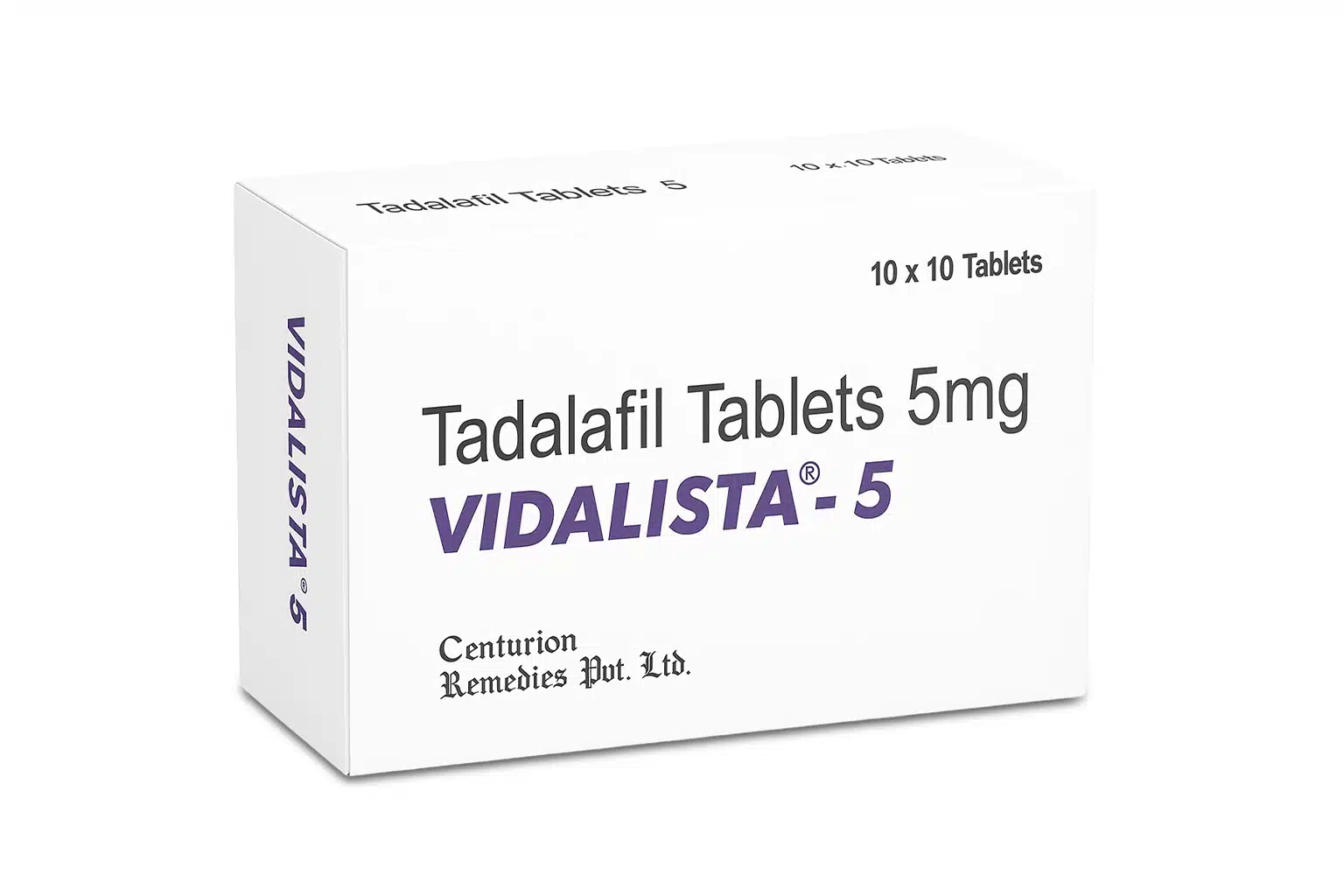
Vidalista 5 Mg
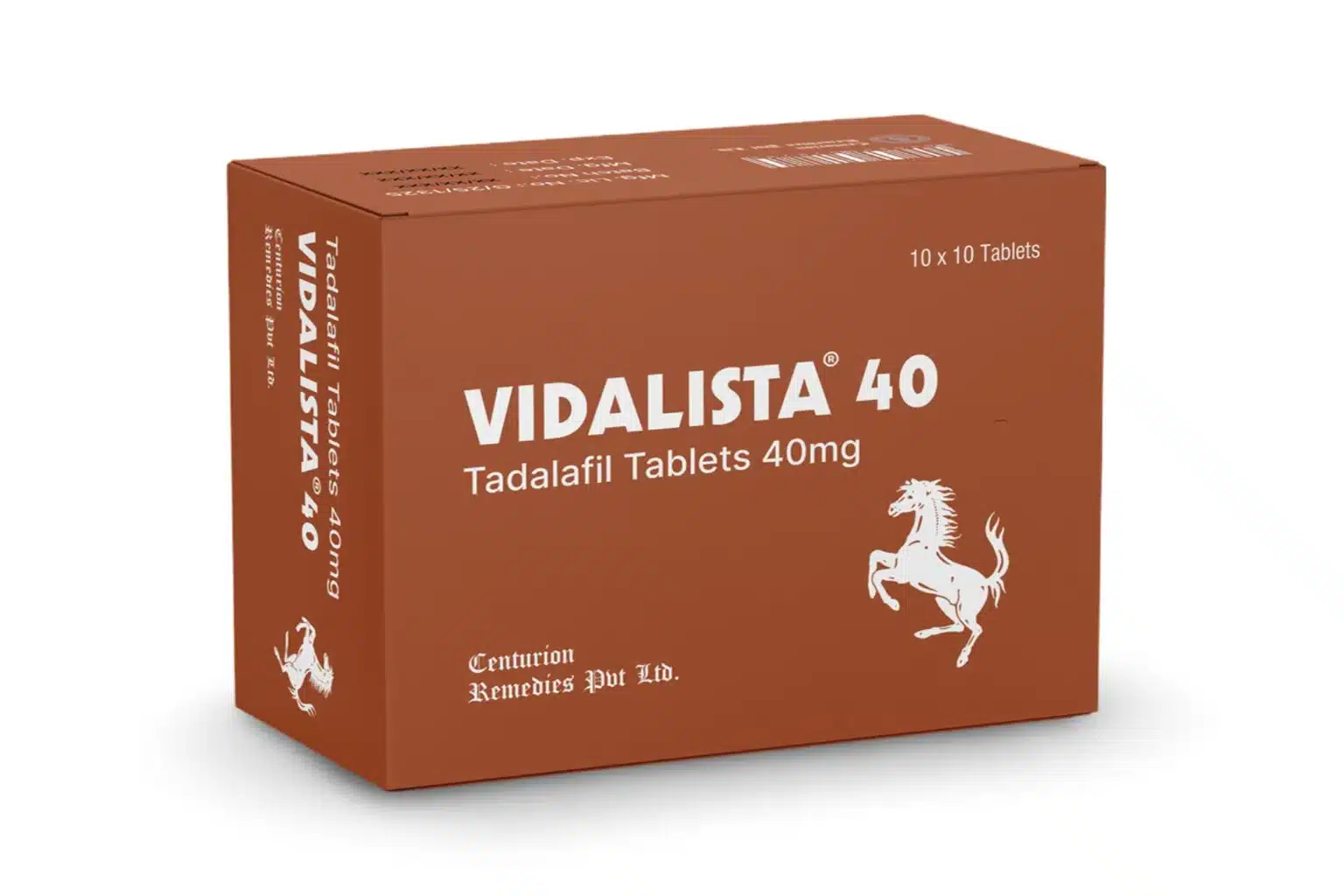
best sellers$18.00 – $182.00Price range: $18.00 through $182.00Rated 4.00 out of 5Shop Now This product has multiple variants. The options may be chosen on the product pageVidalista 40 Mg
Best Seller$28.00 – $276.00Price range: $28.00 through $276.00Rated 4.00 out of 5Shop Now This product has multiple variants. The options may be chosen on the product page
Cenforce 200 Mg
best sellers$31.00 – $335.00Price range: $31.00 through $335.00Rated 4.50 out of 5Shop Now This product has multiple variants. The options may be chosen on the product pageCenforce Fm
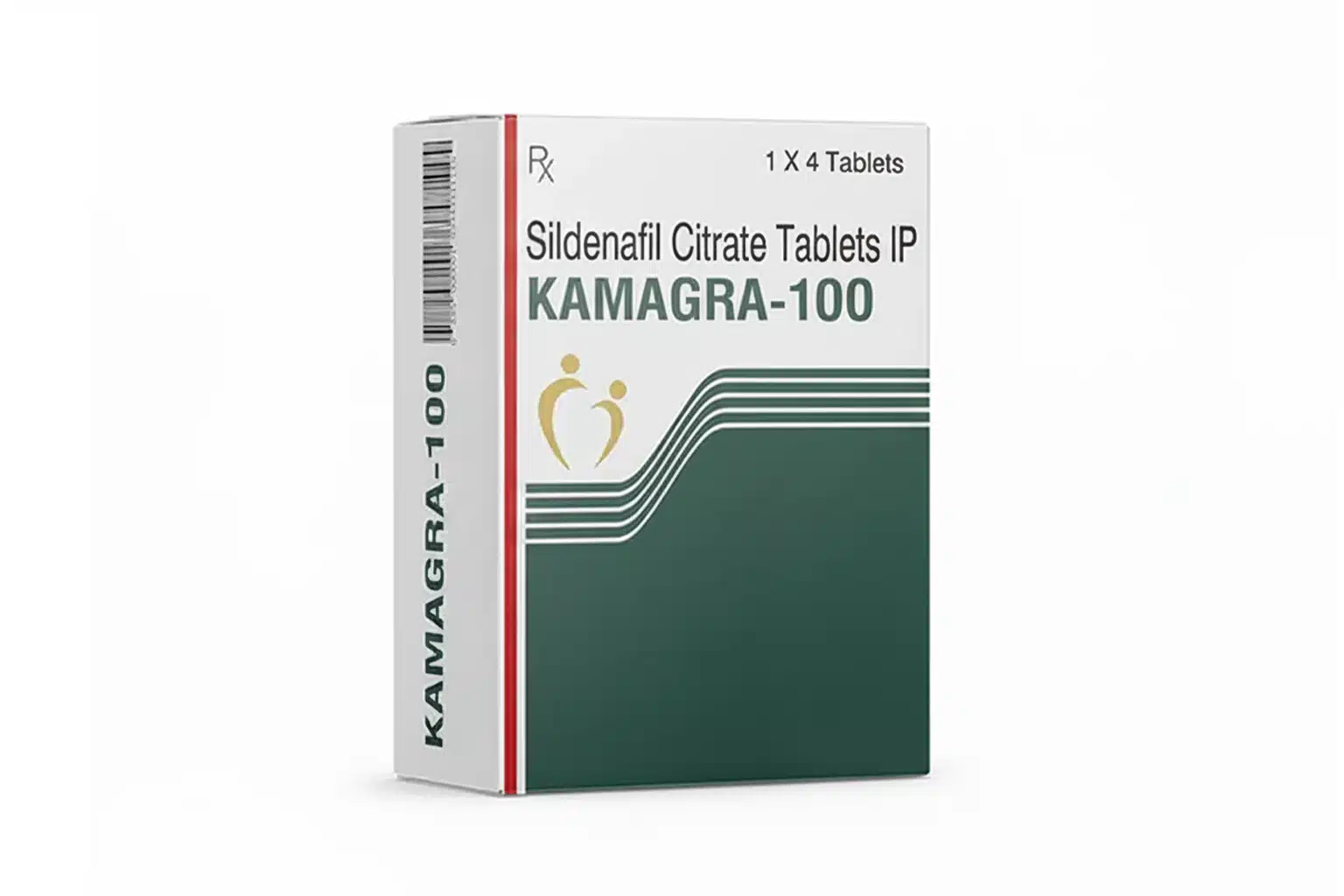
best sellers$33.00 – $218.00Price range: $33.00 through $218.00Rated 4.00 out of 5Shop Now This product has multiple variants. The options may be chosen on the product pageKamagra 100 mg
best sellers$24.00 – $125.00Price range: $24.00 through $125.00Rated 5.00 out of 5Shop Now This product has multiple variants. The options may be chosen on the product pageFildena 100 mg
best sellers$24.00 – $244.00Price range: $24.00 through $244.00Rated 4.00 out of 5Shop Now This product has multiple variants. The options may be chosen on the product pageMalegra Oral Jelly 100 Mg
best sellers$8.00 – $44.00Price range: $8.00 through $44.00Rated 5.00 out of 5Shop Now This product has multiple variants. The options may be chosen on the product pageSuper Kamagra Oral Jelly
best sellers$25.00 – $120.00Price range: $25.00 through $120.00Rated 4.00 out of 5Shop Now This product has multiple variants. The options may be chosen on the product page
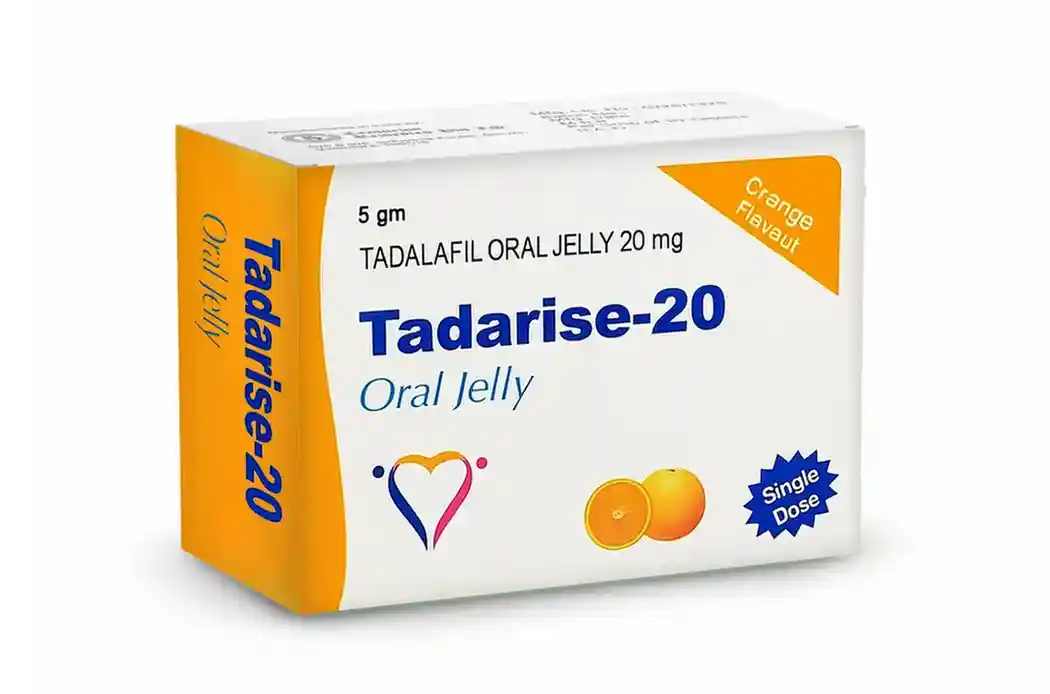
Tadarise Oral Jelly
best sellers$19.00 – $72.00Price range: $19.00 through $72.00Rated 4.00 out of 5Shop Now This product has multiple variants. The options may be chosen on the product page
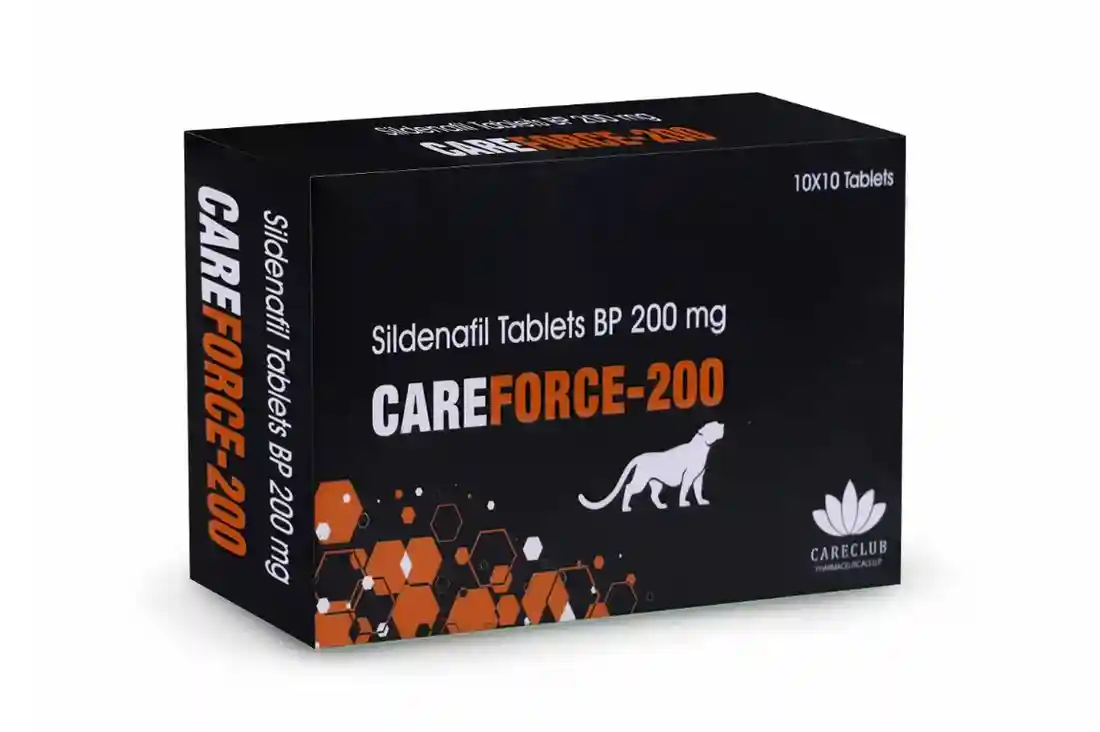
Careforce 200 Mg
best sellers$29.00 – $332.00Price range: $29.00 through $332.00Rated 5.00 out of 5Shop Now This product has multiple variants. The options may be chosen on the product page
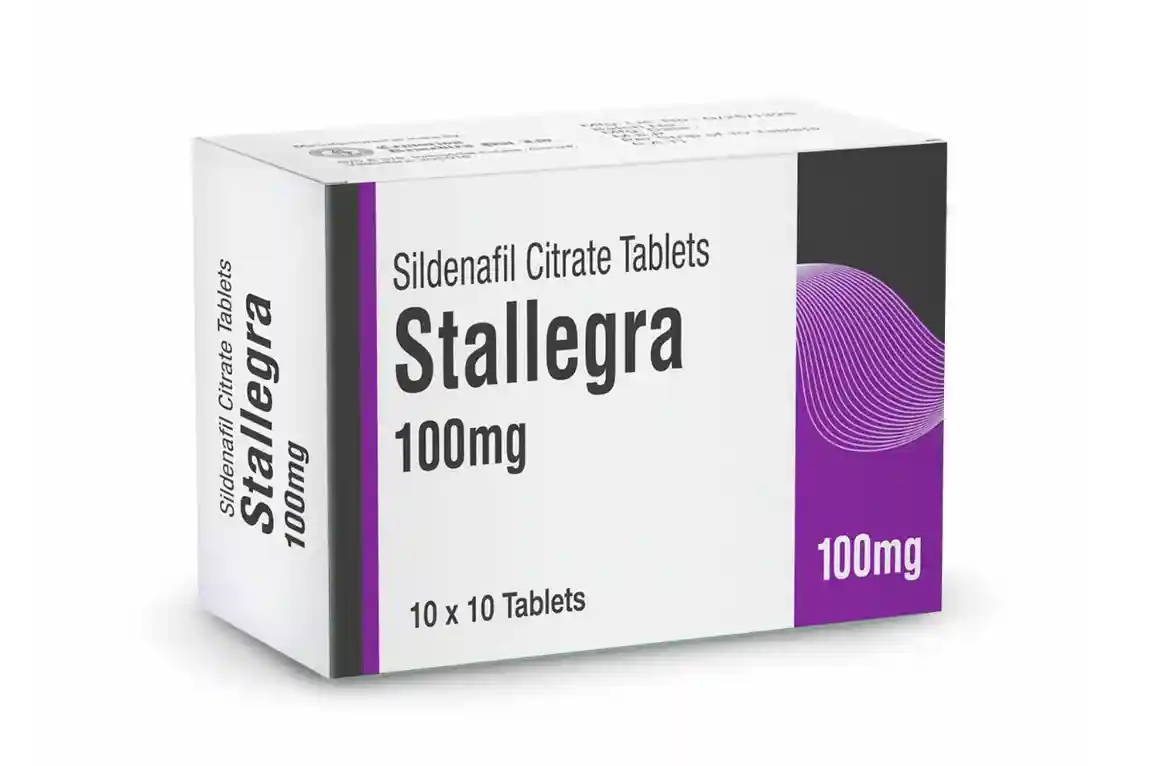
Stallegra 100 Mg
best sellers$88.00 – $224.00Price range: $88.00 through $224.00Rated 5.00 out of 5Shop Now This product has multiple variants. The options may be chosen on the product page- Exclusive
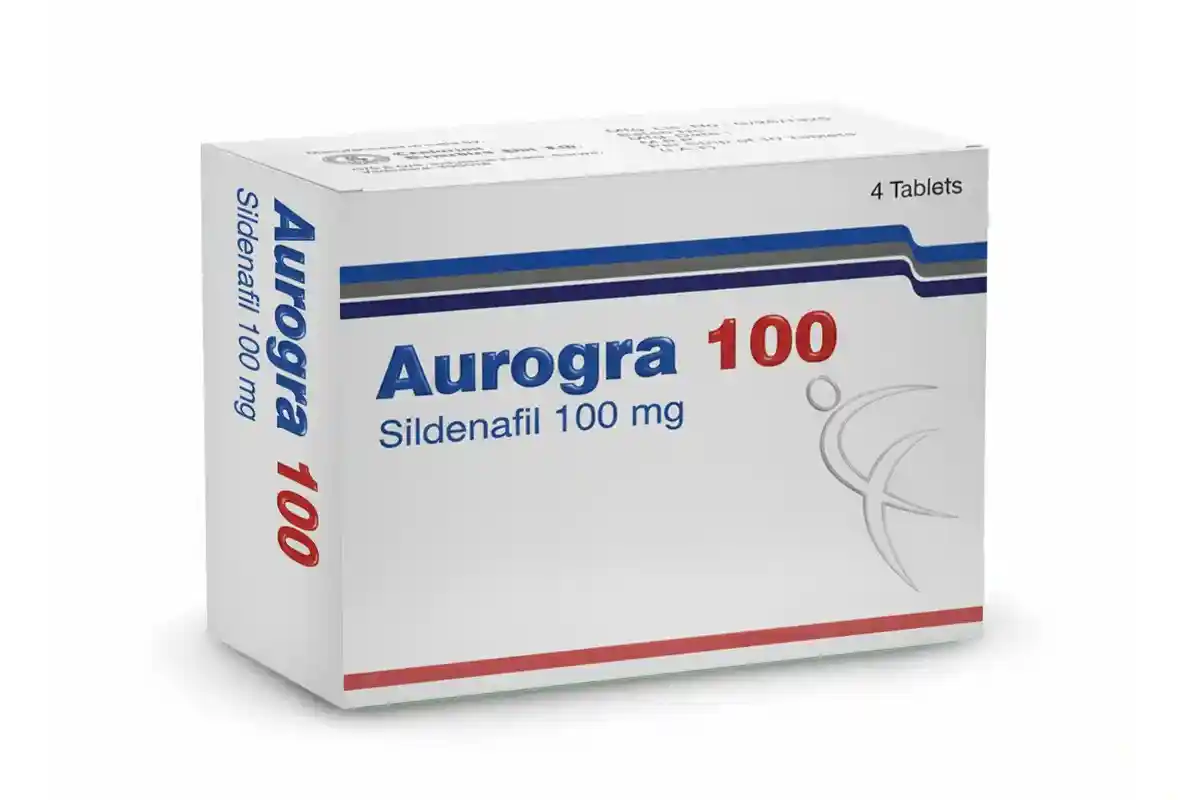
Aurogra 100 Mg
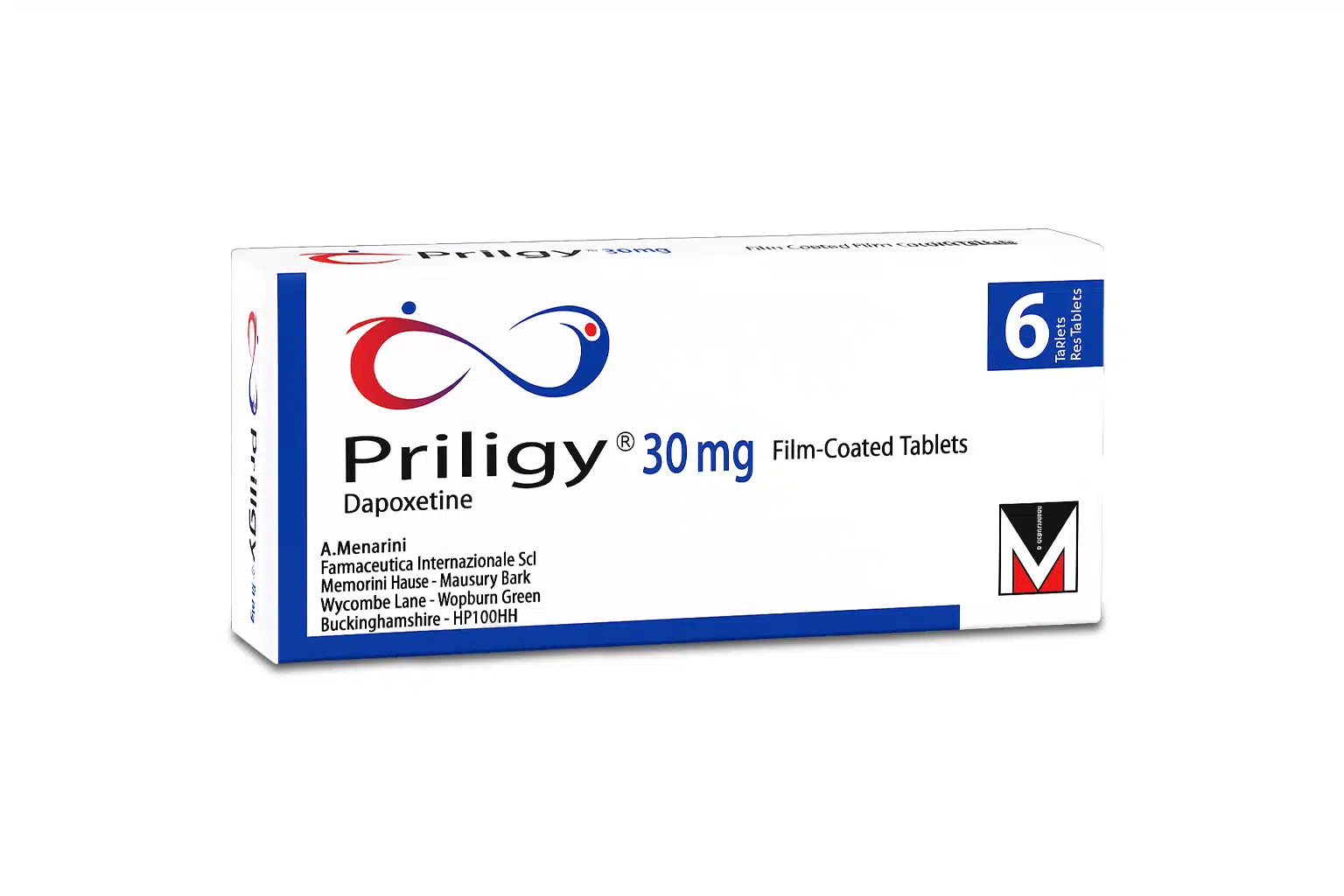
best sellers$29.00 – $76.00Price range: $29.00 through $76.00Rated 4.00 out of 5Shop Now This product has multiple variants. The options may be chosen on the product page Priligy 30 mg
best sellers$22.00 – $156.00Price range: $22.00 through $156.00Rated 4.00 out of 5Shop Now This product has multiple variants. The options may be chosen on the product page




The New Treatment Landscape in 2026
The obesity space has grown a lot. Newer GLP-1 weight loss medications such as GLP-1 Shred Zone – Weight Loss Pills for Women & Men Appetite Suppressant are showing better performance and sometimes added advantages compared with the earlier generation. Some newer versions pair GLP-1 action with other hormone routes, like GIP, aiming to boost weight loss even further. Those dual, and in some cases triple, hormone therapies are being seen as the next step, and in many cases they can lead to larger average weight loss than single hormone GLP-1 meds. Also, oral formulations have improved, so people who do not want injections have more options. Because of all this, obesity management isn’t really one size fits all now. Healthcare providers can pick a plan based on someone’s metabolic profile, weight loss targets, and how well they tolerate each medication type.
GLP-1 Benefits Beyond the Scale
Sure, weight loss is the headline, but GLP-1 benefits spread past body weight reduction. The GLP-1 weight loss meds have shown better blood sugar control, which is a big deal for people with type 2 diabetes or prediabetes. Clinical studies have also reported cardiovascular upside, like a lower risk of heart attack and stroke in certain groups. Some research points toward potential support for kidney health too, effects on sleep apnea severity, and even joint discomfort that can be linked with extra weight. This body of evidence has shifted the talk away from GLP-1 being only a “weight loss medication” and more toward it being a wider metabolic health tool.
Who Is a Candidate for GLP-1 Therapy?
GLP-1 weight loss treatment isn’t for everyone, and getting checked out medically first is essential. Moreover, healthcare providers consider medications such as Night Bullets Weight Loss Pills for Women & Men GLP-1 Support for people with a higher body mass index, especially if someone also has weight-related health issues like type 2 diabetes, high blood pressure, or sleep apnea. Clinicians review full medical history, including any personal or family history of specific thyroid disorders or pancreatic problems, since GLP-1 medications have particular contraindications. So, obesity management with these meds should start with a proper consultation, not self-directed use.
Managing Expectations and Side Effects
Like other treatments, GLP-1 weight loss therapy can cause side effects. The most common are gastrointestinal, including nausea, bloating, and changes in bowel habits, particularly during the first dose ramp-up phase. For many people, those symptoms soften as the body adapts over the first several weeks. Clinicians usually start low and titrate up slowly to minimize discomfort and maintain higher tolerability. Patients should also know that GLP-1 weight loss meds tend to be most effective when used in conjunction with consistent lifestyle changes, including balanced nutrition and movement, rather than being considered some standalone solutions.
The Future of Obesity Management
The obesity management plan evaluates new GLP-1 weight loss products. Companies improve delivery methods, so users get their medicines as soon as possible. Hope is with more access and more options; more people will have access to effective, medically supervised weight loss treatment. What stays the same, though, is the need for medical oversight, because these are powerful medications, and they need proper guidance to stay safe and work well.
To Wrap It All Up
GLP-1 (weight loss treatment) has changed the way we think about and treat obesity. It shifts the conversation from willpower to a broader, biologically based approach, which frankly matters. With new therapies coming online and greater awareness around the benefits of GLP-1s, 2026 feels like a true inflection point for obesity care. It is advised to consult with a healthcare provider regarding therapy of GLP-1 weight loss. This helps to get better guidelines for your sustainable weight loss journey. It is advised not to choose self-diagnosis.
Frequently Asked Questions
1. What does GLP-1 stand for, and how does it manage weight loss?
GLP-1 stands for glucagon-like peptide-1. This mimics hormones. This helps to reduce appetite and blood sugar. This indirectly helps to reduce weight loss.
2. Are GLP-1 medications safe for everyone?
Not exactly. They need a medical evaluation, because specific conditions and parts of your medical history can make them a poor match, so a healthcare provider’s checkup is important before starting.
3. What side effects are common with GLP-1 medications?
The most common ones are gastrointestinal, including nausea, bloating, and other digestive changes. For many people these ease up after the body adjusts, though it can take some time.
4. Do GLP-1 medications only help with weight loss?
No, it helps to control blood sugar as well as manage cardiovascular disease. this medicien also improves kidney health.
5. Can lifestyle changes be skipped if you are on GLP-1 therapy?
No, you should not skip. Only medication cannot work. You have to bring changes to your lifestyle when you are under GLP-1 therapy.

Dr. Lucifier is a men’s health specialist with over 12 years of experience in sexual wellness and ED treatment. He holds an MBBS, MD in Internal Medicine, and DM in Urology, and focuses on safe, personalized care using proven therapies like Sildenafil and Tadalafil.