Where does the GLP-1 inhibitor fit into this?
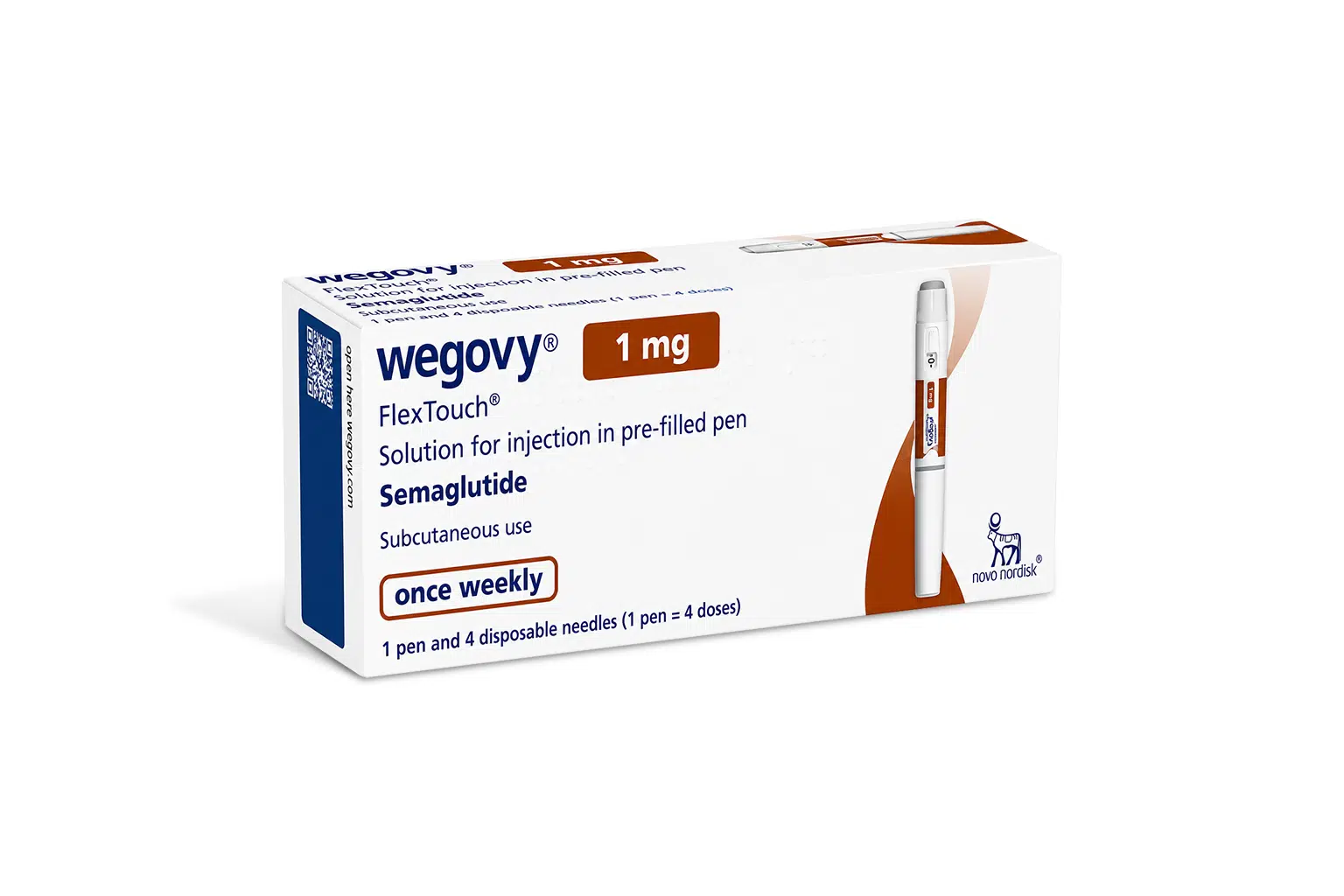
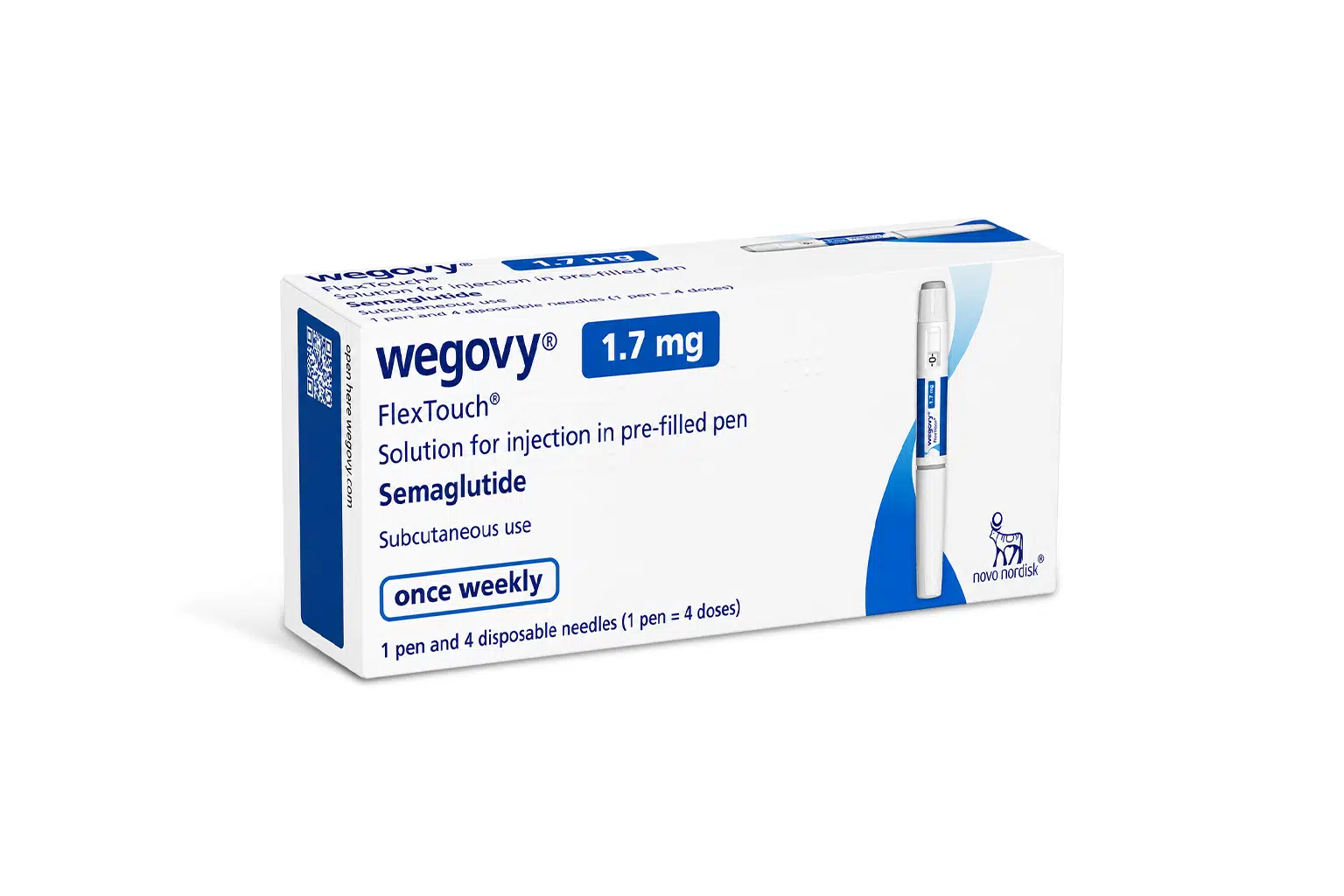
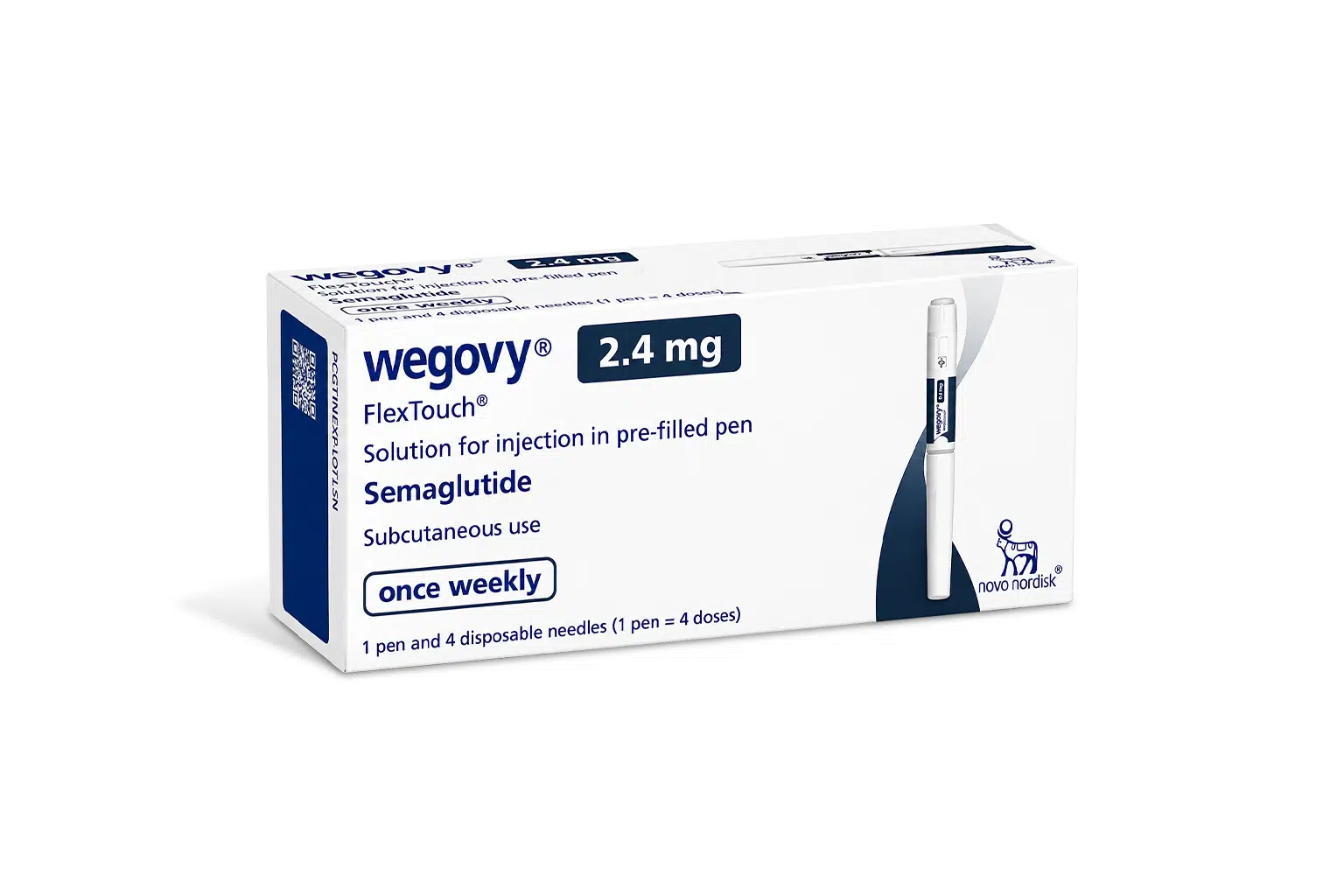
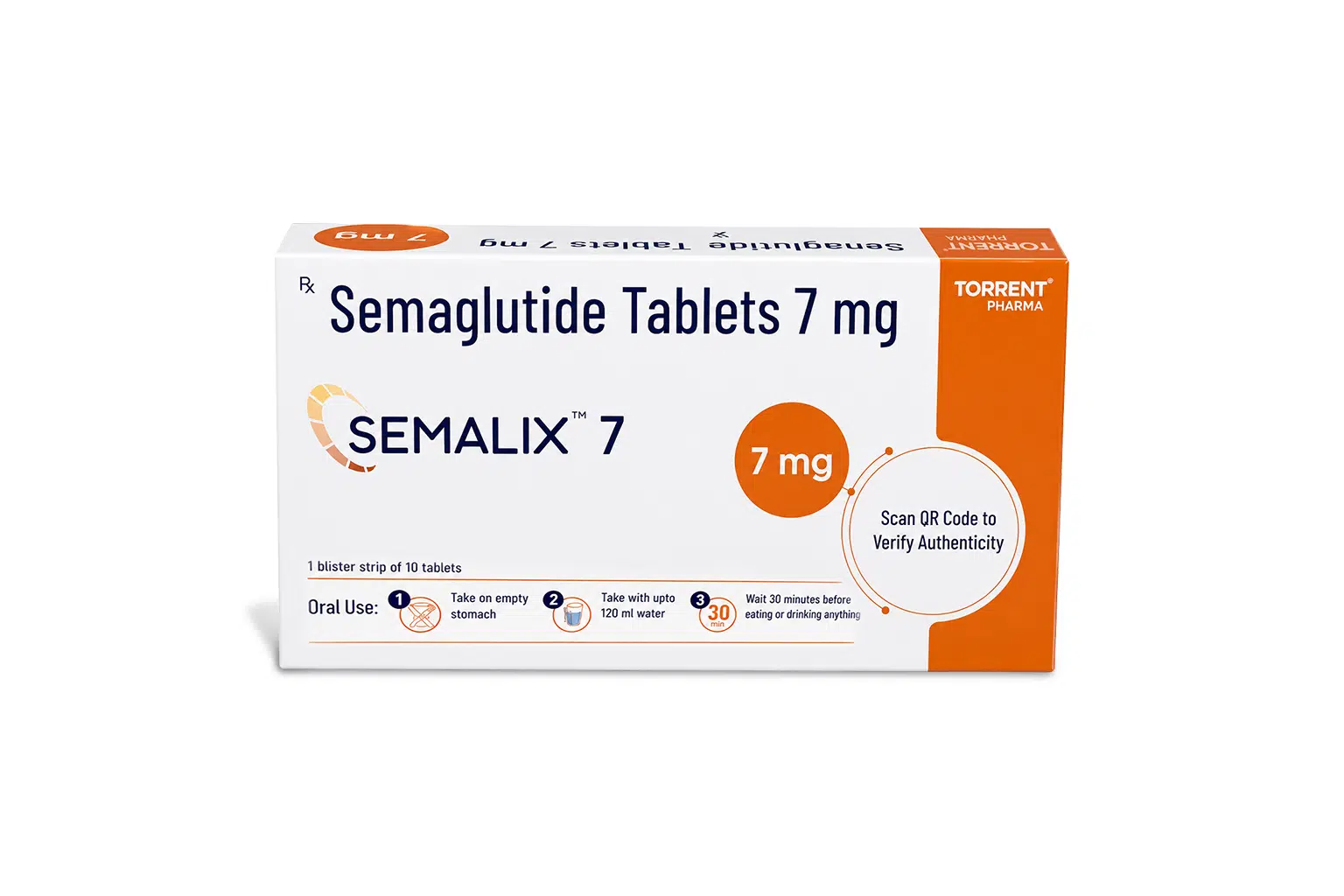
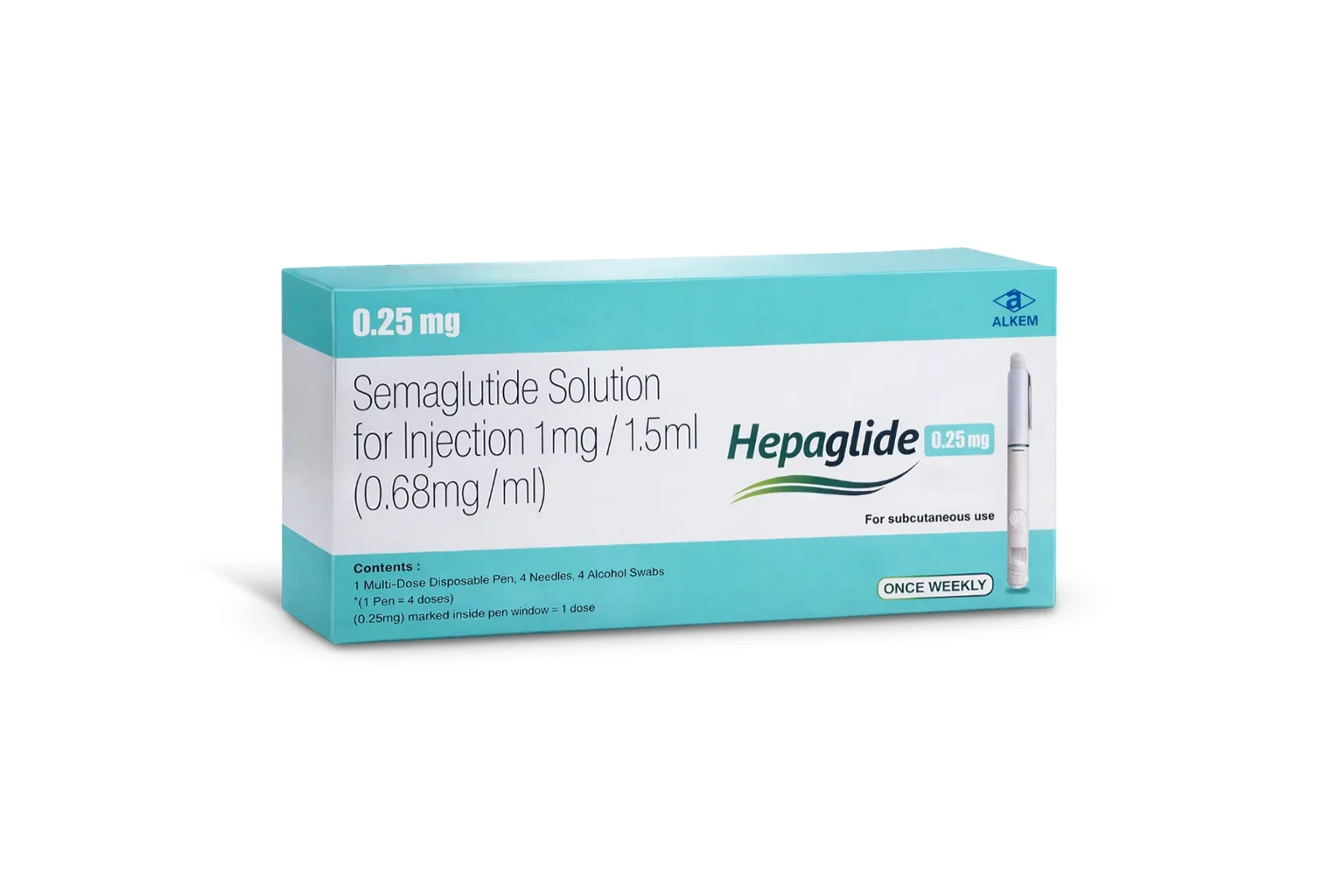
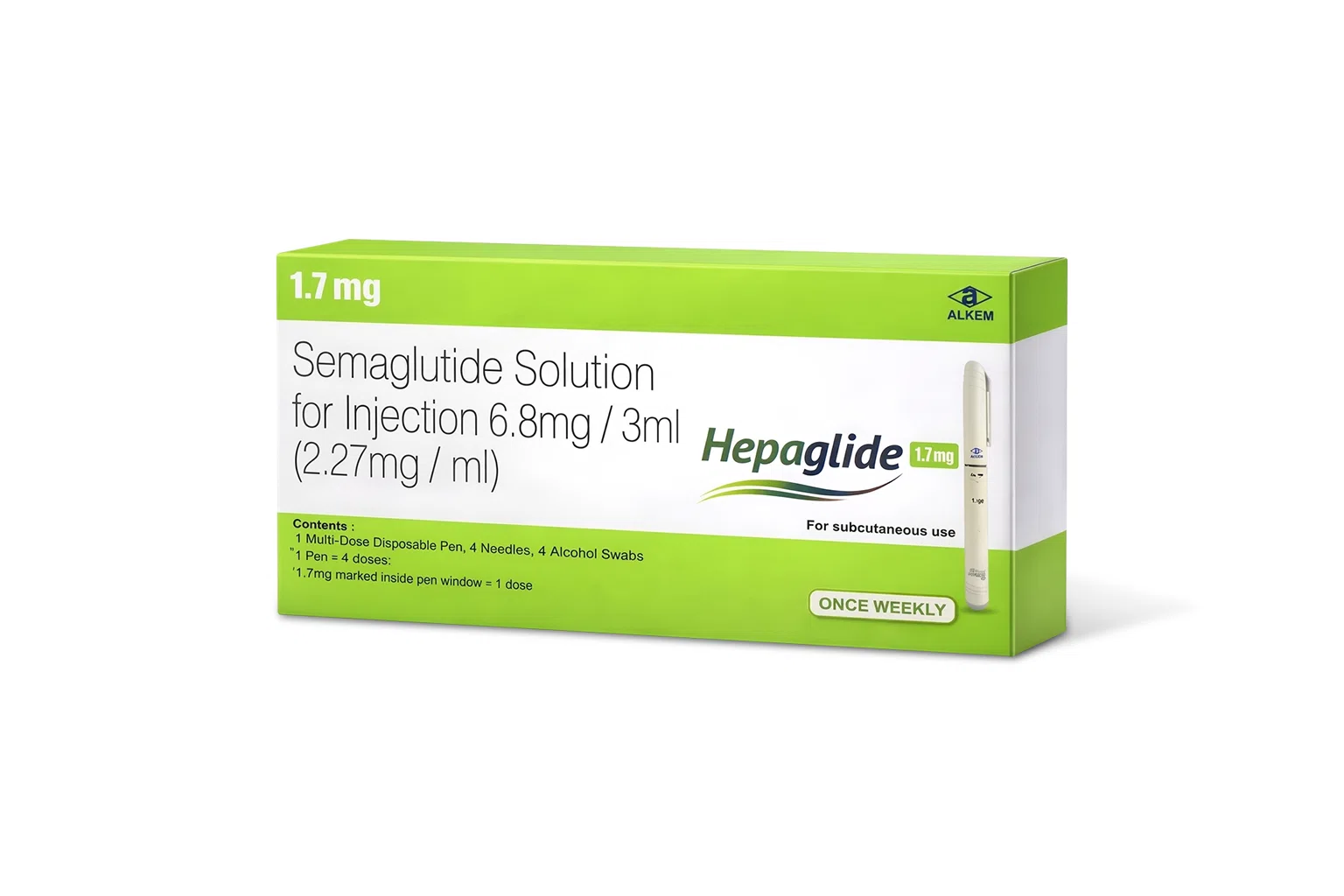
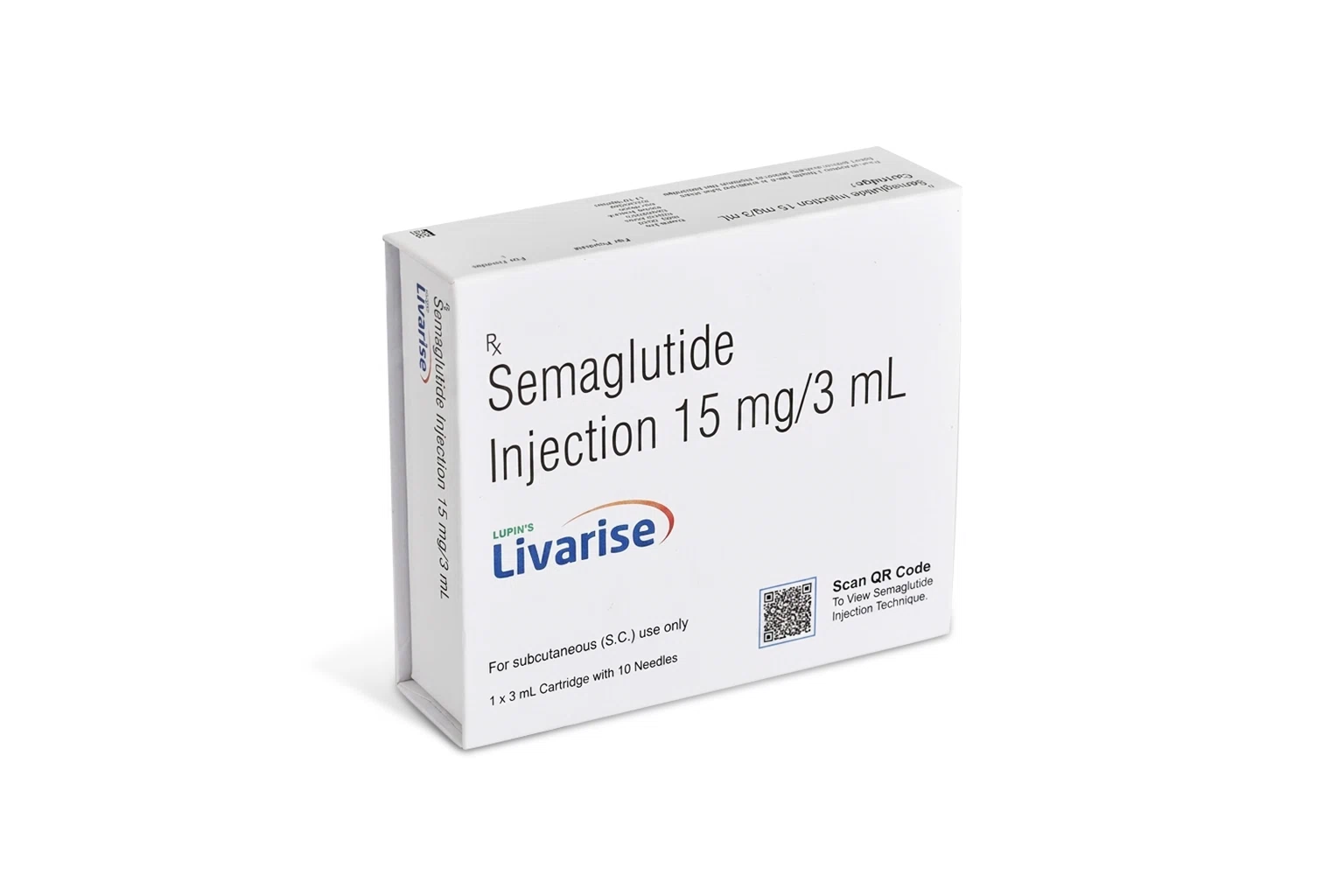
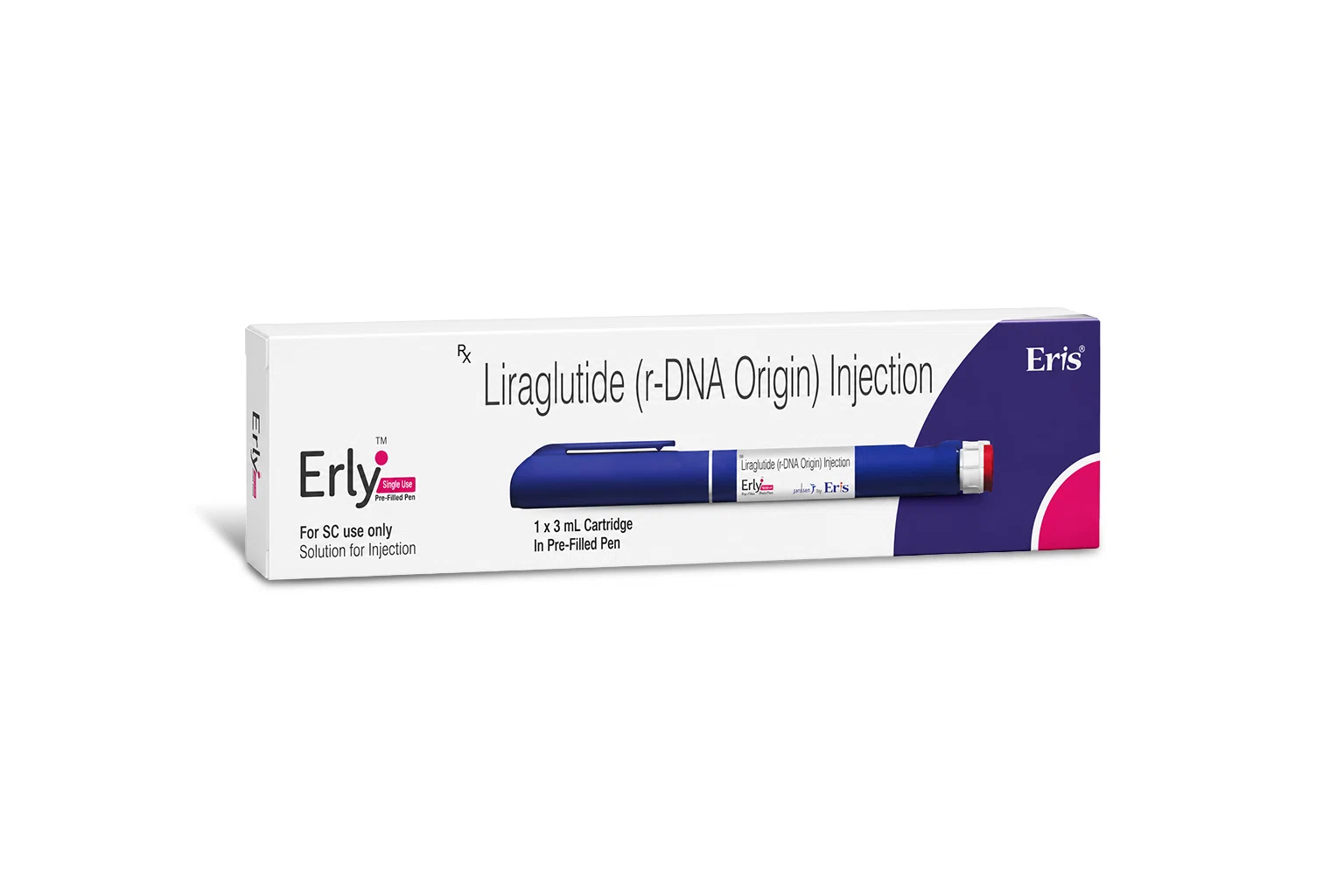
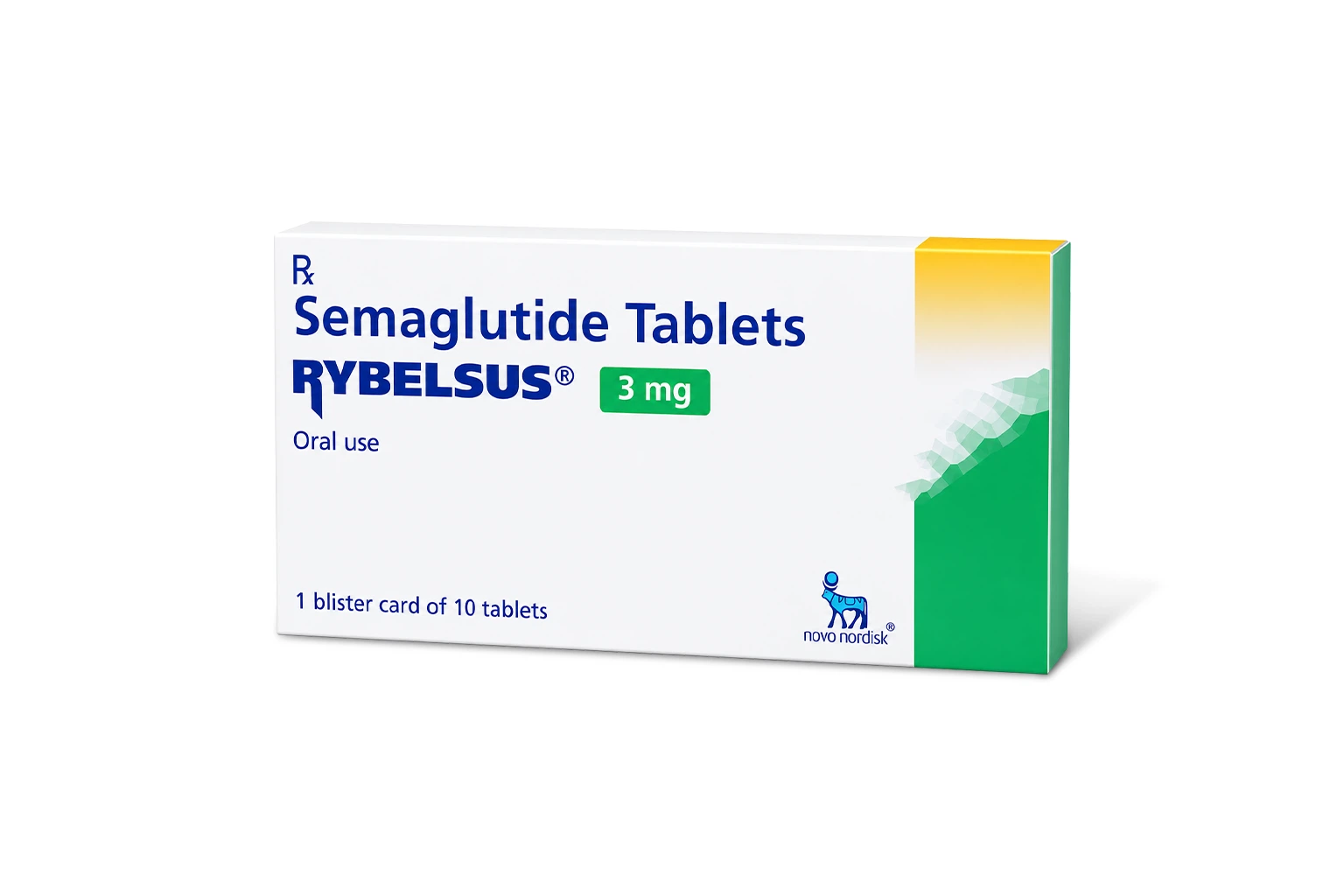
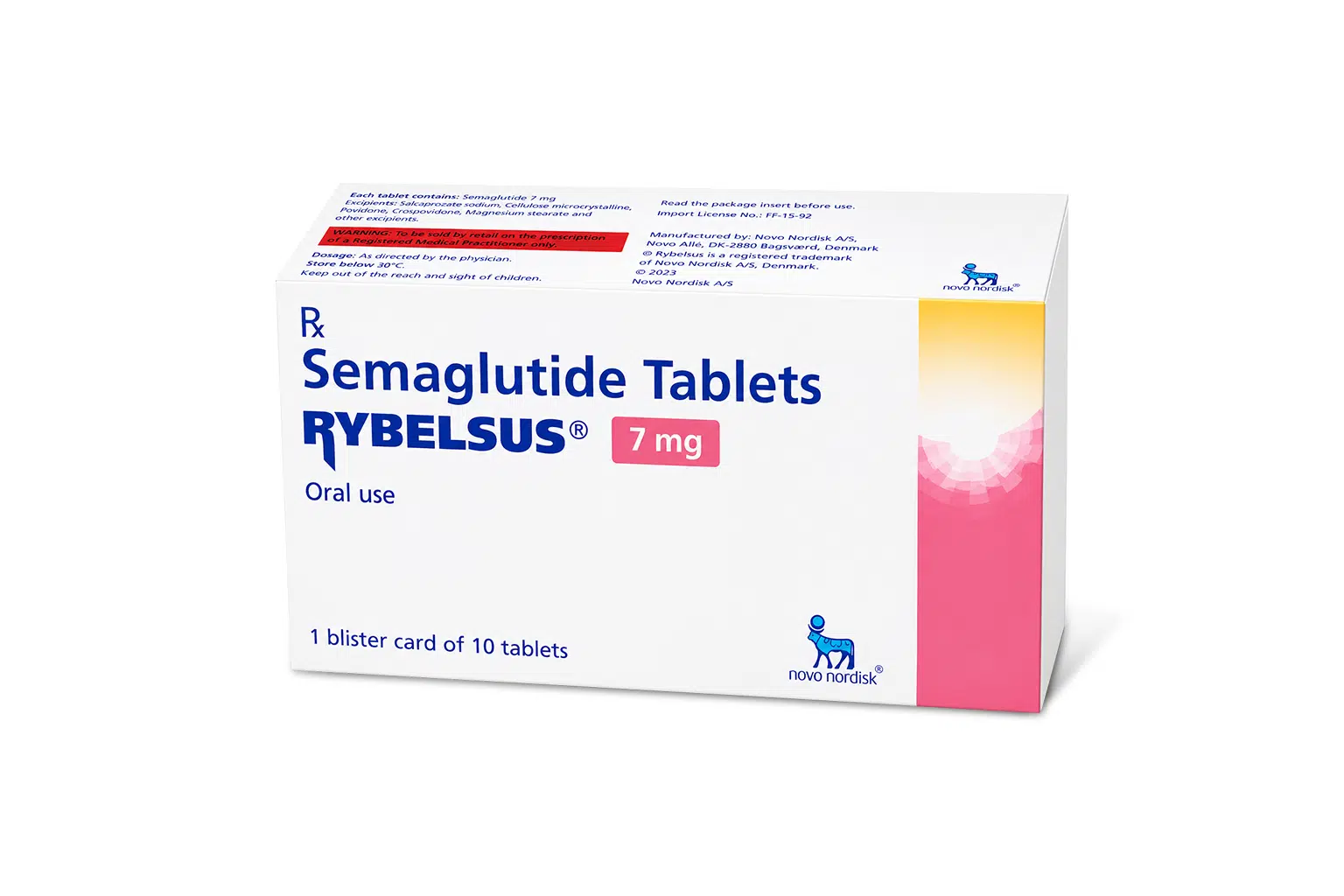
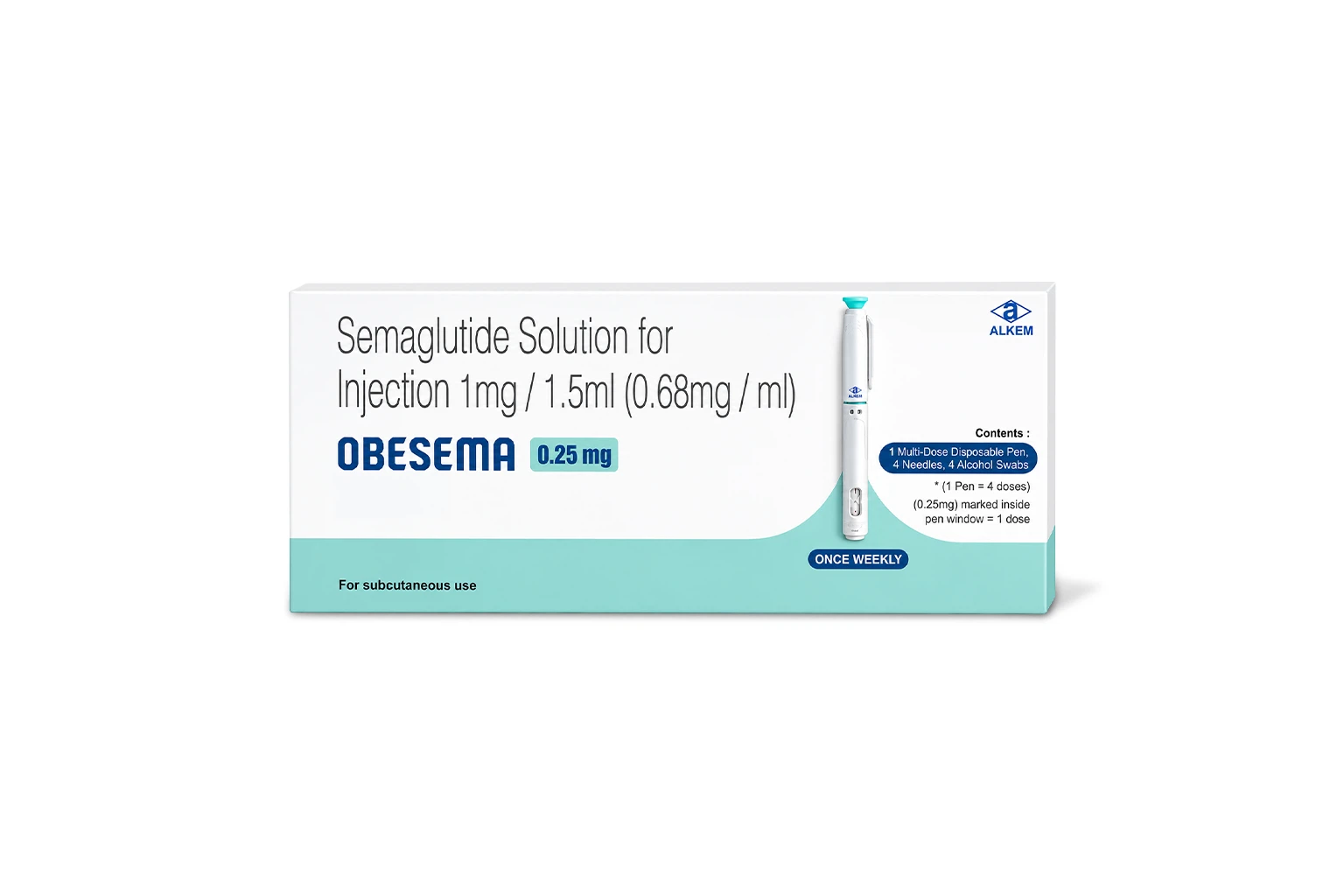
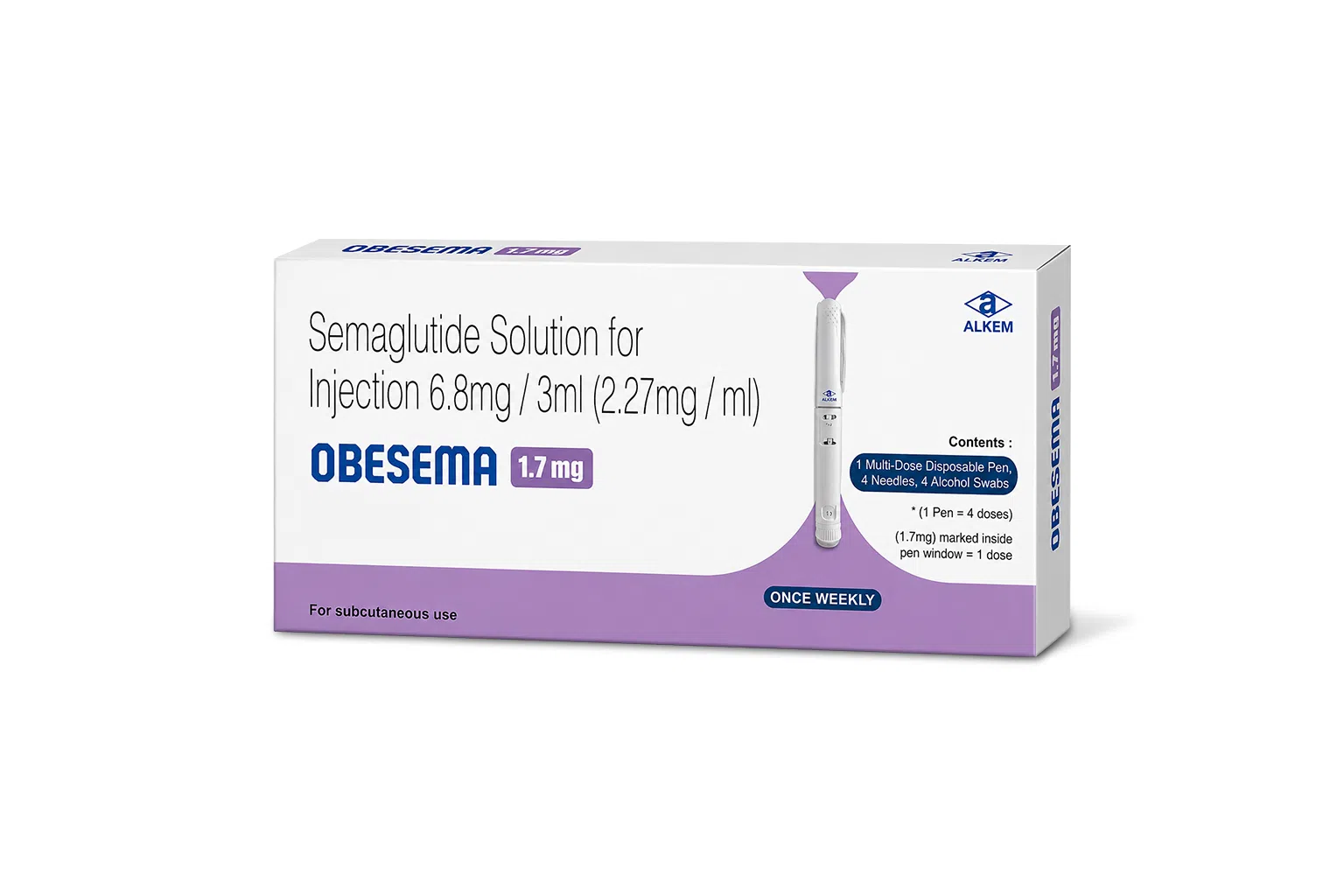
Quick clarification because people mix terms up constantly “GLP-1 inhibitors” isn’t really the accurate phrase for the weight-loss drugs everyone’s discussing. The medications people mean (semaglutide, liraglutide, tirzepatide) are agonists, not inhibitors; they activate the receptor rather than block it.
DPP-4 inhibitors are a separate but related class. DPP-4 is the enzyme that normally breaks down natural GLP-1 quickly in the body. So DPP-4 inhibitors work by blocking that breakdown, letting the body’s own GLP-1 hang around longer and do its job. It’s a slightly different mechanism than the injectable agonist drugs, milder in effect usually, and used more specifically for blood sugar control rather than significant weight loss.
GLP-1 injection sites
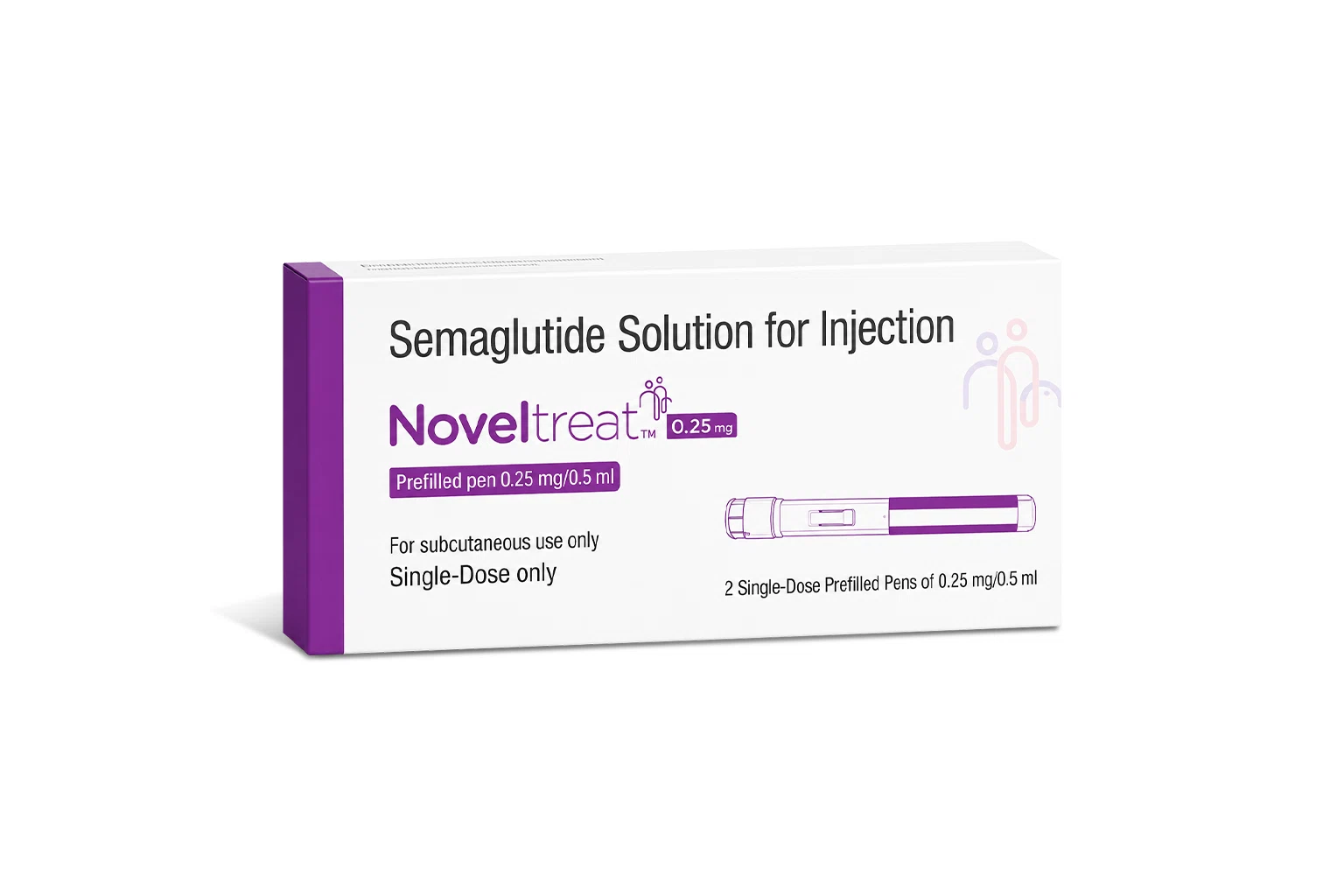
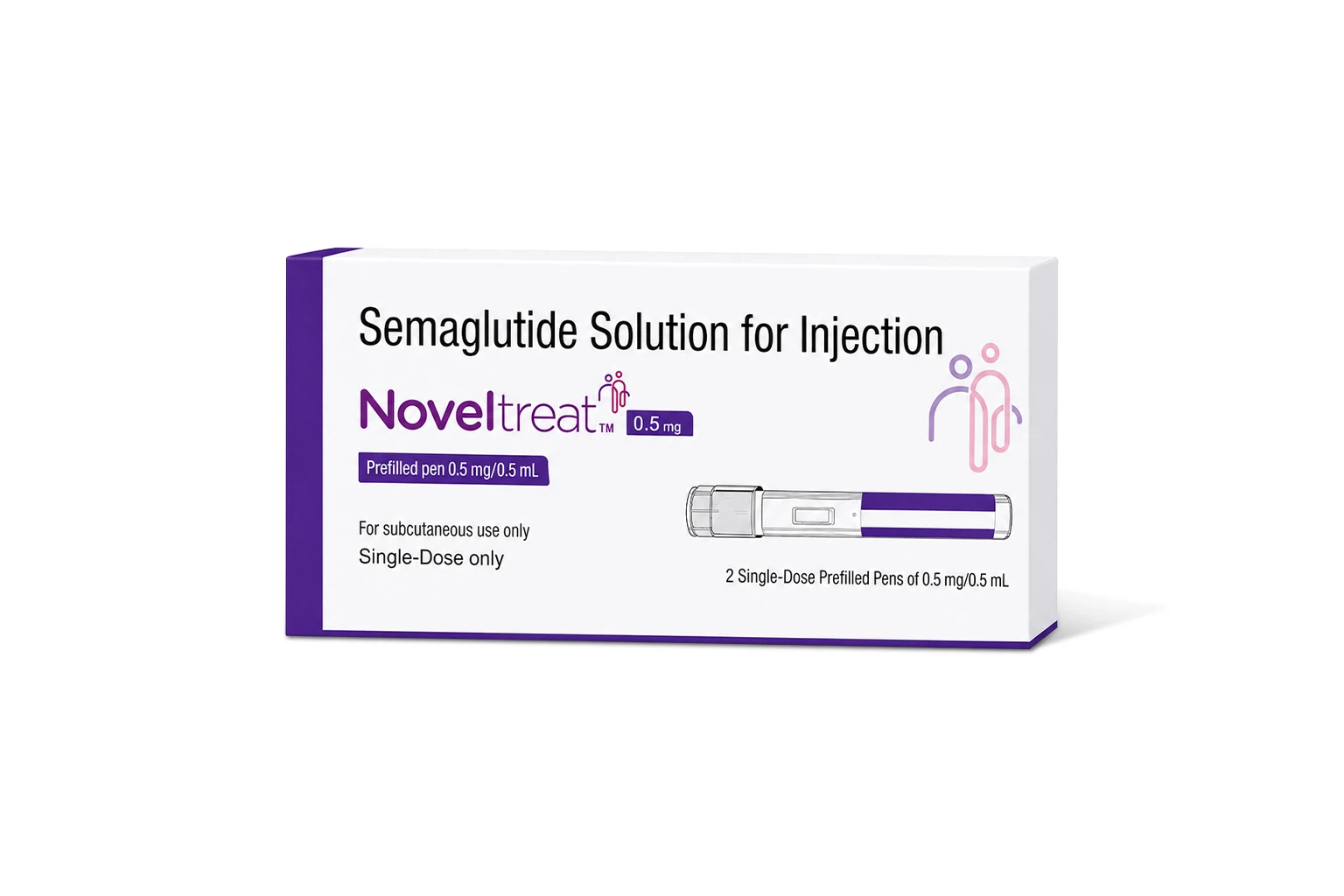
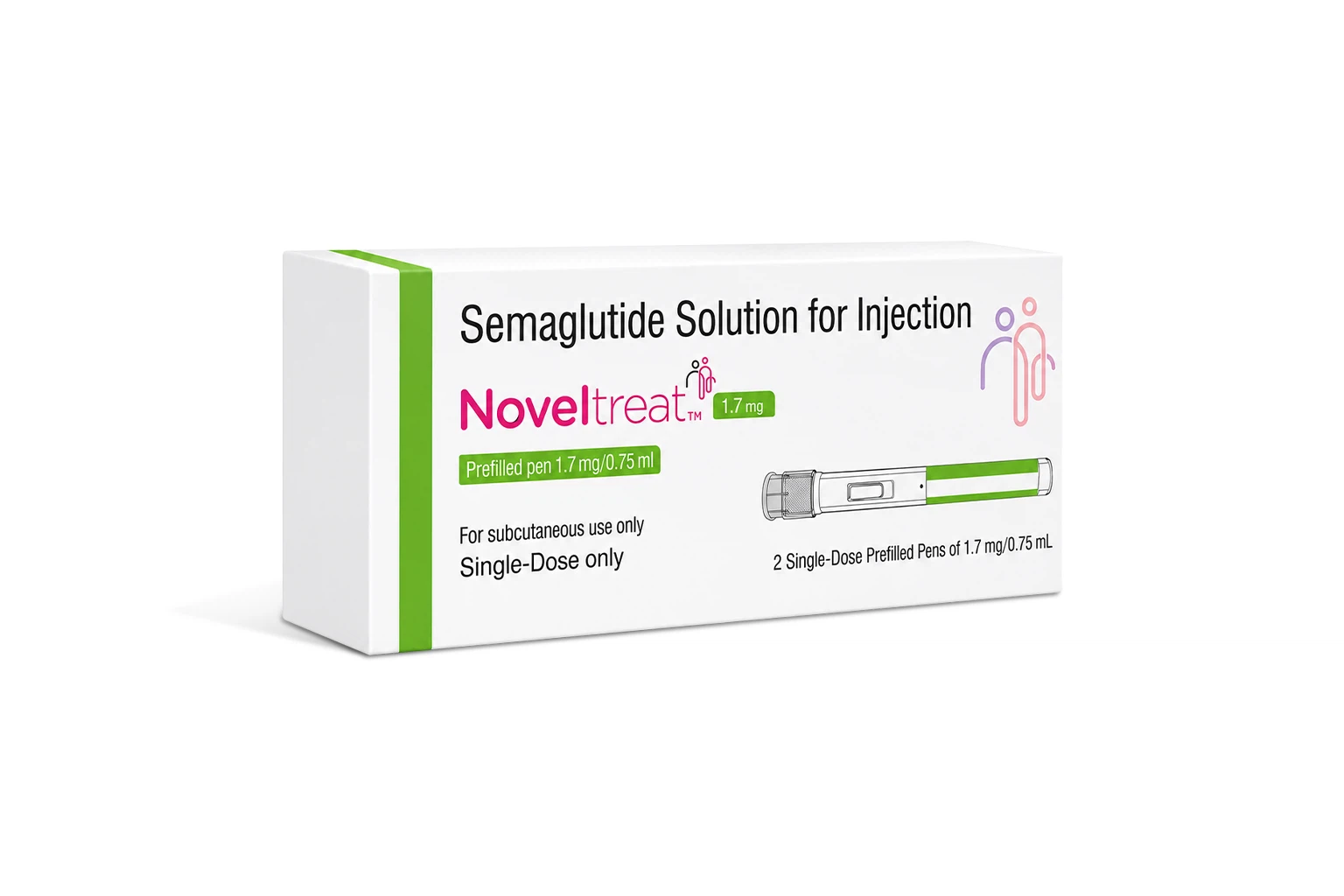
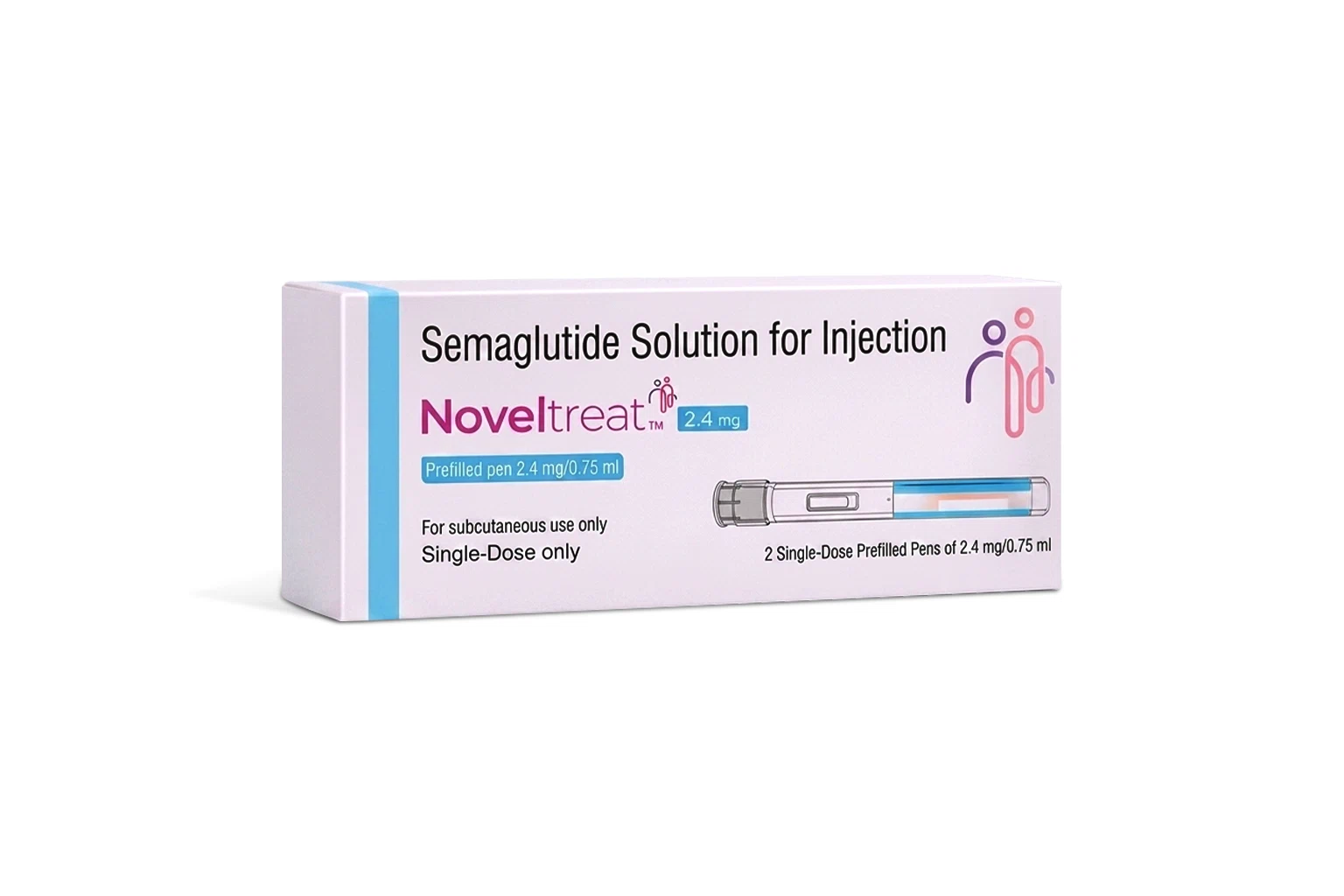
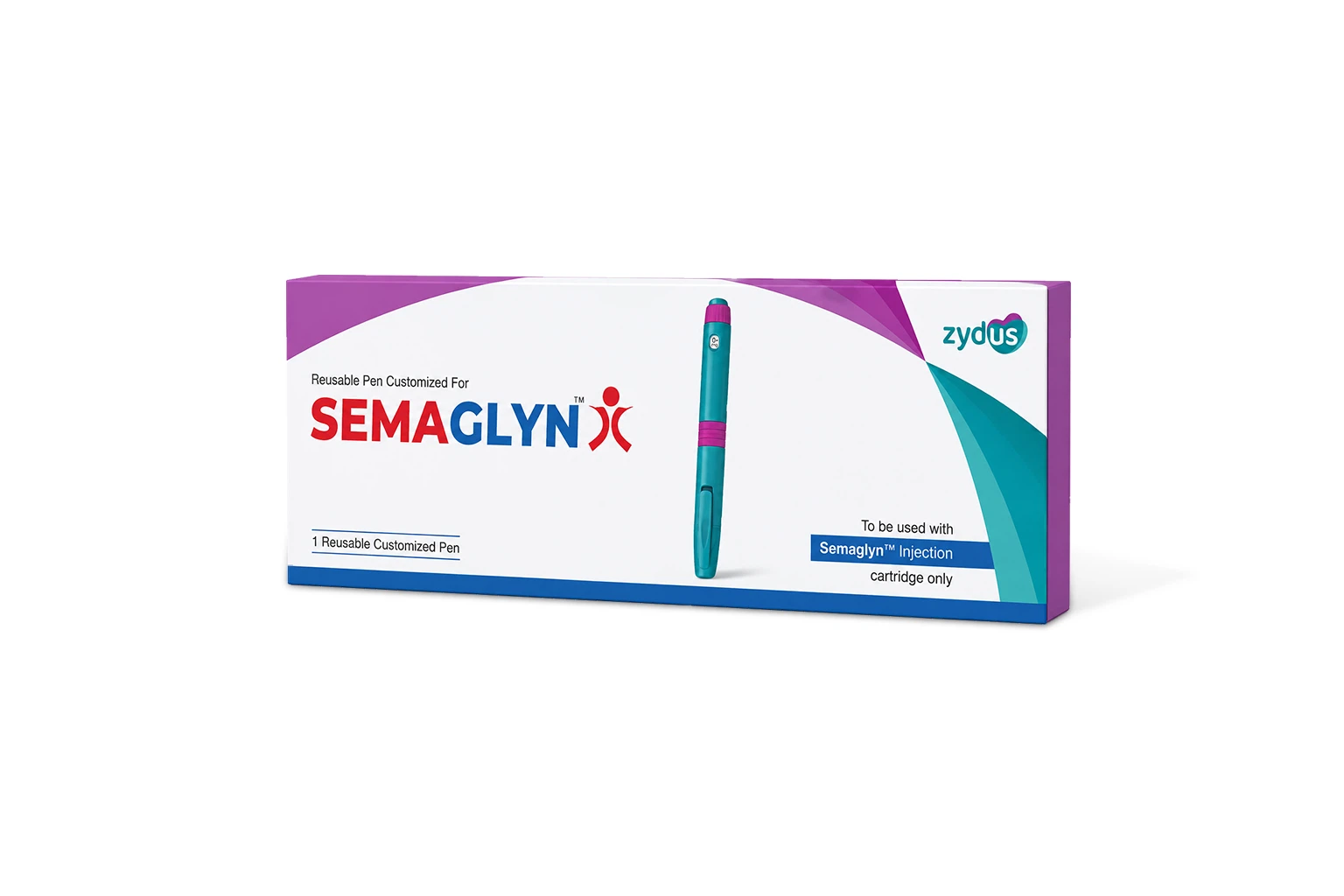
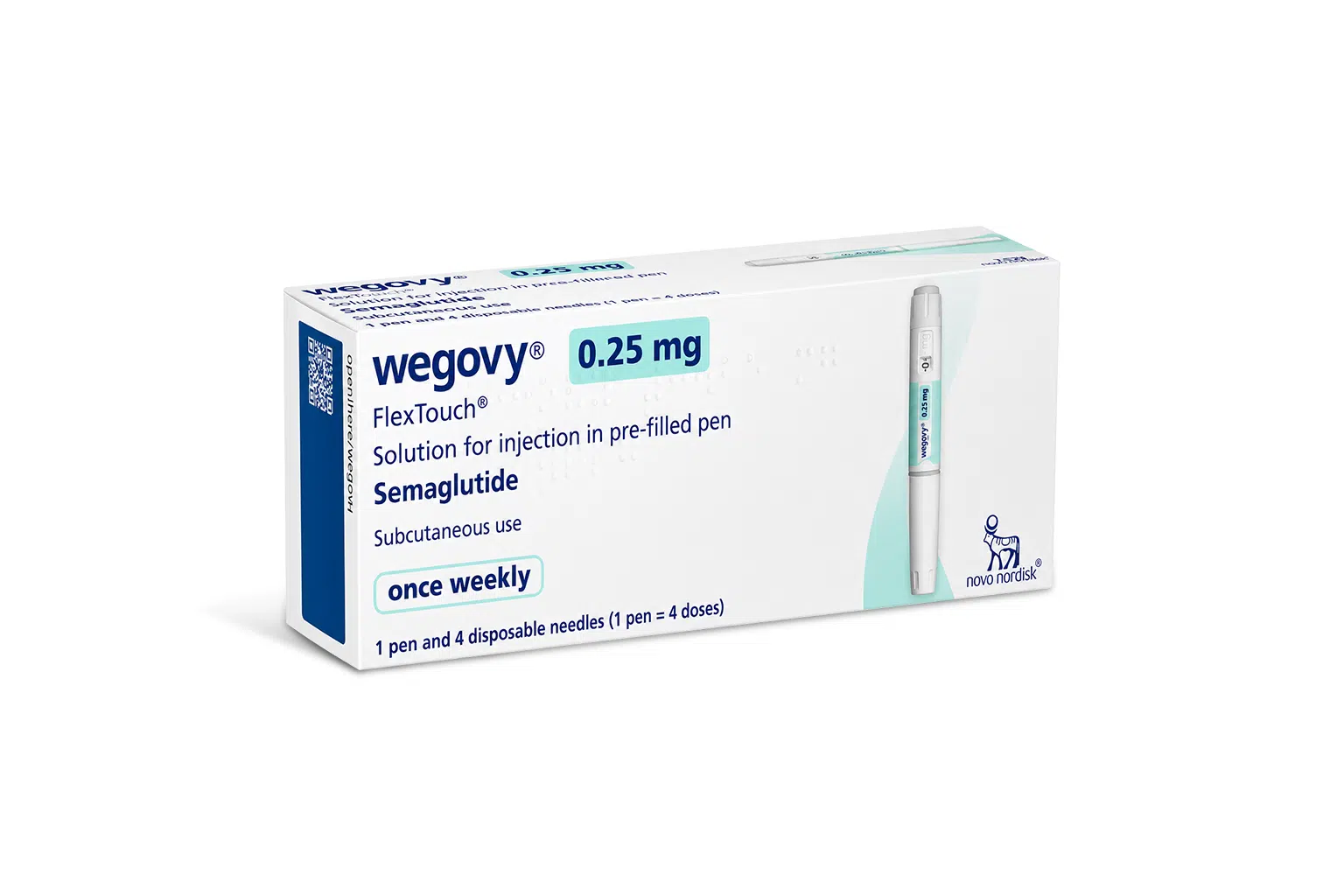
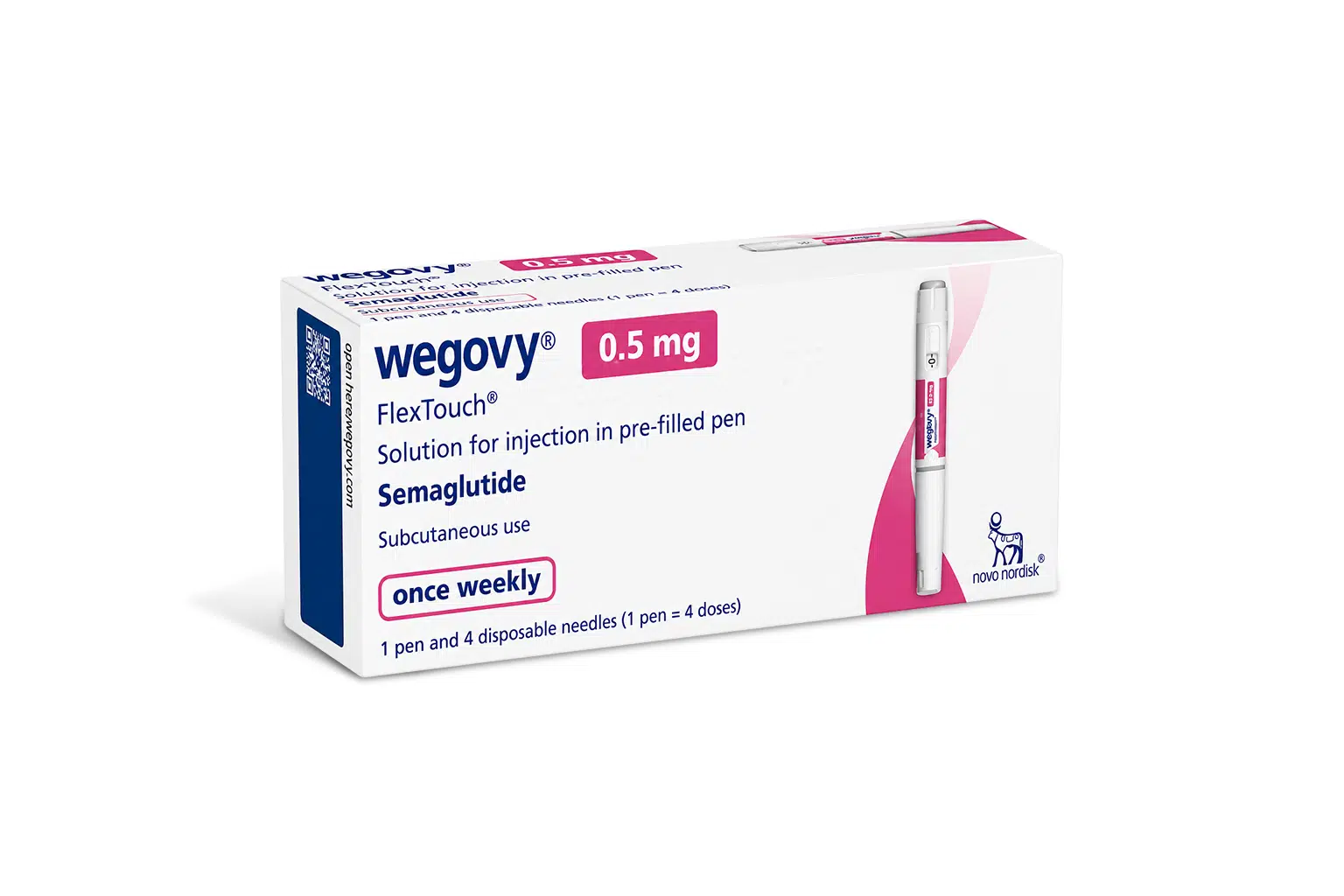
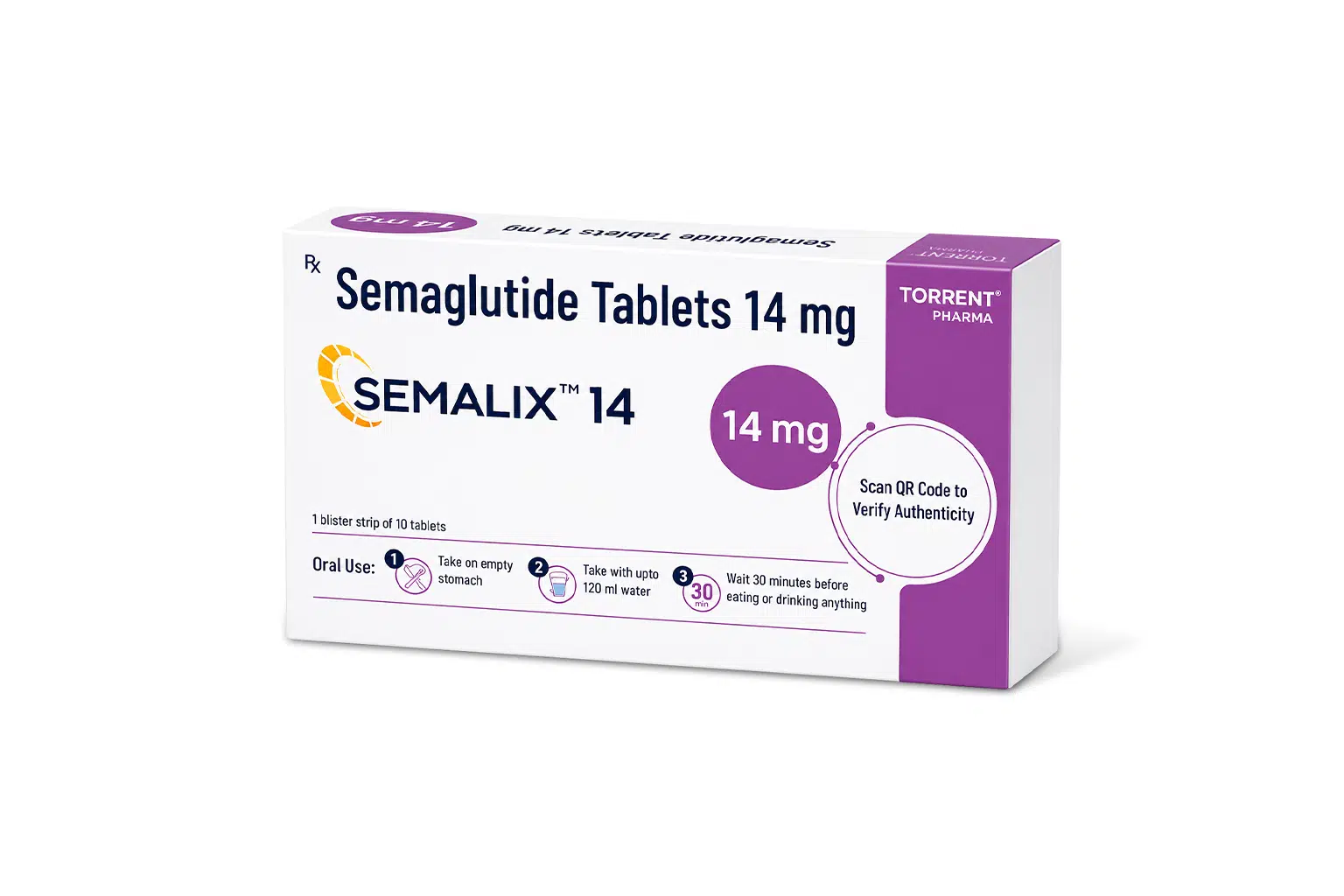
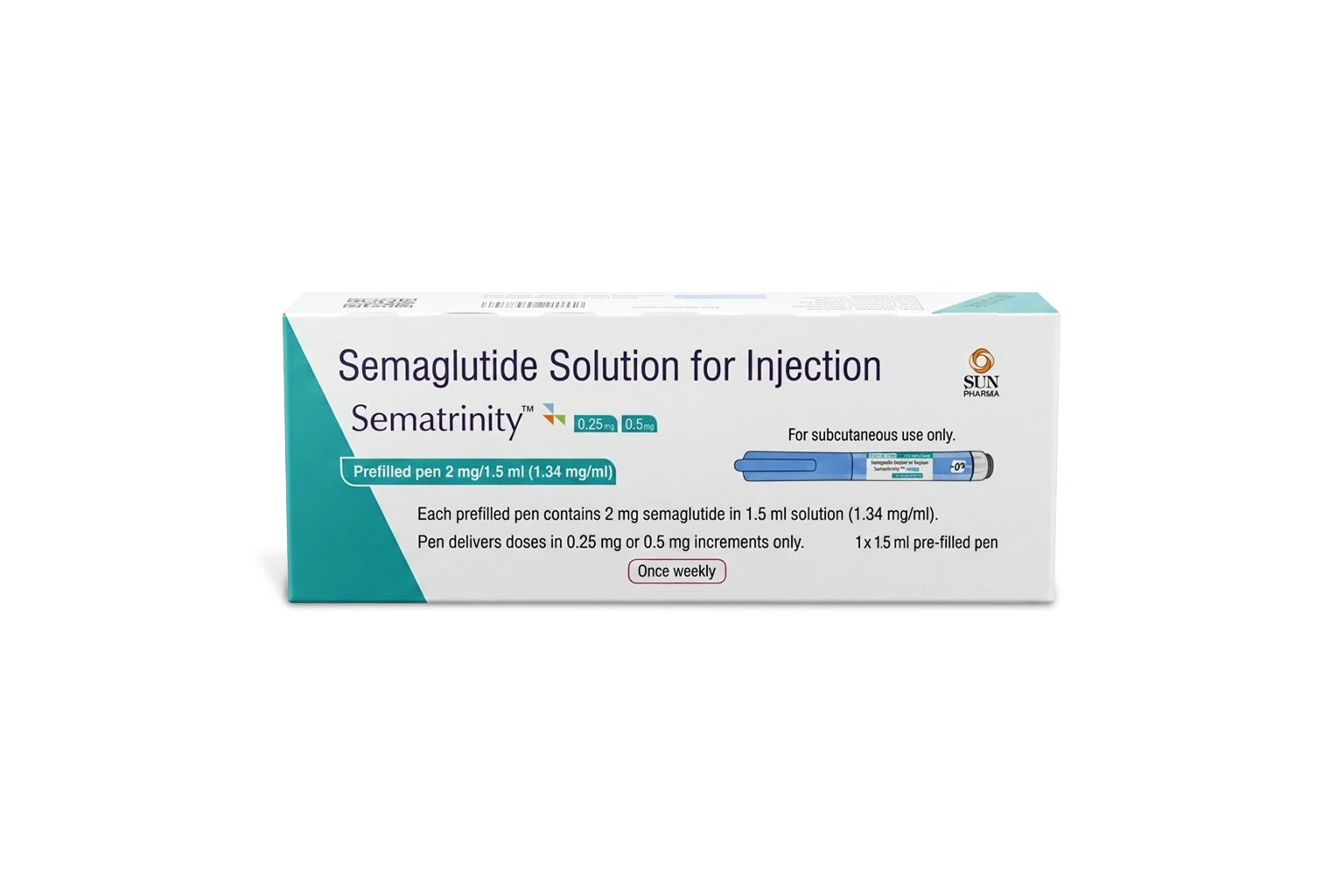
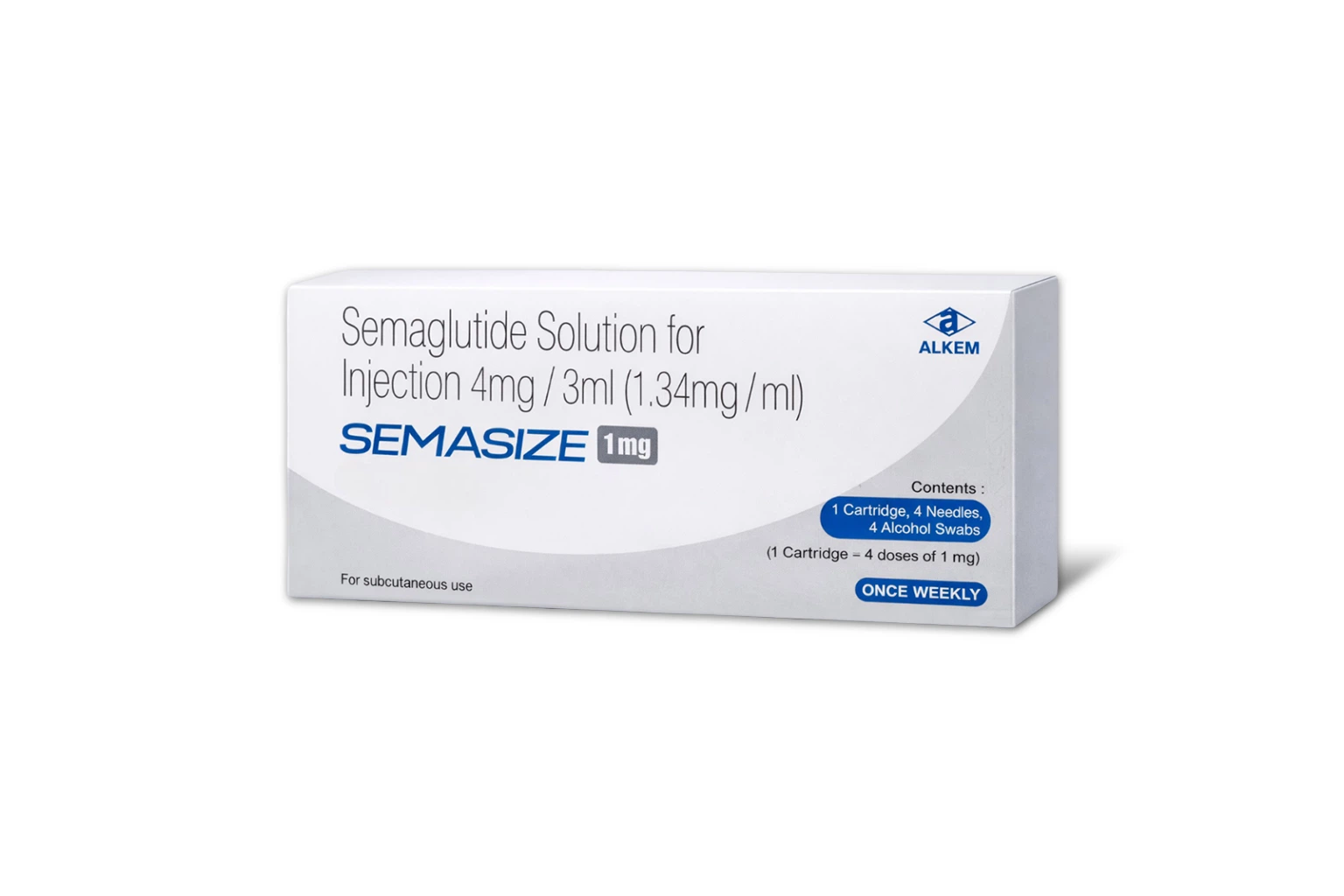
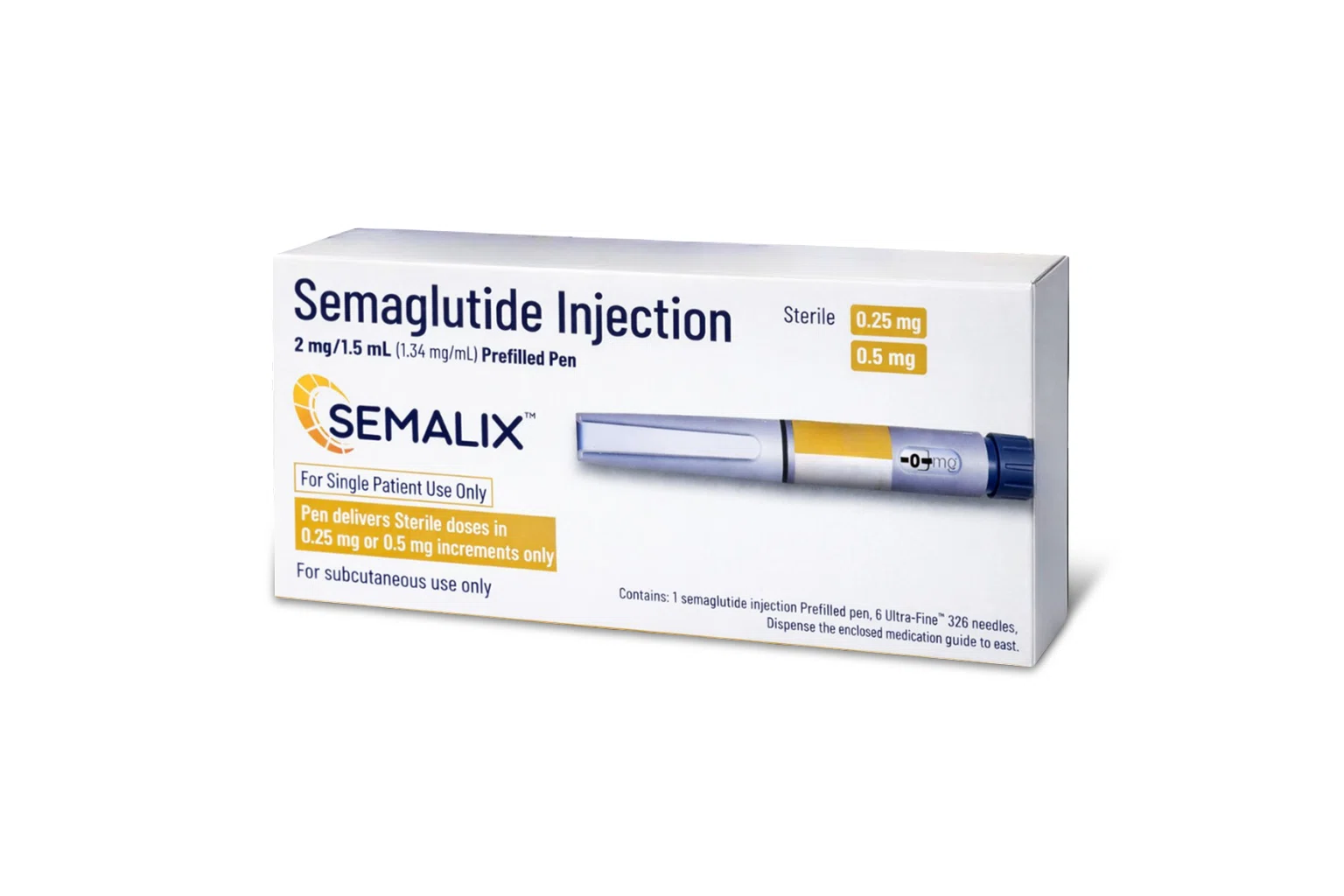
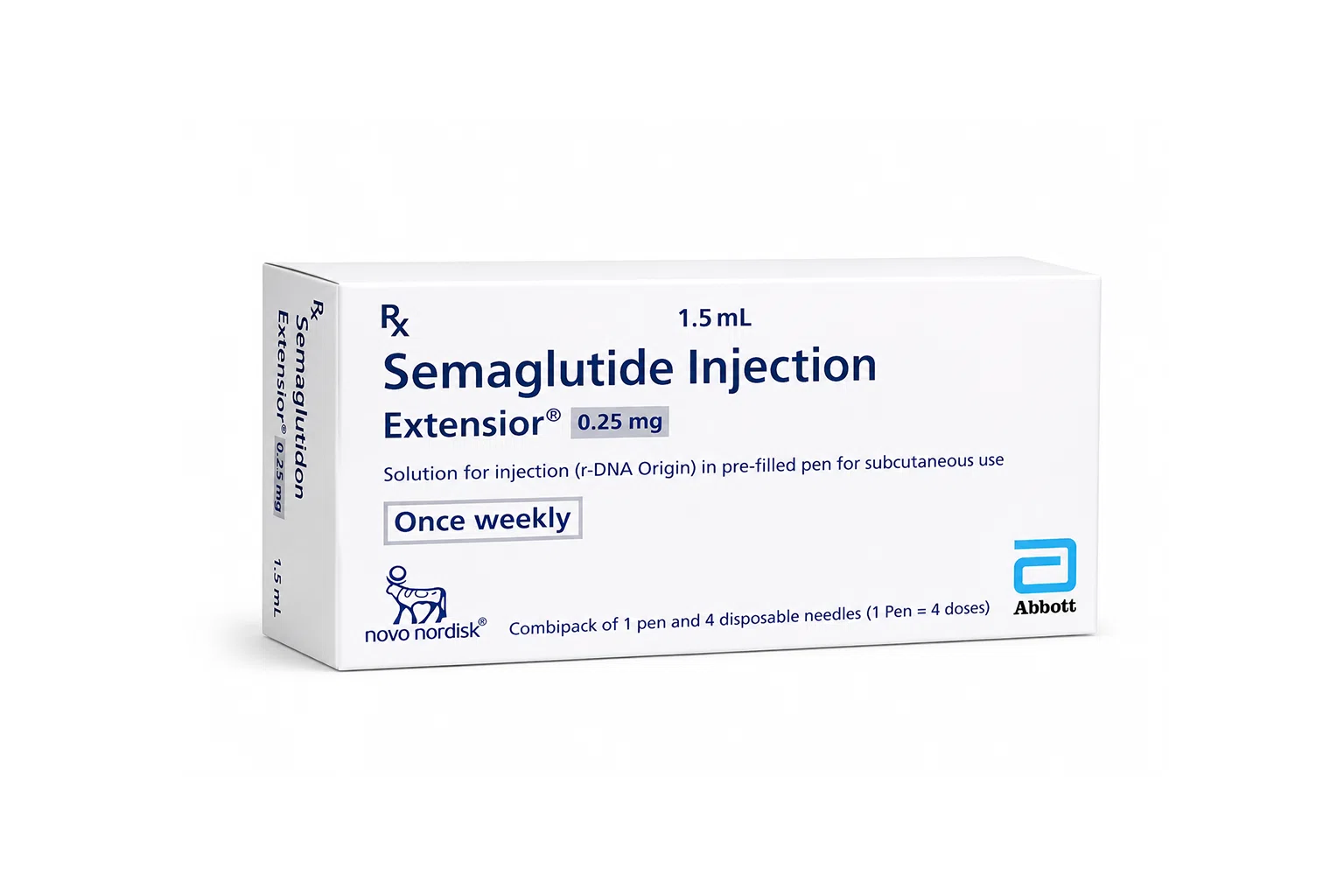
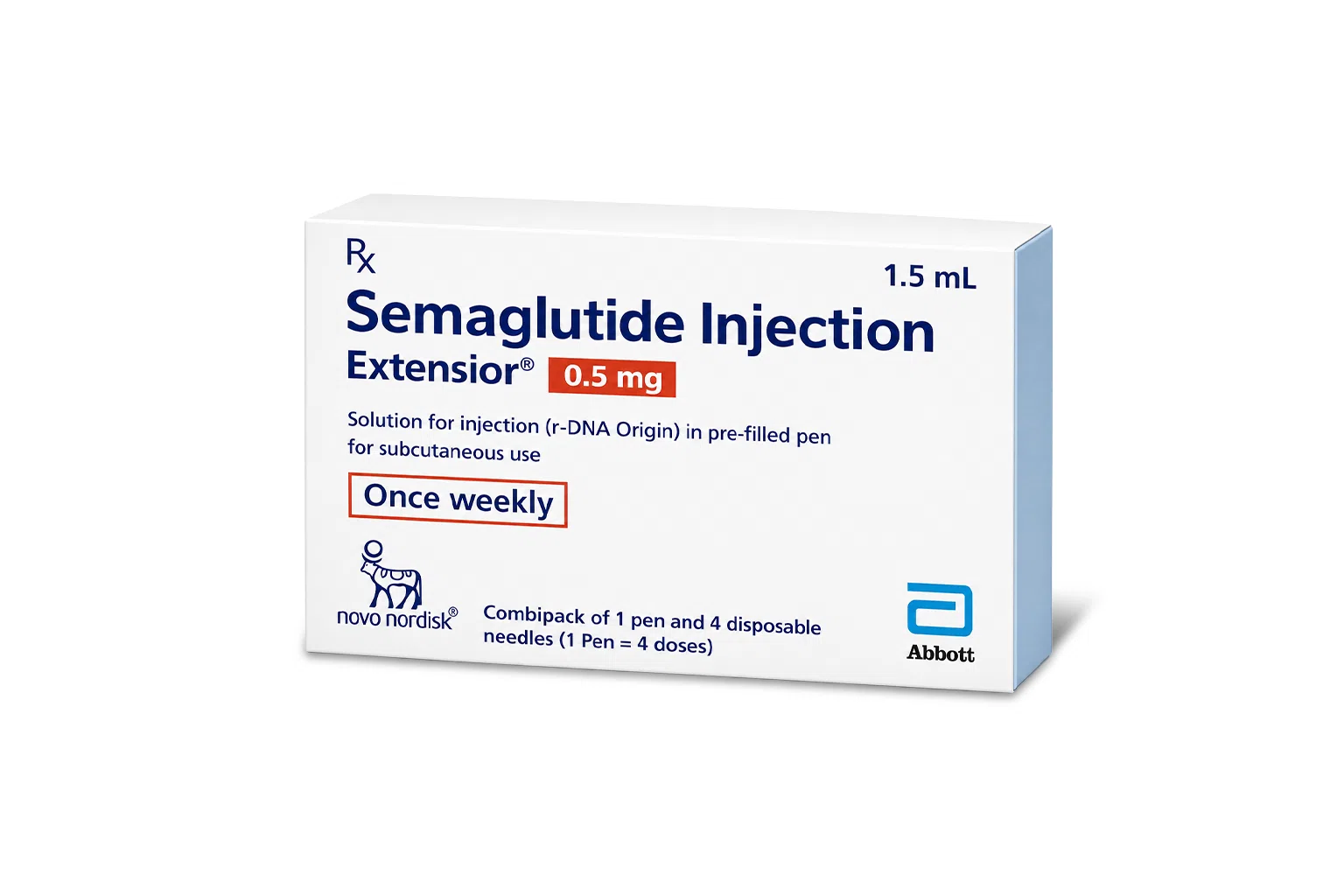
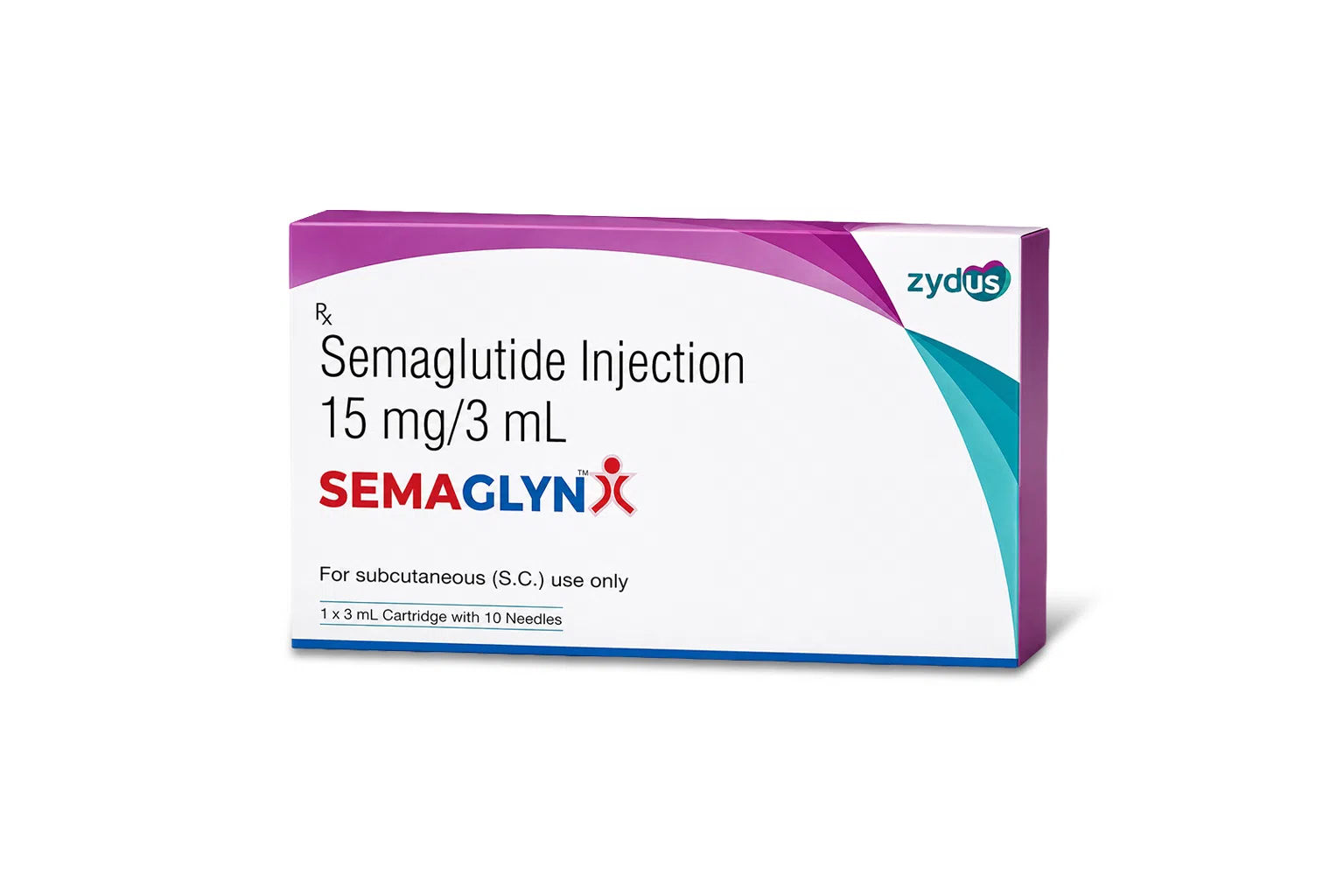
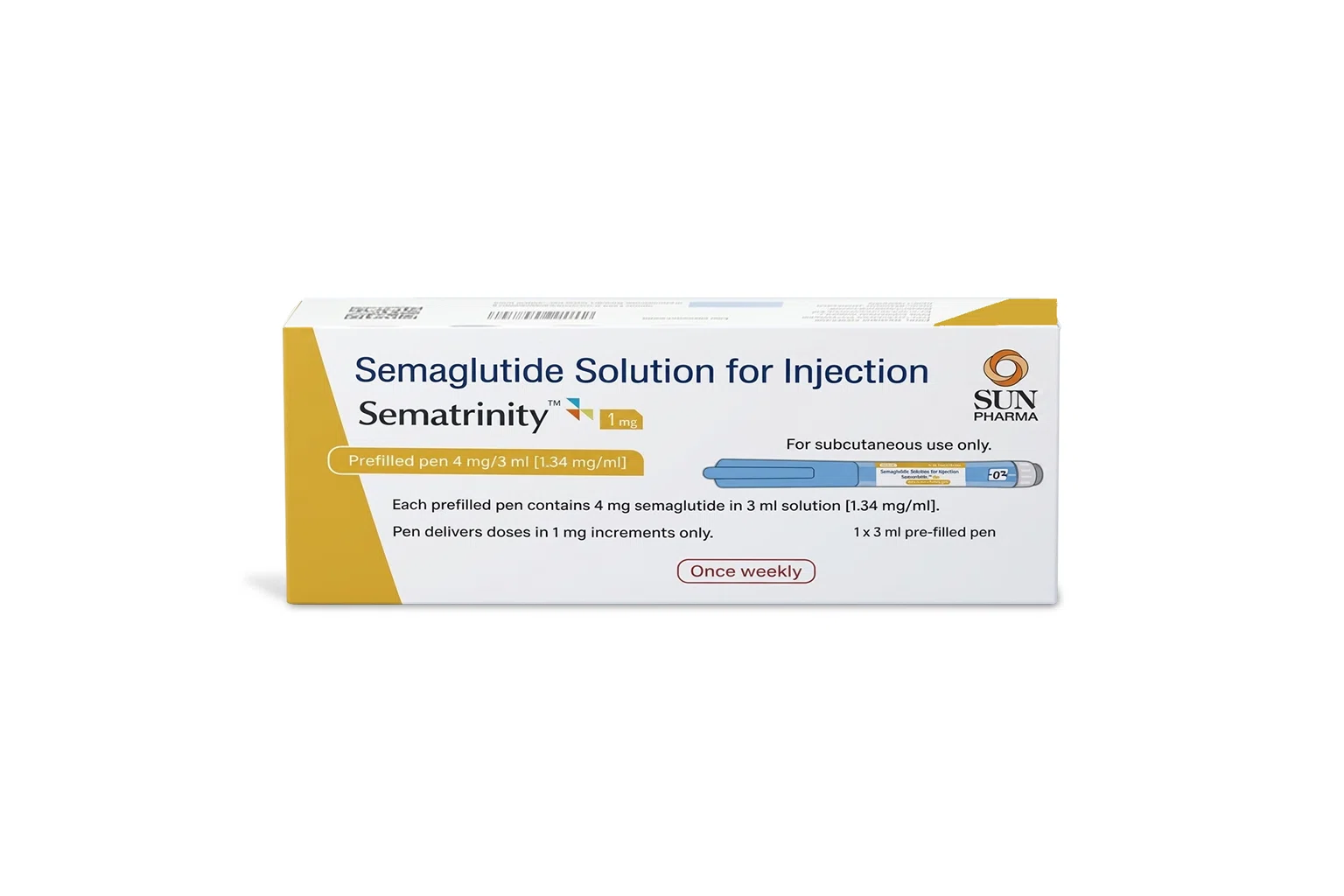
Most GLP-1 medications on the market right now come as injections, usually once a week, sometimes daily depending on the drug. The common injection sites are:
- The abdomen, avoiding about a two-inch radius around the belly button.
- The front of the thigh.
- The back of the upper arm, though that one’s trickier to do yourself, so it’s often used when someone else is administering it.
Rotating sites matters more than people realize. Using the same spot over and over can cause lipohypertrophy (lumpy or thickened tissue under the skin) which can also mess with how well the medication absorbs. So rotating between abdomen, thigh, and arm, or even just shifting the exact spot within the same general area each week, is generally recommended.
What are the common side effects of GLP-1 medications?
Side effects vary drug to drug and person to person, but the ones that show up again and again in studies and patient reports are:
- Nausea is probably the most talked-about one, especially in the first few weeks or right after a dose increase.
- Diarrhea or, on the flip side, constipation. Sometimes both at different points, which is annoying but apparently common.
- Bloating and general stomach discomfort.
- Reduced appetite, which is obviously the intended effect but can tip into “I genuinely don’t want to eat” territory for some people, which isn’t great either.
- Fatigue, though this one’s less consistently reported.
- Occasionally headaches.
Rare but more serious risks include pancreatitis and gallbladder issues, and there’s an FDA boxed warning tied to thyroid tumors based on animal studies this doesn’t mean it happens in humans, the data there is still debated, but it’s why physicians ask about family history of certain thyroid cancers before prescribing.
Most of the milder side effects tend to ease off after the body adjusts, usually a few weeks in, though for some people it just… doesn’t fully go away, and that’s when adjustments come into play. GLP-1 medications are not something to start or stop without medical supervision, dosage titration is deliberately slow for a reason.
Who typically gets prescribed GLP-1 medications?
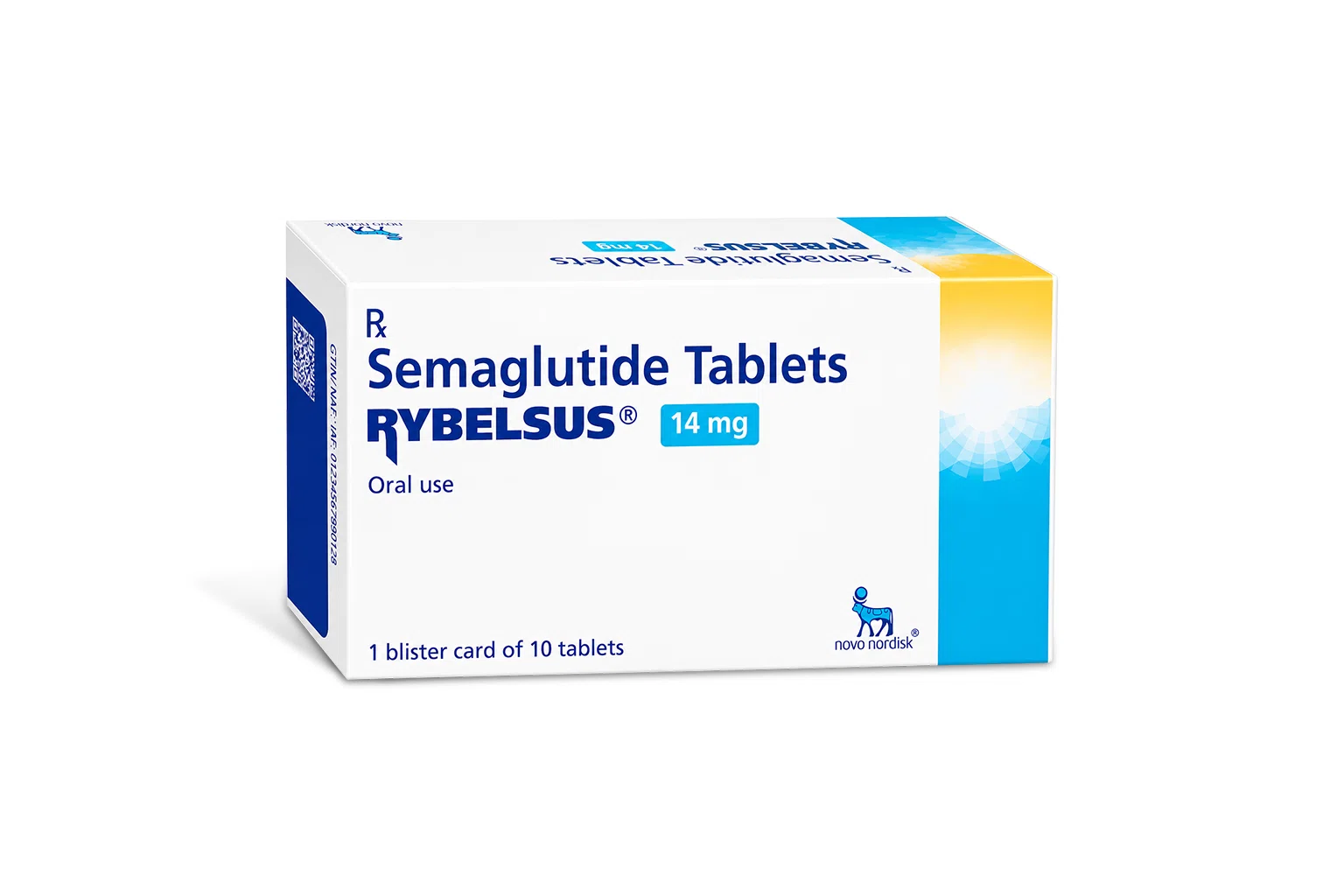
Originally this class was for type 2 diabetes management. Over the last few years, the weight-loss application got FDA approval too, under different brand names even though the active drug is sometimes literally the same molecule (semaglutide under Ozempic vs Wegovy is the most obvious example).
physicians generally look at BMI thresholds, existing conditions like prediabetes or cardiovascular risk factors, and whether lifestyle changes alone haven’t moved the needle. It’s not usually a first-line option for someone who just wants to lose a bit of weight for cosmetic reasons at least it’s not supposed to be, though off-label prescribing does happen more than people probably assume.
A random but important point-this isn’t a shortcut
People sometimes talk about GLP-1 medications like they replace diet and exercise entirely. They don’t, or at least that’s not how they’re designed to work. Most clinical trials paired the medication with some level of dietary counseling or lifestyle modification, and the weight tends to come back if the medication stops and nothing else changes. That’s not a guilt-trip, just how biology seems to play out based on the data so far.
Stopping GLP-1 medications abruptly isn’t typically dangerous the way stopping some other drugs can be, but appetite usually rebounds fairly quickly. Some people find that surprising, like the effect should just “stick,” but it doesn’t really work that way.
Closing thoughts
There’s still a lot researchers don’t fully understand about GLP-1 medications. What exists now is mostly a few years of real-world use plus the original diabetes trials going back further. So there’s reasonable confidence, but also reasonable caution, especially around long-term use in people without diabetes.
Anyway, that’s the rough map of it. Not everything, but enough to actually understand a conversation about GLP-1 without nodding along blindly.