
Having a baby changes a lot of things at home. Sleep, schedules, and who does what all shift quickly, and your relationship with your partner changes too. Many couples find that closeness takes a back seat for a while. If that’s where you are, it’s very common, and it usually gets better with time and a few simple steps. This guide explains why intimacy after kids changes, what’s going on in your body, and what helps you reconnect at a comfortable pace.
Why Intimacy After Kids Changes
The most obvious reason is tiredness. Broken sleep affects mood, patience, and desire for both parents. But hormones play a part too. After birth, estrogen falls, and breastfeeding keeps it lower for longer. That can cause vaginal dryness and a quieter sex drive after childbirth. Prolactin, the hormone that supports milk production, can also lower desire.
Another detail that often gets missed is touch fatigue. After a day of holding, feeding, and carrying a baby, many mothers simply want some space. It isn’t a sign of less love. Partners change too. Studies suggest testosterone often dips in new fathers, and about one in ten fathers experience low mood after a baby arrives. These shifts are normal, and they’re usually temporary.
Changes In Intimacy after kids
Beyond hormones, everyday life changes the way couples connect. Here’s what many people notice:
- Less spontaneity, because sex now has to fit around naps and feeding times
- Different feelings about the body after pregnancy or birth
- Talks that focus on tasks and schedules instead of each other
- Low libido after pregnancy for some mothers, and tiredness related changes in desire or erections for some fathers
- Concern about another pregnancy, since fertility can return before the first period
None of this means something is wrong with your relationship. It means your routine has changed, and your connection needs a little time to catch up.
Redefine Intimacy: It’s More Than Sex
It helps to widen the meaning of closeness. Intimacy after kids often rebuilds through small, regular moments instead of big ones. A hug, a kind message, or taking the baby so your partner can have a shower all count.
Postpartum intimacy usually includes a few different types:
- Emotional: feeling heard and supported
- Physical, but not sexual: holding hands, cuddling, a back rub
- Practical: sharing night duties fairly
- Playful: inside jokes and light moments
Many therapists find that emotional closeness often comes before desire, especially for new mothers. So starting there isn’t a detour. It’s usually the most reliable path.
Best Seller

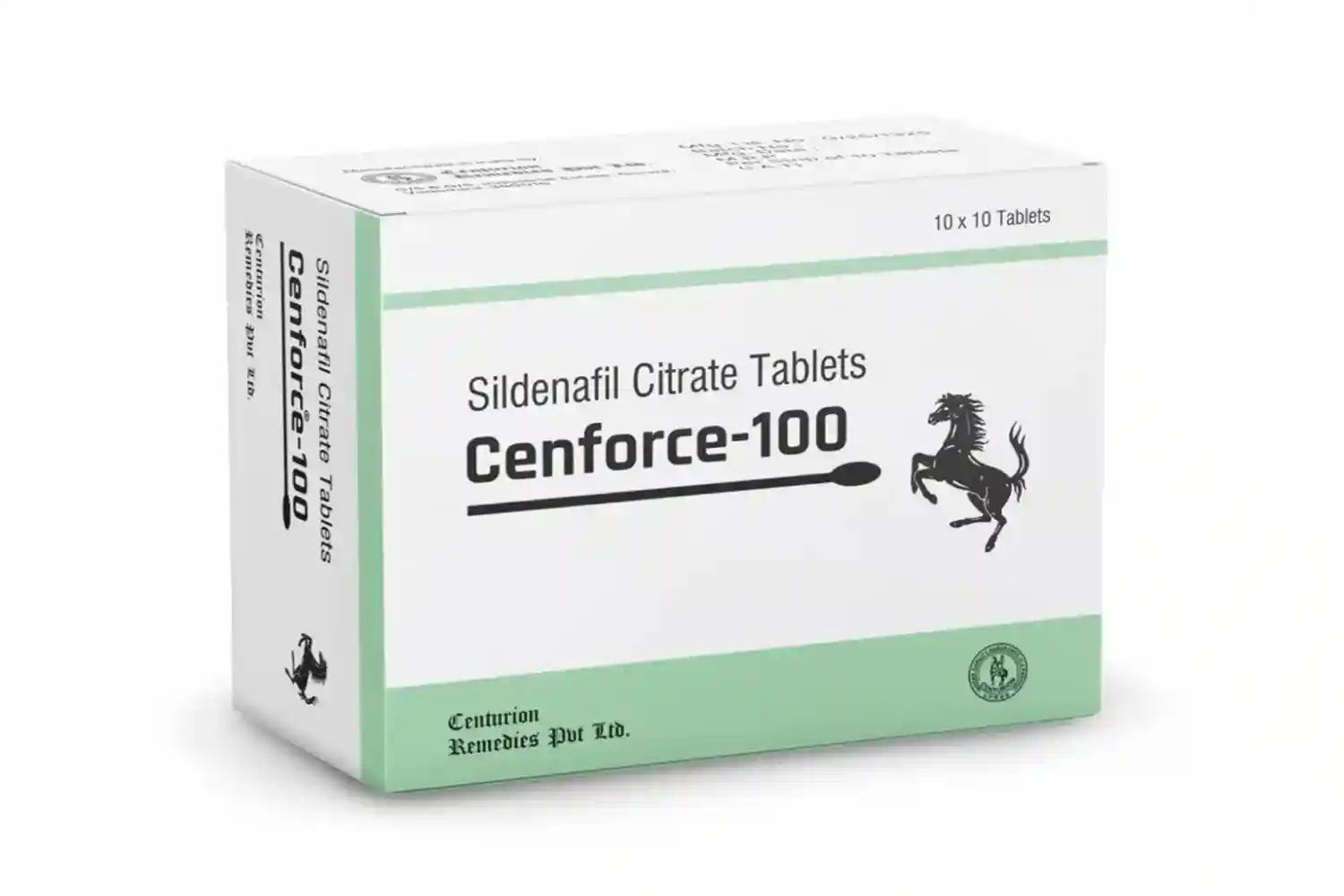
Cenforce 100 Mg
Cenforce$24.00 – $215.00Price range: $24.00 through $215.00Rated 5.00 out of 5Shop Now This product has multiple variants. The options may be chosen on the product page
Vidalista 5 Mg
best sellers$18.00 – $182.00Price range: $18.00 through $182.00Rated 4.00 out of 5Shop Now This product has multiple variants. The options may be chosen on the product pageVidalista 40 Mg
Best Seller$28.00 – $276.00Price range: $28.00 through $276.00Rated 4.00 out of 5Shop Now This product has multiple variants. The options may be chosen on the product page
Cenforce 200 Mg
best sellers$31.00 – $335.00Price range: $31.00 through $335.00Rated 4.50 out of 5Shop Now This product has multiple variants. The options may be chosen on the product pageCenforce Fm
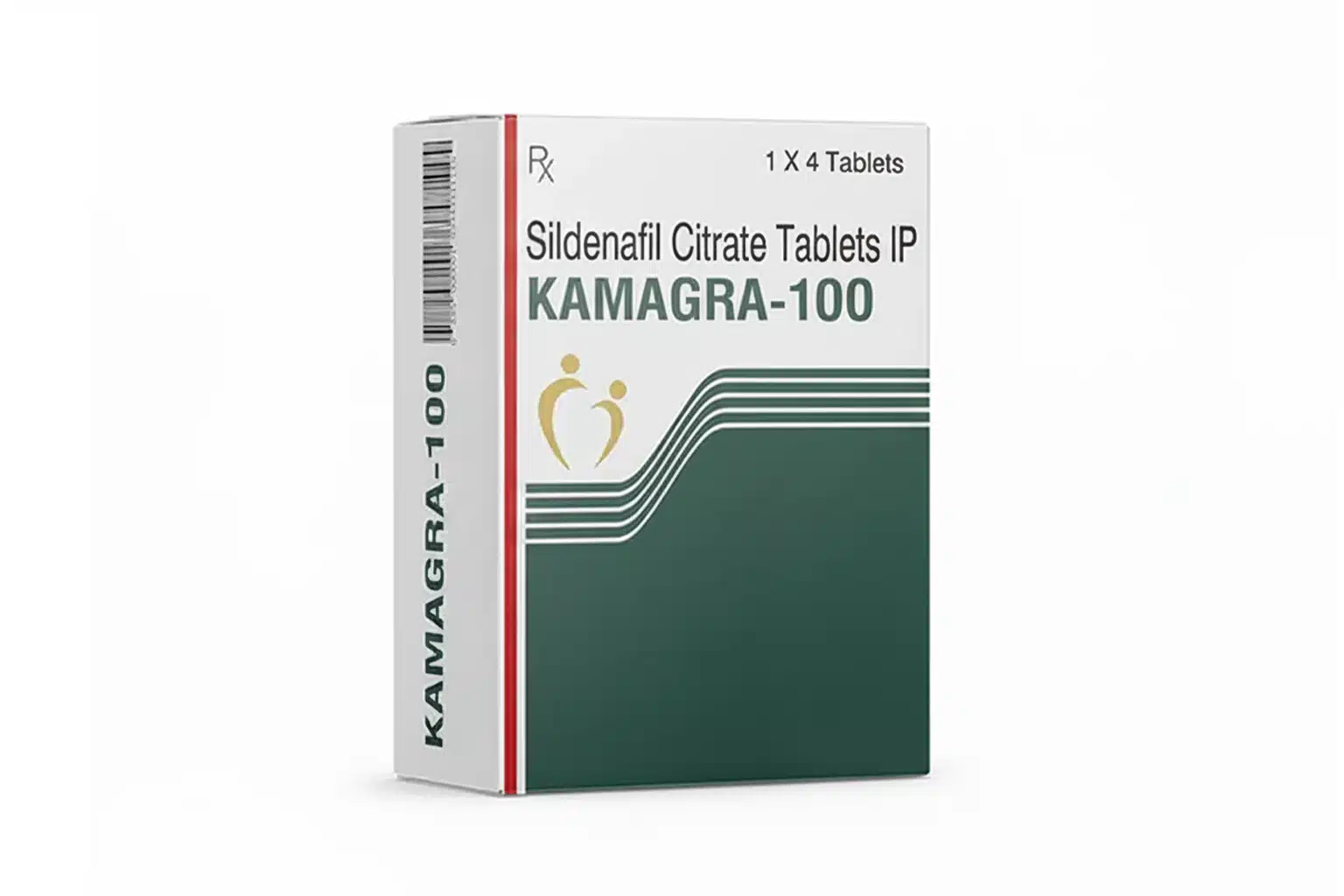
best sellers$33.00 – $218.00Price range: $33.00 through $218.00Rated 4.00 out of 5Shop Now This product has multiple variants. The options may be chosen on the product pageKamagra 100 mg
best sellers$24.00 – $125.00Price range: $24.00 through $125.00Rated 5.00 out of 5Shop Now This product has multiple variants. The options may be chosen on the product pageFildena 100 mg
best sellers$24.00 – $244.00Price range: $24.00 through $244.00Rated 4.00 out of 5Shop Now This product has multiple variants. The options may be chosen on the product pageMalegra Oral Jelly 100 Mg
best sellers$8.00 – $44.00Price range: $8.00 through $44.00Rated 5.00 out of 5Shop Now This product has multiple variants. The options may be chosen on the product pageSuper Kamagra Oral Jelly
best sellers$25.00 – $120.00Price range: $25.00 through $120.00Rated 4.00 out of 5Shop Now This product has multiple variants. The options may be chosen on the product page
Tadarise Oral Jelly
best sellers$19.00 – $72.00Price range: $19.00 through $72.00Rated 4.00 out of 5Shop Now This product has multiple variants. The options may be chosen on the product page
Careforce 200 Mg
best sellers$29.00 – $332.00Price range: $29.00 through $332.00Rated 5.00 out of 5Shop Now This product has multiple variants. The options may be chosen on the product page
Stallegra 100 Mg
best sellers$88.00 – $224.00Price range: $88.00 through $224.00Rated 5.00 out of 5Shop Now This product has multiple variants. The options may be chosen on the product page- Exclusive
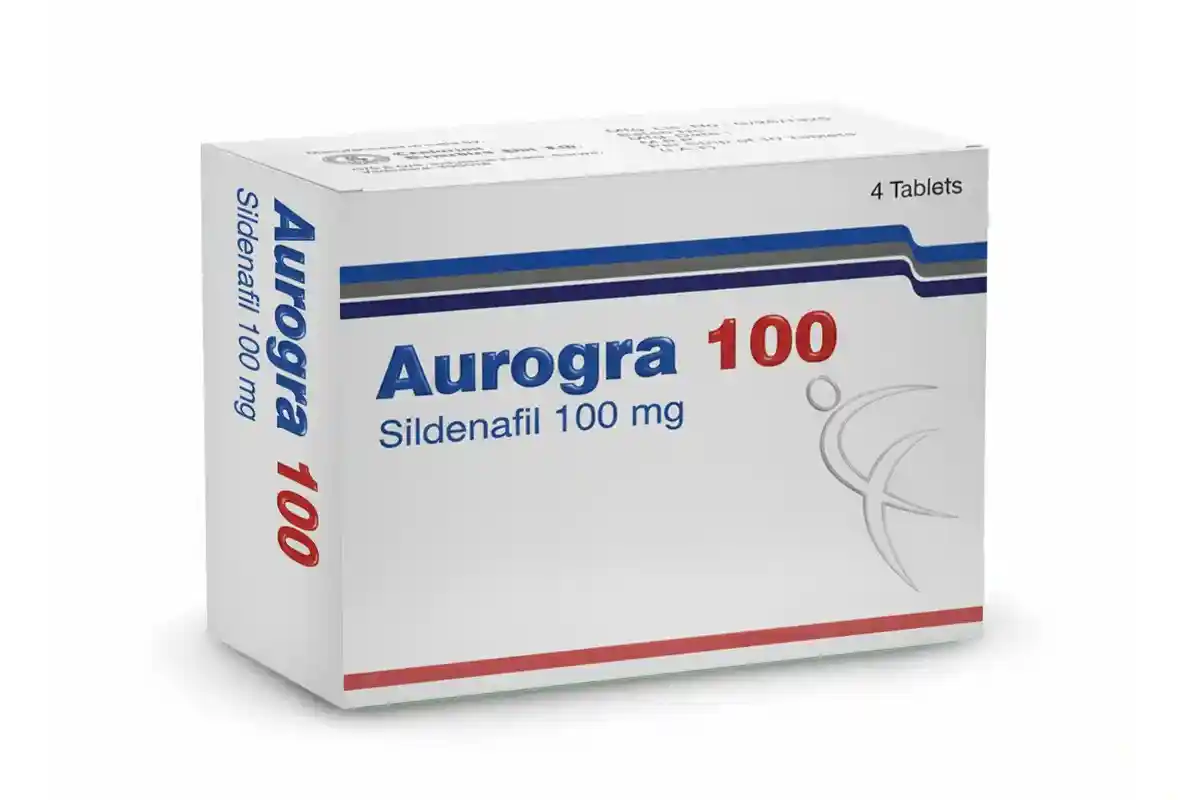
Aurogra 100 Mg
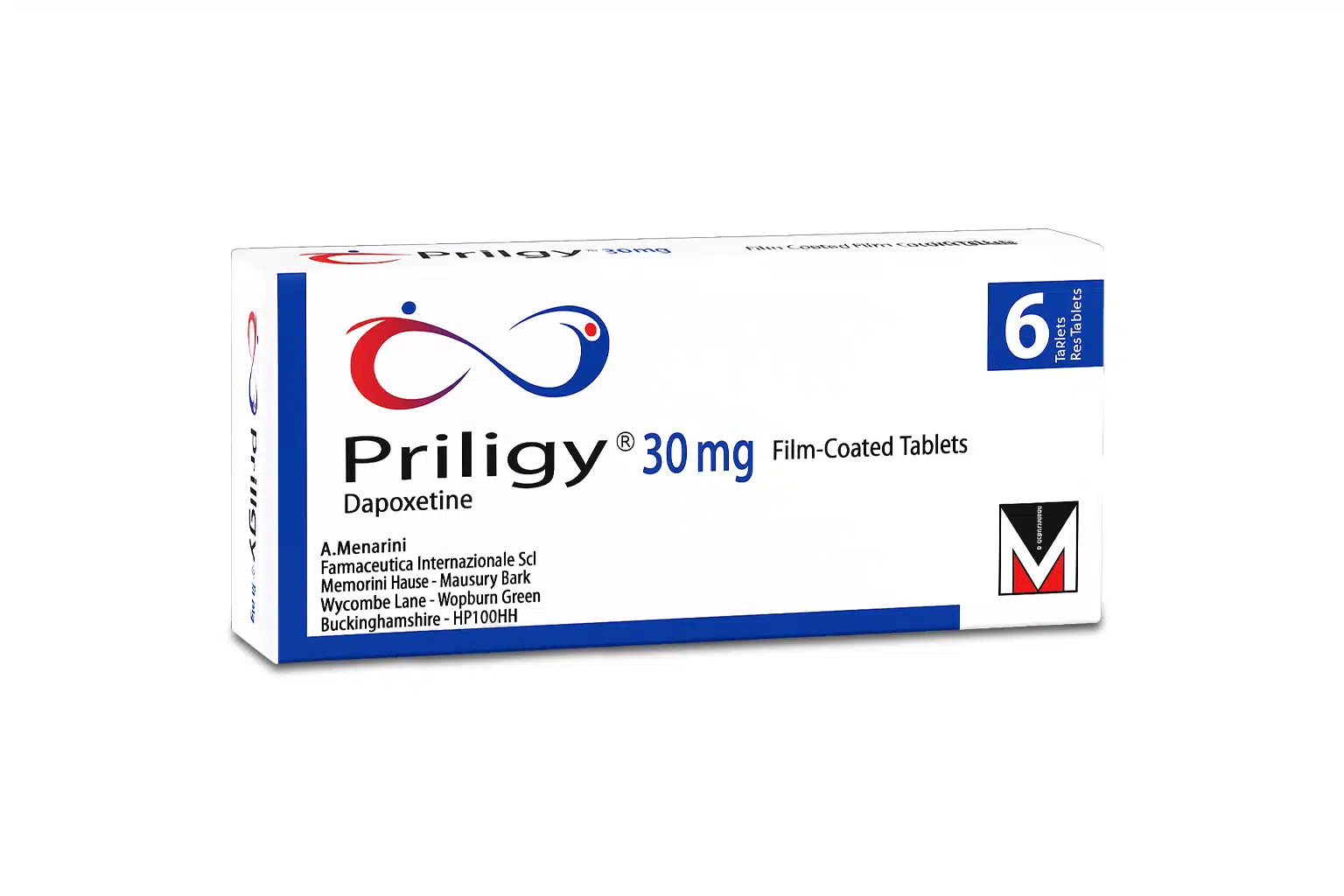
best sellers$29.00 – $76.00Price range: $29.00 through $76.00Rated 4.00 out of 5Shop Now This product has multiple variants. The options may be chosen on the product page Priligy 30 mg
best sellers$22.00 – $156.00Price range: $22.00 through $156.00Rated 4.00 out of 5Shop Now This product has multiple variants. The options may be chosen on the product page









Practical Ways to Reconnect
If you’re wondering how to reconnect with your spouse after kids, start with habits that are small enough to keep. Try a few of these:
- Ten minutes of talking each evening with phones away, and no problem solving
- A six second kiss when you say hello or goodbye, a habit relationship researchers often suggest
- A kind message during the day that isn’t about chores
- Taking turns on night duty so each of you gets one protected block of sleep
- A simple home date once a week, with takeout and a show
Intimacy after kids is easier to rebuild with steady habits than with one big plan that’s hard to carry out.
Physical Intimacy After Birth
This is the question many couples ask first: when can you have sex after birth? There isn’t a single correct date. Many doctors mention around six weeks, but that’s a guide, not a rule. What matters is that bleeding has settled, stitches or a cesarean scar have healed, and you feel ready physically and emotionally. Sex after having a baby is usually more comfortable when you go slowly. Most couples return to it within a few months, though many notice some discomfort at first.
These tips can help:
- Use a water based lubricant, since lower estrogen causes dryness
- Choose positions where the mother controls depth and pace
- Ask a doctor about low dose vaginal estrogen if dryness continues
- Consider seeing a pelvic floor physiotherapist for tightness, weakness, or scar pain
- Use contraception from the start if you’re not ready for another pregnancy
Pain that you have to push through isn’t something to ignore. It’s a good reason to ask for help.
How To Keep The Spark Alive
Couples often ask how to rekindle intimacy in marriage once the early months with a baby settle down. One practical answer is to plan time together. Scheduling doesn’t take away from desire. It gives you something to look forward to, and anticipation is a strong driver of desire. Keeping intimacy after kids fresh really does take a little planning. A few other ideas:
- Flirt during the day, so the evening doesn’t feel like a cold start
- Try small changes, like a different time of day or a slower pace
- Keep a few rituals that belong only to the two of you
- Make room for laughter, which helps lower tension
Handling Mismatched Libidos
Most couples end up with one partner wanting more than the other at some point. The partner with higher desire may feel turned down. The partner with lower desire may feel pressured. Over time, that can create distance if nobody talks about it.
A few simple steps help. Say no kindly and offer something else, like “Not tonight, but I’d love to cuddle.” Talk about what feels good, not just what’s missing. Agree that saying yes to closeness doesn’t always mean yes to sex. And keep in mind that desire often follows touch, so starting gently can change how you feel a few minutes later.
When to Seek Help
Talk to a doctor if pain lasts more than a few months, if desire has stayed low for six months or longer and it bothers you, or if you feel low, anxious, or numb for more than a couple of weeks. Men should also bring up ongoing erection trouble, low energy, or a drop in interest. A doctor can check hormones, thyroid, iron levels, sleep, and mood, then suggest a plan.
Support may include counselling, pelvic floor therapy, and, for men, options from the men’s health range after a proper check. For women, a doctor may discuss treatment for dryness or pain, and in some cases may talk about female sildenafil. It’s used off label, it isn’t suitable for everyone, and it needs careful advice if you’re breastfeeding. Please don’t start any treatment without medical guidance. Intimacy after kids is worth looking after, and asking for help is part of that.
What This Means
Intimacy after kids may not look the same as before, and that’s fine. With patience, small daily habits, and open talks, most couples find their way back to a close and comfortable connection, sometimes a stronger one. Go at your own pace, keep talking, and reach out to a doctor when something feels off. Your connection isn’t lost. It just needs a bit of time and attention.
Frequently Asked Questions
1. How long does it take for intimacy after kids to feel normal again?
2. Is it normal to feel touched out?
3. Does breastfeeding affect desire?
4. Can you have better intimacy after kids without sex?
5. When should couples see a doctor about low desire or pain?

Dr. Lucifier is a men’s health specialist with over 12 years of experience in sexual wellness and ED treatment. He holds an MBBS, MD in Internal Medicine, and DM in Urology, and focuses on safe, personalized care using proven therapies like Sildenafil and Tadalafil.