Skincare is everywhere at present. It’s been the moment these past few years. We all want that natural-looking skin with fewer blemishes that we’d have to hide. Why invest in makeup when you can just invest in your skin and tackle things at the root cause? Several marketing campaigns are run on the metaphor of having a better canvas. The canvas being our face. That’s exactly what pushes us towards the new skincare products in the market.Â
Although, what happens when you start a new skincare routine and instead of waking up to better skin, you wake up to more and more blemishes on the skin? That sounds like a nightmare that no one wants a part of. This is a common experience with people who use isotretinoin. When they look for the isotretinoin before and after photos, all they see is clearer and more even skin. What most people end up missing are the stages to that clear skin.Â
We’re here to dispel some worries and talk to you about those starting 30 days of taking isotretinoin and how that can affect you and your skin. Being informed about the process will help you be more prepared for what’s to come in the next months and won’t have you caressing those isotretinoin before and after photos. Isotretinoin’s skin transformation does come at a cost of the initial month being a trying time.Â
Our aim with the blog is to keep you informed of the whole process so that you can stay committed to the process and won’t face any unnecessary anxiety about the whole isotretinoin treatment timeline. You should know what to expect in the first 30 days of isotretinoin.
The reality of Isotretinoin before and after results
When you search “isotretinoin before and after” on Reddit or TikTok, you’re mostly seeing the dramatic glow-up photos. Week 1 vs. Week 16. And they’re real, genuinely real, but they make it seem like the whole process is a straight upward line toward isotretinoin clear skin, and it is absolutely not.
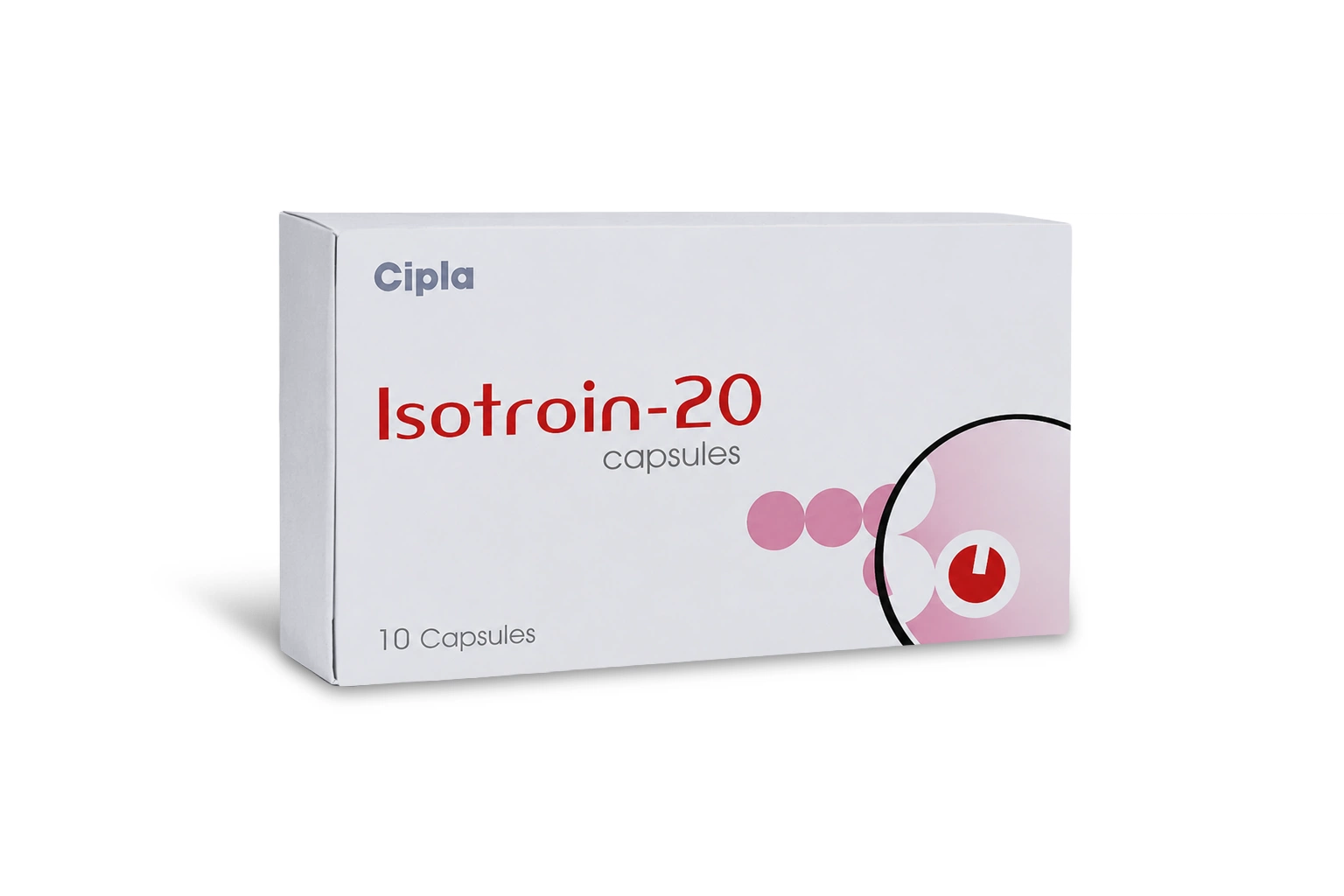
The first weeks and the initial month are anyway supposed to be an adjustment phase rather than a period of visible clearing. This is when the isotretinoin medications like Isotroin 20 mg start altering the activity of the oil glands beneath your skin. The medication has already started working towards a clearer skin at this point, even if it looks like quite the opposite. Existing clogged pores are pushed outward, inflammation patterns change, and the skin starts adapting to a significantly drier environment.
This is the thing the before and after photos don’t show. The middle part. The ugly middle part.
Best Seller
-
-
-
-
-
-
Revize Micro 0.04% Gel
Skin Care$24.00 – $61.00Price range: $24.00 through $61.00Rated 5.00 out of 5Shop Now This product has multiple variants. The options may be chosen on the product page -
-
-
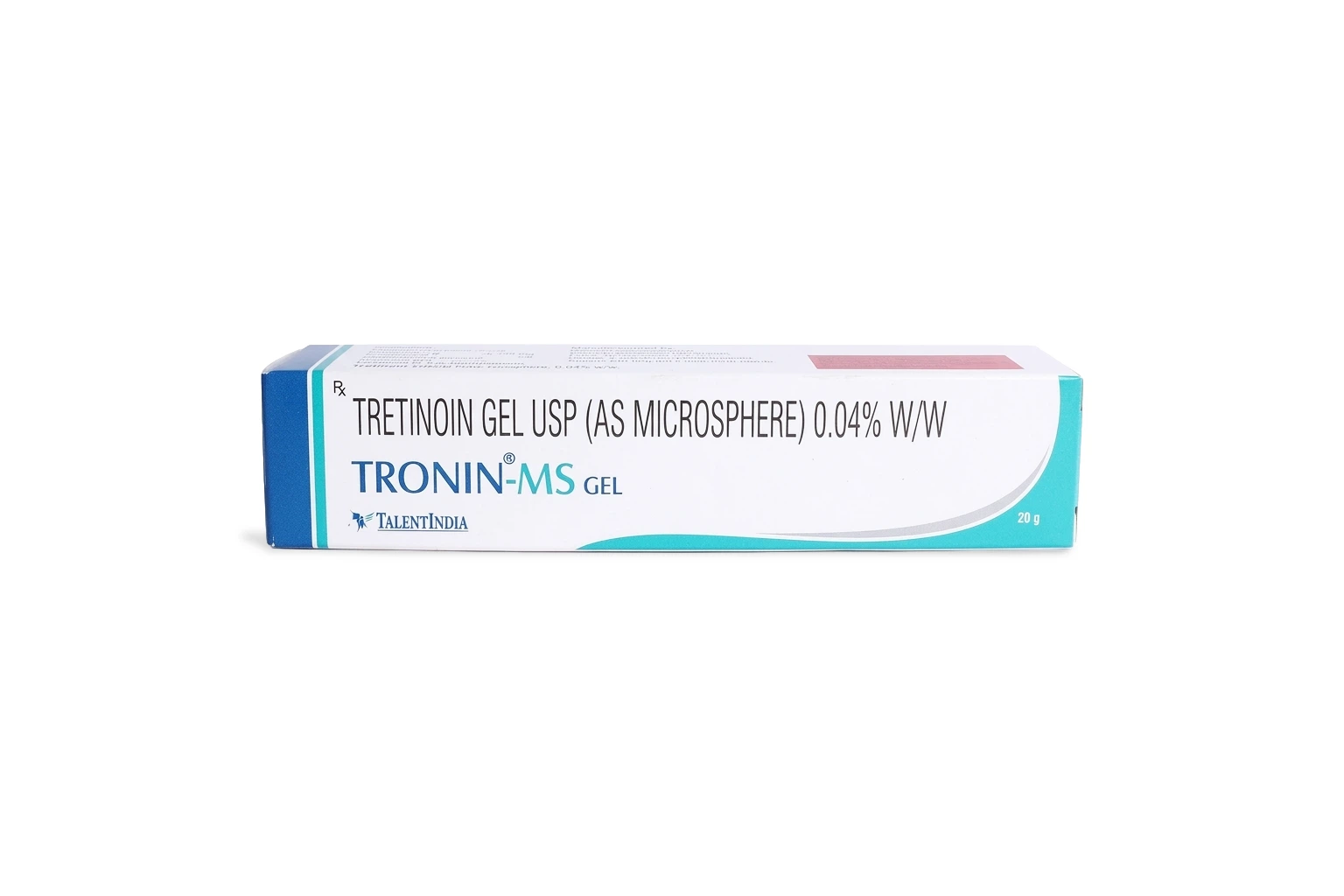
Tronin MS gel
Skin Care$12.00 – $41.00Price range: $12.00 through $41.00Rated 5.00 out of 5Shop Now This product has multiple variants. The options may be chosen on the product page -
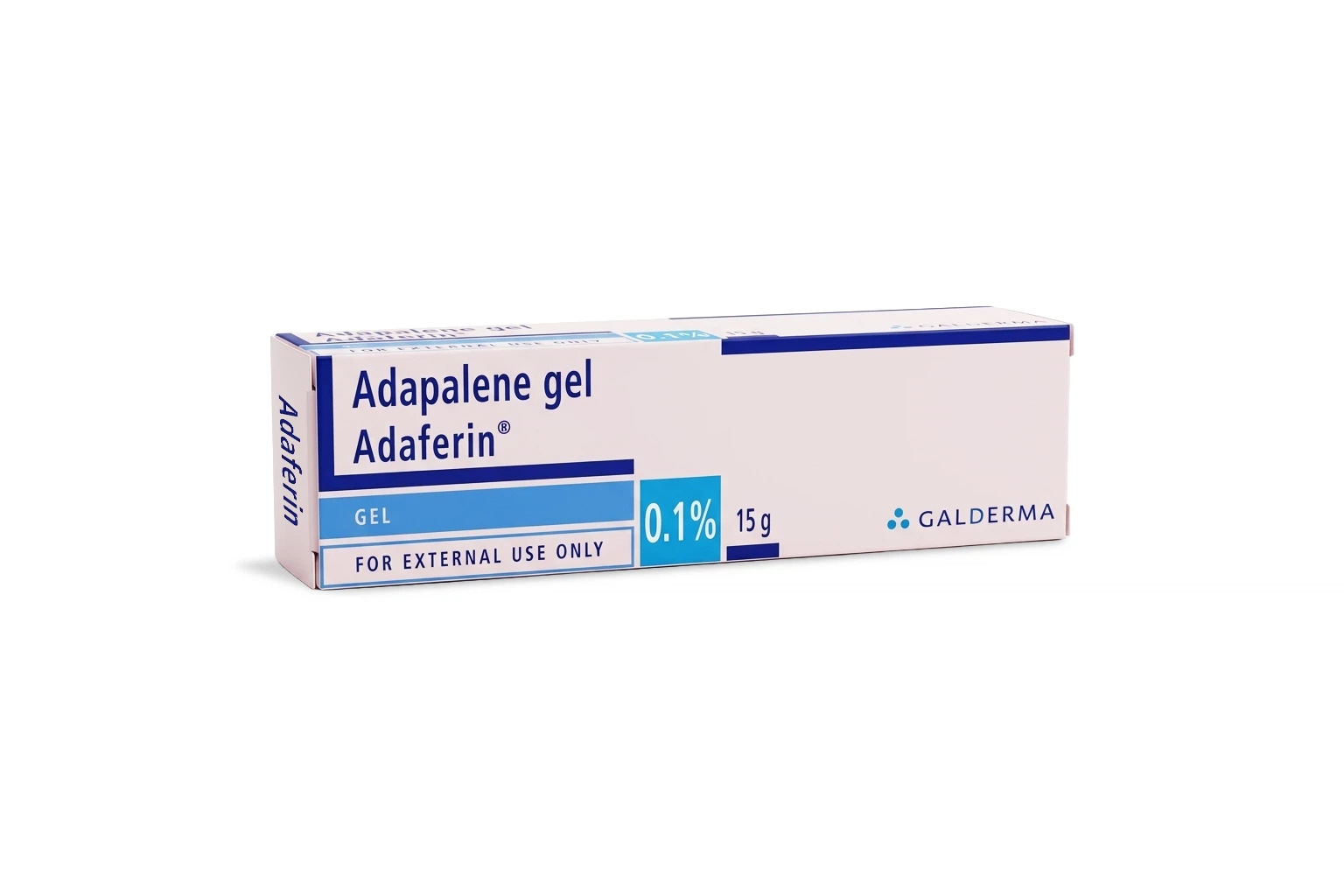
Adaferin gel
Skin Care$7.00 – $44.00Price range: $7.00 through $44.00Rated 5.00 out of 5Shop Now This product has multiple variants. The options may be chosen on the product page -
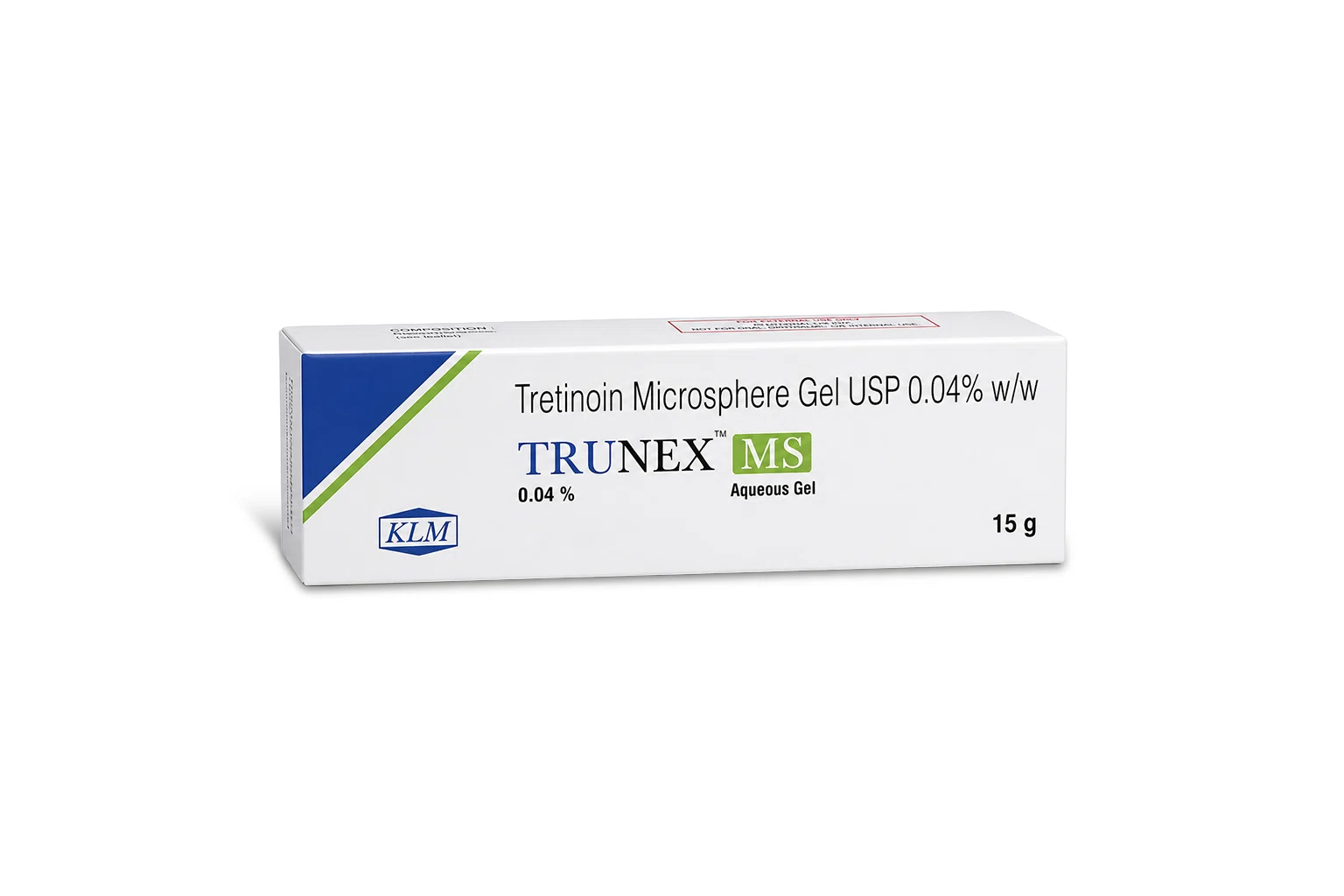
Trunex MS gel
Skin Care$16.00Rated 5.00 out of 5Shop Now This product has multiple variants. The options may be chosen on the product page -
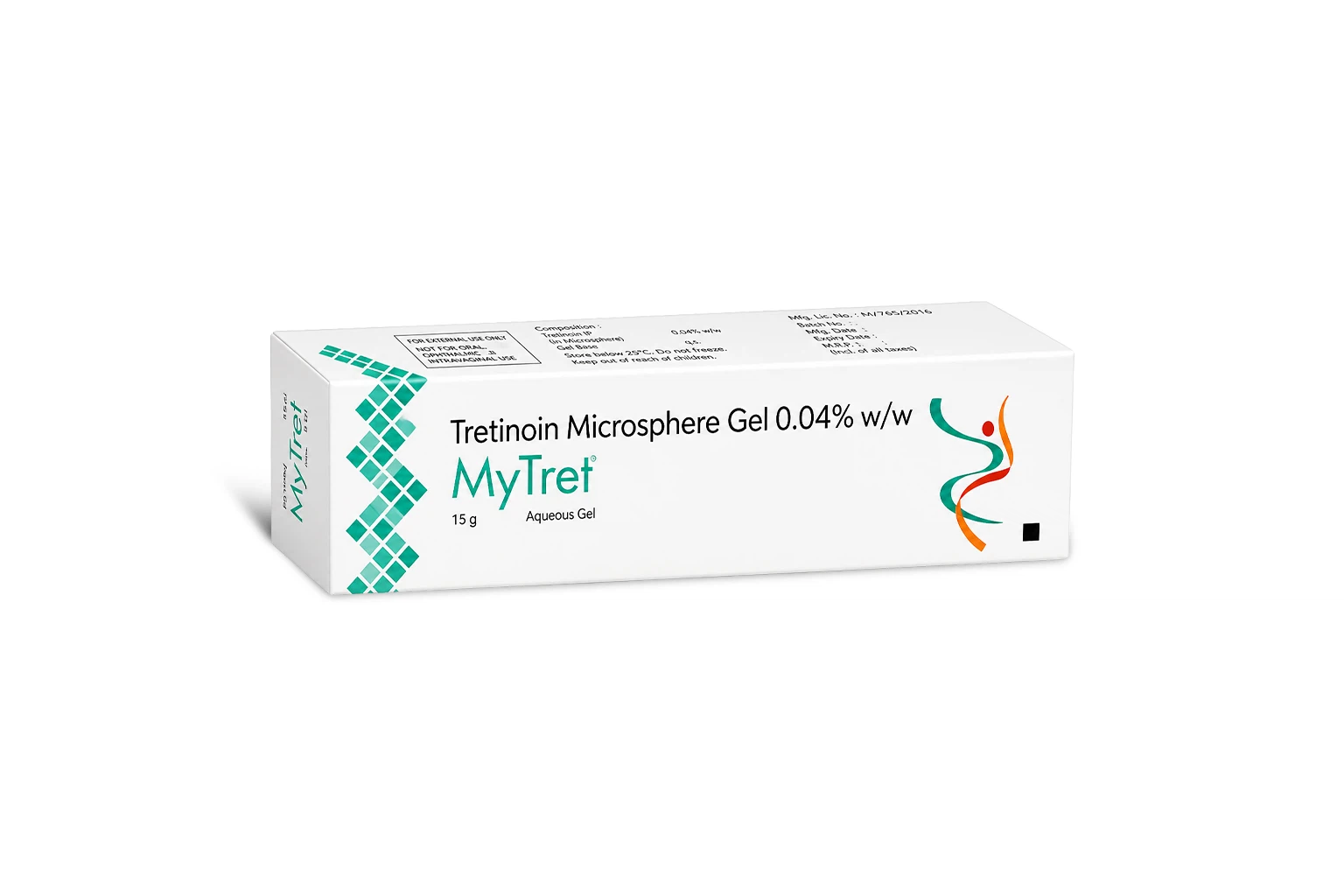
MyTret Gel
Skin Care$15.00 – $80.00Price range: $15.00 through $80.00Rated 5.00 out of 5Shop Now This product has multiple variants. The options may be chosen on the product page -
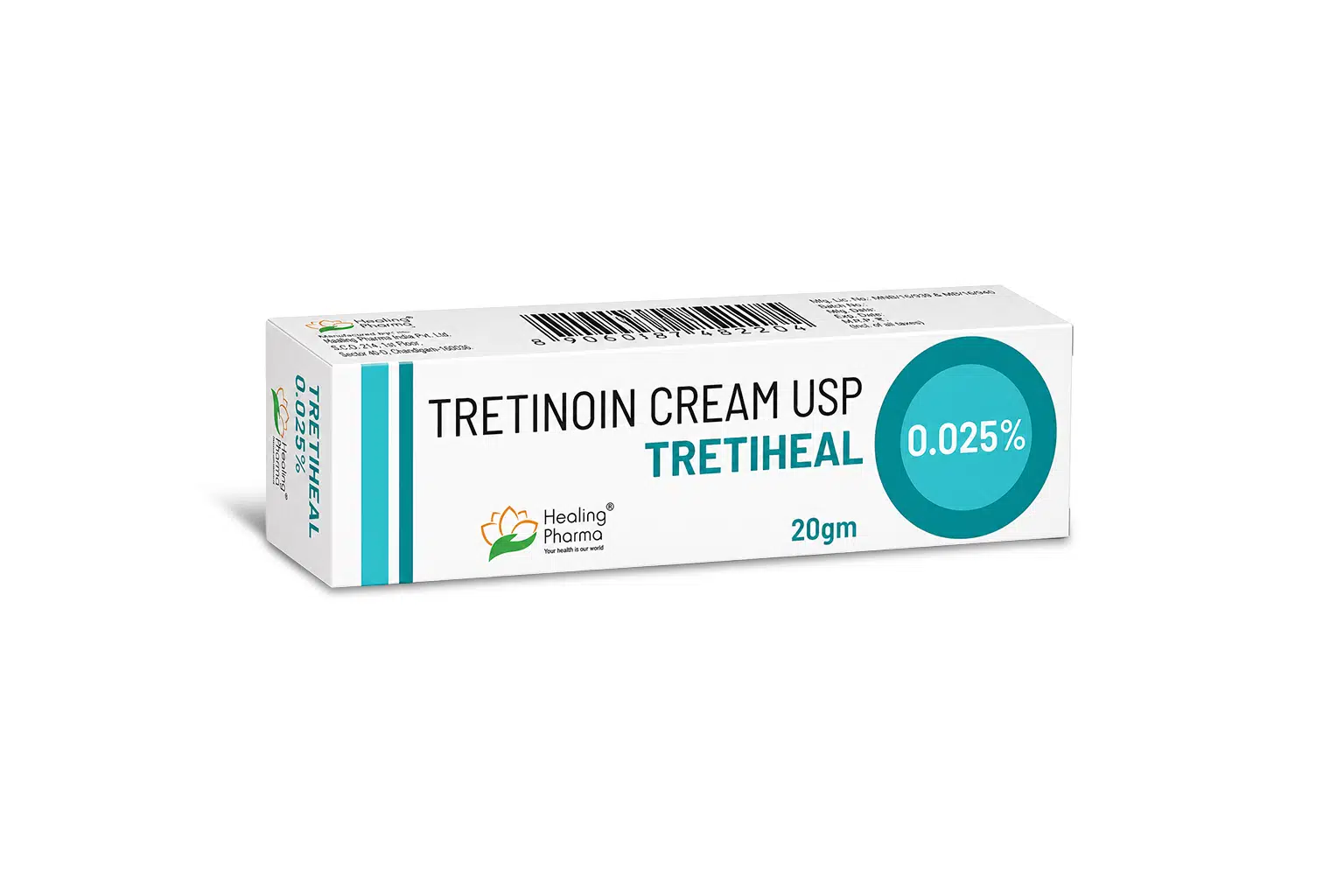
Tretiheal 0.025% Cream
Skin Care$10.00 – $28.00Price range: $10.00 through $28.00Rated 5.00 out of 5Shop Now This product has multiple variants. The options may be chosen on the product page -
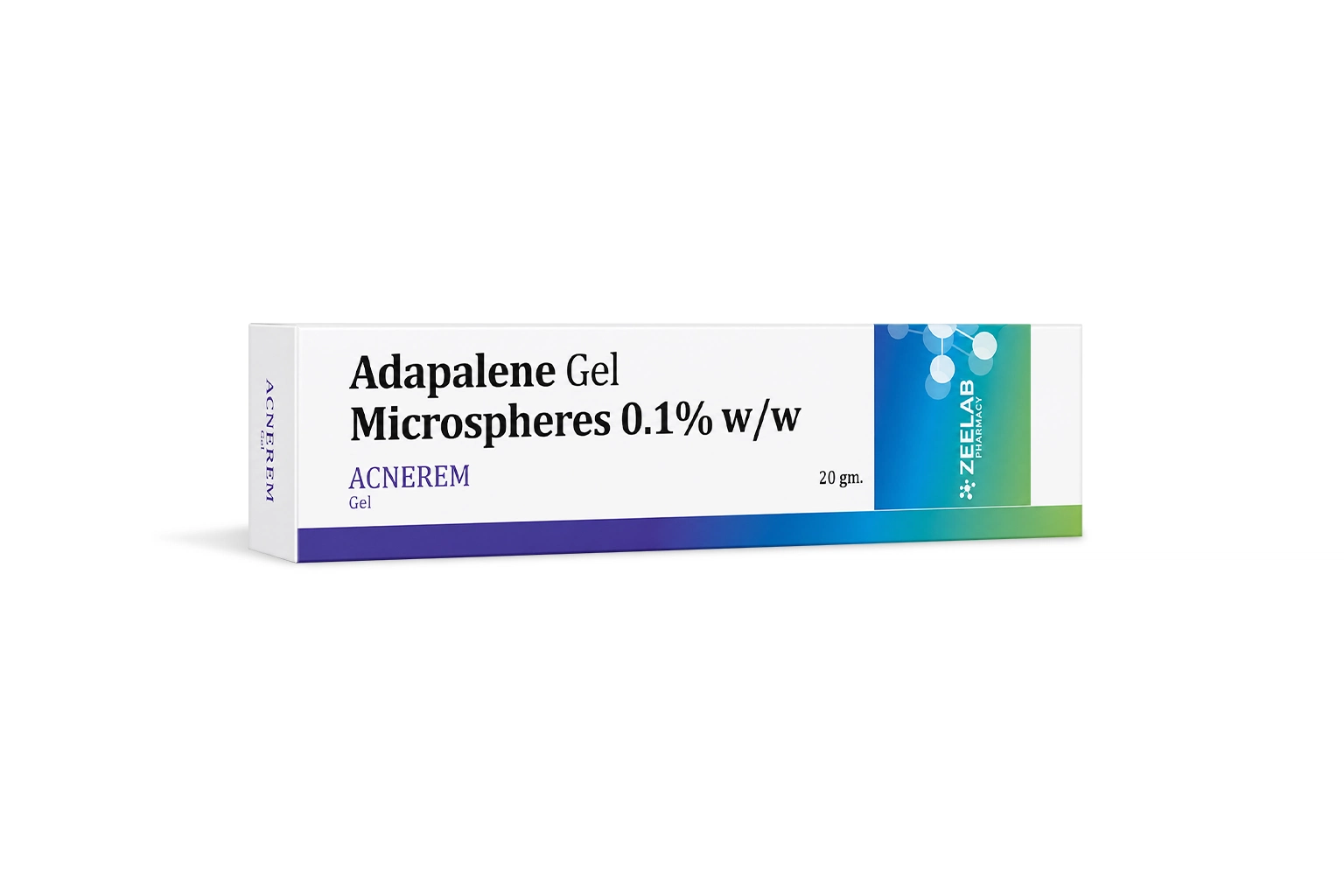
Acnerem gel
Skin Care$10.00 – $23.00Price range: $10.00 through $23.00Rated 4.00 out of 5Shop Now This product has multiple variants. The options may be chosen on the product page -
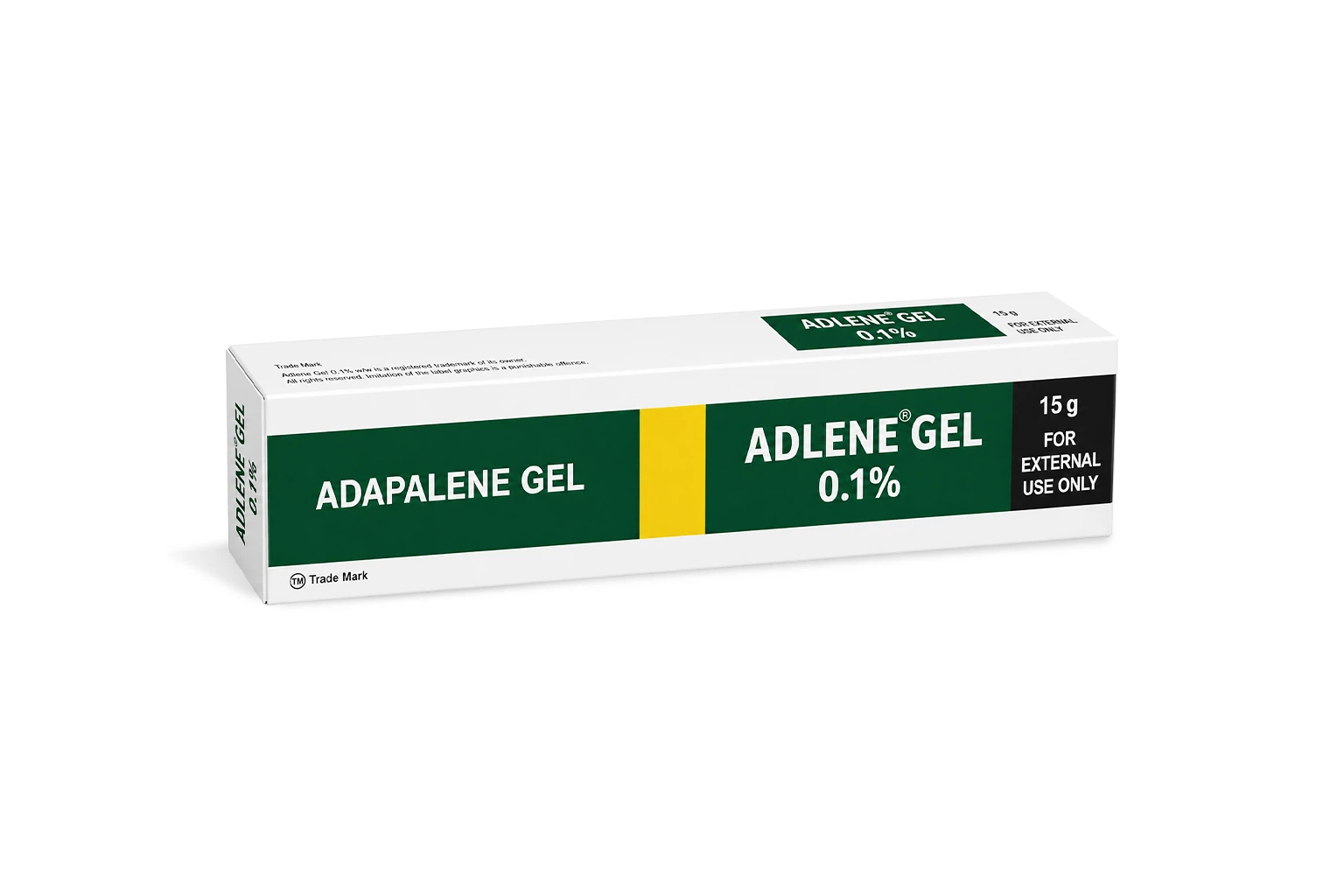
Adlene gel
Skin Care$7.00 – $19.00Price range: $7.00 through $19.00Rated 4.00 out of 5Shop Now This product has multiple variants. The options may be chosen on the product page -
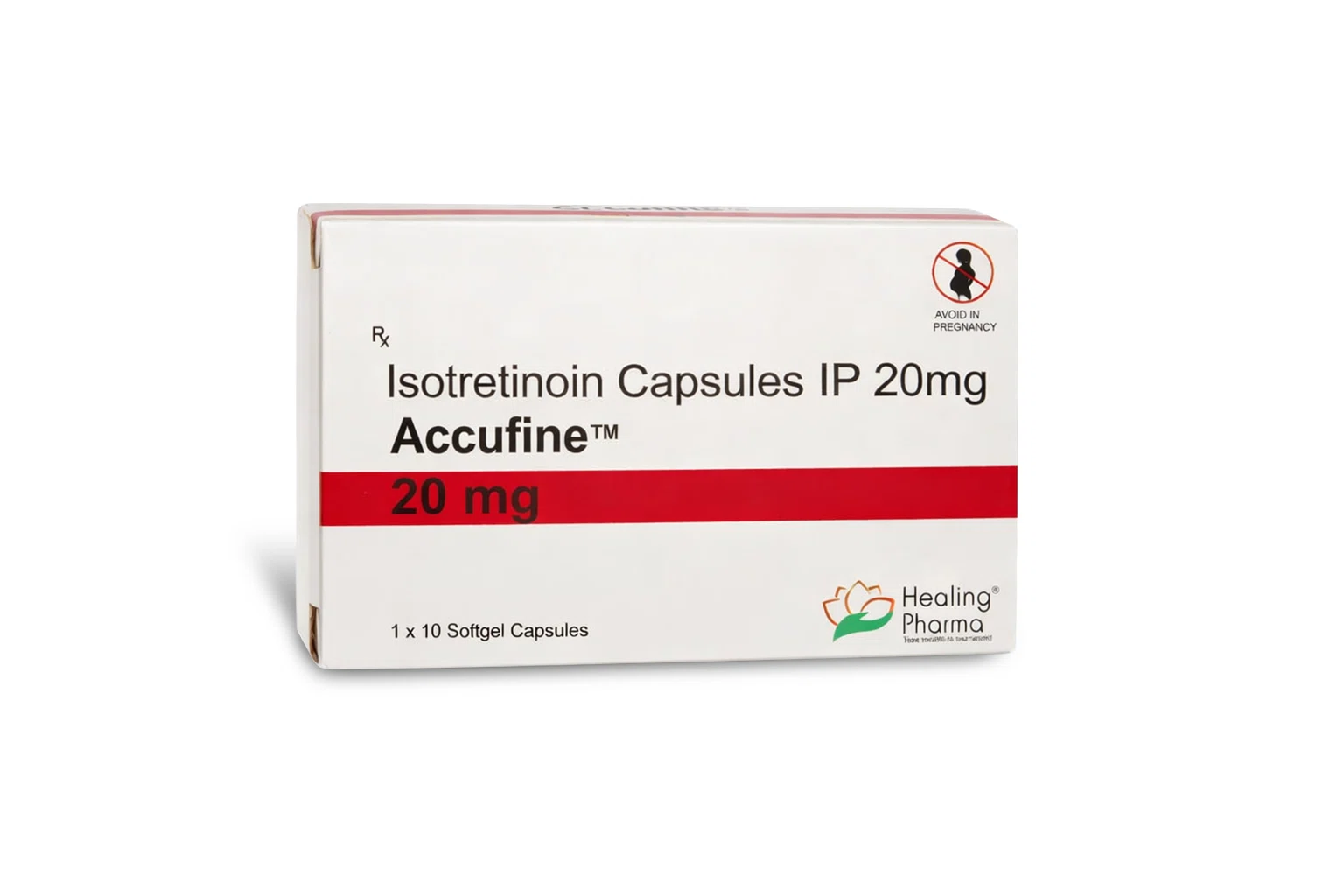
Accufine 20 mg
Skin Care$63.00 – $163.00Price range: $63.00 through $163.00Rated 4.50 out of 5Shop Now This product has multiple variants. The options may be chosen on the product page -
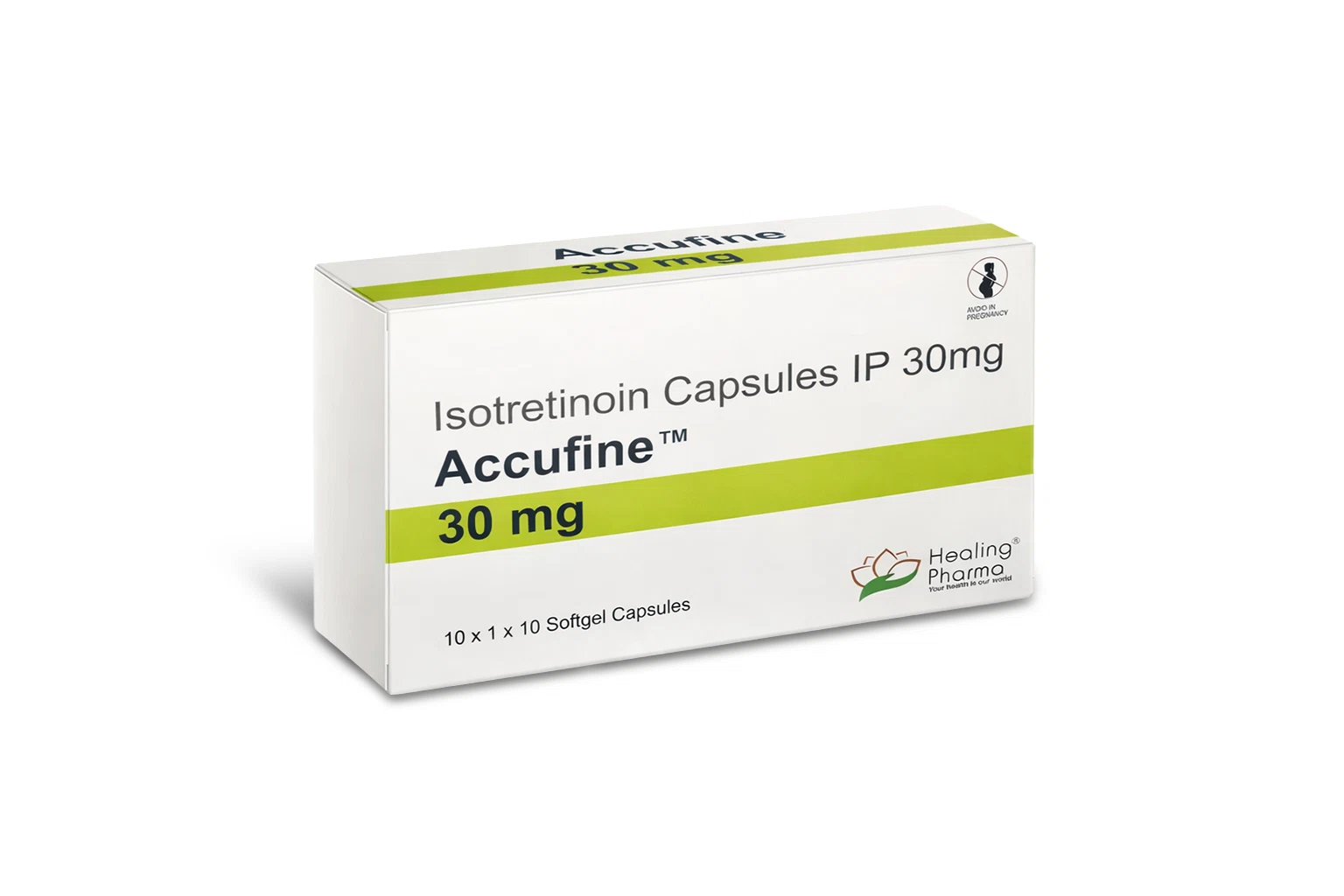
Accufine 30 mg
Skin Care$40.00 – $140.00Price range: $40.00 through $140.00Rated 5.00 out of 5Shop Now This product has multiple variants. The options may be chosen on the product page -
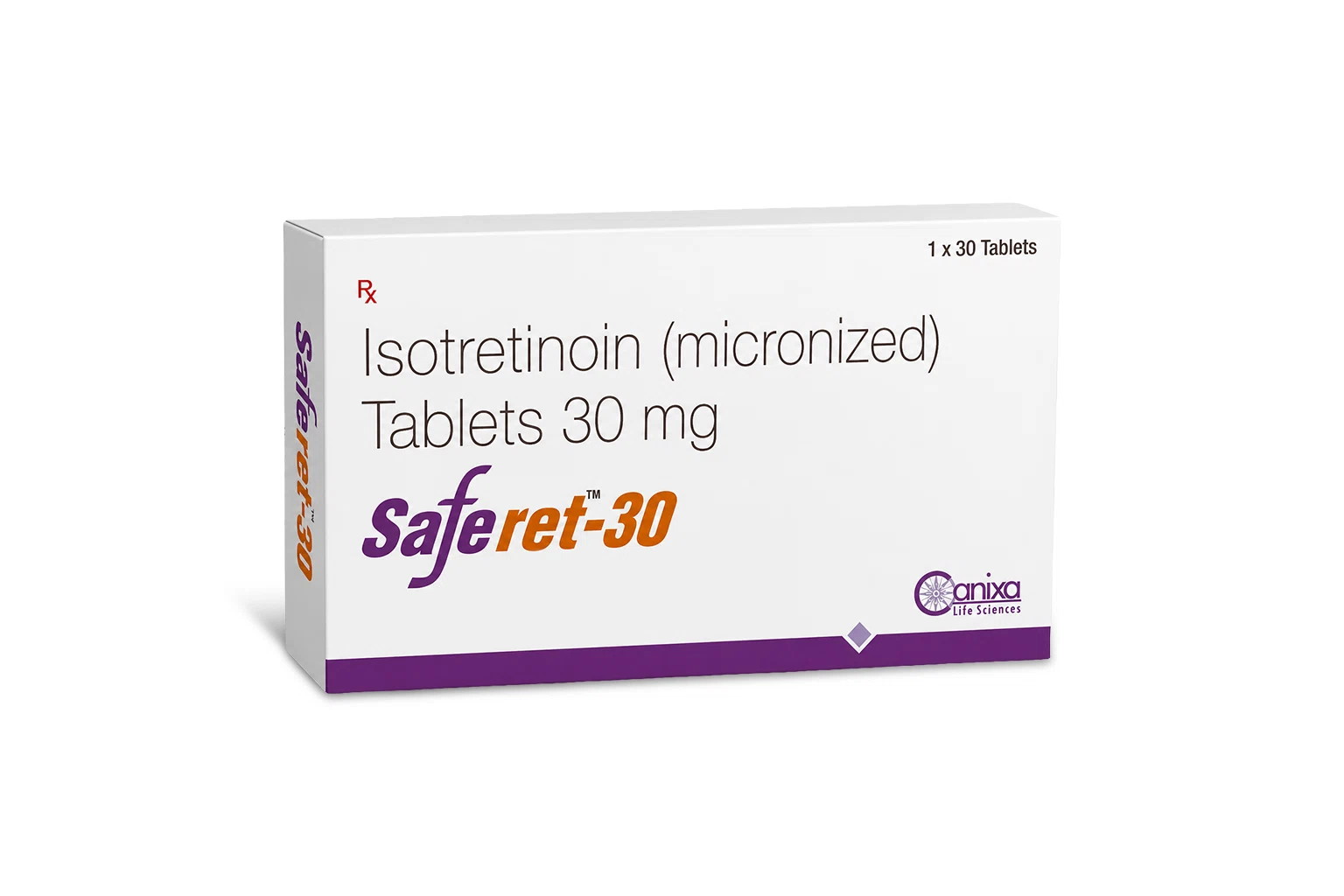
Saferet 30 mg
Skin Care$22.00 – $60.00Price range: $22.00 through $60.00Rated 4.00 out of 5Shop Now This product has multiple variants. The options may be chosen on the product page -
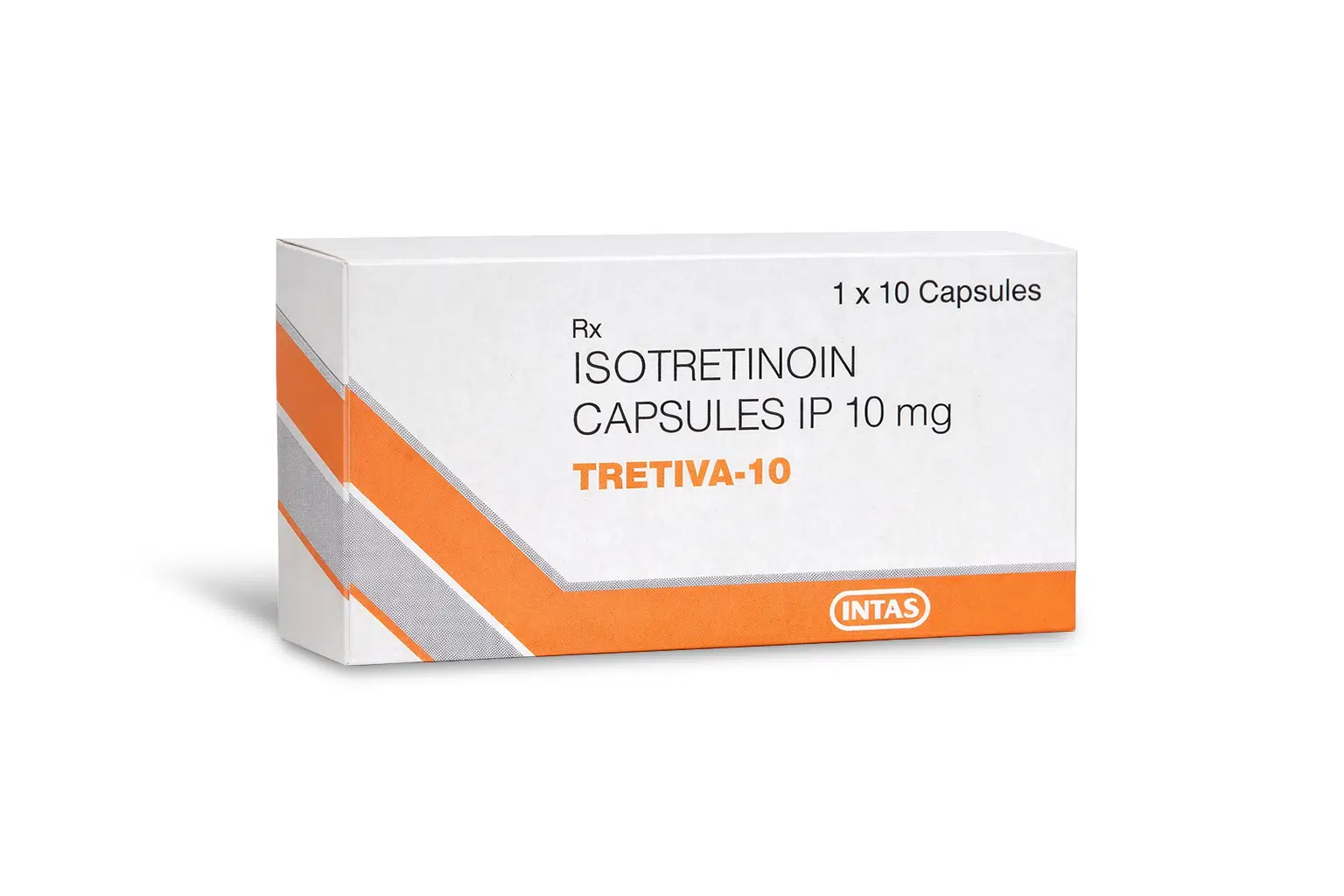
Tretiva 10 mg
Skin Care$28.00 – $80.00Price range: $28.00 through $80.00Rated 4.00 out of 5Shop Now This product has multiple variants. The options may be chosen on the product page -
Isotroin 20 mg
Skin Care$22.00 – $60.00Price range: $22.00 through $60.00Rated 5.00 out of 5Shop Now This product has multiple variants. The options may be chosen on the product page -
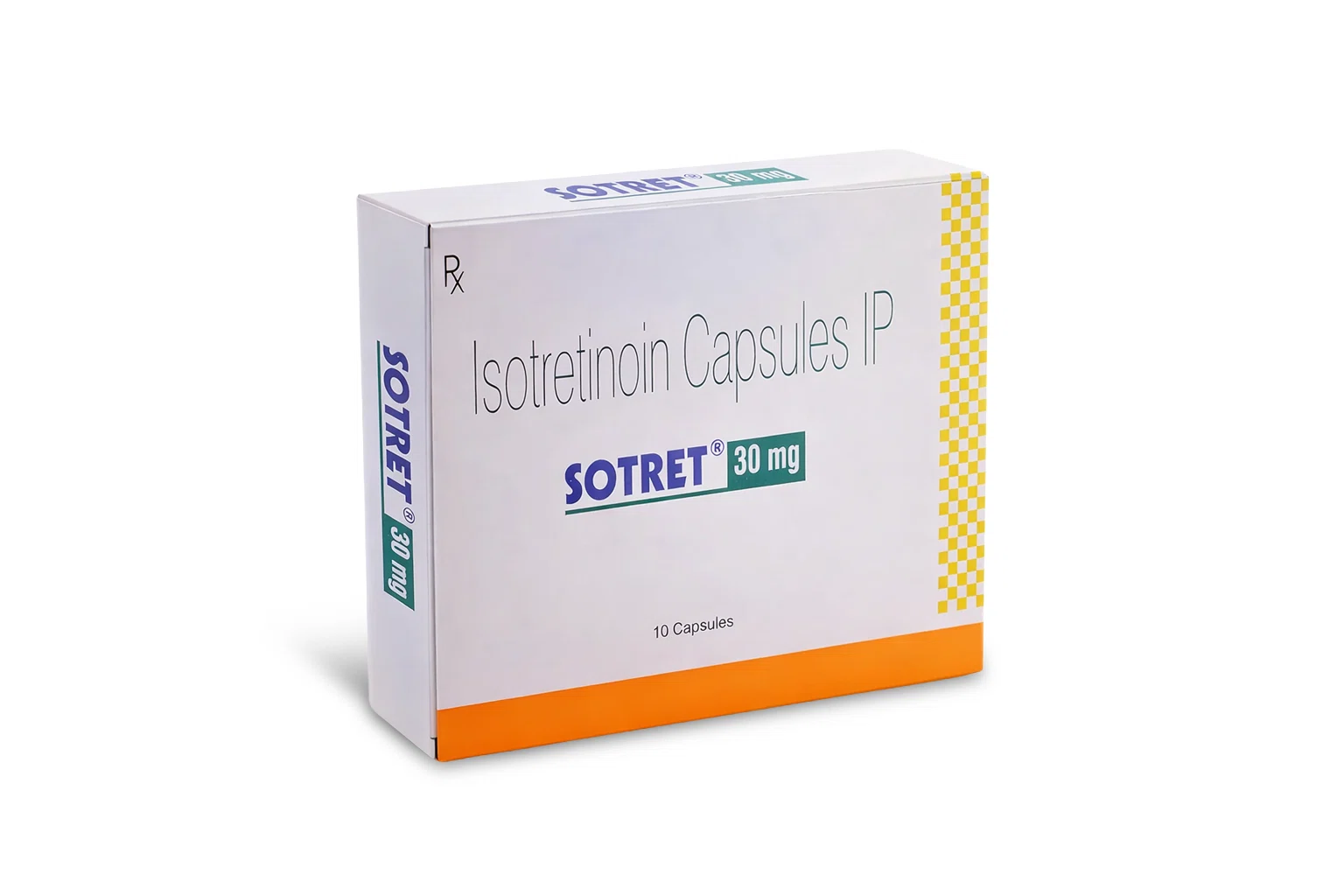
Sotret 30 mg
Skin Care$26.00 – $68.00Price range: $26.00 through $68.00Rated 5.00 out of 5Shop Now This product has multiple variants. The options may be chosen on the product page
Week 1: Internal change
The first week is not at all about any dramatic changes that might happen to your skin. Most people who use isotretinoin will still continue to see some active acne on their face. Some might even experience an increased sensitivity on their face. It’s valid that to anyone it may look a little counterintuitive.Â
One of the first signs you can see when you do start using isotretinoin products is lip dryness. In fact, around 90% of people who used tretinoin experienced cheilitis, or inflammation and dryness of the lips. Then there’s the acne medication side effects on skin that nobody explains properly. Some people get eczema-like patches. Some get extremely sensitive skin that reacts to literally everything
The other thing, and this matters, is that how long does isotretinoin takes to show results is not a fixed answer. Some people see improvement around week three or four. Others, especially those on a lower dose like Isotroin 20 mg, might not see much visible change in the first month at all. When you see the isotretinoin before and after results, you may think yours is not working. The medication is still working internally even when your mirror is telling you otherwise.
Week 2: The Purging may start
When people say that while using isotretinoin, the skin gets worse before better. They’re not exactly lying. You’ll understand that during this time, despite what the isotretinoin before and after photos show you. The second week is when most people may start getting a little concerned about their treatment and wonder if the product is actually working or not.Â
Isotretinoin basically forces your skin to completely remodel itself. It shrinks oil glands. It tells your skin cells to behave differently. It interrupts the whole cycle that was causing the severe acne in the first place. This is often the beginning of the dreaded acne purge. The small blemishes that were previously beneath the skin start surfacing very quickly, which makes it look like your acne is worsening, even when that’s not what’s happening.
The increase in the acne can also be harmful to your emotional state if you already struggle with low self-confidence. It’s always good to start slow with your severe acne medications. Isotroin 20 mg is one of the more common starting doses, and there’s some logic to going slow. Gives your body a chance to adjust. Doesn’t shock your system all at once.Â
Week 3: Peak dryness
By the third week, it’s the dryness and not the acne that starts frustrating people more. Your lips may keep cracking. There’s other stuff like flaky facial skin, dry nasal passages, increased sensitivity to sunlight, and occasional irritation around the eyes.
This is when you really need to lock in with your skincare and lock in that moisture. Most dermatologists recommend pretty cleansers, non-comedogenic moisturizers, lip balms, and broad-spectrum sunscreens throughout this whole ordeal. Using moisturizing and gentle products is the key to getting through this if you also want to see those isotretinoin before and after photos of yourself.Â
Even if you are taking a starting dose like Isotroin 20 mg, maintaining hydration and using proper sun protection become very important.Â
Week 4: Signs of improvement
You may or may not see some improvement at this stage. Since everybody is different, there’s never a definitive answer to any question. All we can do is provide an estimate and hope for the best. But yes, most people do see some improvement in terms of their inflammation at this stage.Â
As a vitamin A derivative acne treatment, isotretinoin does target the oil production pretty drastically, but you’ll see that it will pay off. It’s never a quick fix with a treatment so drastic. Inflammation starts decreasing, existing pimples may start healing faster, and the newer breakouts may become less severe than before treatment. You may not exactly see the clearest skin ever, but it’s an early positive sign of isotretinoin before and after differences becoming visible.Â
Final Thoughts
When you look at any isotretinoin before and after journey, you’re looking at two endpoints of a segment. There are several points on the segment you go through before you go from one end point to another.Â
That was what we aimed to shed light on with this article. But the first 30 days are a process. A vitamin A derivative acne treatment isn’t a quick fix but is addressed in a longer timeline. It’s a fundamental change in how your skin works, and that change has a rough beginning.
Even if you’re on milder treatment options like Isotroin 20 mg, just know that the journey is not all smooth sailing. The first month is about laying a good foundation for your skin rather than seeing a glass skin for yourself. Â
FAQS
1. Can I wear makeup during the isotretinoin treatment timeline?
Yes, but your skin gets more sensitive, so stick to gentle, non-comedogenic products and never skip SPF.
2. What are the most common acne medication side effects on skin during isotretinoin?
Dryness, peeling, tightness, and increased sensitivity are the most typical, especially in the first month.
3. How long does isotretinoin take to show results?
Most people start noticing real improvement around month 3–4, though some see small changes earlier depending on their dose.
4. Is Isotroin 20 mg a good starting dose?
It’s a common starting dose many dermatologists use to help the body adjust before potentially increasing. Always follow your doctor’s recommendation.

Dr. Delisha Cole is a sexual health and wellness writer with over 10 years of experience researching erectile dysfunction, performance anxiety, premature ejaculation, and modern ED treatments. She focuses on breaking down complex medical topics into practical, easy-to-understand advice that helps readers make informed decisions about their intimate health, confidence, and relationships. Her content covers ED medications, lifestyle factors, treatment safety, and real-world wellness guidance in a simple, reader-friendly way.