
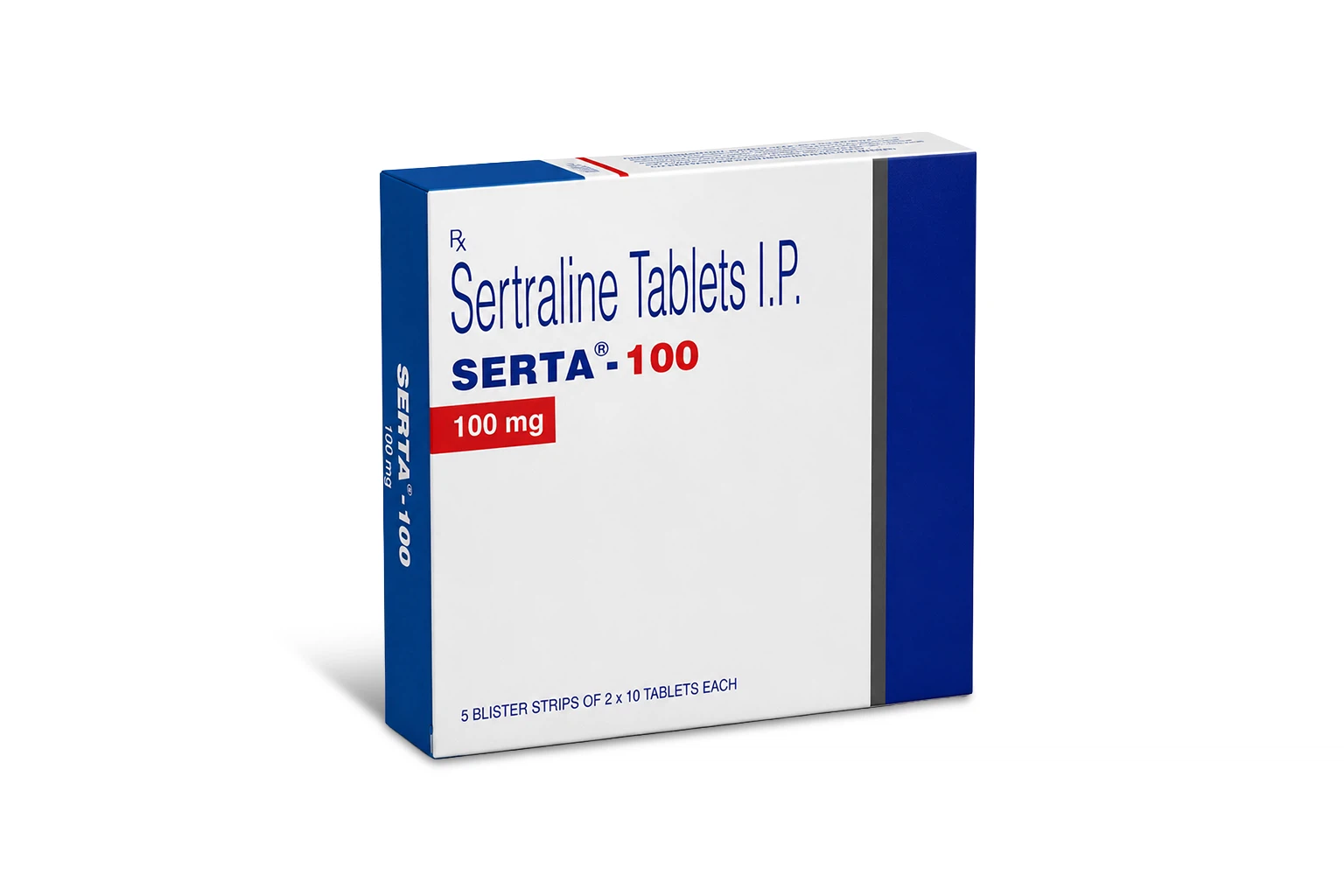
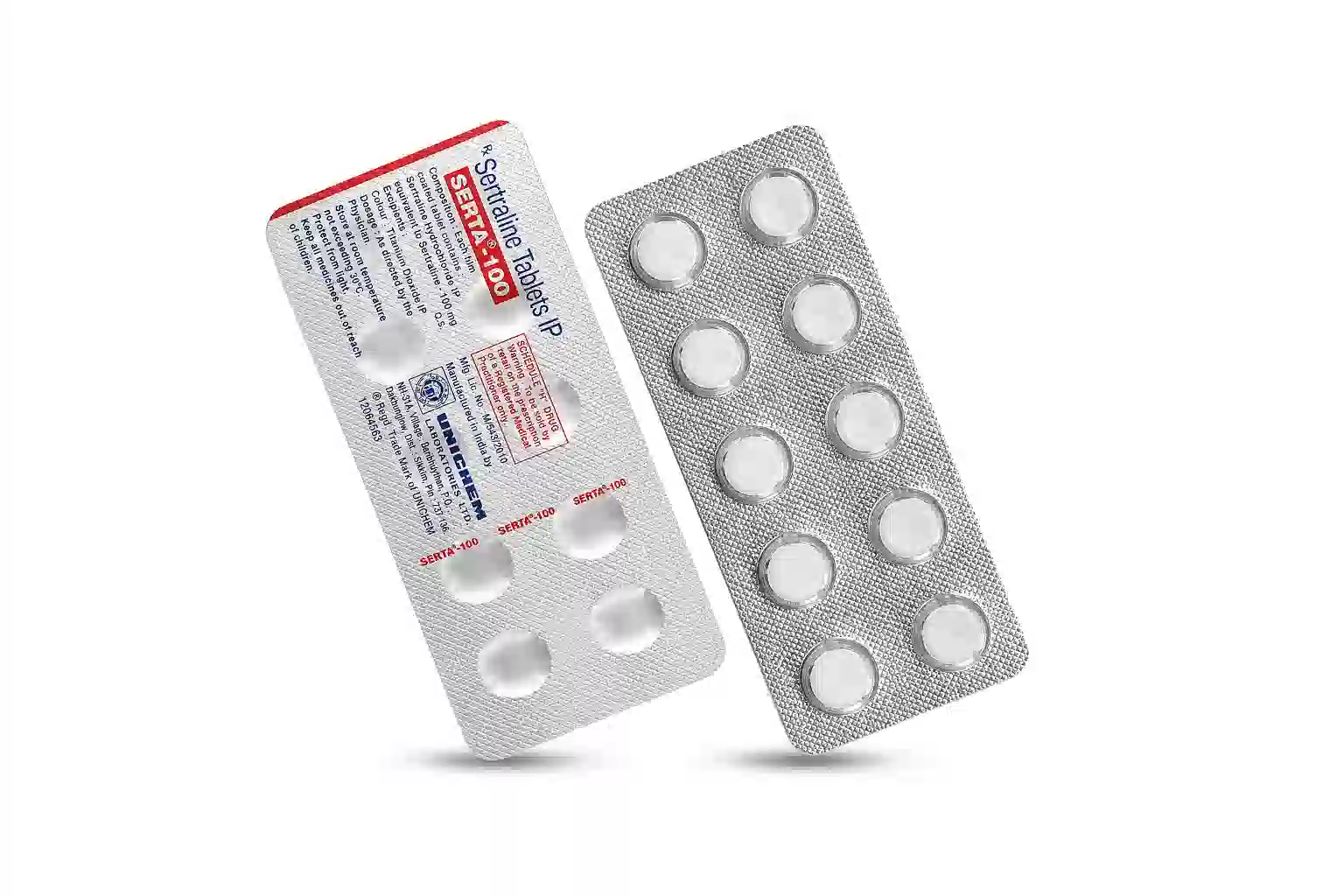
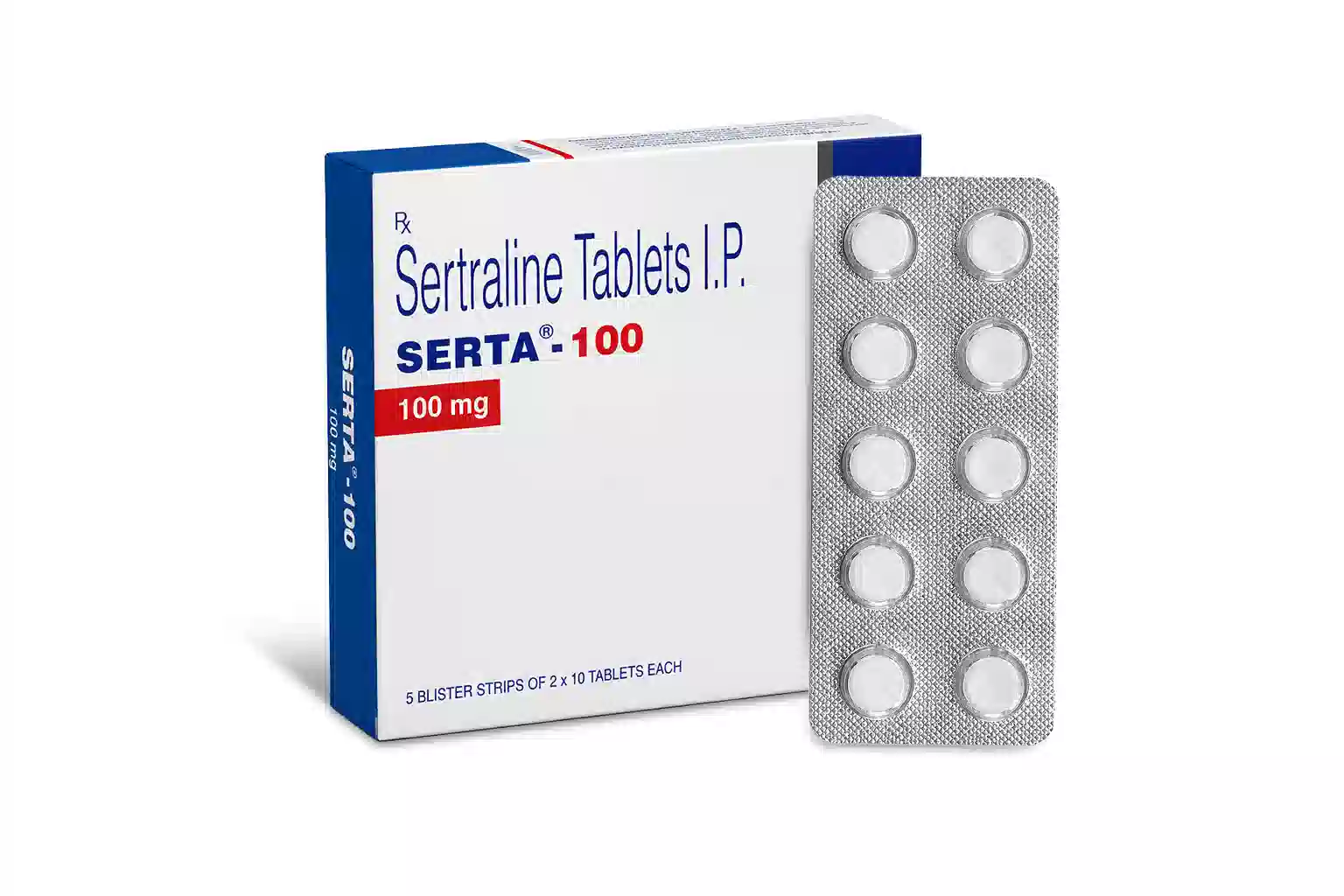
Sertraline 100 mg tablet is a medicine used to treat certain mental health conditions, including depression and anxiety-related disorders. It contains sertraline hydrochloride, a medicine from the selective serotonin reuptake inhibitor (SSRI) class. Sertraline works gradually and is generally taken regularly as prescribed by a qualified healthcare professional. Sertraline has also been studied for premature ejaculation, given that SSRIs frequently have a delayed-ejaculation effect. It is not a quick-relief medicine for sudden anxiety or panic symptoms. The dose, duration of treatment, and any dose adjustments should be decided by a doctor based on the individual’s condition and response to treatment.
Key Features
| About | |
|---|---|
| Product | Sertraline 100 mg |
| Drug Class | Selective serotonin reuptake inhibitor (SSRI) |
| Common Generic Name | Sertraline |
| Chemical Name | Tetrahydronaphthalenamine |
| Product Details | |
|---|---|
| Composition | Active Ingredients: Sertraline Hydrochloride Inactive Ingredients:
|
| Packaging Type | Blister pack |
| Pack Size | 10*10 |
| Dosage | 100 Mg |
| Shelf Life | 24 to 36 months (2 to 3 years) from its date of manufacture. |
| Storage | Store at a temperature not exceeding 30°C, protected from light and moisture. |
How does the Sertraline 100 mg tablet work?
Sertraline can be used in PE, IT may work by
In premature ejaculation, increased serotonin activity appears to delay the ejaculatory reflex, effectively raising the threshold for ejaculation. For this reason, sertraline has been used off-label to lengthen the time to ejaculation by boosting serotonin levels in brainstem and spinal cord pathways that control the reflex.
Sertraline can be used in depression, It may work by
Sertraline is used to change the activity of a natural chemical messenger in the brain (serotonin) that affects mood, sleep, emotions and anxiety. In some people with depression or anxiety disorders, serotonin signalling doesn’t work properly. As an SSRI, sertraline blocks the reabsorption of serotonin by nerve cells. This increases the amount of serotonin floating between brain cells and may help improve communication in some pathways in the brain. Over time, this can help reduce symptoms such as persistent low mood, excessive worry, panic episodes, intrusive thoughts, or compulsive behaviours.
Usage
Sertraline is commonly used for:
- Major depressive disorder
- Obsessive-compulsive disorder
- Panic disorder
- Social anxiety disorder
- Post-traumatic stress disorder
- Premenstrual dysphoric disorder, where appropriate
- Premature ejaculation
Dosage
- Take the Sertraline 100 mg tablet exactly as prescribed. It is commonly taken once daily, with or without food. Taking it at the same time each day may make it easier to remember.
- Swallow the tablet whole with water. Do not crush, chew or split it unless your prescriber or pharmacist has specifically told you that it is appropriate.
- A 100 mg dose may be prescribed as a maintenance dose or after a gradual increase from a lower dose. Starting dose and dose escalation differ depending on the condition being treated, age, other medicines and individual tolerability.
- If you miss a dose, take it when you remember unless it is nearly time for the next dose. In that case, skip the missed dose and continue with the usual schedule. Do not take a double dose to make up for a missed tablet.
Side effects
Sertraline 100 mg tablet can cause side effects, although not everyone experiences them. Some effects happen more often in the first few weeks and may get better as the body gets used to the treatment.
Common side effects may include:
- Nausea, diarrhoea or indigestion
- Headache
- Dry mouth
- Excessive sweating
- Sleepiness or problem sleeping
- Tremor, dizziness or fatigue
- Decreased sex drive or changes in sexual function
If these symptoms do not go away, are bothersome or interfere with your daily activities, talk to your doctor. If you have symptoms of a serious allergic reaction, including swelling of the face or throat, difficulty breathing or a widespread rash, get immediate medical help. Also seek prompt medical attention for unusual bleeding, seizures, severe agitation, high fever with muscle stiffness, confusion or thoughts of self-harm.
Interactions
Sertraline can interact with other medicines, supplements and substances. Tell your doctor or pharmacist about everything you take, including non-prescription medicines and herbal products.
Clinically important interactions may include:
- Monoamine oxidase inhibitors MAOIs Sertraline should not be used with MAOIs or started too soon after stopping one, as this can raise the risk of serotonin syndrome.
- Other serotonin-enhancing medicines certain antidepressants, tramadol, triptans for migraine, linezolid, lithium and St John’s wort may increase the risk of excess serotonin activity.
- Blood-thinning medicines and NSAIDs Warfarin, aspirin, ibuprofen, naproxen and similar medicines may increase the likelihood of bleeding.
- Some medicines can raise the risk of rhythm-related side effects when taken with sertraline.
- Alcohol may worsen drowsiness, dizziness and depression symptoms. It is usually best avoided or limited after discussing it with a healthcare professional.
Do not begin, stop, or change the dose of any medicine without medical advice.
Pharmacokinetics
- After oral use, sertraline is absorbed gradually from the digestive tract. Food may slightly affect how quickly it is absorbed but it can generally be taken with or without meals.
- Sertraline is extensively processed in the liver into metabolites, including desmethylsertraline, which has substantially less antidepressant activity. The medicine has a relatively long elimination half-life of around 26 hours, supporting once-daily dosing for most people. For it to build up to stable levels in the body, the medicine needs to be used regularly.
Precautions
Before taking a Sertraline 100 mg tablet, inform your doctor if you have or have had:
- Bipolar disorder, mania, or a family history of bipolar disorder
- Epilepsy or seizures
- Liver disease
- Glaucoma, particularly narrow-angle glaucoma
- A bleeding disorder or use of blood-thinning medication
- Low sodium levels in the blood
- Heart problems or a history of irregular heartbeat
Sertraline may initially increase restlessness, anxiety, or suicidal thoughts in some individuals, particularly children, adolescents, and young adults. Family members and carers should monitor for sudden changes in mood, behaviour, sleep or thoughts of self-harm, especially when treatment begins or the dose changes. This medicine can cause dizziness or sleepiness in some people. Avoid driving, operating machinery or performing tasks that require alertness until you know how it affects you. Tell your doctor if you are pregnant, planning pregnancy, or breastfeeding. Sertraline may be used during pregnancy or breastfeeding in selected cases but this requires an individual assessment of benefits and risks.
Conclusion
Sertraline 100 mg tablets are an SSRI medicine used in the treatment of depression and several anxiety-related conditions. Serotonin activity in the brain is helped and it might help improve symptoms when used regularly with medical supervision. It may affect people in various ways and some people may have side effects. Follow the directions of your health care professional. Go to follow up visits. Talk to your health care provider about any side effects.
Reviews
There are no reviews yet.