
Let’s be honest. Most men have never worried about an erection lasting too long. It sounds like a problem plenty of people would happily sign up for. But when an erection won’t go away, with no arousal and no touch involved, it stops being funny pretty quickly. If you’ve ever wondered whether a prolonged erection can change how you perform later, that’s a smart question to ask. The short answer is that it depends on how long it lasts and what’s causing it. So let’s walk through what’s normal, what isn’t, and what protects your erectile health over the years.
What Is Prolonged Erection?
A prolonged erection is one that lasts longer than expected or doesn’t settle once arousal ends. Doctors use the word priapism when it goes past four hours. What most people miss is that time alone isn’t the whole story. A long, enjoyable night with a partner isn’t the issue. The concern is an erection that stays firm without stimulation, or one that turns painful after the first few hours.
There are three main patterns:
- Ischemic (low flow): blood gets trapped and can’t drain out. It’s painful and urgent.
- Non ischemic (high flow): too much blood keeps flowing in, often after an injury. It’s usually painless and less urgent.
- Stuttering: short episodes that come and go, often during sleep.
What Happens If an Erection Lasts Too Long?
Here’s the part that surprises people. An erection depends on fresh, oxygen rich blood moving in and out. When blood gets stuck, it stops being fresh. Within a few hours it becomes low in oxygen and more acidic, and the delicate muscle inside the penis starts to feel the strain. After roughly four to six hours, tissue injury becomes a real concern, which is why doctors treat four hours as a line and not a suggestion.
Prolonged erection complications can include ongoing pain, swelling, scarring of the erectile tissue and, in serious cases, a lasting loss of erectile function. The good news is that most of these outcomes are tied to delay, not to the episode itself. Quick care keeps the risk low.
Best Seller

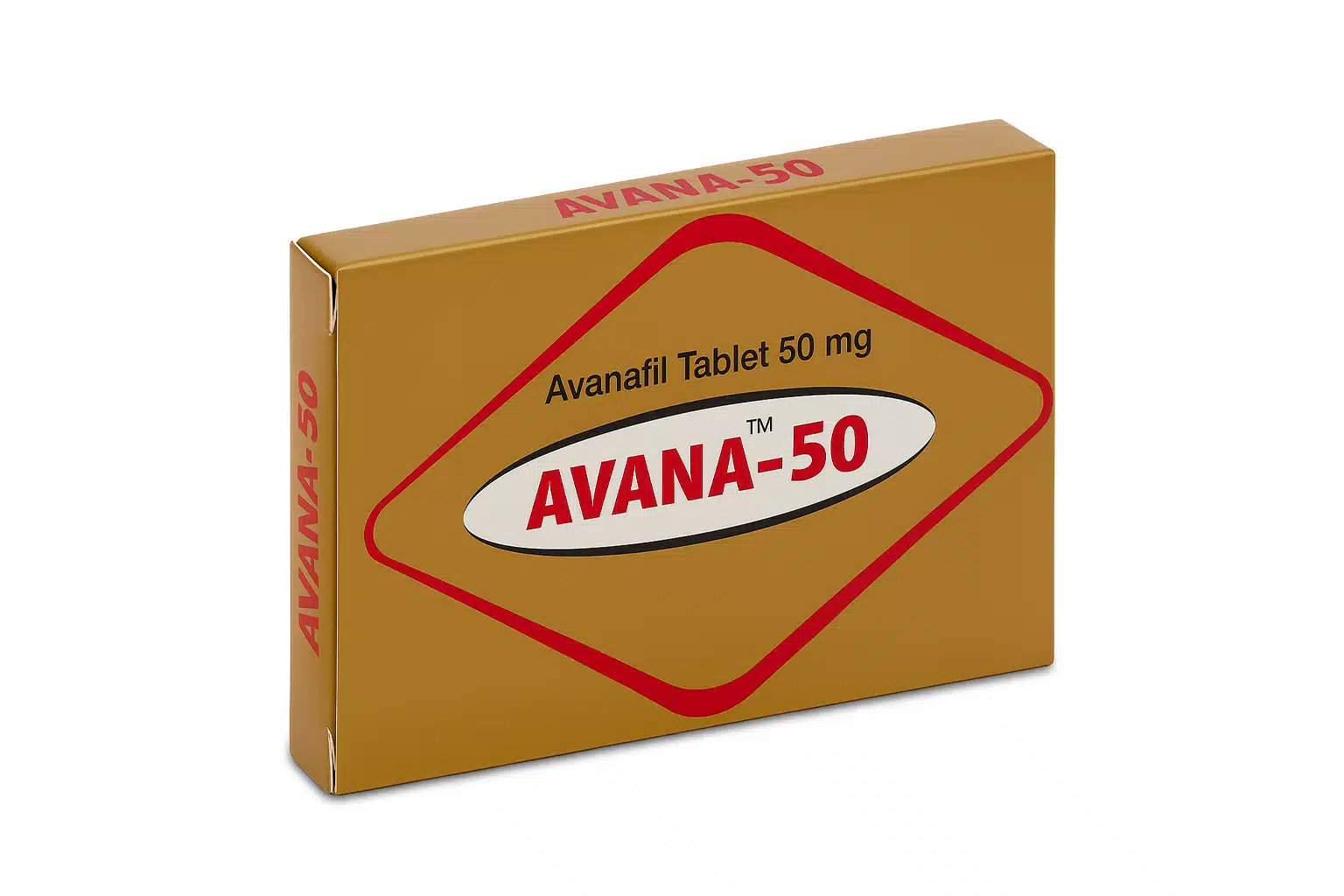
Avana 50 Mg (avanafil)
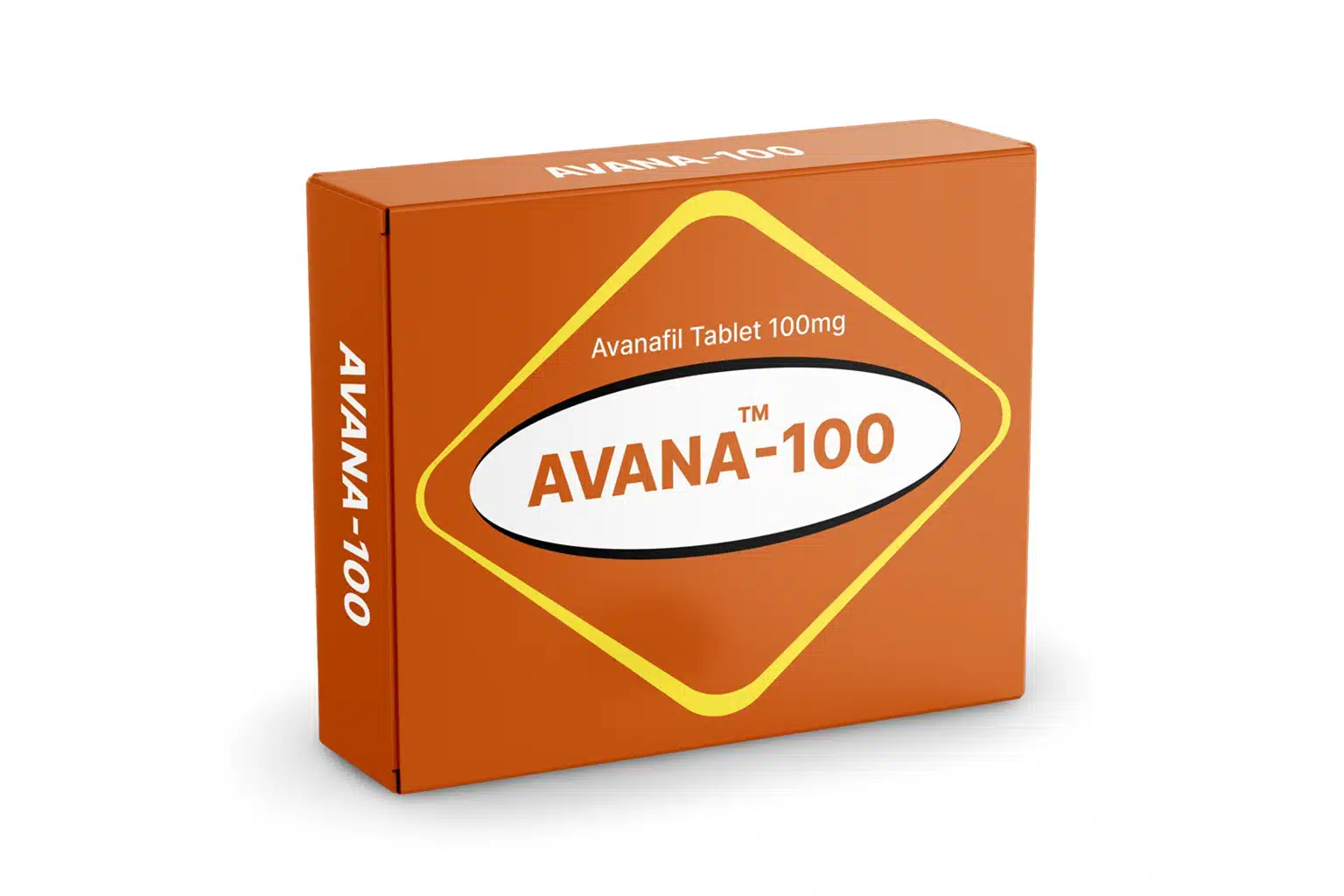
Avana$47.00 – $475.00Price range: $47.00 through $475.00Rated 5.00 out of 5Shop Now This product has multiple variants. The options may be chosen on the product pageAvana 100mg
Avana$36.00 – $179.00Price range: $36.00 through $179.00Rated 4.00 out of 5Shop Now This product has multiple variants. The options may be chosen on the product pageSuper Avana 160mg
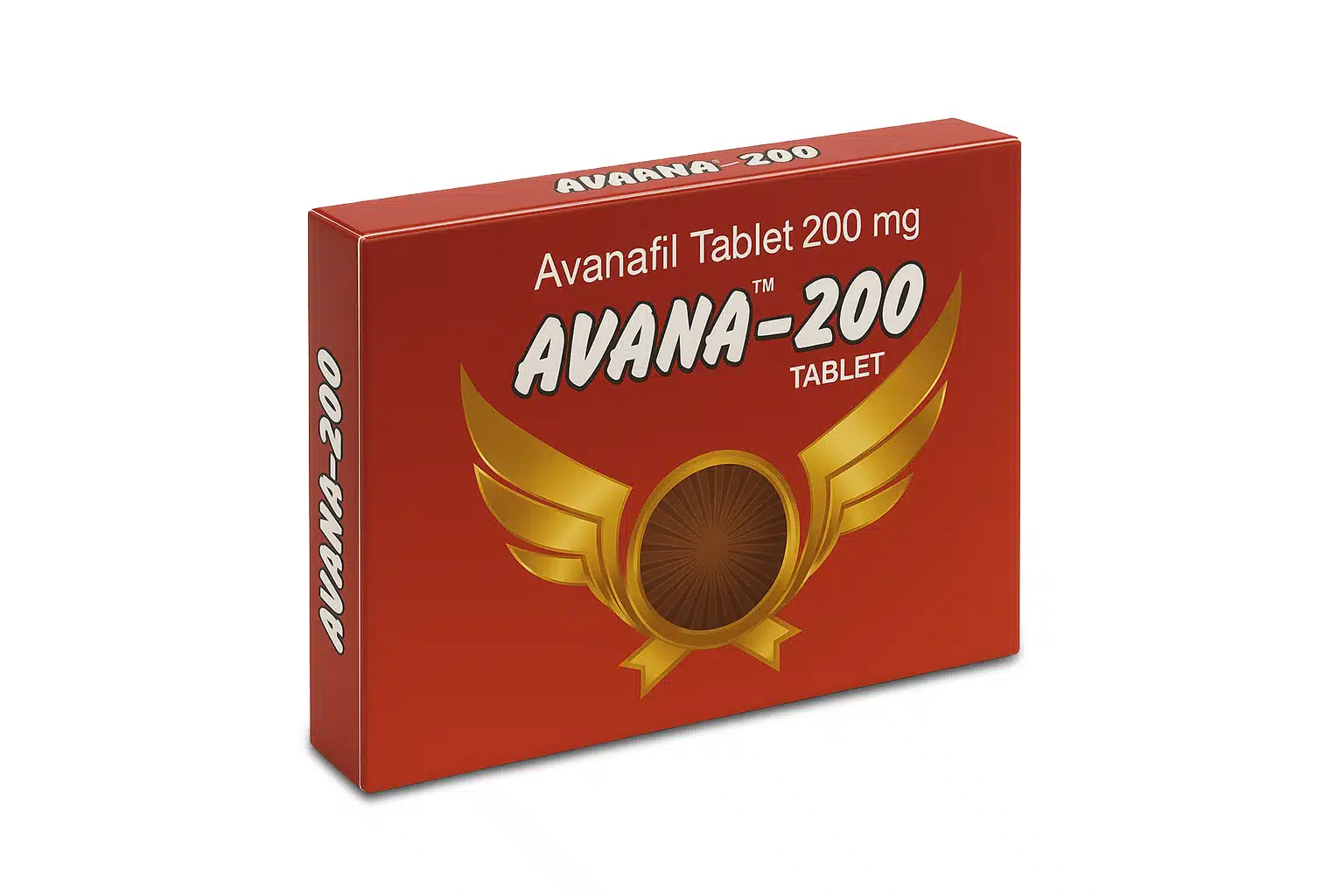
Avana$154.00 – $372.00Price range: $154.00 through $372.00Rated 4.00 out of 5Shop Now This product has multiple variants. The options may be chosen on the product pageAvana 200mg
Avana$135.00 – $640.00Price range: $135.00 through $640.00Rated 5.00 out of 5Shop Now This product has multiple variants. The options may be chosen on the product page
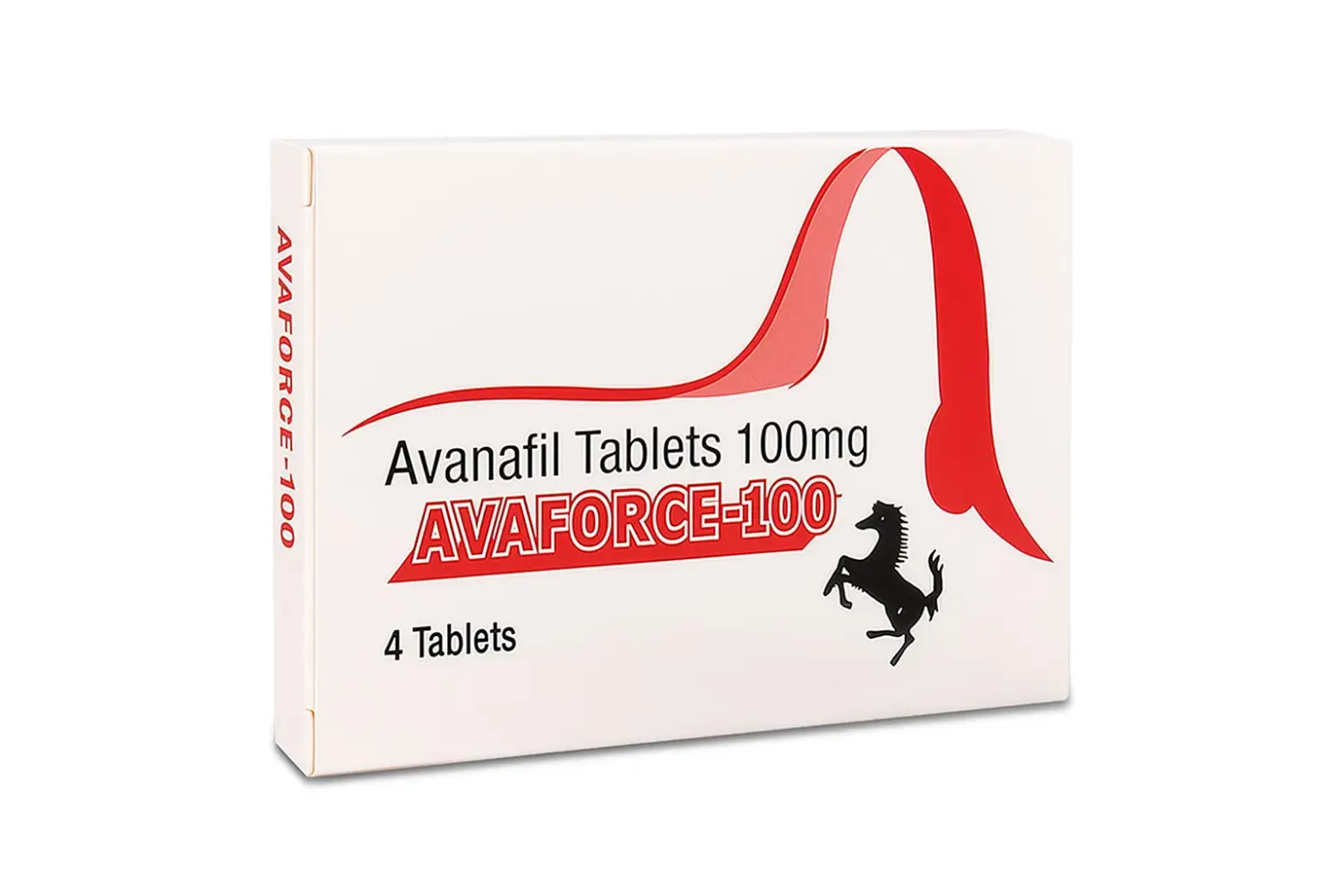
Avaforce 100 Mg
Avaforce$79.00 – $156.00Price range: $79.00 through $156.00Rated 4.00 out of 5Shop Now This product has multiple variants. The options may be chosen on the product pageAvaforce 50 Mg
Avaforce$67.00 – $123.00Price range: $67.00 through $123.00Rated 4.00 out of 5Shop Now This product has multiple variants. The options may be chosen on the product pageAvanair 100mg
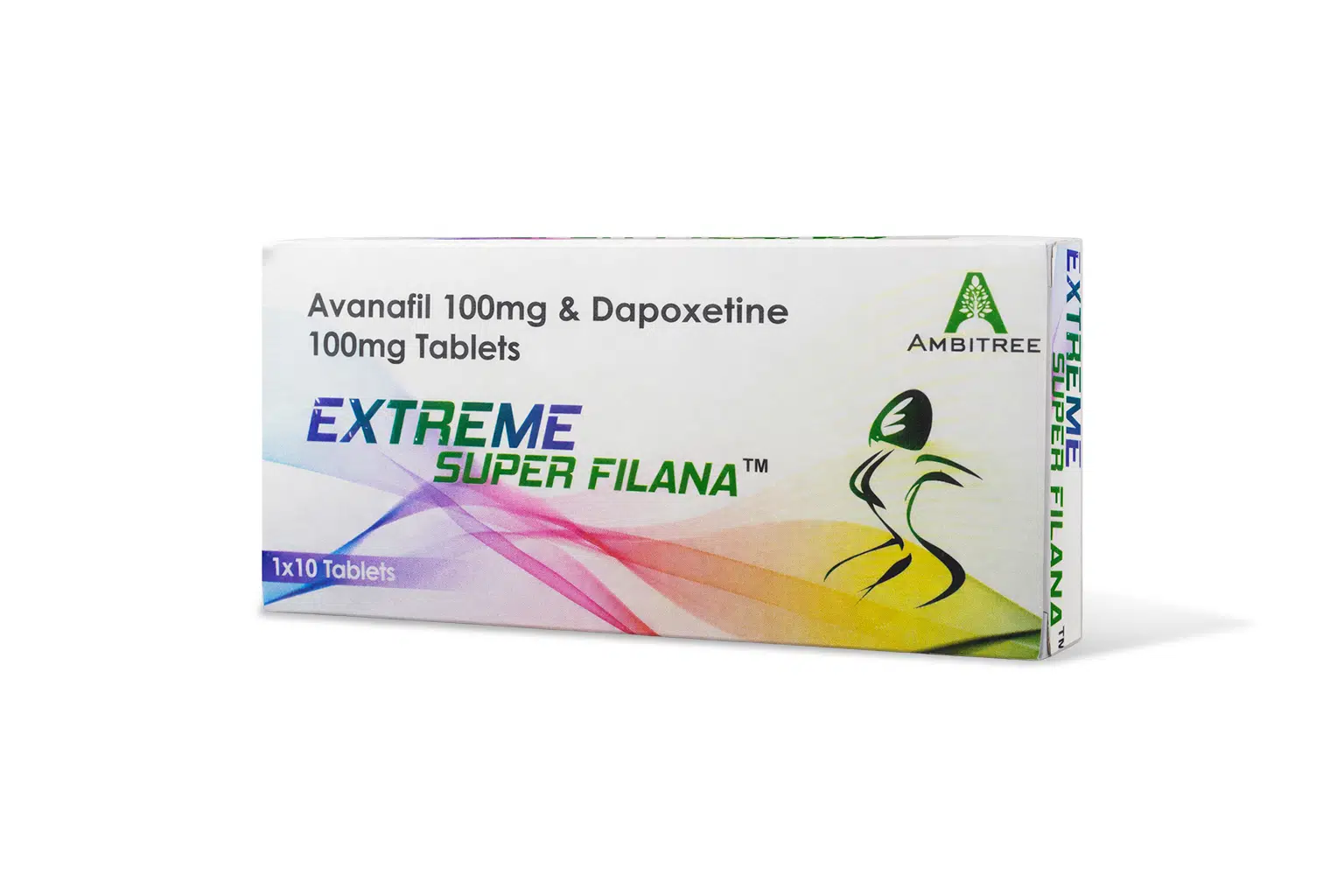
Avanafil$85.00 – $166.00Price range: $85.00 through $166.00Rated 4.00 out of 5Shop Now This product has multiple variants. The options may be chosen on the product pageExtreme Super Filana
Avanafil$40.00 – $120.00Price range: $40.00 through $120.00Rated 4.00 out of 5Shop Now This product has multiple variants. The options may be chosen on the product page



Can Being Hard for Too Long Cause Erectile Dysfunction?
A long erection that ends on its own after normal arousal doesn’t cause ED. Your body does something similar every night. Healthy men typically have several erections during sleep, each lasting around 20 to 40 minutes.
The real concern is the low flow type left untreated. Erectile tissue is soft and elastic. When it’s starved of oxygen for too long, scar tissue can replace some of that elasticity, and scar tissue doesn’t expand well. That’s how erections become weaker afterward. Reports show the chance of lasting ED climbs the longer treatment is delayed, especially past 24 hours. When care starts within a few hours, function is often protected. So the clock matters more than the event. A prolonged erection that’s treated early rarely leaves a long term mark.
Priapism Causes: Why It Happens
Priapism causes fall into a few groups, and some of them are less obvious than you’d expect.
- Blood disorders: sickle cell disease is the best known cause, since misshapen cells can clog the veins that drain the penis. Leukemia and other blood conditions can do it too.
- Medicines: injections used for ED, some antidepressants such as trazodone, certain antipsychotics, blood thinners and ADHD medicines have all been linked to it.
- Recreational drugs: cocaine and heavy alcohol use can play a part.
- Injury: a hit to the groin or pelvis, or a spinal cord injury, can disrupt blood flow signals.
Sometimes, no clear cause turns up at all, and that’s okay. It doesn’t mean you did anything wrong.
Risk Factors for Prolonged Erections
Some men are simply more likely to run into this. Risk factors for prolonged erections include sickle cell disease or trait, using penile injection therapy (especially at higher doses or combined with other ED treatments), and taking several medicines that affect blood flow. Stimulant use adds to the list.
Here’s a detail few people mention. Past episodes matter most. A stuttering pattern can raise the odds of a longer episode later. Also, priapism tends to show up in two age groups: young boys with sickle cell disease, and men in their 20s through 50s. If you’ve had even one scare, it’s worth mentioning to your doctor.
Penile Blood Flow Problems That Quietly Raise the Risk
An erection is basically a pressure system. Arteries bring blood in, the tissue expands, and that expansion squeezes the draining veins shut. When it’s over, the muscle relaxes and the blood leaves. Penile blood flow problems can disrupt any step of that cycle.
Here’s something that feels backward. An erection that won’t end and one that won’t start can both come from trouble in this same control system. Men with diabetes, high blood pressure, high cholesterol or a smoking habit often have narrowed vessels, and that’s why many of them are prescribed ED medicines.
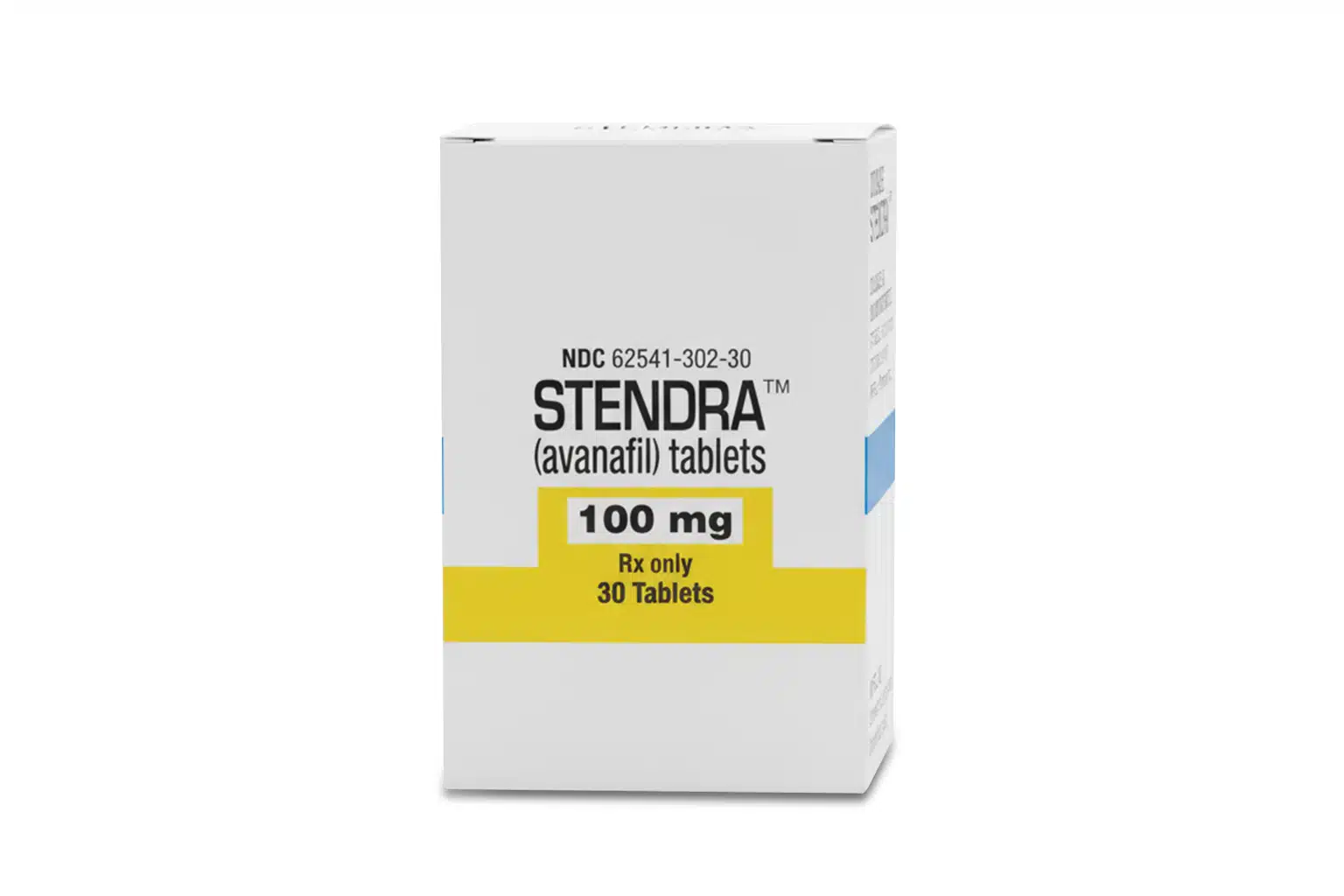
Those medicines, including fast acting options like avanafil, are meant to work with natural arousal and then fade as the dose clears your body. Priapism from oral ED pills is rare. Still, if an erection lasts more than four hours, get emergency care and don’t take another dose.
How Long Does Priapism Last?
It depends on the type. Ischemic priapism won’t settle on its own, and the risk of tissue damage begins around the four hour mark. That’s why it’s treated as an emergency. Non ischemic priapism can last days or even weeks and sometimes settles with simple observation. It’s less urgent but still needs a doctor’s visit. Stuttering episodes usually last less than three hours and tend to repeat, often at night.
The tricky part is that you can’t tell the type just by looking. So if you’re unsure, treat it as urgent.
Prolonged Erection Treatment: What Doctors Do
Prolonged erection treatment depends on the type. For the low flow kind, doctors usually numb the area, drain the trapped blood with a small needle and flush the tissue with saline. They may also inject a medicine called phenylephrine, which tightens the blood vessels and helps the erection settle. If that doesn’t work, a small surgical shunt can create a new path for blood to leave.
For the high flow kind, doctors often just watch and wait, or block the leaking artery with a minor procedure. For stuttering cases, the focus is prevention. That might mean treating sickle cell disease more closely or, in some cases, trying a low daily dose of an ED medicine under specialist care.
What should you do at home? Don’t wait it out. Don’t take more ED medicine. And don’t try to end it with sex or ejaculation, since it often doesn’t help.
What Is the Average Time Men Can Last?
Since we’re talking about timing, let’s clear up a common mix up. A well known study of about 500 couples across five countries found the median time from penetration to ejaculation was around five and a half minutes, with a wide range. So lasting half an hour isn’t the standard most men should measure themselves against.
Lasting longer in bed is about control. A prolonged erection is about blood that can’t leave. They’re completely different things, and they shouldn’t be confused.
Final Thoughts
An erection that lasts too long can feel embarrassing, and that’s exactly why some men wait too long to get help. Please don’t. Fast care is the biggest factor in protecting your long term erectile function. If you’ve had one episode, talk to a doctor about your medicines and any blood conditions, and keep your heart and vessels healthy. Healthy blood flow helps in both directions.
Frequently Asked Questions
1. How long can an erection last before it becomes dangerous?
An erection lasting longer than four hours is a medical emergency. Then the trapped blood can begin to damage the erectile tissue. Don’t wait for it to settle, seek urgent care.
2. Is a prolonged erection always priapism?
No. An erection that follows normal arousal and fades in a reasonable time isn’t priapism. True priapism lasts past four hours or continues without sexual stimulation, and it’s often painful.
3. Can ED medicine cause an erection that won’t go away?
It’s rare, but it can happen. If an erection from an ED pill lasts more than four hours, go to the emergency room right away and avoid taking another dose.
4. Can one episode of priapism cause lasting erectile problems?
It can, mainly when the low flow type goes untreated for many hours. Quick treatment, often within four to six hours, gives the best chance of protecting long term erectile function.
5. What should I do if my erection won’t go down?

Dr. Lucifier is a men’s health specialist with over 12 years of experience in sexual wellness and ED treatment. He holds an MBBS, MD in Internal Medicine, and DM in Urology, and focuses on safe, personalized care using proven therapies like Sildenafil and Tadalafil.