
If something isn’t working, you can change the battery in your phone, restart the Wi-Fi, or even turn the whole machine off and on again. If you try for months and still can’t get pregnant, there is no easy way to “start over.” As a couple early factors like ovulation dlwlvq, stress, diet, sleep, or age, the man may start to wonder if something is wrong, too.
That question is important because pregnancy isn’t just a problem for women. About 40–50% of cases of infertility are thought to be caused by male factors, either on their own or in combination with female factors. And it’s not always clear what caused it. Hormones, infections, genetics, medications, lifestyle choices, heat exposure, chemicals in the environment, or problems with the reproductive organs can all affect the production of sperm.
So, what makes men unable to have children? The answer could be anything from a medical problem that can be fixed to a group of smaller problems that slowly affect sperm output or function. It isn’t just one condition. It’s more like an umbrella term for a bunch of different things that can go wrong, like the sperm count, sperm shape, sperm movement, hormone levels, and physical blockages.
Why Do Men Experience Infertility?
So what are common medical causes of male infertility? Varicocele comes up constantly in this conversation, which basically means there are swollen veins in the scrotum, kind of like varicose veins. It messes with testicular temperature regulation, and sperm really doesn’t like heat.
Then there are infections. Mumps as an adult can do damage nobody warns you about. STIs that are left untreated can also leave their scar. Hormonal issues too, low testosterone, thyroid problems, and pituitary gland stuff that most people don’t really think about getting tested for.
Undescended testicles from childhood, blockages in the tubes that carry sperm, even certain tumors or past cancer treatment, and chemo and radiation specifically can all factor in. There’s also retrograde ejaculation, which is when, during an orgasm, semen goes backward into the bladder instead of going out of the penis.
Honestly, the list of common medical conditions leading to male fertility problems is long enough that most men have probably never heard of half of them until a doctor mentions it. Age plays a role too, though it gets far less attention than it does on the female side, sperm quality does decline with age, just more slowly and quietly.
Genetics can factor in as well, things like chromosomal issues that nobody thinks to check for until other explanations run out. And sometimes, honestly, medical professionals run every test they’ve got and still can’t pin down a clear reason. Unexplained cases exist, and they’re more common than most people assume.
Best Seller

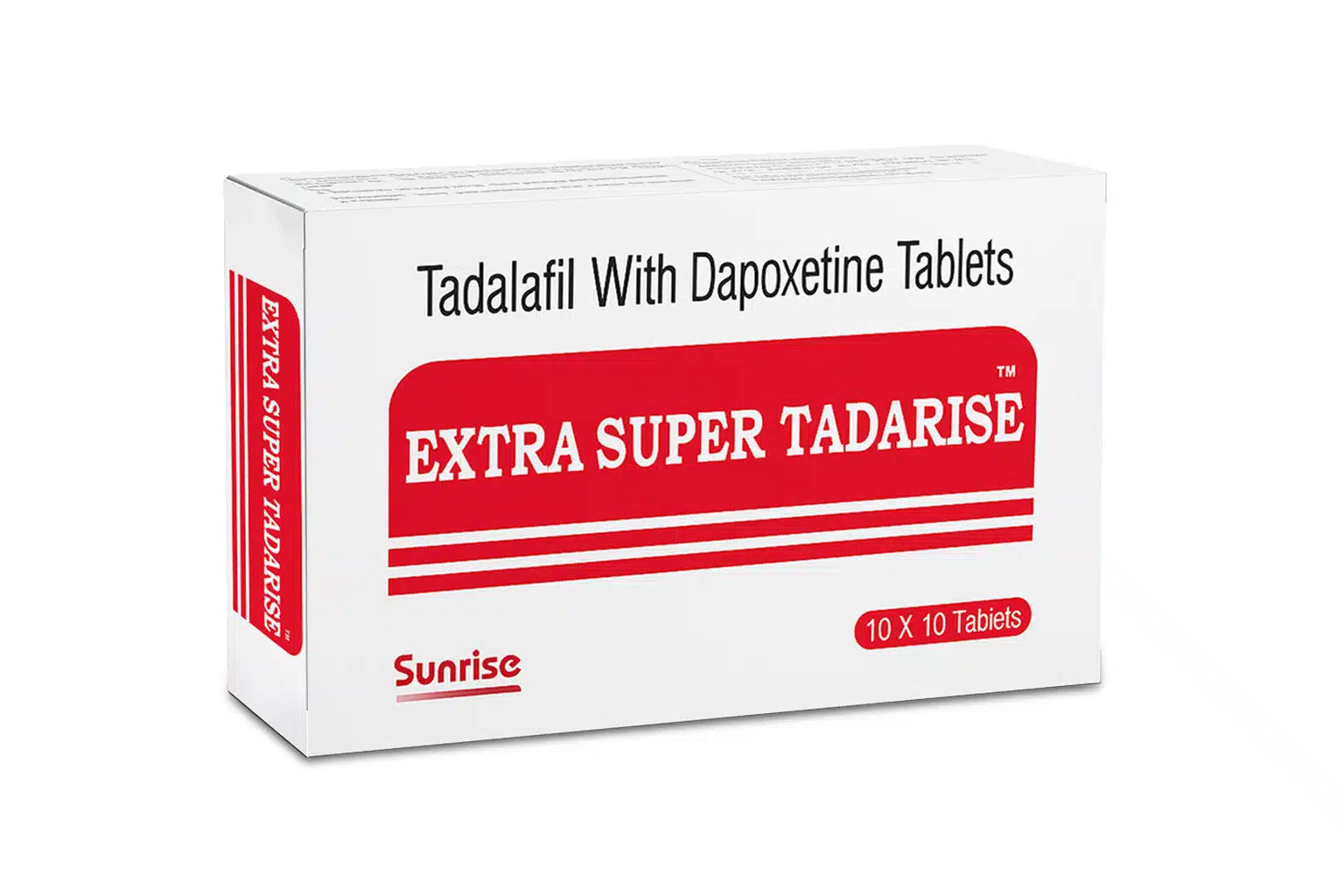
Extra Super Tadarise
ALL$48.00 – $720.00Price range: $48.00 through $720.00Rated 5.00 out of 5Shop Now This product has multiple variants. The options may be chosen on the product pageSuper Tadarise
ALL$45.00 – $446.00Price range: $45.00 through $446.00Rated 4.00 out of 5Shop Now This product has multiple variants. The options may be chosen on the product pageSuper Vidalista 80 Mg
ALL$78.00 – $784.00Price range: $78.00 through $784.00Rated 5.00 out of 5Shop Now This product has multiple variants. The options may be chosen on the product pageCenforce D 100+60 Mg
Cenforce$41.00 – $412.00Price range: $41.00 through $412.00Rated 5.00 out of 5Shop Now This product has multiple variants. The options may be chosen on the product page- Sale!
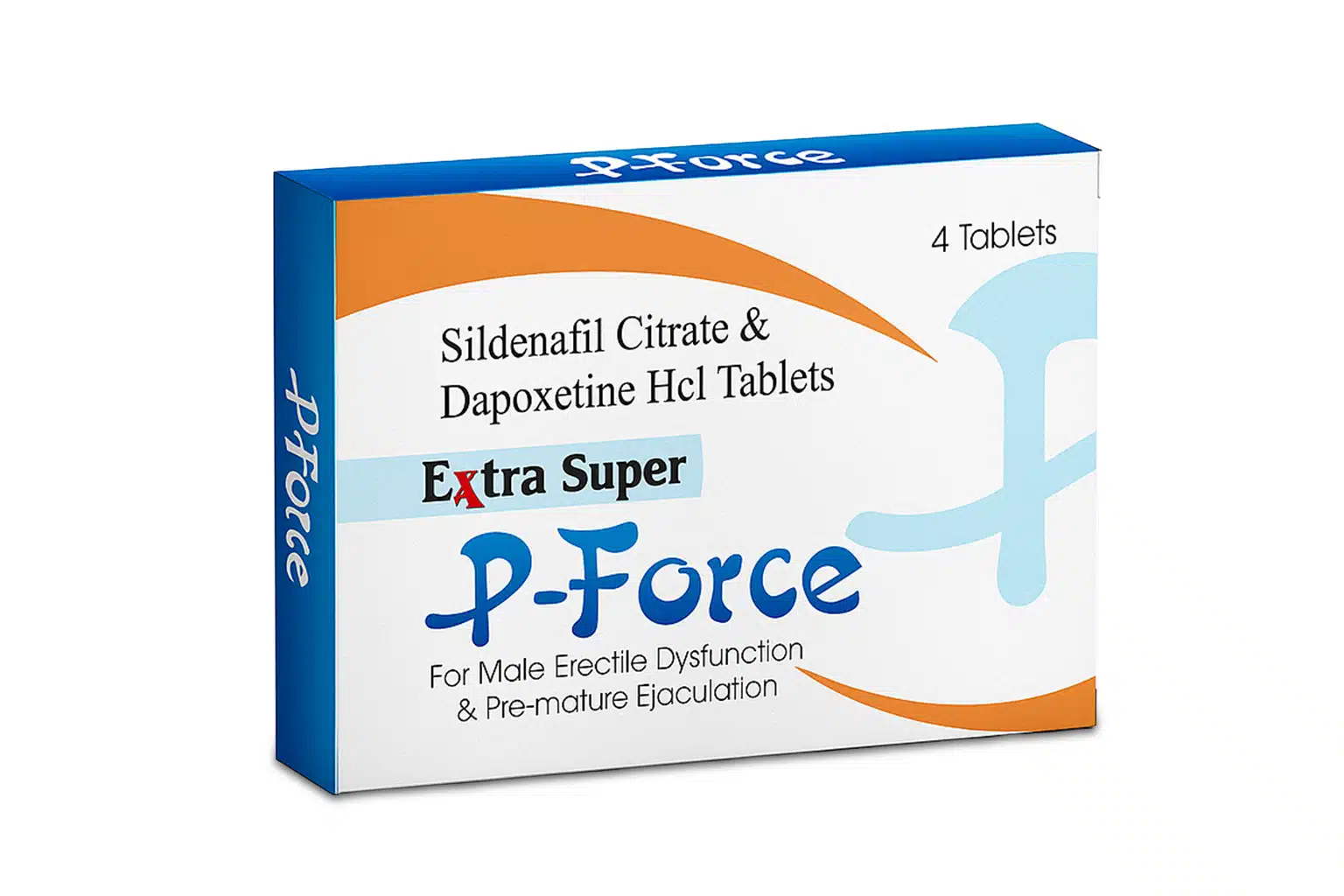
Extra Super P Force
ALL$80.00 – $305.00Price range: $80.00 through $305.00Rated 5.00 out of 5Shop Now This product has multiple variants. The options may be chosen on the product page 
Super Kamagra (Sildenafil 100 Mg + Dapoxetine 60 Mg )
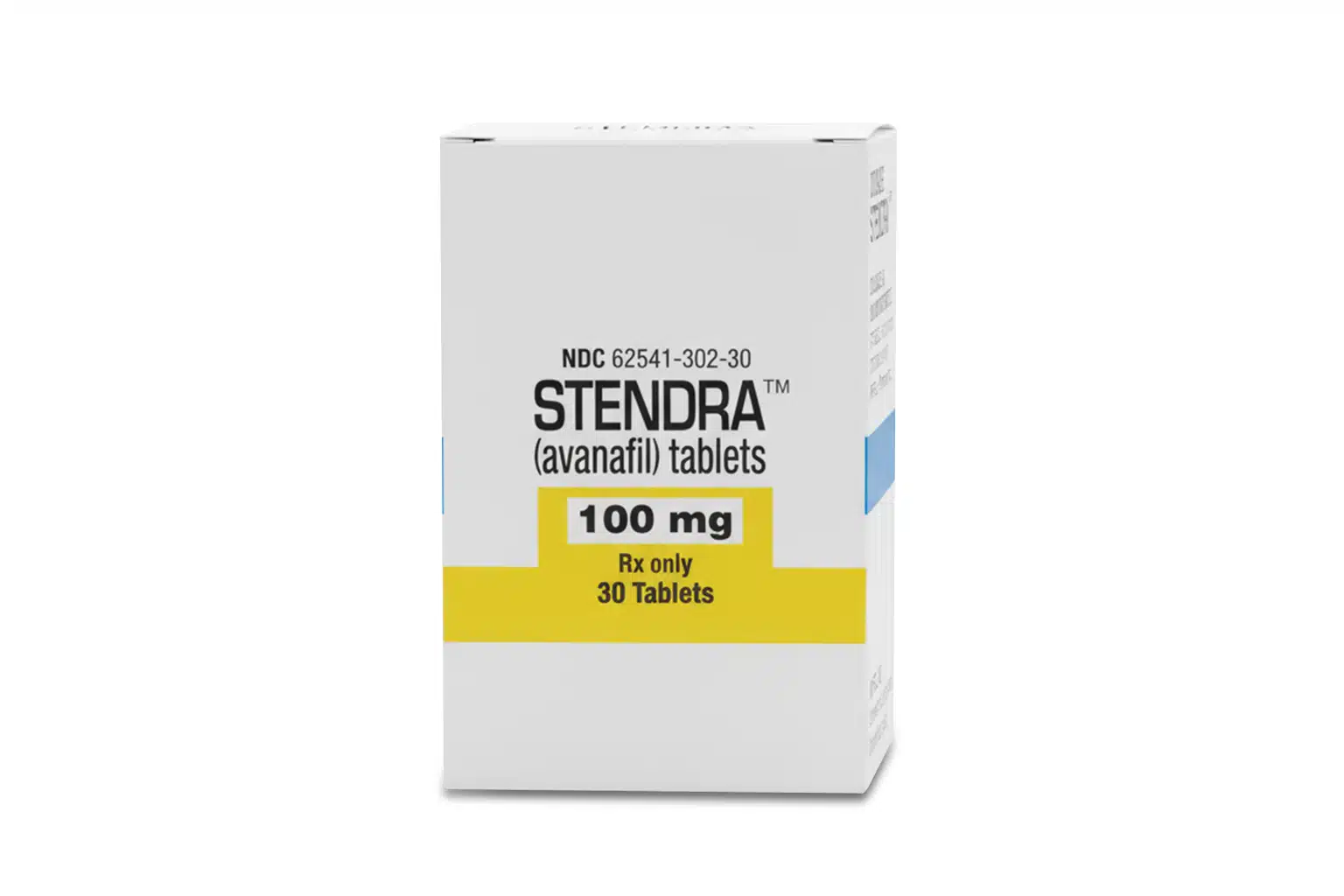
Ajanta Pharma$22.00 – $280.00Price range: $22.00 through $280.00Rated 4.00 out of 5Shop Now This product has multiple variants. The options may be chosen on the product pageAvana 50 Mg (avanafil)
Avana$47.00 – $475.00Price range: $47.00 through $475.00Rated 5.00 out of 5Shop Now This product has multiple variants. The options may be chosen on the product pageAvana 100mg
Avana$36.00 – $179.00Price range: $36.00 through $179.00Rated 4.00 out of 5Shop Now This product has multiple variants. The options may be chosen on the product pageSuper Avana 160mg
Avana$154.00 – $372.00Price range: $154.00 through $372.00Rated 4.00 out of 5Shop Now This product has multiple variants. The options may be chosen on the product pageAvana 200mg
Avana$135.00 – $640.00Price range: $135.00 through $640.00Rated 5.00 out of 5Shop Now This product has multiple variants. The options may be chosen on the product page
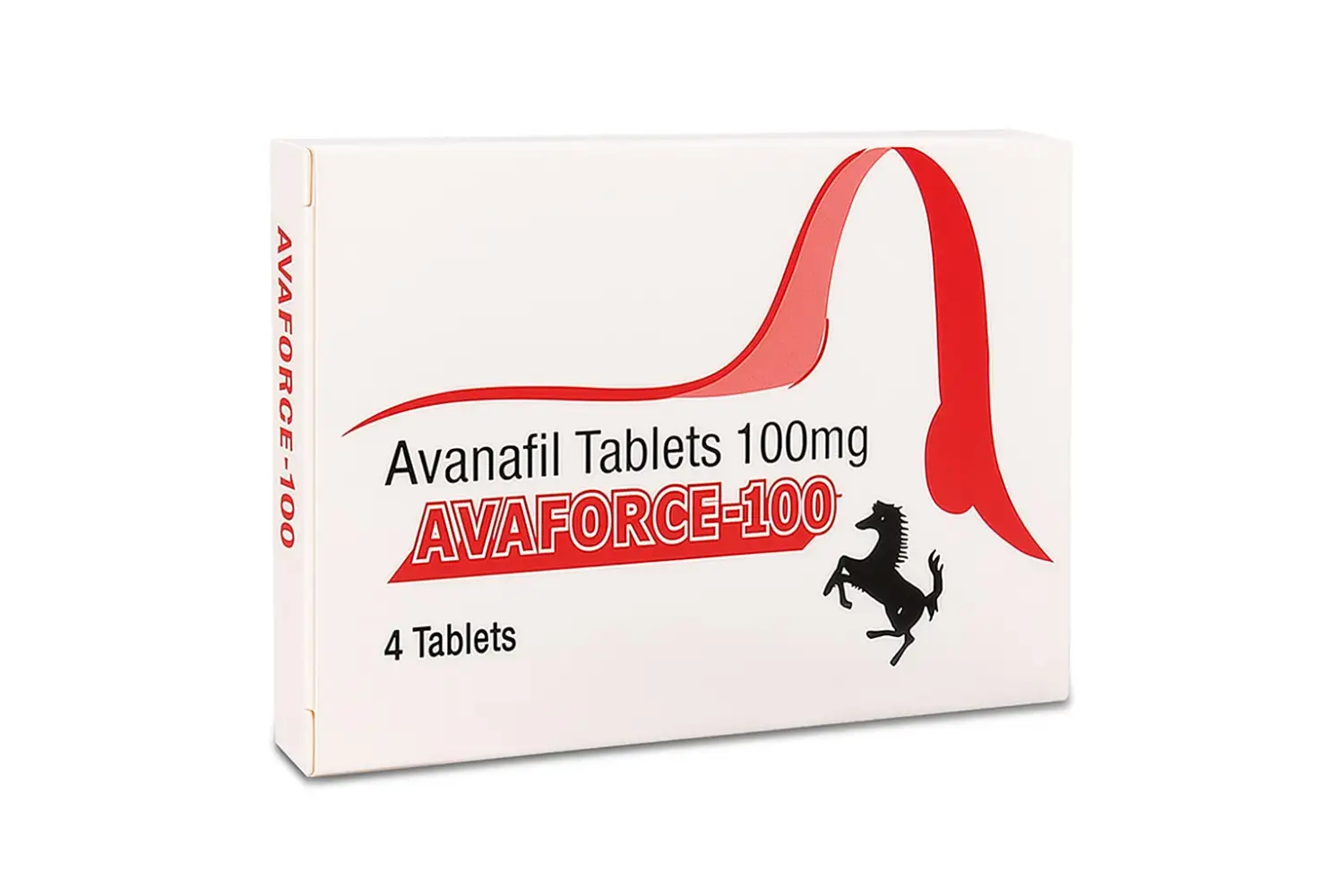
Avaforce 100 Mg
Avaforce$79.00 – $156.00Price range: $79.00 through $156.00Rated 4.00 out of 5Shop Now This product has multiple variants. The options may be chosen on the product pageAvaforce 50 Mg
Avaforce$67.00 – $123.00Price range: $67.00 through $123.00Rated 4.00 out of 5Shop Now This product has multiple variants. The options may be chosen on the product pageAvanair 100mg
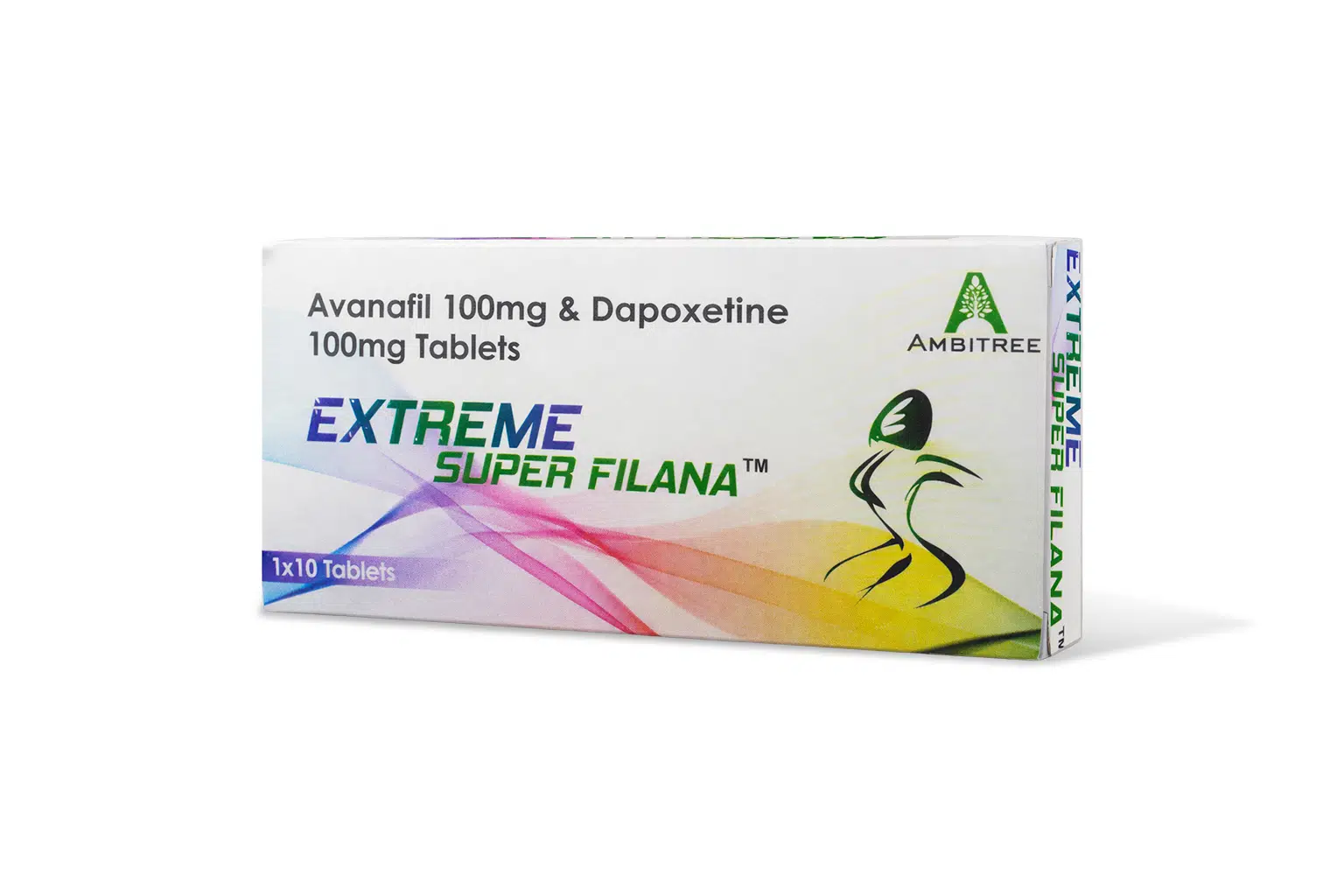
Avanafil$85.00 – $166.00Price range: $85.00 through $166.00Rated 4.00 out of 5Shop Now This product has multiple variants. The options may be chosen on the product pageExtreme Super Filana
Avanafil$40.00 – $120.00Price range: $40.00 through $120.00Rated 4.00 out of 5Shop Now This product has multiple variants. The options may be chosen on the product page










Lifestyle Factors Leading to Male Infertility
This is where it gets a little annoying, because a lot of it is stuff people already kind of know but ignore. Factors like smoking, heavy drinking, or being significantly overweight. Experiencing chronic stress that never really goes away or not sleeping enough for years at a time.
Lifestyle factors affecting male sperm health get brought up in almost every fertility consult, and for good reason, sperm regenerates roughly every 2-3 months, so what someone does in that window actually matters. Cyclists who ride constantly may get affected. Guys who sit in hot tubs a lot or have their laptop on their lap for hours every day may expose their reproductive organs to heat, which can affect their fertility.
Diet plays in too. Low zinc, low folate, and low vitamin C deficiencies quietly chip away at sperm quality over time without anyone noticing until testing shows it. Stuff like processed food, not enough sleep, and skipping exercise for months on end can affect every person. None of it is dramatic on its own, but stacked together over years, it adds up more than people expect. Alcohol especially seems to get downplayed a lot, probably because it’s so normalized socially that nobody wants to be the one bringing it up at a barbecue.
Can Certain Medications Cause Male Infertility?
Yeah, actually. Some blood pressure medications, certain antidepressants, long-term steroid use (including bodybuilding-related testosterone use, which paradoxically can shut down natural sperm production), and some chemotherapy drugs are known culprits.
This is also where erectile dysfunction tends to enter the conversation, even though it’s technically a separate issue from infertility itself. ED and fertility struggles show up together often enough that they get lumped in the same conversations, mostly because both affect a couple’s ability to conceive, just through different mechanisms. Cenforce 100 mg, for instance, sildenafil citrate, the same active compound as the well-known blue pill, is typically recommended for erectile dysfunction, not infertility. It doesn’t improve sperm count or sperm quality. What it does is help with achieving and maintaining an erection, which for some men dealing with both ED and fertility concerns matters for the practical side of trying to conceive naturally, timing-wise.
Cenforce 120 mg is a stronger dose of the same thing, usually considered when the 100 mg dose doesn’t do enough. Neither one treats the underlying condition directly. It’s worth being clear about that, because people sometimes assume ED meds fix fertility, and they don’t. They just help with one piece of a much bigger and more complicated picture. Ultimately, these ED medications don’t necessarily lead to infertility.
Effects of Environment on Fertility
Environmental toxins linked to male reproductive issues include stuff like pesticides, heavy metals like lead, industrial chemicals, and even certain plastics (BPA gets mentioned a lot). Forever chemicals, namely PFAS, are one of the huge contributors to male infertility. Guys working in agriculture, construction, or certain manufacturing jobs get exposed to these toxins more than most people realize.
Radiation exposure, prolonged heat at certain job sites, and even some solvents used in painting or printing can all add up in ways that aren’t always obvious until someone connects the dots years later.
What Can Be Done About This?
What over-the-counter supplements help treat male infertility causes? Zinc, folic acid, CoQ10, and vitamin C show up most often in this space, though the evidence on how much they actually help varies a lot depending on which study you read. Nobody should expect a supplement bottle to fix a varicocele or reverse a hormonal issue on its own.
How can lifestyle changes improve male infertility causes? Quitting smoking, cutting back on alcohol, losing weight if that’s relevant, managing stress somehow, avoiding excess heat near the groin area, and sleeping properly. None of this is instant. Sperm takes months to regenerate, so changes made today don’t show results for a while, which is frustrating for people who want answers quickly.
Getting Medical Attention
What diagnostic tests do fertility centers use to identify male infertility causes? It usually starts with a semen analysis, checking count, motility, and morphology. Depending on what shows up, hormone blood tests follow, sometimes genetic testing, sometimes an ultrasound to check for varicocele or blockages. A physical exam is standard too, obviously.
Which clinics specialize in diagnosing causes of male infertility near me is one of those searches people run at like 1am after months of trying and getting nowhere. Reproductive urologists and dedicated fertility clinics are usually the right starting point rather than a general practitioner, though a general practitioner referral is often step one anyway.
FAQs
1. Is male infertility permanent?
Not always. It really depends heavily on the cause, because some things are treatable, and some aren’t.
2. When do lifestyle changes start having an effect on the sperm quality?
Usually around 2-3 months, since that’s roughly the sperm regeneration cycle.
3. Does Cenforce treat male infertility?
Cenforce, which is basically sildenafil, treats erectile dysfunction but not infertility itself.
4. Can stress alone cause it?
It can contribute, especially through hormone disruption, but it’s rarely the sole cause on its own.
5. Should both partners get tested for infertility?
Yes, generally, fertility issues involve both partners in a substantial share of cases.
Definitely. There are millions of infertility issues globally, and there’s an equal share of male and female infertility problems worldwide.

Dr. Lucifier is a men’s health specialist with over 12 years of experience in sexual wellness and ED treatment. He holds an MBBS, MD in Internal Medicine, and DM in Urology, and focuses on safe, personalized care using proven therapies like Sildenafil and Tadalafil.