
Imagine being told that an organ you’ve likely never given a second thought to may need to be removed. Questions that seem remote suddenly become extremely practical: Can I still have sex? Will I be able to piss normally? And life after, what will it be like? Can I really live without it?
These anxieties are quite normal for males diagnosed with prostate cancer. The good news is yes, a guy can survive without a prostate. The prostate has a role in reproduction and optimal sexual function, but it is not necessary for life. Radical prostatectomy involves removing the prostate and adjacent tissue and possibly the seminal vesicles and lymph nodes depending on the malignancy.
After that, what happens is not only the loss of an organ. Surgery might impact urine control, ejaculation, erections and fertility. The extent of change is related to age, health, sexual function prior to surgery, location of the cancer, and whether the nerves essential for erections may be spared. Can you remove your prostate? That question gets typed into Google a weird number of times. And the answer is a straightforward yes. It’s called a prostatectomy. Medical professionals do it for prostate cancer mostly, sometimes for severe enlargement that’s causing urinary problems that won’t quit.
What Does the Prostate Actually Do?
Before we get to the point of prostate removal effects, what does the prostate actually do? The prostate is a small gland that’s situated just below your bladder and the surrounding area of the urethra. Its main job is to create some of the fluid that makes up semen. When a man ejaculates, this fluid is then mixed with sperm and other secretions that are formed by other reproductive organs.
So you can be assured that removing the prostate will not suddenly make it difficult for your body to produce testosterone since it technically has no effect on that factor, and neither will it dampen your sexual desire. The only main thing that will change is how the body ejaculates since the prostate has a main contribution towards that process. A man may just experience a “dry” orgasm, so to say, after they get their prostate removed.
Best Seller

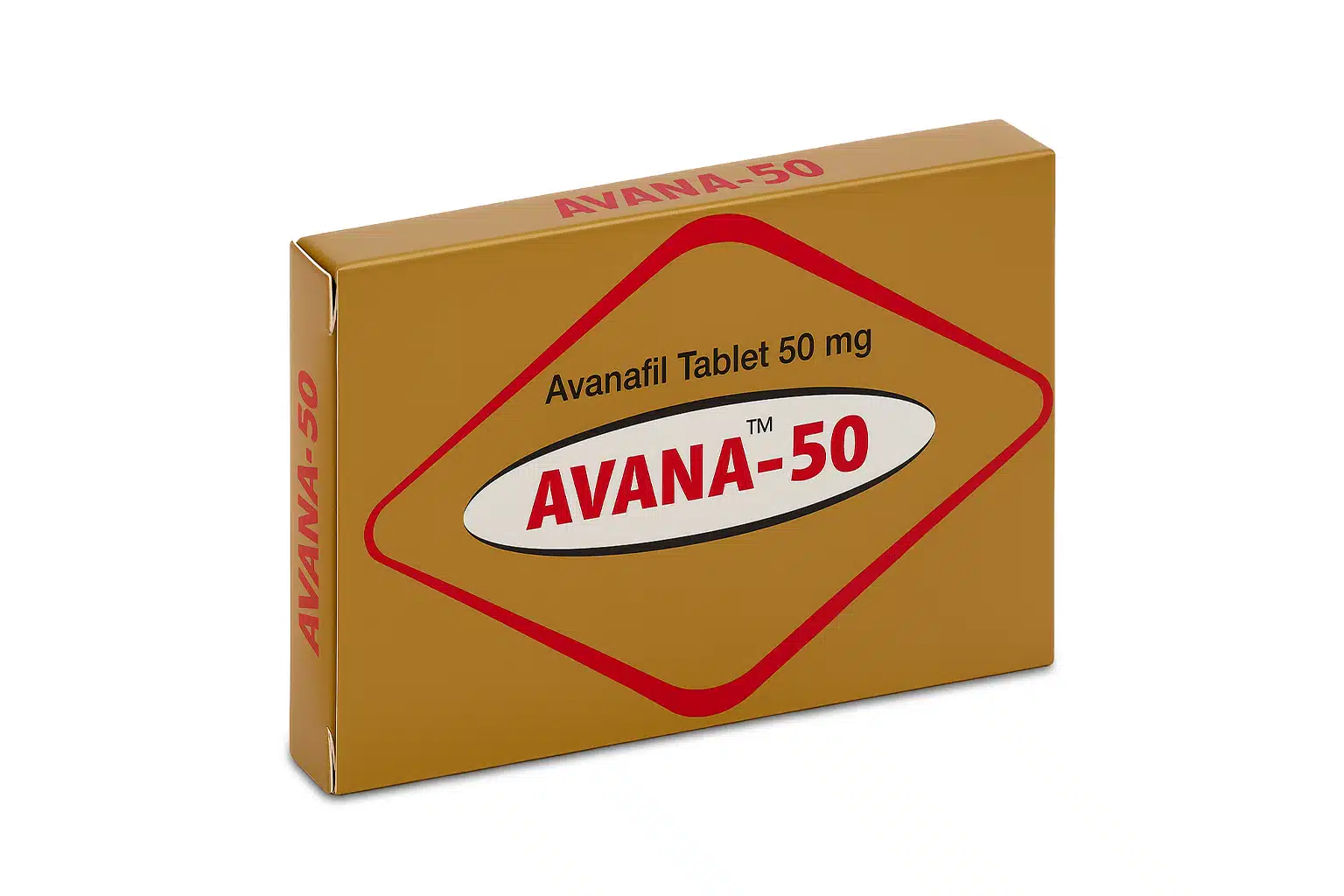
Avana 50 Mg (avanafil)
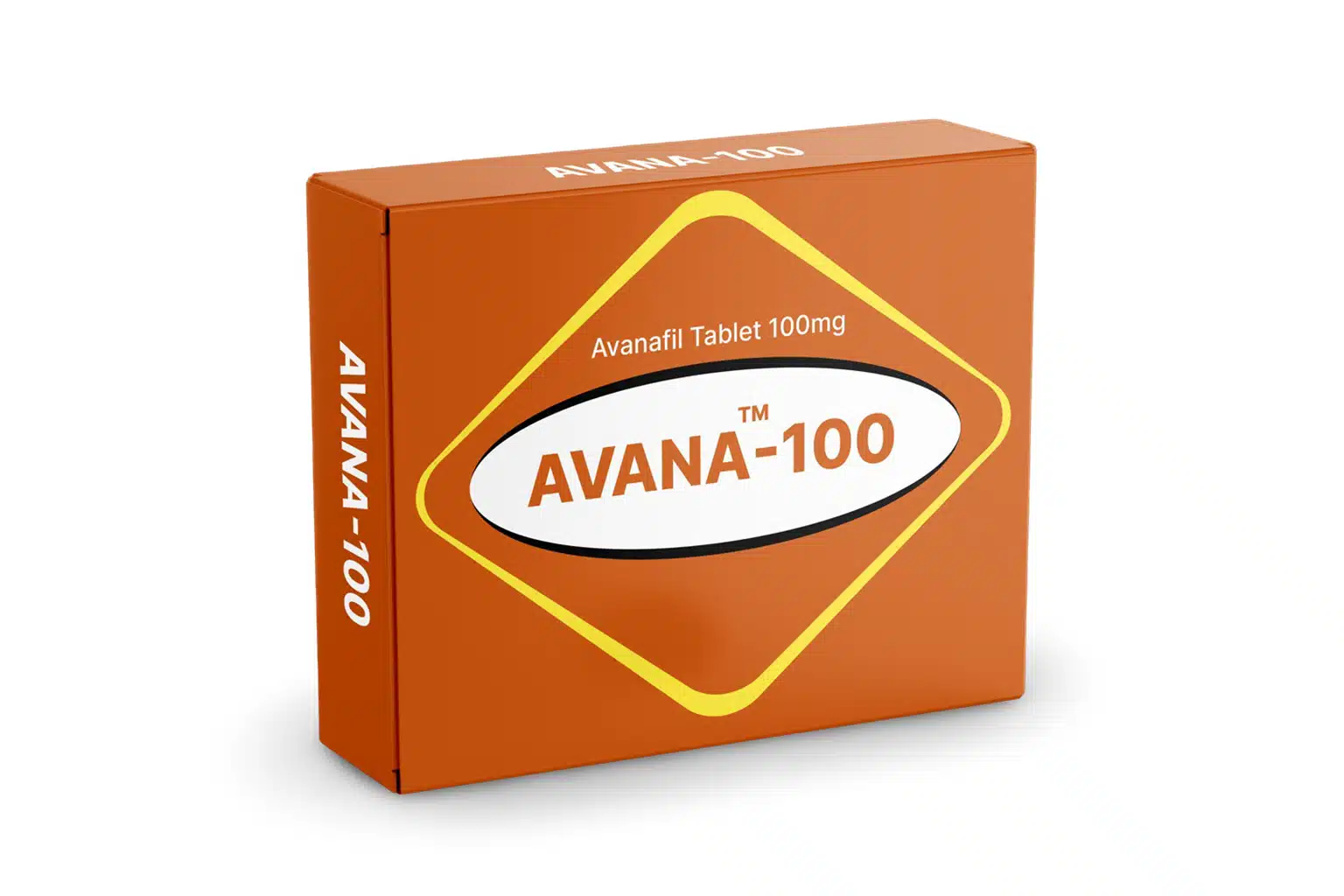
Avana$47.00 – $475.00Price range: $47.00 through $475.00Rated 5.00 out of 5Shop Now This product has multiple variants. The options may be chosen on the product pageAvana 100mg
Avana$36.00 – $179.00Price range: $36.00 through $179.00Rated 4.00 out of 5Shop Now This product has multiple variants. The options may be chosen on the product pageSuper Avana 160mg
Avana$154.00 – $372.00Price range: $154.00 through $372.00Rated 4.00 out of 5Shop Now This product has multiple variants. The options may be chosen on the product pageAvana 200mg
Avana$135.00 – $640.00Price range: $135.00 through $640.00Rated 5.00 out of 5Shop Now This product has multiple variants. The options may be chosen on the product page
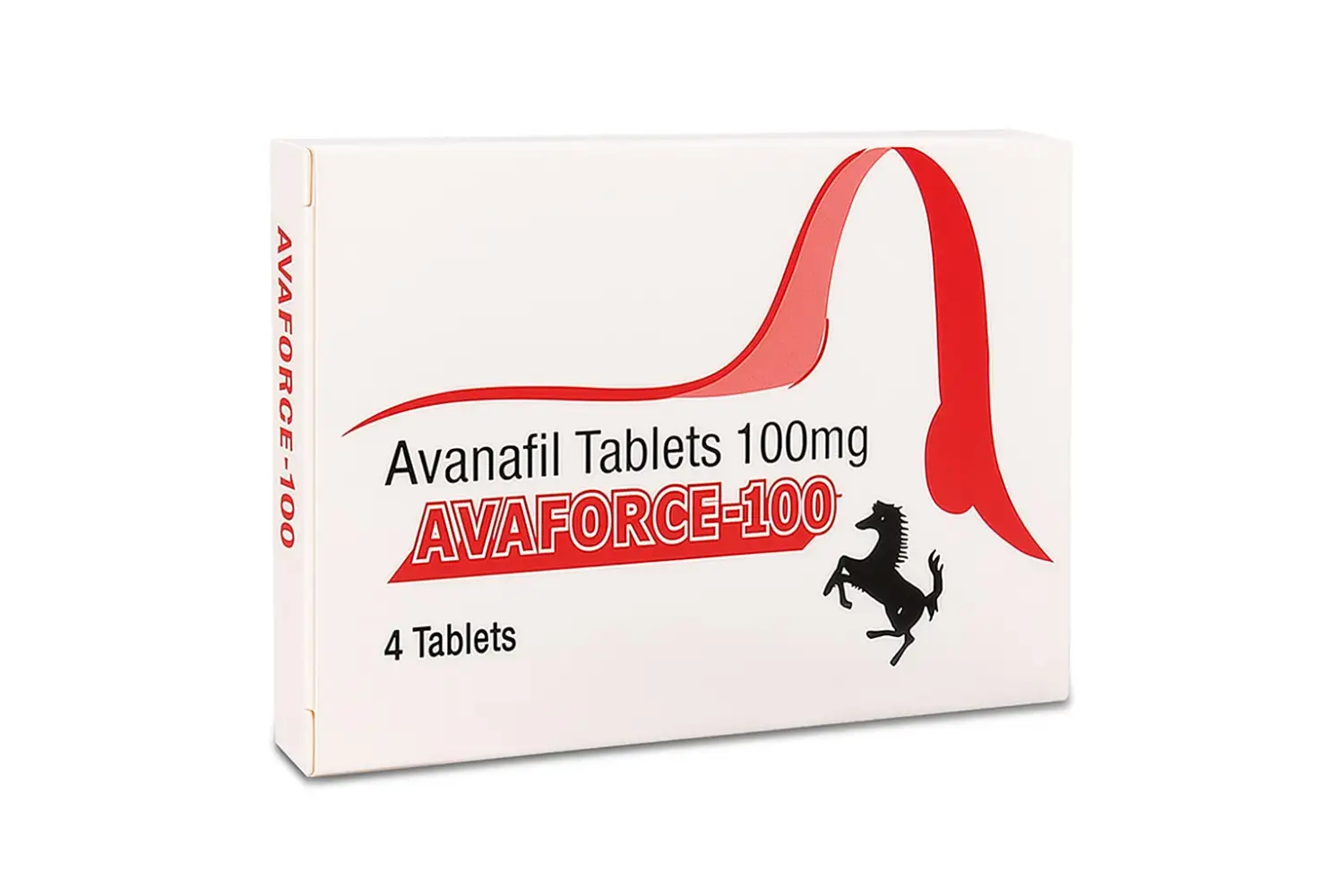
Avaforce 100 Mg
Avaforce$79.00 – $156.00Price range: $79.00 through $156.00Rated 4.00 out of 5Shop Now This product has multiple variants. The options may be chosen on the product pageAvaforce 50 Mg
Avaforce$67.00 – $123.00Price range: $67.00 through $123.00Rated 4.00 out of 5Shop Now This product has multiple variants. The options may be chosen on the product pageAvanair 100mg
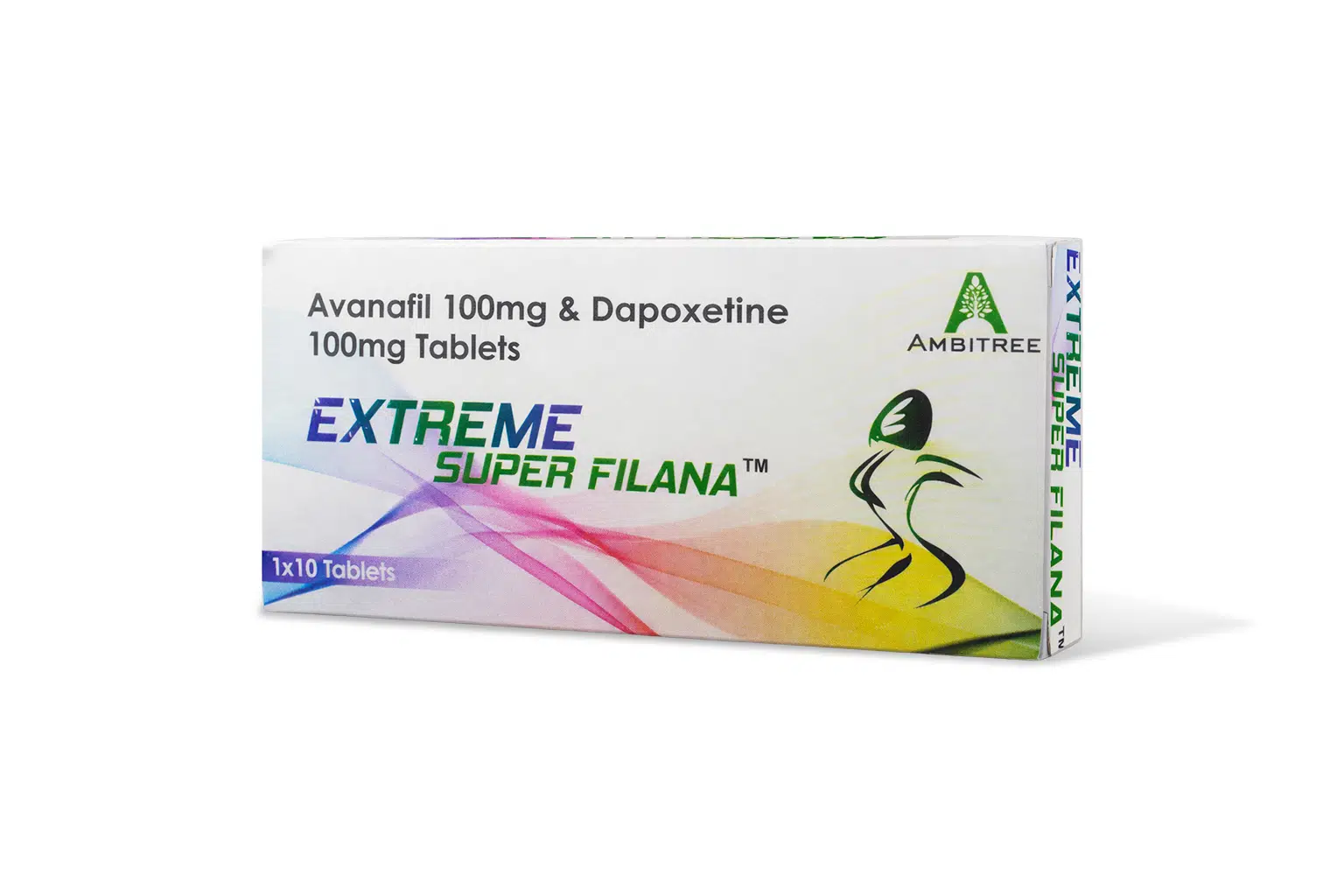
Avanafil$85.00 – $166.00Price range: $85.00 through $166.00Rated 4.00 out of 5Shop Now This product has multiple variants. The options may be chosen on the product pageExtreme Super Filana
Avanafil$40.00 – $120.00Price range: $40.00 through $120.00Rated 4.00 out of 5Shop Now This product has multiple variants. The options may be chosen on the product page




What Happens When You Have Your Prostate Removed?
Most people are scared of how their body will deal with the aftermath of the procedure and how life after prostate removal will be. But honestly, life after a prostate removal is not really difficult at all and quite manageable. You would just have to make a few adjustments here and there pretty much. In terms of the procedure, the surgeon takes out the gland, sometimes nearby lymph nodes if cancer’s suspected of spreading, and then reconnects the urethra to the bladder.
The recovery period will be the main adjustment for an individual. Recovery may involve a catheter for a week or two, some swelling, and soreness that comes and goes at random points during the day. Bladder control is shaky at first for almost everyone. Some men get it back in weeks, while some may take a few months. There’s no universal timeline for it, but it does gradually get better.
The consequences on sexual functioning may be a little complicated, depending on the person, since the nerves that are responsible for erections run pretty close to the prostate and can get a little affected. Usually people get their prostate removed in situations involving cancer, so how close of a call it will be depends on how far the cancer has spread. This is mainly why prostate surgery side effects can vary dramatically from one man to another.
How Long After Prostate Surgery Does Impotence Last?
This question is one of the most searched, but unfortunately, there is no universal timeline around it.
For some men, it takes a few months to see any difference, while for others it can take a year or more. In certain circumstances, erectile function may continue to improve for two years or longer. The American Cancer Society says it might be anywhere from months to two years or more following surgery before erections return.
Nerve-sparing surgery helps a lot if it’s an option, surgeons try to avoid cutting the nerve bundles that control erections. When that works well, function can come back somewhere between six months and two years. Yes, two years, which nobody wants to hear. Age matters too. A 50-year-old bounces back differently than a 70-year-old, generally speaking, not always.
So, it’s fine if your potency doesn’t immediately return, your recovery process might just be different.
Side Effects of Prostate Removal
Prostate surgery side effects on paper look like a neat little list. There may be incontinence, erectile dysfunction, and maybe some numbness around the area for a while. In real life it’s less tidy. There’s fatigue that lingers longer than expected. There’s the emotional side too, feeling less like yourself for a stretch, which barely gets a mention in most clinical explanations.
Dry orgasms come up too, since there’s no more prostate fluid, ejaculation basically stops happening the normal way even if orgasm itself still can. Prostate removal effects tend to show up in bits and pieces like this, not all at once, which makes it harder to prepare for than people expect.
What are the side effects of prostate removal? Some urinary leakage that never fully resolves for a portion of men. Some erectile changes that stick around. Not everyone, but enough that it’s worth knowing before going in rather than after.
Does Viagra Work After Prostate Removal?
For a good chunk of men, yes, though it’s not instant and it’s not guaranteed. If the nerves are intact-ish, PDE5 inhibitors can help blood flow do its thing once the body’s had time to heal.
This is where medications like Cenforce 100 mg come into the conversation a lot, since it works on the same PDE5 pathway as branded Viagra but tends to be more affordable, which matters when someone’s already drowning in medical bills post-surgery.
For men who don’t love swallowing pills at the wrong moment, Cenforce Professional in the sublingual form dissolves under the tongue and can act a bit quicker for some people. And then there’s Cenforce Soft 100 mg, a chewable option, softer on the stomach for guys who’ve had digestion issues post-op or just don’t want another hard tablet to deal with.
Your body will still function even if you get your prostate removed. This is why if you have prostate cancer, you shouldn’t think of life after prostate removal as the same thing. Different factors affect the decision of treatment, the type of cancer, any follow-up PSA tests, and the need for more treatment.
Can Prostate Nodules Disappear?
Not all nodules are cancerous. There are a number of possible causes for a nodule or abnormal area noted on physical examination, ultrasonography, MRI, or other investigation. Some of the findings may be benign enlargement, inflammation, scar tissue or malignancy.
Whether a nodule resolves depends entirely on what is causing it. If signs get better, you shouldn’t just assume that a suspicious lesion is gone. To figure out what the finding means, imaging, PSA testing, and sometimes a biopsy are used.
This is why life after prostate cancer is not the same as just living your life after a prostate removal. Cancer stage, treatment choice, follow-up PSA testing, and whether additional treatment is required all matter.
When People Dread the Surgery
Most individuals understandably do not want to deal with complications that come with any surgery and wish to opt for something that could manage their condition without them having to go under the knife and possibly alter their physiological functioning.
This is why how to cure prostate cancer without surgery gets searched constantly, and radiation, hormone therapy, and focal treatments like HIFU are a few non-surgical paths for certain cases. Whether it counts as a “cure” depends on the cancer stage and how it responds. Early, slow-growing cancers have more non-surgical options than advanced ones.
Another popular question among the masses is “How long can you live with prostate cancer without treatment?” Honestly, it depends heavily on the type. Prostate cancer is often slow-growing, so some low-risk cases get “active surveillance” instead of immediate treatment, meaning regular monitoring rather than surgery right away. Some men live many years this way. But aggressive forms behave completely differently and can spread fast without intervention, so this isn’t a one-size answer at all.
Bottom Line
So, can you live without a prostate? Absolutely. While recovery is not a light switch that you can turn on or off, it is a gradual process, and you and your body will bounce back. You might be thinking to yourself, “What about the long-term effects of prostate removal?” And yes, that’s a valid concern. On a long-term basis, you may just experience some urinary incontinence problems or erectile issues.
For men who are concerned about their sexual functioning, they should know there are always pharmaceutical options like Cenforce available on the market. The extent of the changes that happen in your body are all individual-based.
FAQs
1. Can a man live a normal lifespan without a prostate?
Yes, removing the prostate doesn’t shorten lifespan on its own.
2. Is impotence after prostate surgery permanent?
Not always, many recover partially or fully over months to a couple of years.
3. Do all men need surgery for prostate cancer?
No, some slow-growing cases use monitoring or other treatments instead.
4. Can Cenforce help with ED after prostate surgery?
It can help blood flow if nerves are intact but won’t reverse nerve damage.
5. Does removing the prostate stop cancer from coming back?
It lowers risk significantly but doesn’t guarantee it never returns, hence ongoing PSA checks.

Dr. Lucifier is a men’s health specialist with over 12 years of experience in sexual wellness and ED treatment. He holds an MBBS, MD in Internal Medicine, and DM in Urology, and focuses on safe, personalized care using proven therapies like Sildenafil and Tadalafil.