
Just imagine that you’re frantically scrolling Google and TikTok trying to find the solution to a problem you thought you had finally resolved. This is not an uncommon experience for individuals who experience a relapse after using isotretinoin treatments like Accutane. At first, your complexion is clearer, your confidence is returning, and acne is no longer the first thing on your mind. But just a few months in and a suspicious-looking bump can appear on your chin and again make you flood your For You page with solutions for it.
It doesn’t take long for people to start watching videos about others explaining their experience with Accutane. It’s easy to get worked up about this and feel anxious about the relapse of your acne, especially when social media tends to catastrophize every experience and makes us think that some outcomes are definitive.
The reassuring news here is that a relapse breakout after seeing successful isotretinoin results doesn’t automatically mean that your treatment failed or your acne will end up returning with full force. You could be seeing acne again due to different reasons, and remember that acne also comes in different forms. We’ll go over these things in today’s blog and hope to dispel some of your worries.
How Common is a Relapse After Isotretinoin?
Accutane contains isotretinoin, which shrinks the oil glands in your skin and basically starves the acne of what it needs to keep coming back. For most patients that effect sticks around for years, sometimes forever. For others, it fades. Nobody can tell you in advance which group you’re in.
Studies don’t agree perfectly on this, but a rough picture is that somewhere between 20 and 40 percent of people see some acne return within a year or two of stopping treatment. A large claims-based study followed almost 20,000 patients and found about 22.5% had some kind of relapse, and roughly 8% ended up going back on the drug a second time. So relapse is more common than retrial, and a lot of people who get bumps back manage it with topicals or a short course of antibiotics instead of jumping straight to another full round.
Relapse isn’t the same as the treatment failing. They’re two different thing entirely, though people mix them up constantly.
Younger patients relapse more. Women relapse more than men, oddly, even though men are sometimes more likely to get put back on it. The dose matters too, patients who got a lower total cumulative dose the first time around are more likely to need round two. There’s actually a cutoff dermatologists talk about, something like 120-150 mg/kg cumulative, below which relapse risk climbs noticeably.
Best Seller

Revize Micro 0.04% Gel
Skin Care$24.00 – $61.00Price range: $24.00 through $61.00Rated 5.00 out of 5Shop Now This product has multiple variants. The options may be chosen on the product pageTronin MS gel
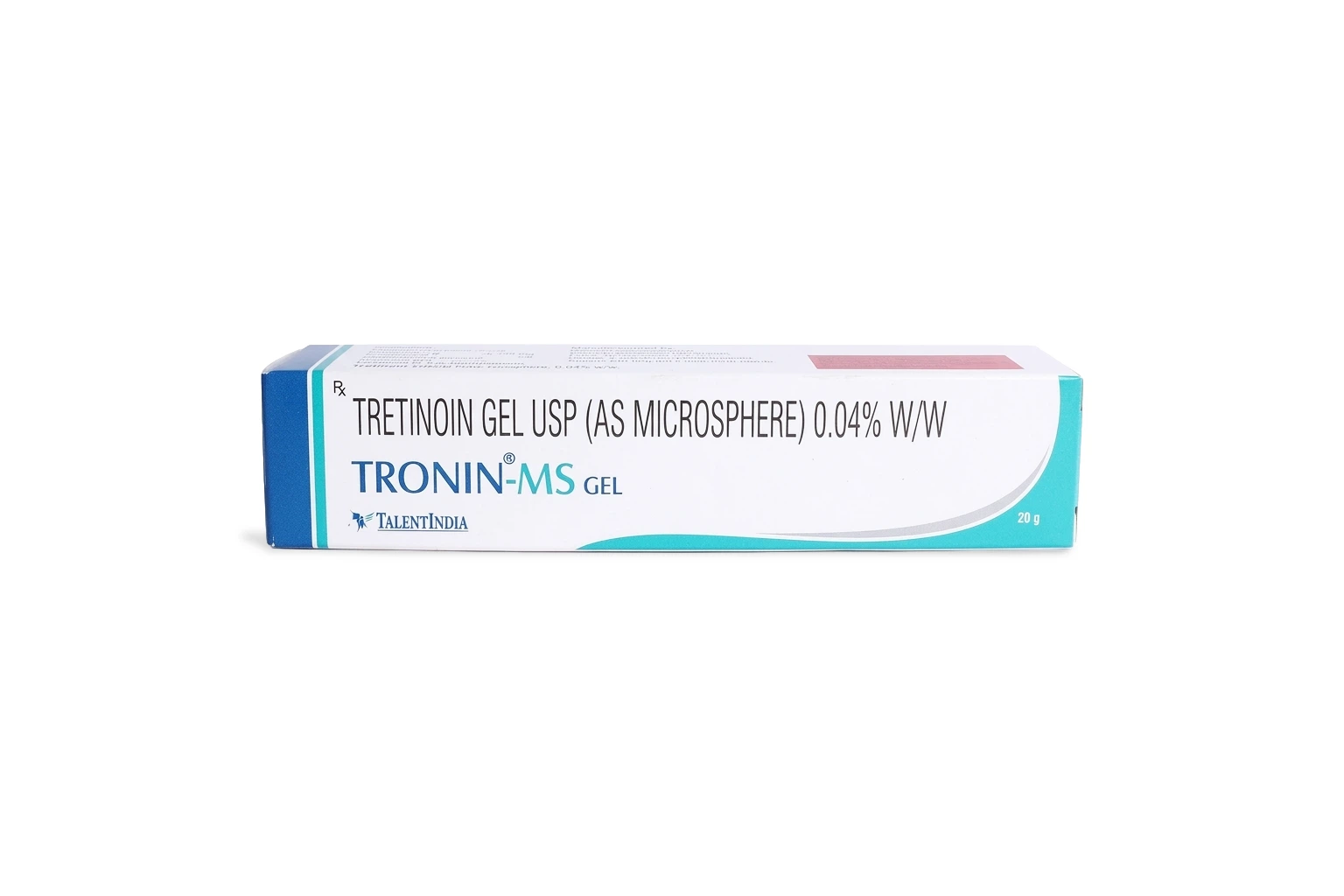
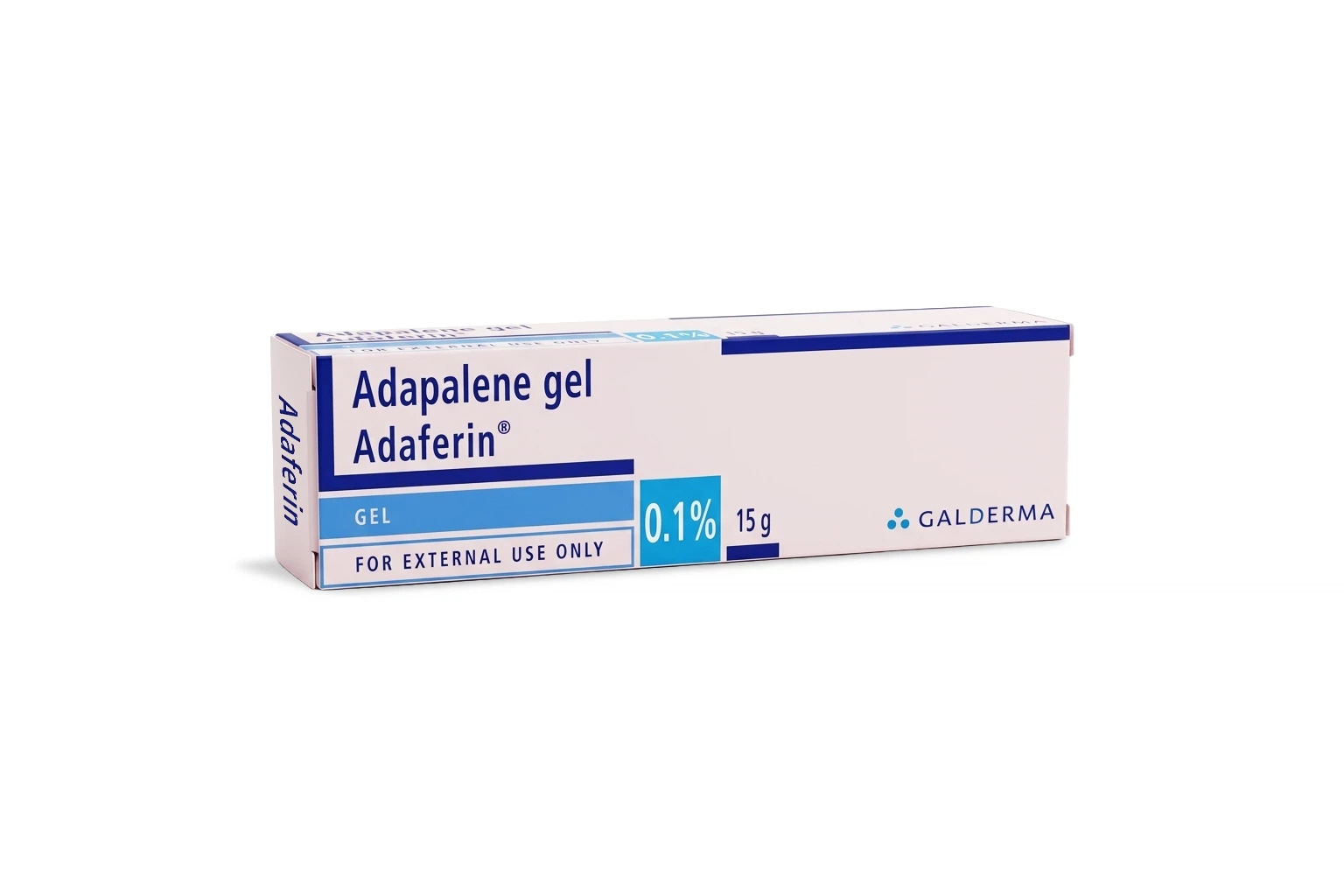
Skin Care$12.00 – $41.00Price range: $12.00 through $41.00Rated 5.00 out of 5Shop Now This product has multiple variants. The options may be chosen on the product pageAdaferin gel
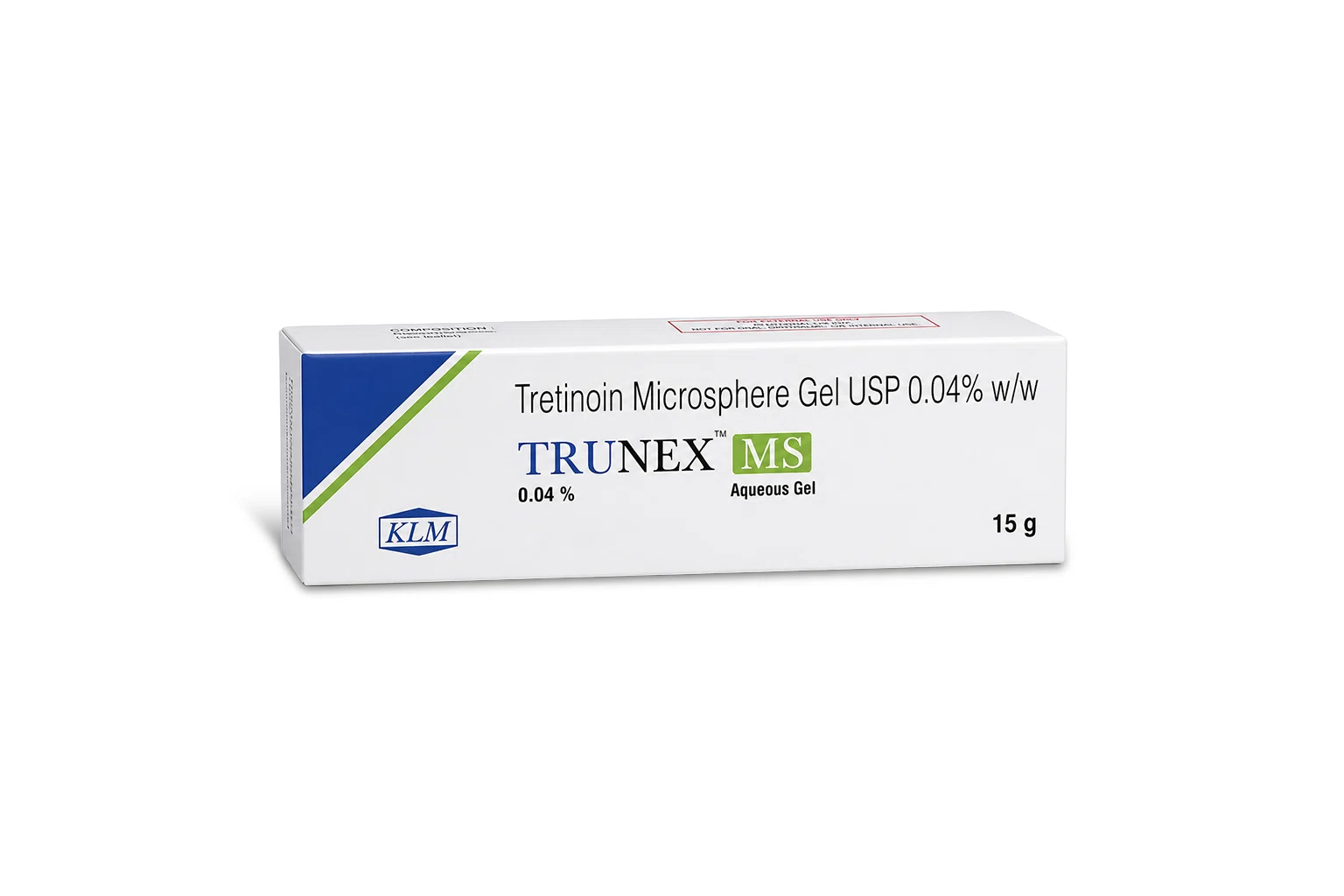
Skin Care$7.00 – $44.00Price range: $7.00 through $44.00Rated 5.00 out of 5Shop Now This product has multiple variants. The options may be chosen on the product pageTrunex MS gel
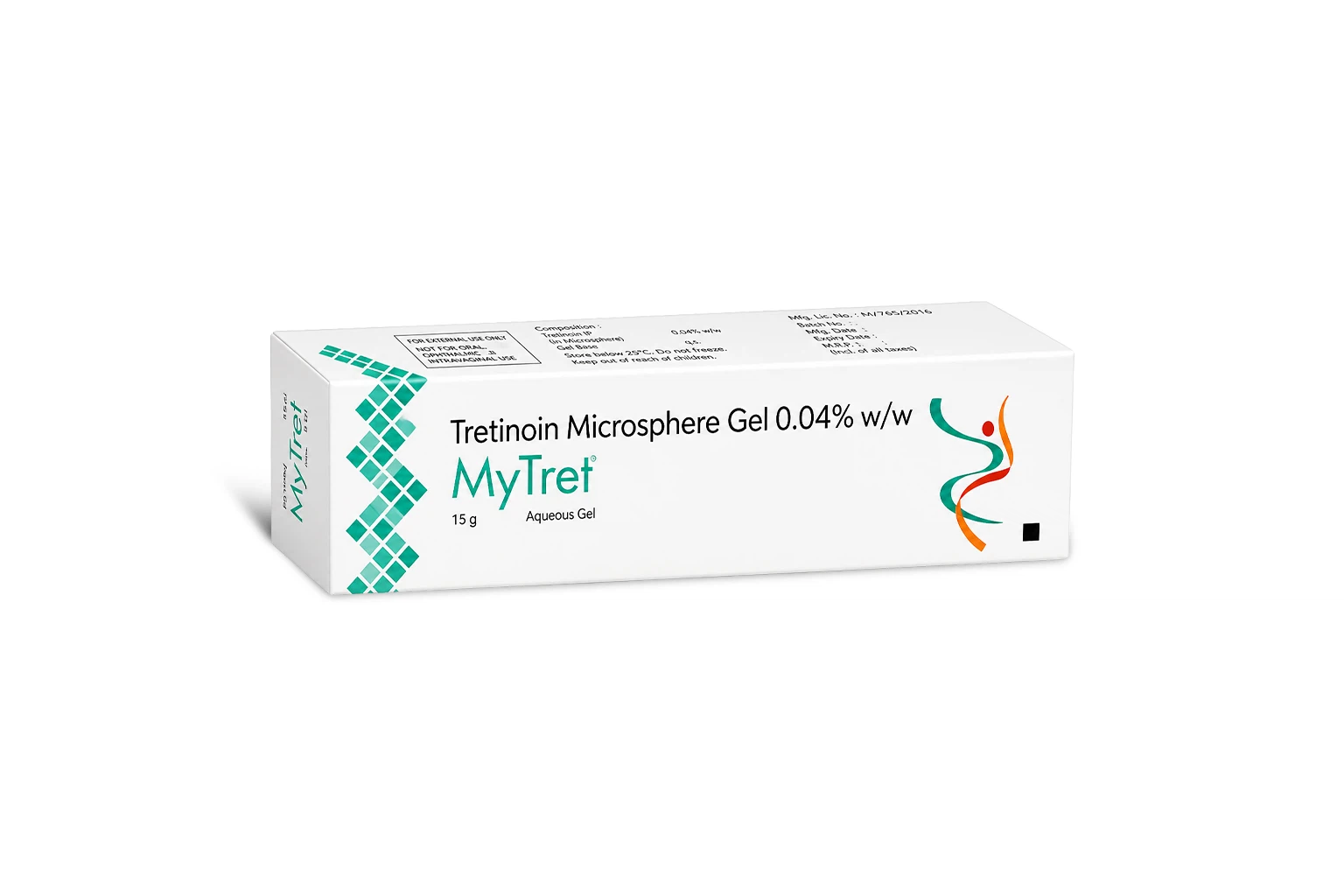
Skin Care$16.00Rated 5.00 out of 5Shop Now This product has multiple variants. The options may be chosen on the product pageMyTret Gel
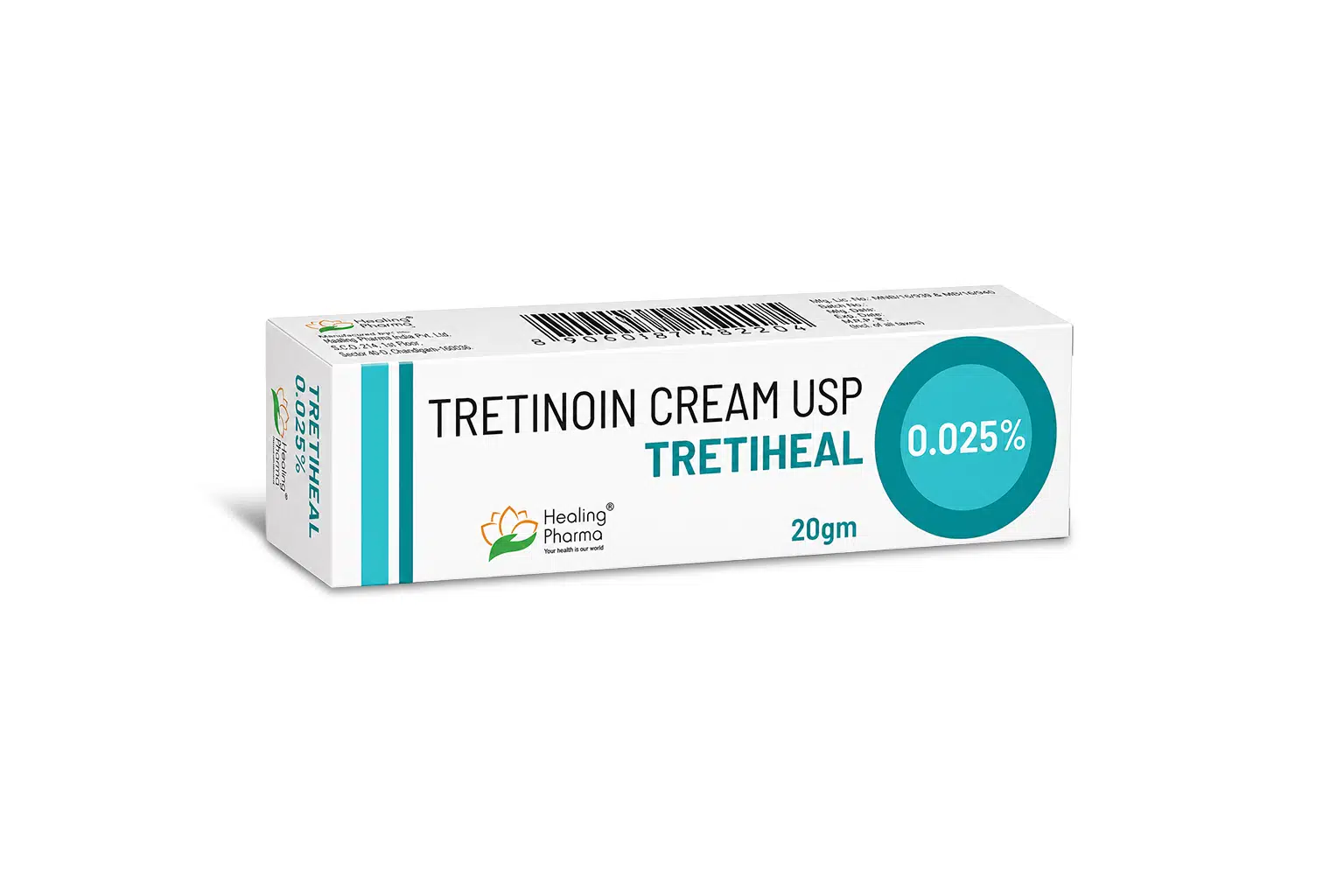
Skin Care$15.00 – $80.00Price range: $15.00 through $80.00Rated 5.00 out of 5Shop Now This product has multiple variants. The options may be chosen on the product pageTretiheal 0.025% Cream
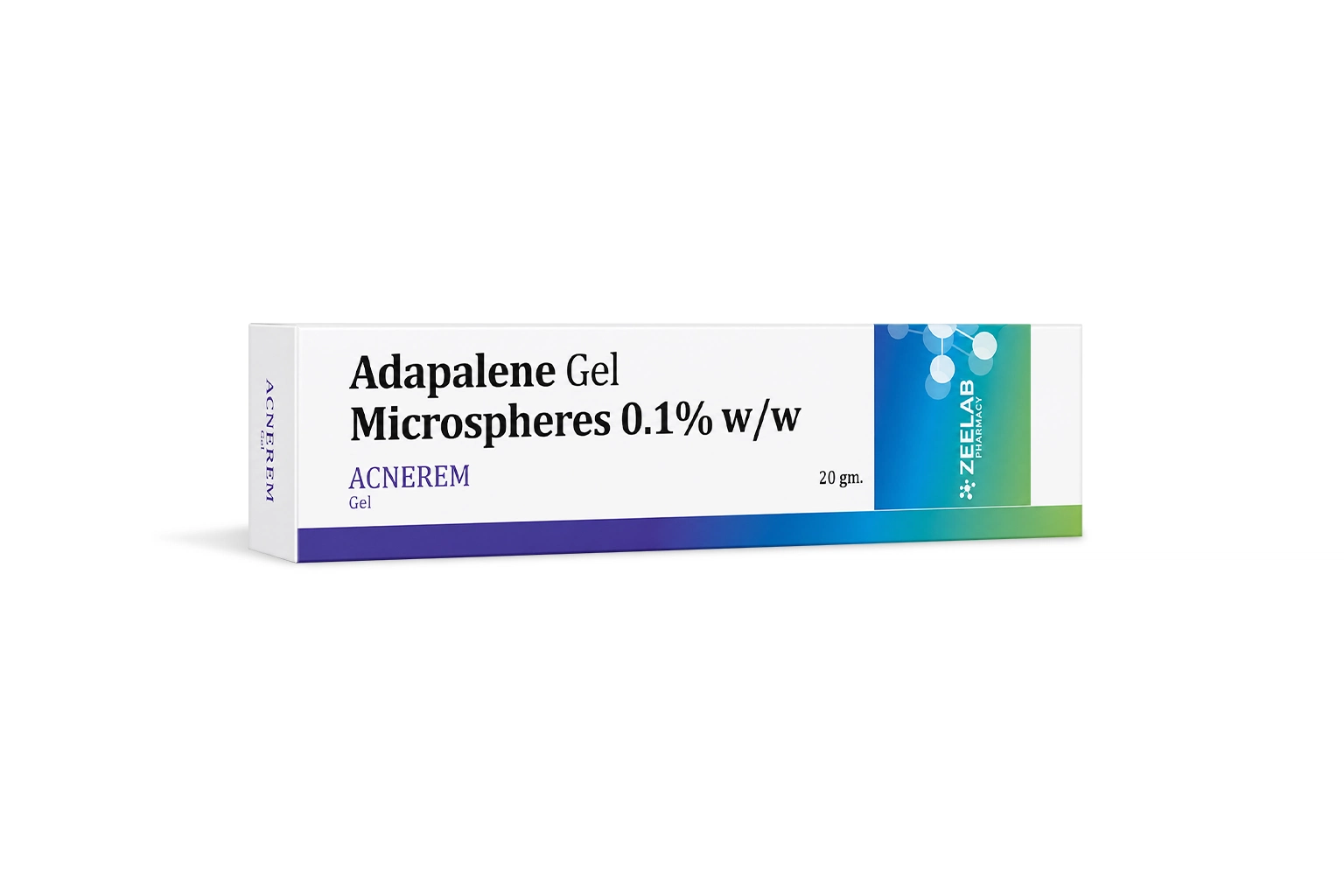
Skin Care$10.00 – $28.00Price range: $10.00 through $28.00Rated 5.00 out of 5Shop Now This product has multiple variants. The options may be chosen on the product pageAcnerem gel
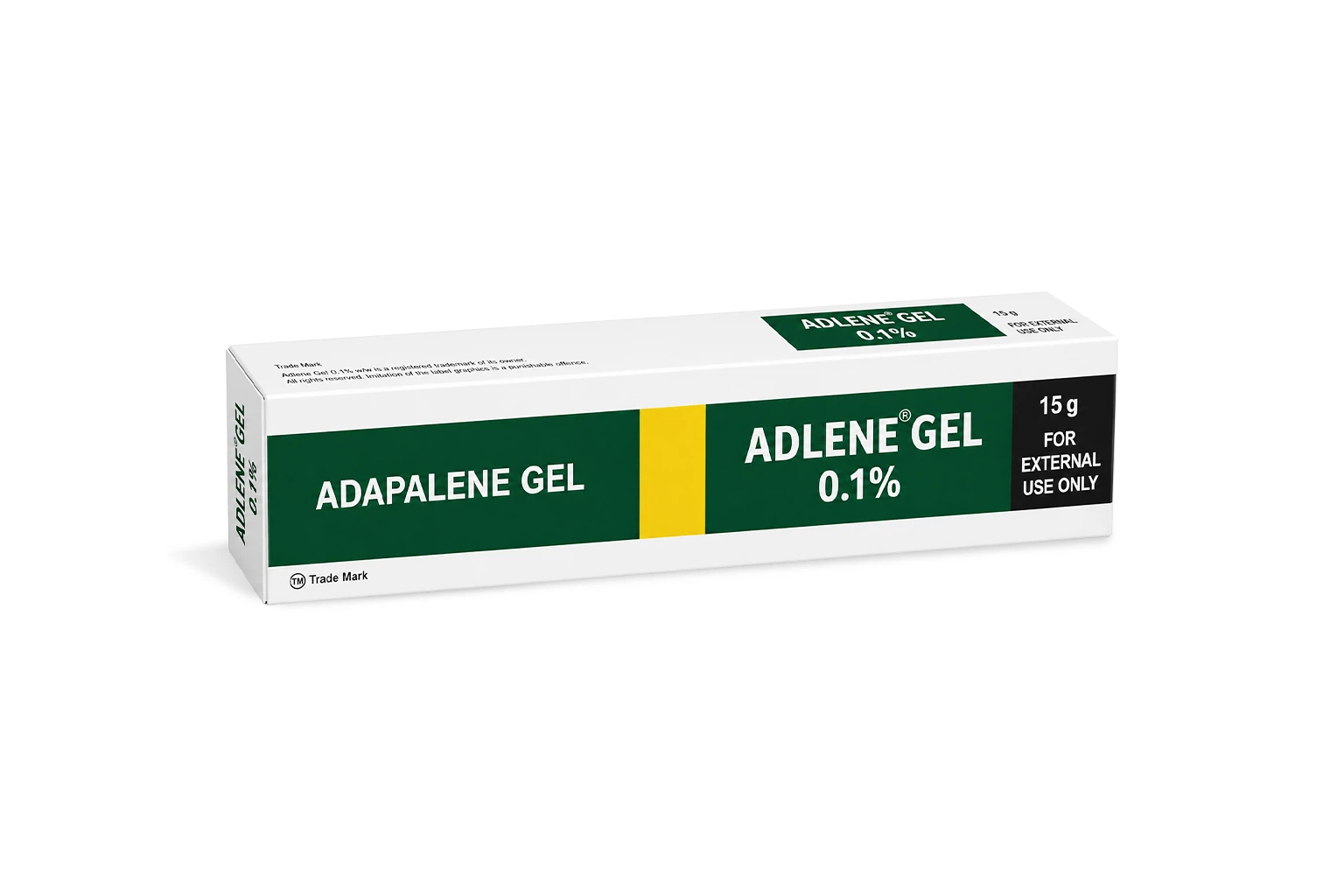
Skin Care$10.00 – $23.00Price range: $10.00 through $23.00Rated 4.00 out of 5Shop Now This product has multiple variants. The options may be chosen on the product pageAdlene gel
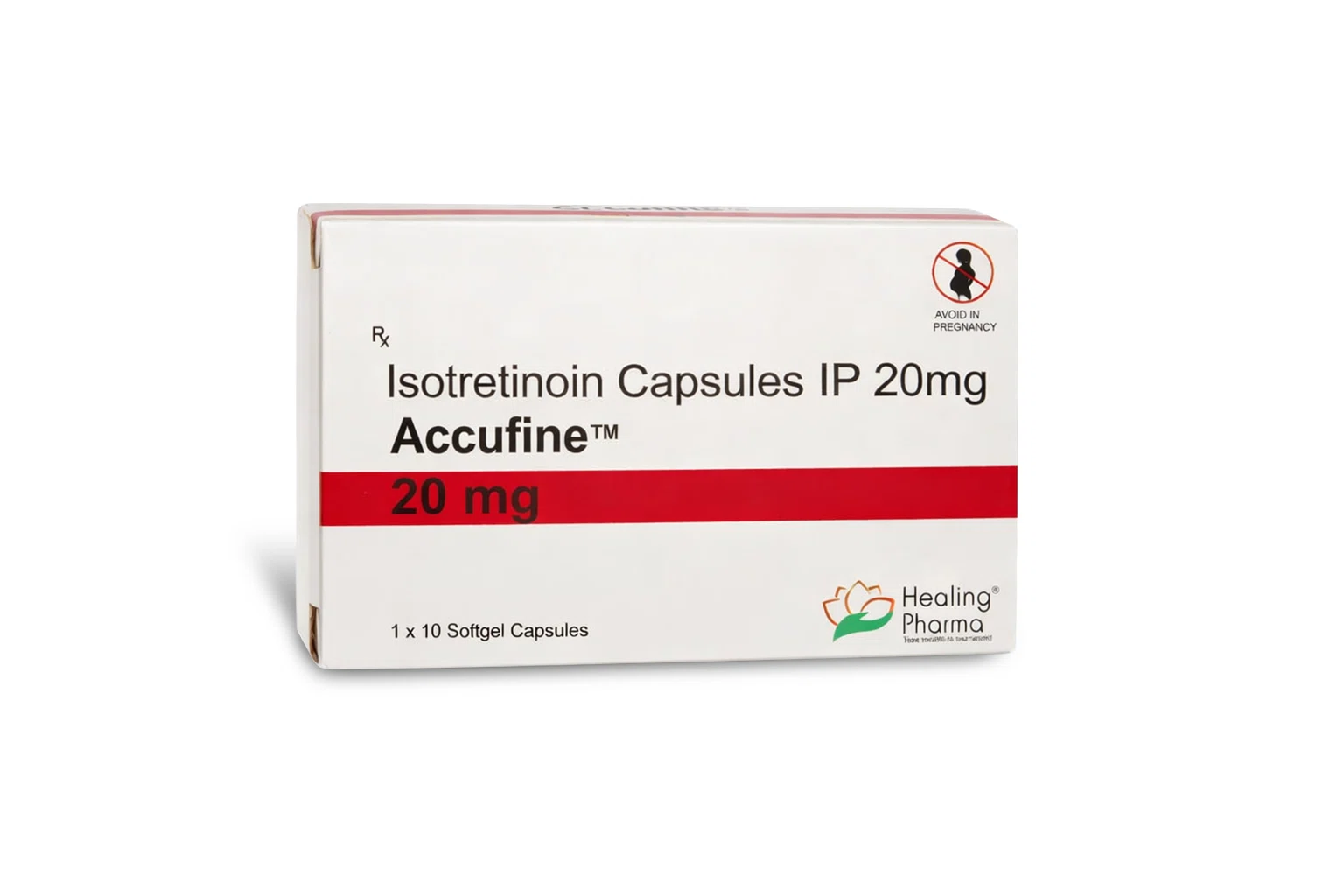
Skin Care$7.00 – $19.00Price range: $7.00 through $19.00Rated 4.00 out of 5Shop Now This product has multiple variants. The options may be chosen on the product pageAccufine 20 mg
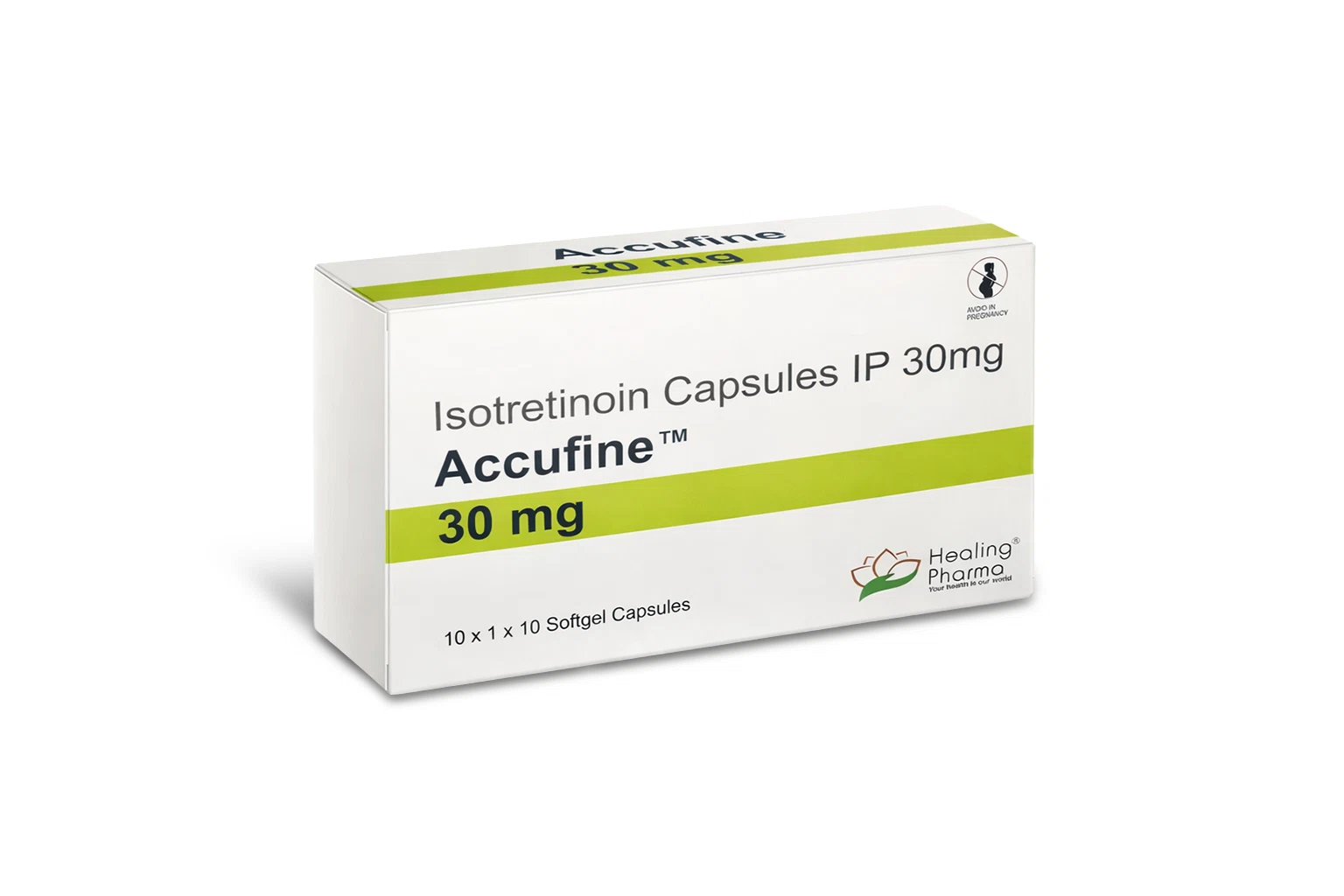
Skin Care$63.00 – $163.00Price range: $63.00 through $163.00Rated 4.50 out of 5Shop Now This product has multiple variants. The options may be chosen on the product pageAccufine 30 mg
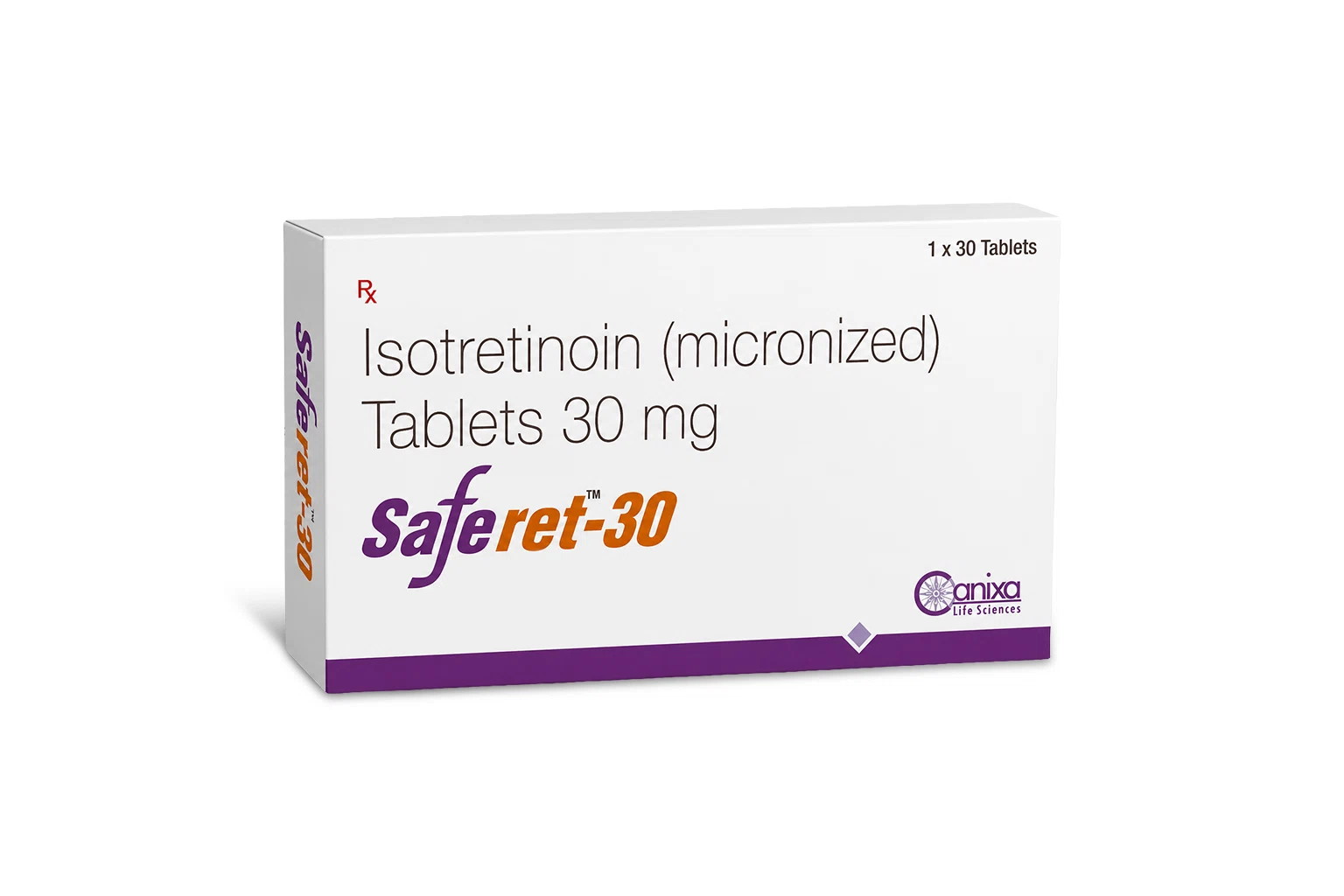
Skin Care$40.00 – $140.00Price range: $40.00 through $140.00Rated 5.00 out of 5Shop Now This product has multiple variants. The options may be chosen on the product pageSaferet 30 mg
Skin Care$22.00 – $60.00Price range: $22.00 through $60.00Rated 4.00 out of 5Shop Now This product has multiple variants. The options may be chosen on the product page
Why Does Accutane Relapse Happen?
Isotretinoin doesn’t just clear acne, it changes how your oil glands behave, shrinking them down. But glands can sort of regrow, or at least become active again, especially in people who are still going through hormonal shifts (teenagers, basically, or anyone with an underlying hormonal condition like PCOS). If the underlying hormone situation never changed, the acne has a path back in.
This is one reason isotretinoin long-term effects aren’t just about side effects during treatment, they’re also about whether the clearance holds. And for a meaningful chunk of patients, it doesn’t hold perfectly.
Diet, stress, some medications, and stopping too early can all get blamed for relapse too, though the evidence for most of them is thinner than people assume. Sun exposure sometimes gets mentioned too, mostly anecdotally, nothing super solid is backing it up.
There’s also just the plain fact that acne, left untreated long enough, tends to resurface in most people eventually, regardless of what cleared it the first time. That’s not a knock on the treatment, it’s just skin being skin.
Does a Second Accutane Course Work?
Yes, mostly. A second course of Accutane success rate isn’t dramatically different from the first course in terms of getting skin clear again, most people respond well the second time too. The typical retrial tends to be a shorter, lower-dose course than the original, not a full repeat from scratch, since the skin usually needs less to get back under control.
Healthcare providers sometimes wait a few months before greenlighting a second round, just to see if the flare settles on its own or with lighter treatment first.
There isn’t strong evidence that going through it twice adds meaningfully more risk than one longer course would, at least not for the standard side effects people worry about (dry skin, lips, and labs). Though obviously anyone doing a second round should have their bloodwork rechecked, same as the first time.
Long-term effects of Isotretinoin
People ask, how does Accutane work long-term? Like, there’s one clean mechanism that explains everything years out, and there kind of isn’t. The short version is that it resets the oil gland size and activity, and for most people, that reset is durable. For a smaller group it’s more like a really long pause.
Isotretinoin results at the five-year mark, in most studies, still look pretty good, the majority of patients treated adequately the first time don’t need retreatment. It’s really the undertreated group (short courses, low total dose, stopped as soon as skin looked okay instead of finishing the recommended cumulative dose) that drives most of the relapse numbers.
Does Accutane have long-term effects beyond the skin, dryness, mood questions, and bone stuff is a separate conversation from relapse and honestly deserves its own post, not squeezed in here.
How Long Does Accutane Treatment Last?
This is one of those questions people ask before they even start, which makes sense. Typical courses run four to six months, sometimes longer depending on how the skin responds and what dose the dermatologist is aiming for. How long are you on Accutane depends heavily on weight-based dosing and how quickly the target cumulative dose is reached, two people on the same daily dose can finish at pretty different times.
Isotretinoin isn’t something you take indefinitely, which is part of why relapse conversations even exist. It’s a finite course, and once it’s done, your skin is on its own.
What Can Help Against a Relapse After Isotretinoin?
Finishing the full recommended cumulative dose instead of stopping early seems to matter more than almost anything else in the research. People who stop as soon as their skin clears, before hitting the target total dose, relapse more. It’s a tempting shortcut when the mirror looks good at month three, but the numbers don’t really reward that patience-skipping.
Some dermatologists also keep patients on low-dose Accutane a bit longer after clearance rather than stopping abruptly, kind of a taper approach, though this isn’t universal practice, and plenty of doctors skip it entirely.
Managing hormonal acne alongside isotretinoin, spironolactone, birth control, or whatever’s relevant can help hold results if hormones were part of the original problem. It treats the acne in front of it; it doesn’t necessarily fix an underlying hormonal driver sitting underneath.
Wrapping up
Several people wonder if a relapse is a sign that something is going wrong, and no, not really. It’s more just biology being inconsistent between people. Accutane relapse happens even in patients who did everything “right,” full dose, full duration, no shortcuts. Genetics and hormones play a bigger role than compliance in a lot of cases, and there’s not much a patient could’ve done differently in most of those situations.
If it happens, it’s not really a reflection of the treatment being wrong for you, more just that it isn’t a permanent switch for everyone. Some skin just resets differently than other skin, that’s really the whole story most of the time.
FAQs
1. Does everyone relapse after isotretinoin?
No. Most people who complete a full course stay clear for years.
2. How soon can relapse happen?
Usually within the first one to two years after stopping, if it happens at all.
3. Is a second course of Accutane as effective as the first?
Generally yes, and it’s often a shorter course than the original.
4. Can lifestyle changes prevent relapse?
They might help a little, but dose and duration during the original course matter more.
5. Should low-dose Accutane be continued after clearance?
Some doctors do this as a maintenance step, but it’s a case-by-case decision, not standard for everyone, and it depends a lot on how the first course went.

Dr. Lucifier is a men’s health specialist with over 12 years of experience in sexual wellness and ED treatment. He holds an MBBS, MD in Internal Medicine, and DM in Urology, and focuses on safe, personalized care using proven therapies like Sildenafil and Tadalafil.