
If you ever plan a road trip, then you’d understand that it entails you being on the road for longer hours and your car being in an optimal condition. It is but obvious that you wouldn’t be halfway through your trip and wait for your car to break down to check the tire pressure or your engine’s oil. We prepare before we leave for any trip or even before important tasks. The same thing applies to women’s health. You shouldn’t just start caring for it the minute you want to conceive or when you are getting old. You should care for it prior to these events too.
Best Seller

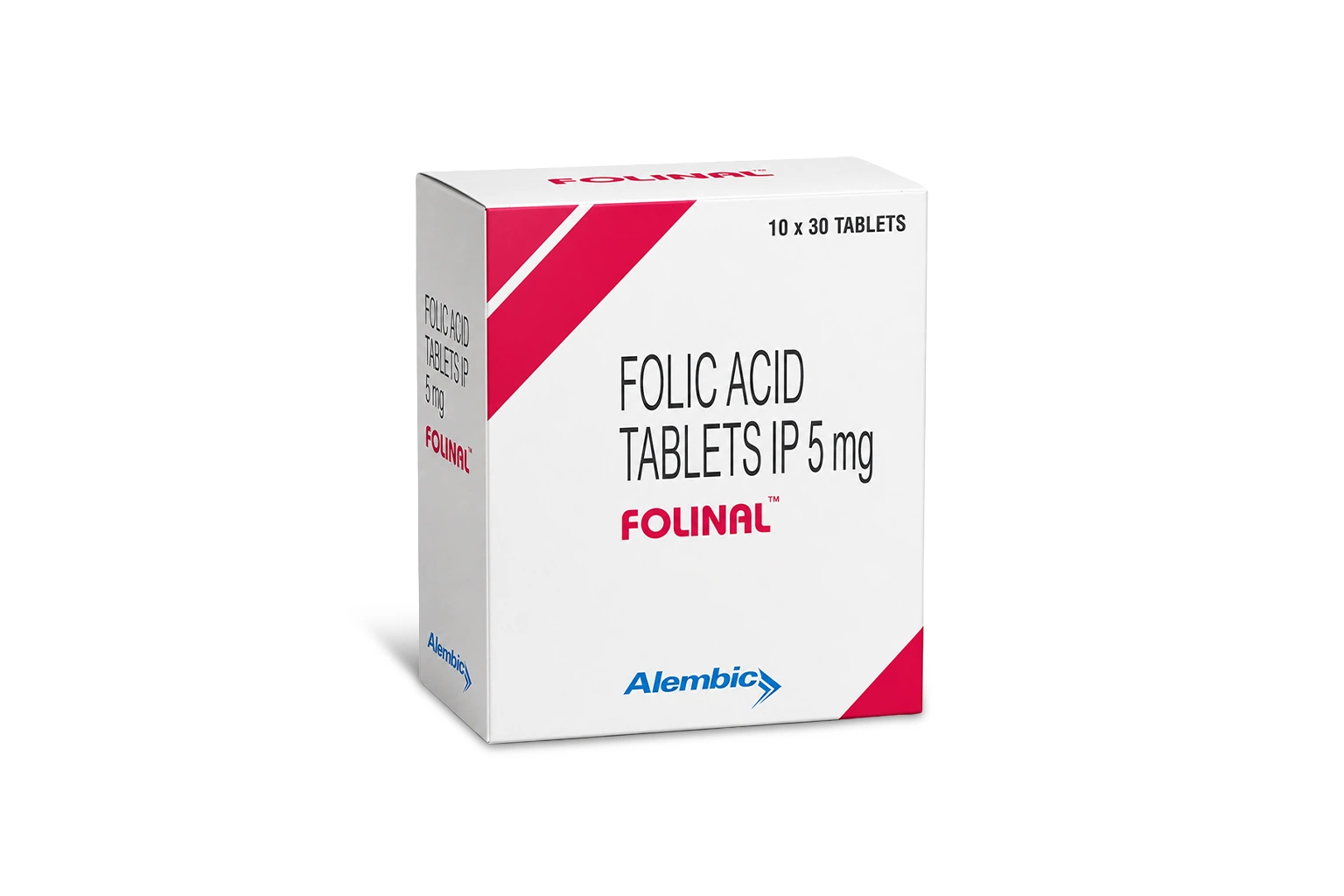
Folinal 5mg tablet
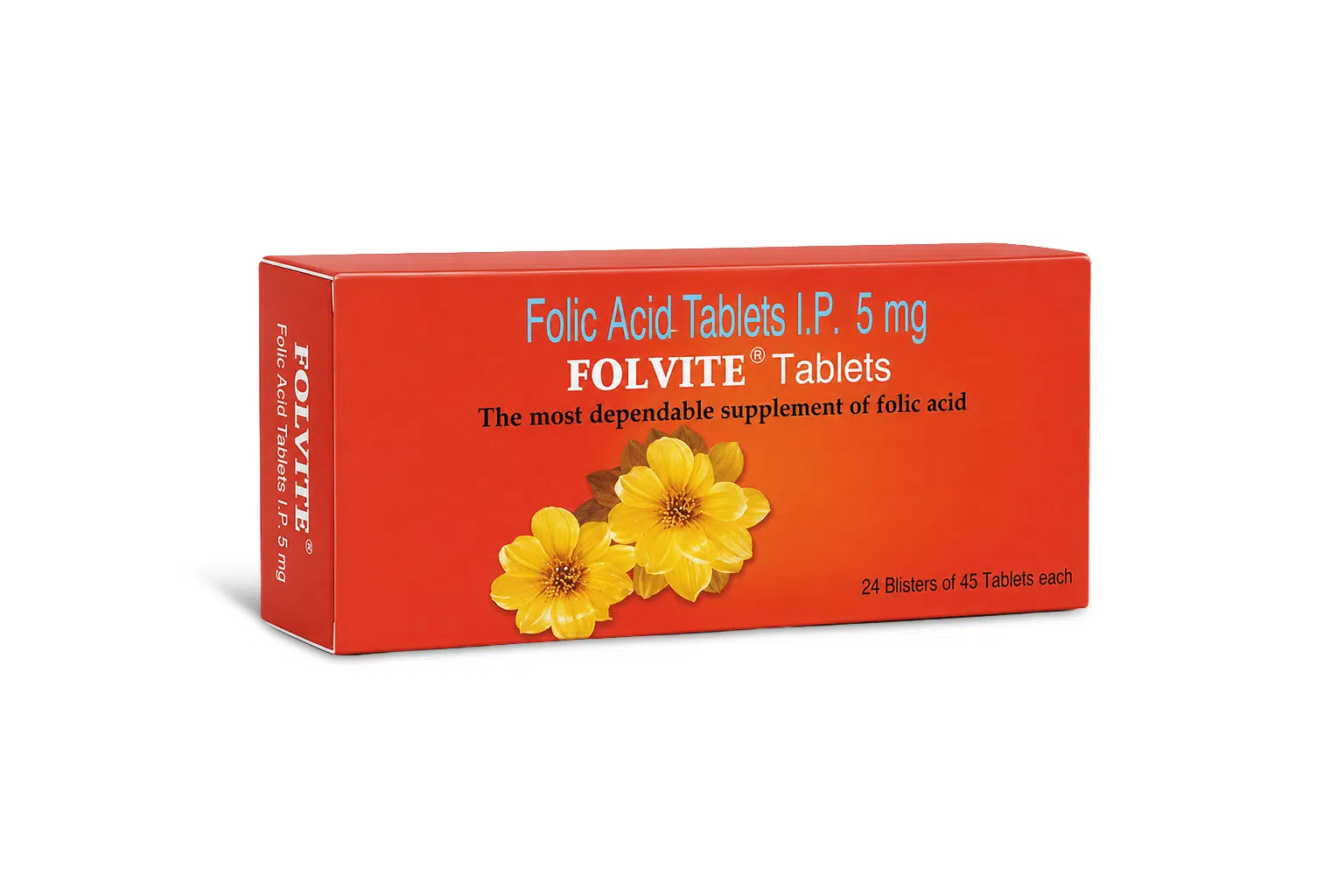
Folic acid$19.77 – $42.00Price range: $19.77 through $42.00Rated 5.00 out of 5Shop Now This product has multiple variants. The options may be chosen on the product pageFolvite 5 Mg
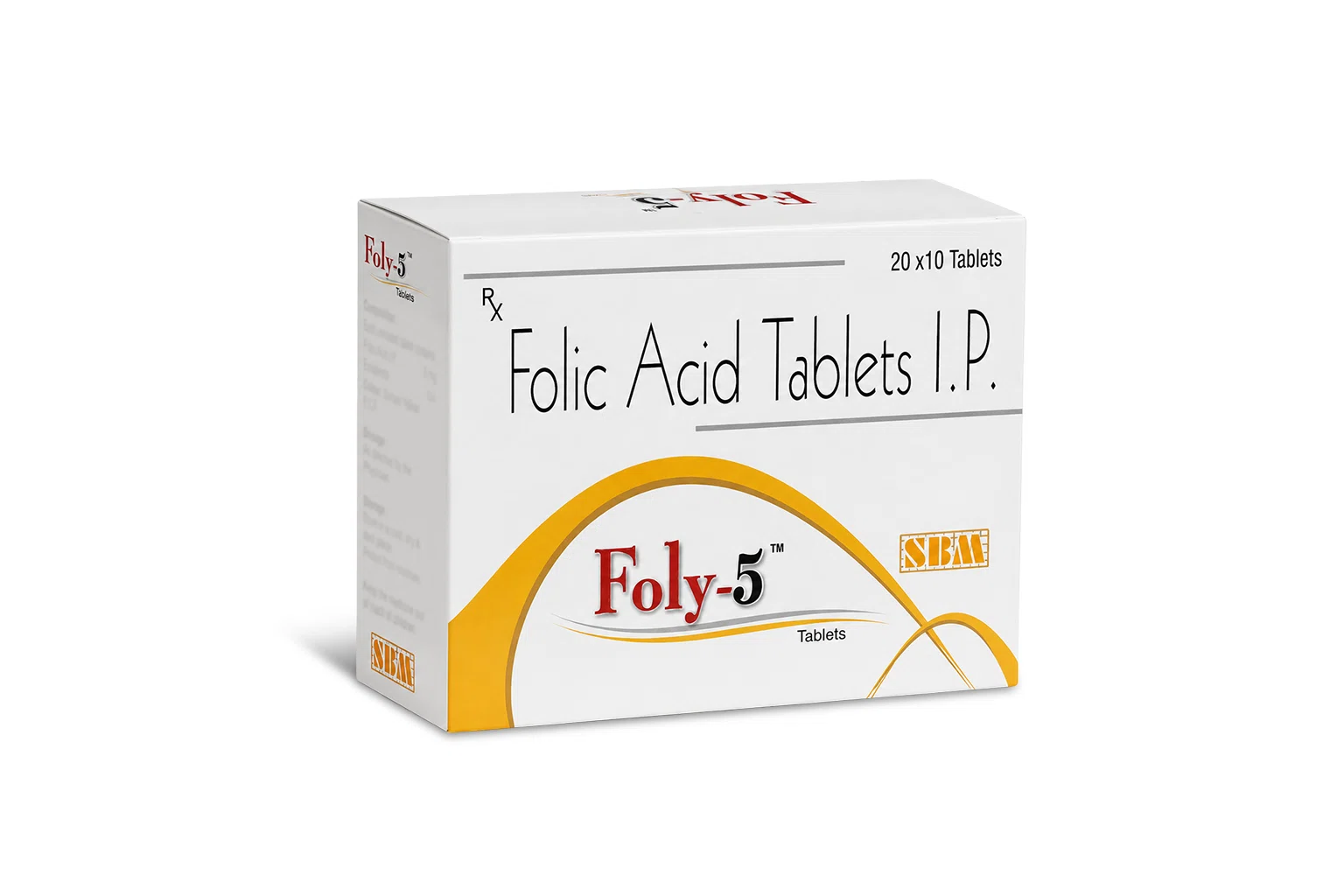
Womens Health$5.48 – $20.04Price range: $5.48 through $20.04Rated 4.00 out of 5Shop Now This product has multiple variants. The options may be chosen on the product pageFoly 5 Mg Tablet
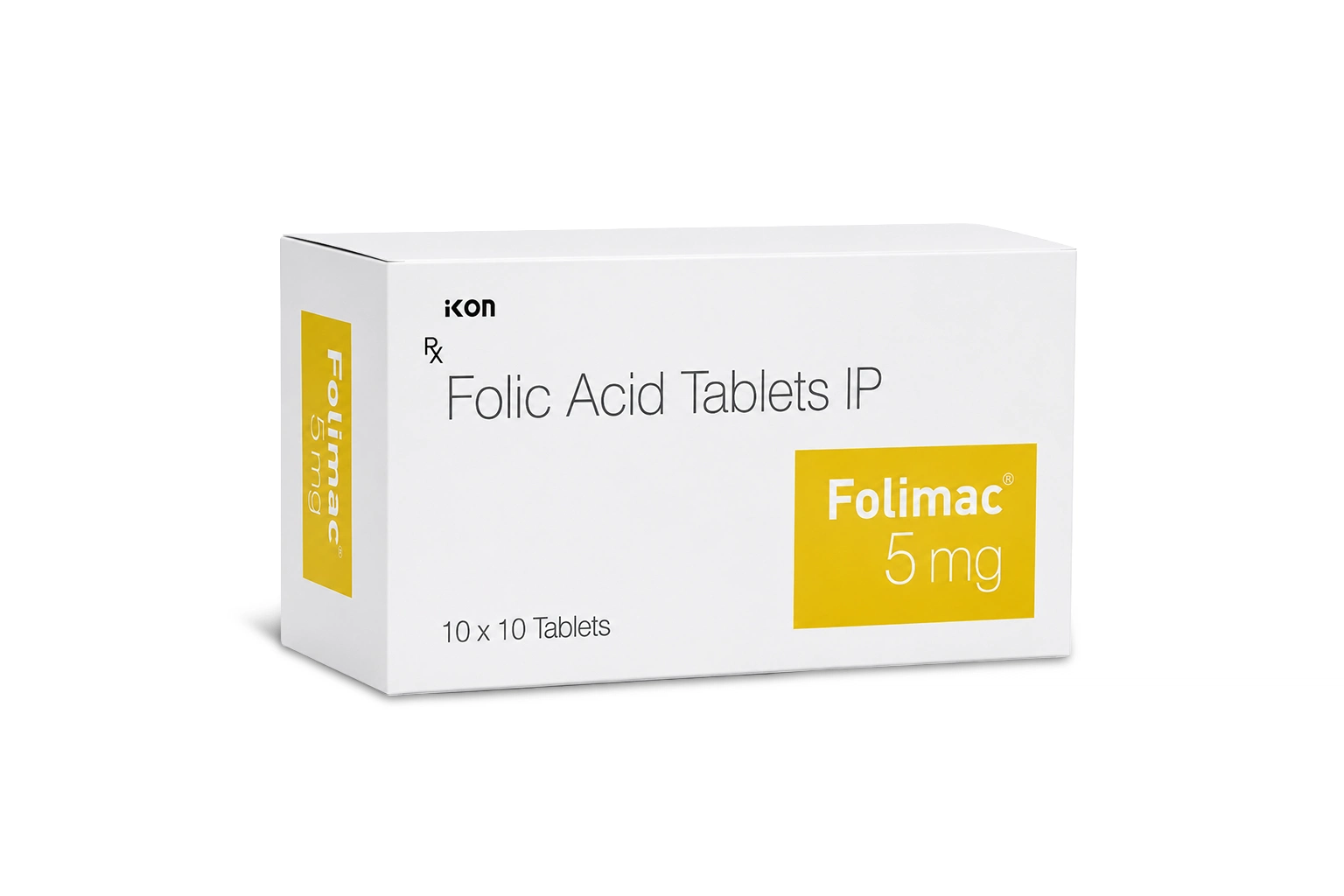
Folic acid$16.15 – $42.00Price range: $16.15 through $42.00Rated 5.00 out of 5Shop Now This product has multiple variants. The options may be chosen on the product pageFolimac 5 Mg Tablet
Folic acid$26.00 – $68.00Price range: $26.00 through $68.00Rated 4.00 out of 5Shop Now This product has multiple variants. The options may be chosen on the product pageFolvite DHA Soft Gelatin Capsule
Folic acid$29.00 – $86.00Price range: $29.00 through $86.00Rated 4.00 out of 5Shop Now This product has multiple variants. The options may be chosen on the product pageFolvite MB Capsule
Folic acid$29.00 – $85.00Price range: $29.00 through $85.00Rated 5.00 out of 5Shop Now This product has multiple variants. The options may be chosen on the product page
Several women only think of taking vitamins when they see a positive on their pregnancy test. What some of them don’t understand is that starting to take essential vitamins only when you see a positive is not the way to go since, by the time you see a positive, you might already be three to four weeks along and essential fetal development may have already begun. This is why folic acid supplements are important, yes, but their timing is even more crucial to pin down.
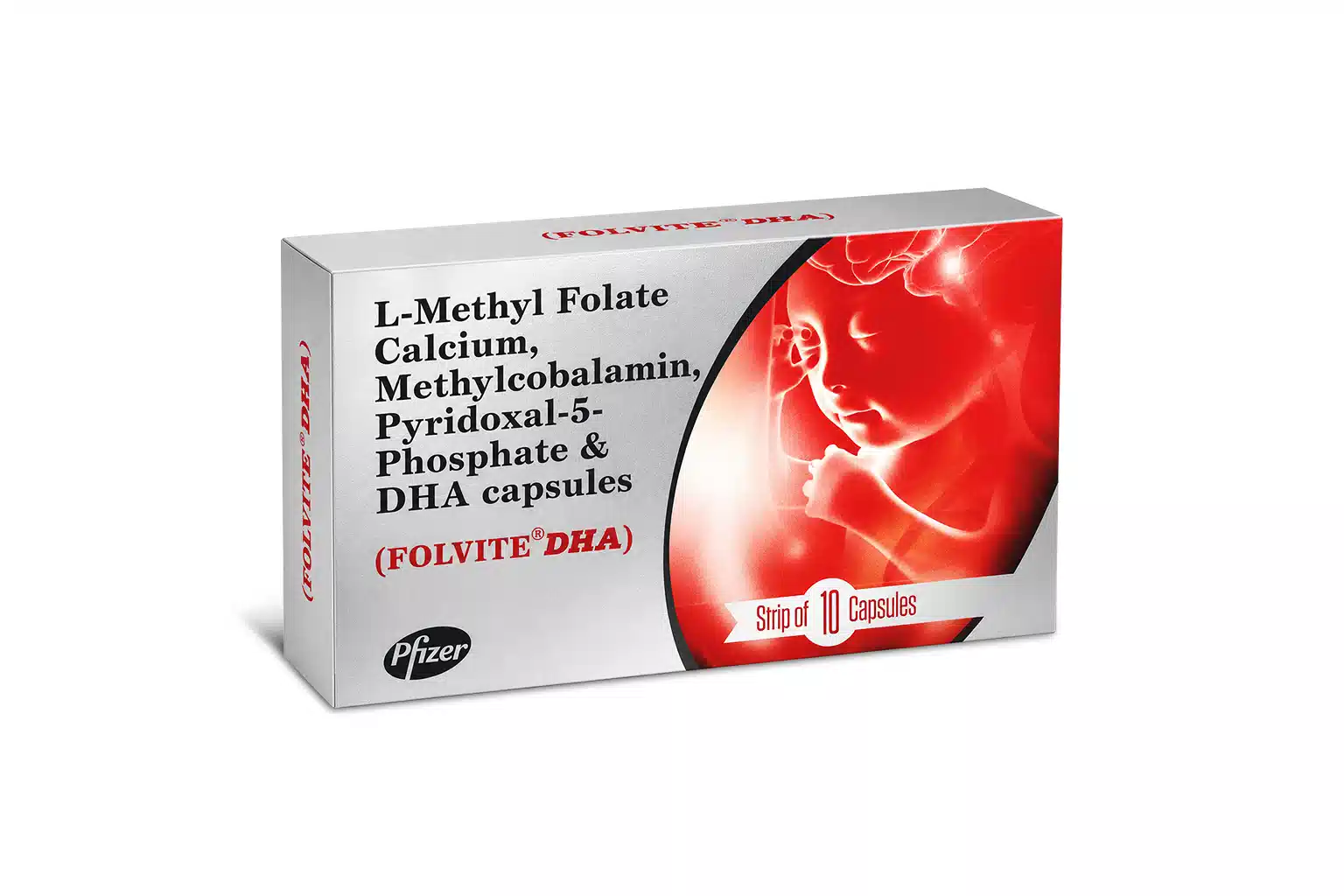
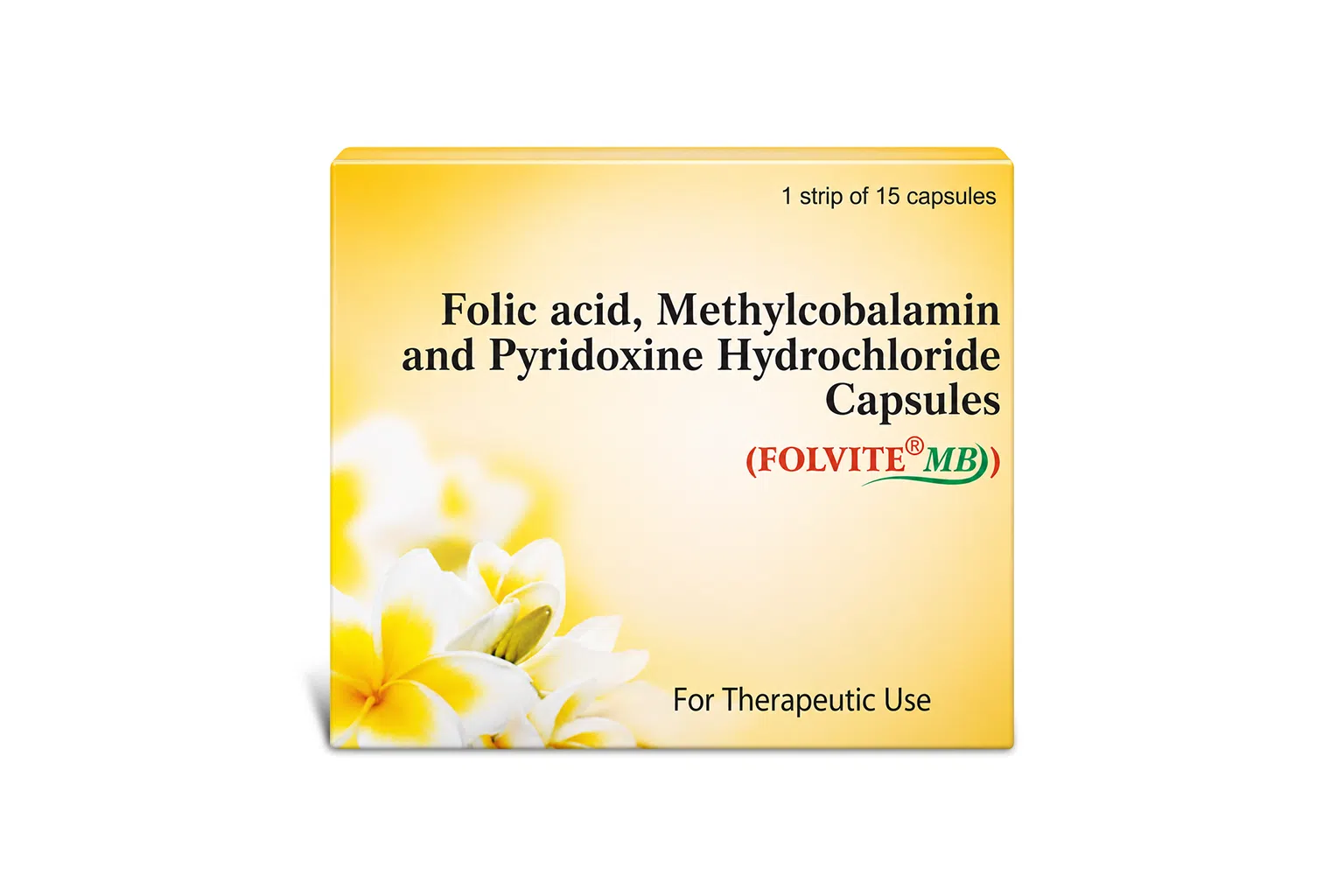
Folic acid supplements will help you avoid some serious kinds of birth defects and help your overall health too. We’ll go through the importance of folic acid in this article, discuss the best time to take folic acid, and the recommended dosage of folic acid supplements. We’ll go through a few different kinds of folic acid supplements like Folvite MB Capsule, Folvite DHA Soft Gelatin Capsule, and Folimac 5 mg to help you have a broad overview of the kinds of supplements available on the market.
Why should folic acid supplements be taken early?
It’s because folic acid, to be able to prevent neural tube defects, only works during a very specific window, the first few weeks after conception, often before a woman even knows she’s pregnant. The neural tube forms in the first 28 days or so. By the time a pregnancy test shows two lines, that window may already be closing. This is where folic acid tablets become less of a “nice to have” and more of a quiet safety net women don’t think about until someone explains it properly.
A lot of women only find out about folic acid deficiency symptoms after they’ve already been feeling off for weeks. They may experience fatigue that doesn’t go away with sleep, pale skin, irritability that seems to come from nowhere, and trouble concentrating. None of it screams a certain vitamin deficiency on its own, which is exactly why it gets missed so often. Some women just feel tired and blame work, or stress, or bad sleep, without ever connecting it to something as basic as folate levels.
There’s also the question of the best time to take folic acid. Should you take it in the morning or night? Is it better with food or without? Honestly, it doesn’t matter as much as people think. Consistency matters more than the clock. It’s better to take it at the same time daily, ideally with a meal so it sits better. Most prenatal folic acid supplements are gentle enough that timing flexibility isn’t really the issue people make it out to be.
Products like Folvite MB Capsule are built around this exact idea, folic acid combined with methylcobalamin is meant for a daily, steady use rather than a one-time fix. It’s not something taken for a week and stopped. The Folvite MB Capsule works best as part of a routine.
For women already thinking ahead to prenatal care, folate isn’t just about the baby. It plays a role in red blood cell formation, DNA synthesis, and general energy levels, which are all the things that matter with or without pregnancy in the picture. Women’s nutritional supplements in general tend to overlook folate compared to iron or calcium, but folate deserves equal attention, arguably more, given how early it needs to act.
Folate for Fertility
Not many people talk about folic acid for fertility support, but there’s a connection. Folate is involved in ovulation regularity and egg quality in some studies, though the research isn’t as loud about it as it is about pregnancy outcomes.
These folic acid supplements, which are basically vitamin B9 supplements, are also related to your hormonal balance. There’s a process called methylation, which is what our liver is involved in to safely process and clear the excess estrogen. Vitamin B9 is the hormone that drives this process. That’s why it’s so important to avoid hormonal buildup and maintain a balance.
Folvite DHA Soft Gelatin Capsule is another one worth mentioning here. It pairs folic acid with DHA, which is more relevant once pregnancy is confirmed, but some women start earlier as part of a preconception routine. It’s not marketed as a fix-all but is just a combination that’s meant to cover two bases at once instead of having the person juggle separate pills.
Folic acid intake
Folic acid daily intake recommendations usually sit around 400 micrograms for general use, going up to 400–800 mcg for women who are planning a pregnancy and sometimes much higher, like 4–5 mg, for women with a history of neural tube defect pregnancies or certain risk factors. This is where something like Folimac 5 mg comes in, which is generally reserved for higher-need cases rather than everyday supplementation.
That’s a big jump from the standard dose, so it’s not something you should just decide on your own. A healthcare provider should be the one deciding if 5 mg versus 400 mcg makes sense for a specific situation.
Folic acid dosage for women will change depending on what life stage they’re at, their general health before conceiving and after, and their medical history. All of these factors can call for different dosages. There’s no single dose that fits everyone, despite what some product labels imply. A daily folic acid supplement, taken consistently, tends to matter more than an occasional high dose. Skipping days and doubling up later isn’t how folate absorption works well.
The role of Diet
When to take folic acid isn’t only a pregnancy question, either. Some women take it long before any pregnancy plans exist, just as part of general wellness, especially if diet is inconsistent or restrictive.
Diet does play a role, but honestly most people don’t eat enough leafy greens or fortified cereal daily to hit ideal folate levels. That’s the honest gap folic acid supplements are meant to fill. It’s not that food doesn’t matter, it’s just that relying only on food to hit the numbers is a stretch for most schedules.
Folic acid for pregnancy planning works best when it’s not rushed at the last minute. Three months out is a comfortable buffer, one month is the bare minimum, and starting exactly on the day of a positive pregnancy test is, frankly, cutting it close. Vitamin B9 for women isn’t only tied to reproductive years either, it matters across different life stages, though pregnancy planning is where the urgency is highest.
Cognitive Benefits
Folic acid benefits for women extend into mood and cognitive function too, something rarely discussed outside of pregnancy contexts. Low folate has been loosely linked to low mood in some studies. Folate has been found to help in the production of important neurotransmitters like serotonin, dopamine, and norepinephrine. All of these neurotransmitters are involved in the mood regulation of an individual.
Research has also shown that low folate has been linked to depressive disorders. Also, if a person has low folate, then their body may not respond adequately to the traditional antidepressants that are usually prescribed. This is why folic acid supplements become all the way more important for all areas of your life.
Final Thoughts
So back to the original question, when should this actually start? Folic acid during preconception is really the sweet spot most medical professionals point toward. Not so early that it feels irrelevant, and not so late that the neural tube window has already passed. Folic acid supplements work quietly in the background, and their real value shows up in a window that closes faster than people expect.
And folate for reproductive health, more broadly, isn’t just about conception, it touches menstrual regularity, general energy, and long-term wellness markers that don’t get talked about enough outside fertility clinics. This is another reason folic acid supplements like Folvite 5 mg, Folinal 5 mg, or Folvite MB capsule end up recommended well before any pregnancy conversation even starts.
FAQ's
1. Can I start taking folic acid supplements on my own?
You could take some low-dose options, but it’s always better to have an expert opinion in the picture and seek their help for higher-level doses.
2. Can folic acid supplements cause side effects?
You can experience some nausea, mild bloating, or constipation with folic acid supplements. If you do experience any serious side effects like swelling or rashes, then you should immediately contact your healthcare provider.
3. Are folic acid and folate the same?
Not necessarily, they’re not really the same thing. Folate is the compound that occurs naturally in the body, and folic acid is a synthetic form of folate that is used in supplements like Folimac 5 mg or Folvite 5 mg.
4. Can I take folic acid along with my other pregnancy vitamins?
Of course! But there are several pregnancy vitamins which already have folic acid, so you should check that to make sure you don’t have too much of it as well.
5. How long should I take folic acid before stopping?
Typically women take folic acid supplements throughout the first trimester at minimum, though many continue throughout pregnancy on their gynecologist’s advice.

Dr. Delisha Cole is a sexual health and wellness writer with over 10 years of experience researching erectile dysfunction, performance anxiety, premature ejaculation, and modern ED treatments. She focuses on breaking down complex medical topics into practical, easy-to-understand advice that helps readers make informed decisions about their intimate health, confidence, and relationships. Her content covers ED medications, lifestyle factors, treatment safety, and real-world wellness guidance in a simple, reader-friendly way.