
For several women, menopause is the big, scary word they don’t like to think about. With the ever-expanding research on it and women increasingly getting access to it, it’s something even women in their 20s are fearing now. Our skeletal structure and bones are the building blocks of our physiology and support us in multiple ways. Just think about a wooden fence. When it’s newly installed, it seems firm and sturdy, which is exactly what we want. But give it some time, and cracks seem to appear. The fence doesn’t weaken overnight, but it’s a gradual process of diminishing that happens.
Best Seller

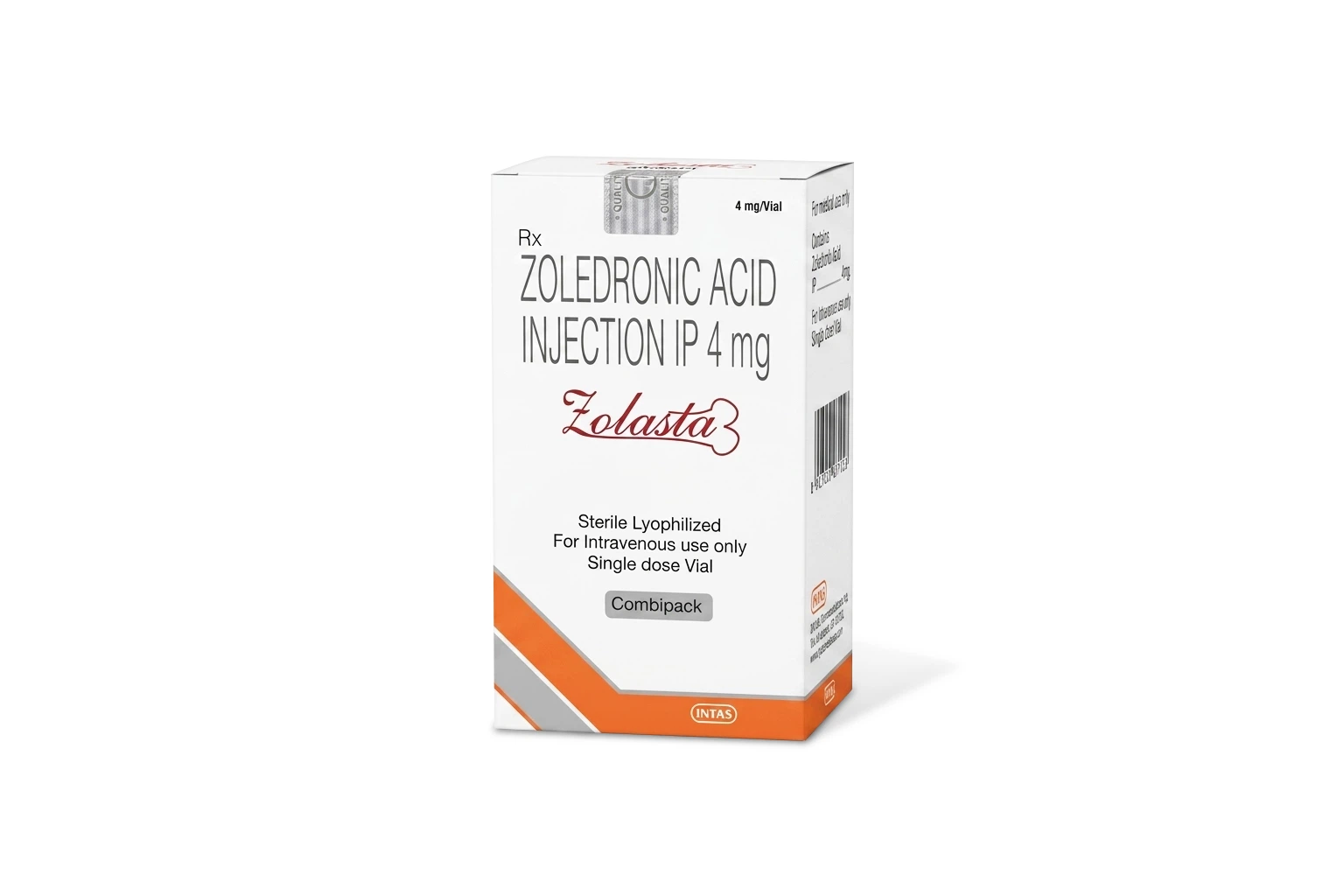
Zolasta 4 Mg Injection
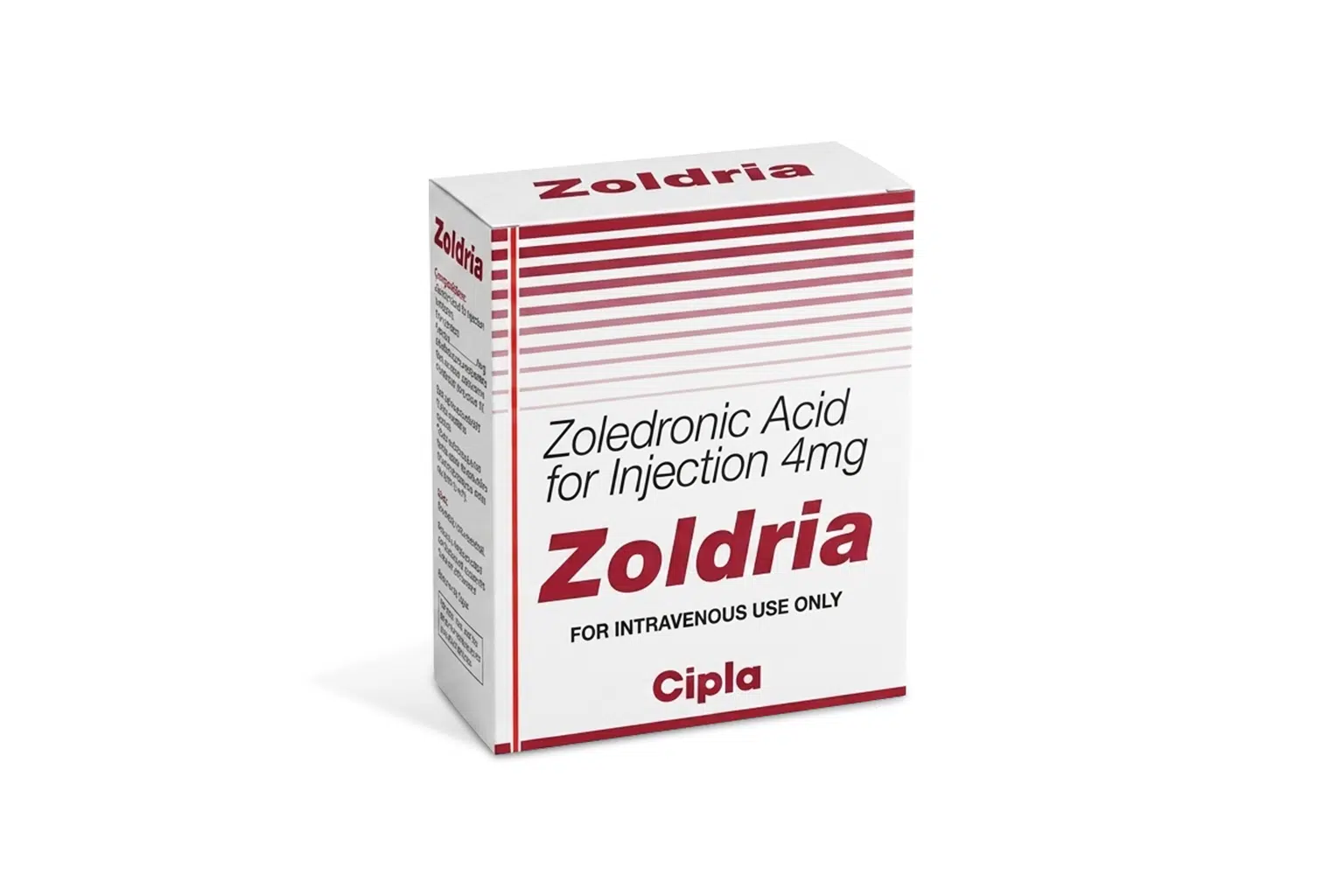
Womens Health$130.00 – $375.00Price range: $130.00 through $375.00Rated 4.00 out of 5Shop Now This product has multiple variants. The options may be chosen on the product pageZoldria 4 Mg Injection
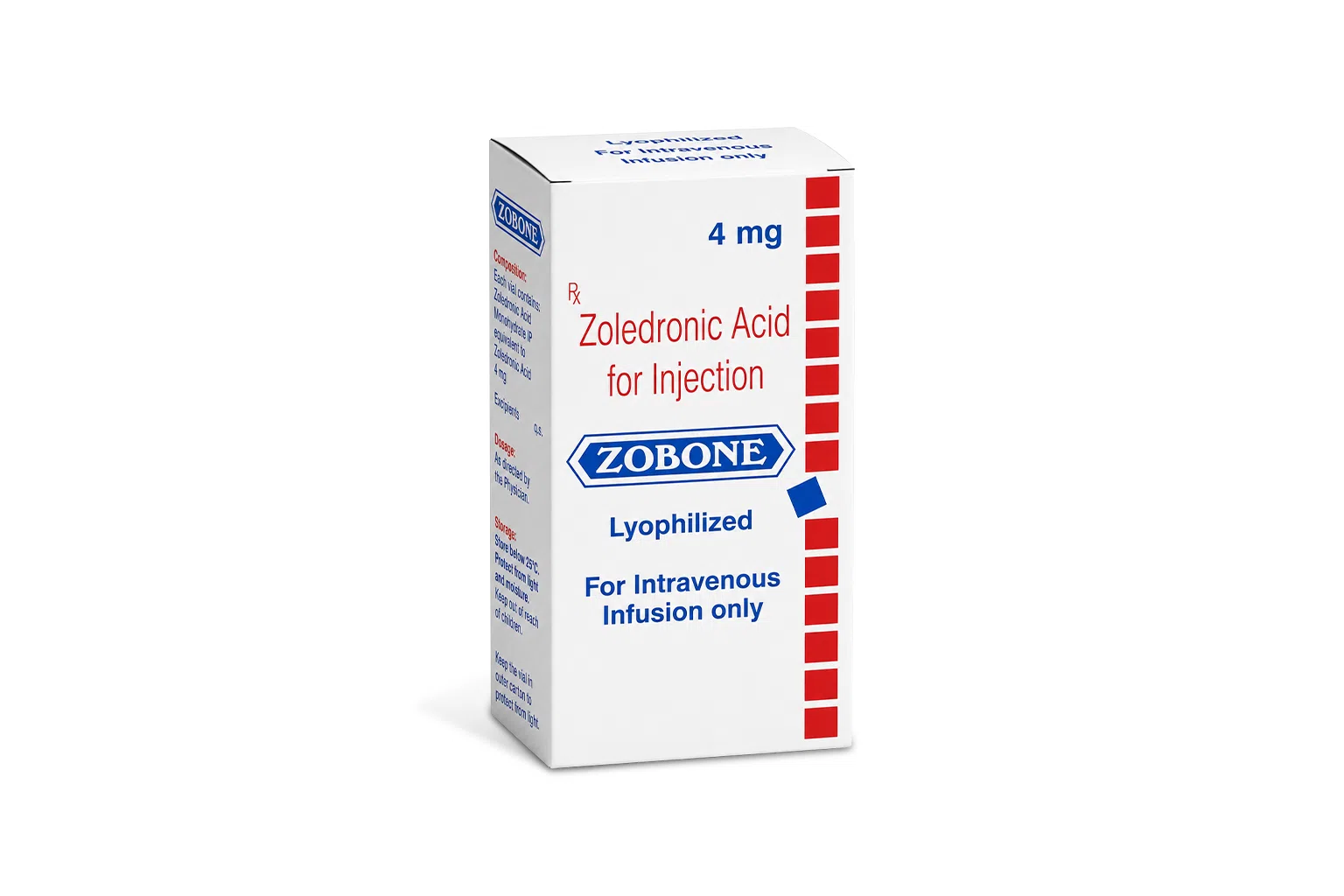
Womens Health$67.00 – $195.00Price range: $67.00 through $195.00Rated 4.00 out of 5Shop Now This product has multiple variants. The options may be chosen on the product pageZobone 4 Mg Injection
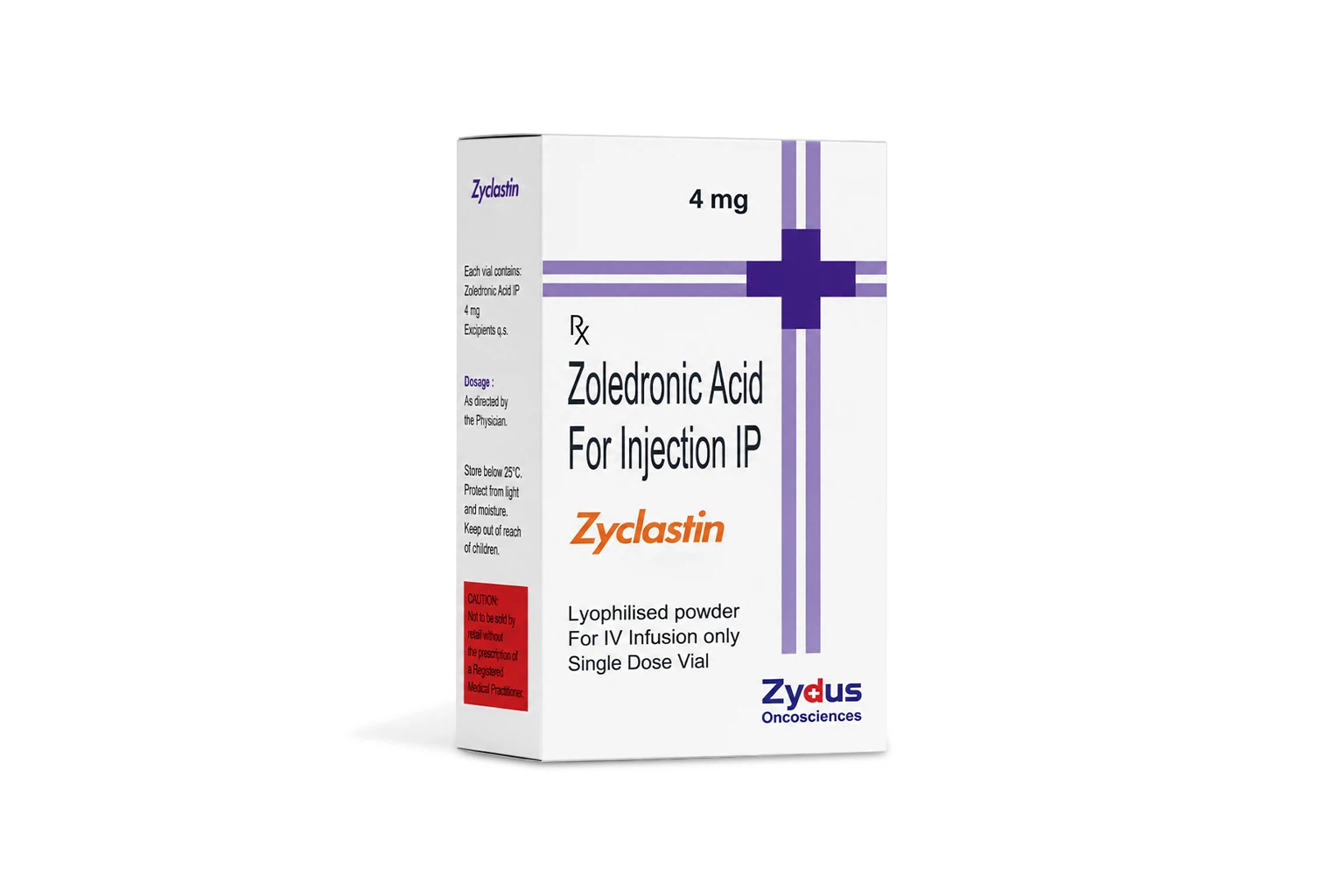
Womens Health$117.00 – $337.00Price range: $117.00 through $337.00Rated 4.00 out of 5Shop Now This product has multiple variants. The options may be chosen on the product pageZyclastin 4 Mg Injection
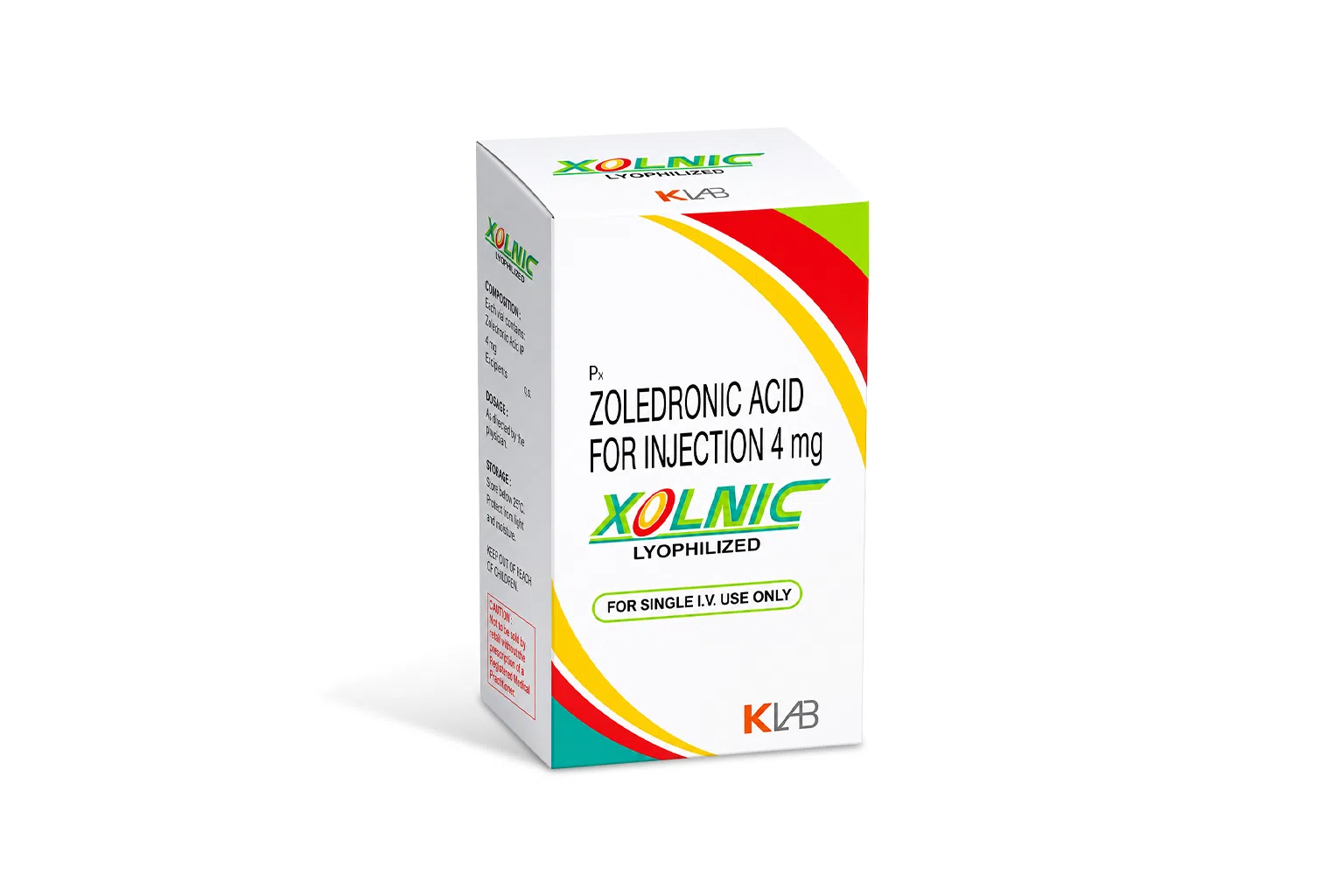
Womens Health$133.00 – $382.00Price range: $133.00 through $382.00Rated 4.00 out of 5Shop Now This product has multiple variants. The options may be chosen on the product pageXolnic 4 Mg Injection
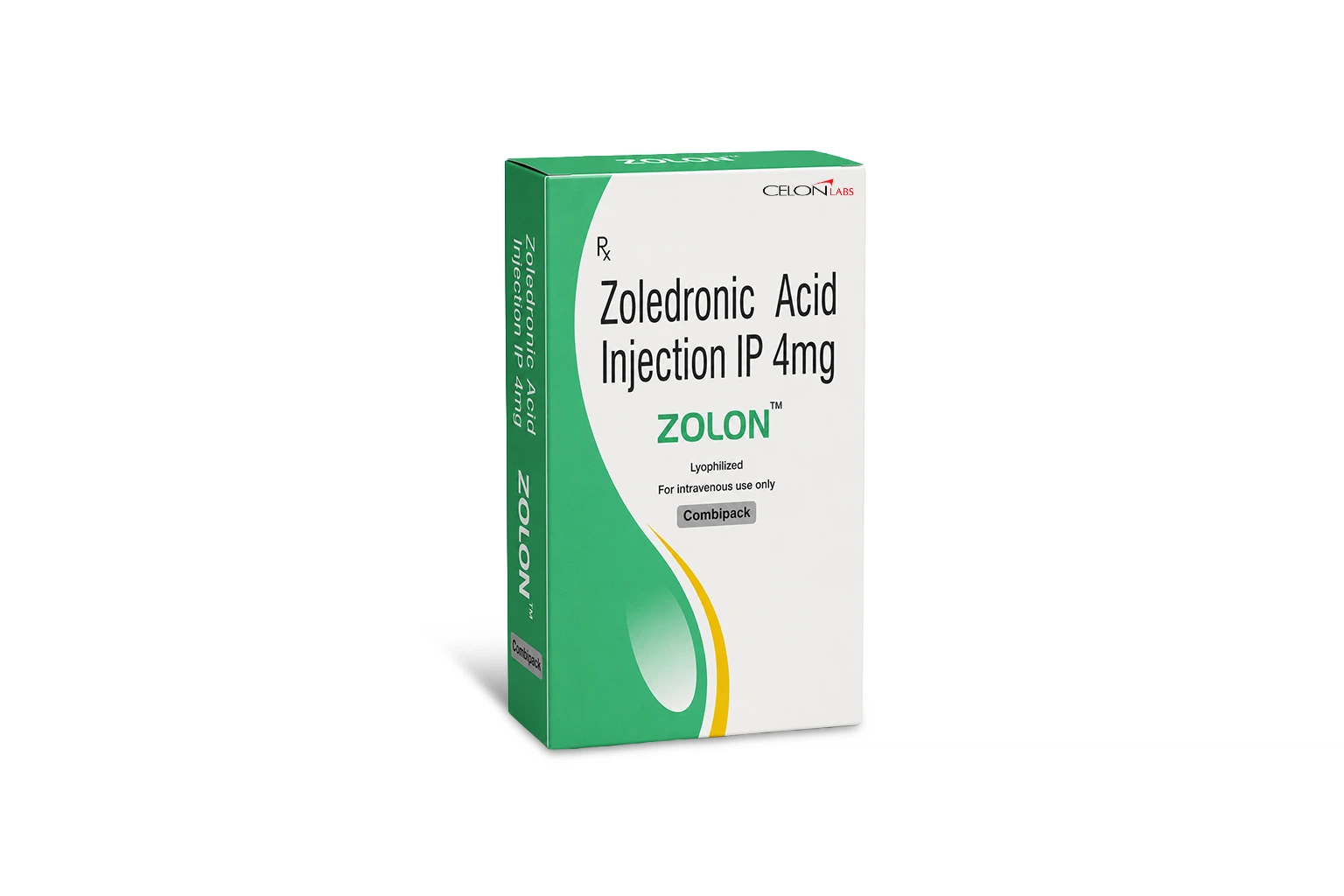
Womens Health$88.00 – $253.00Price range: $88.00 through $253.00Rated 5.00 out of 5Shop Now This product has multiple variants. The options may be chosen on the product pageZolon 4 Mg Injection
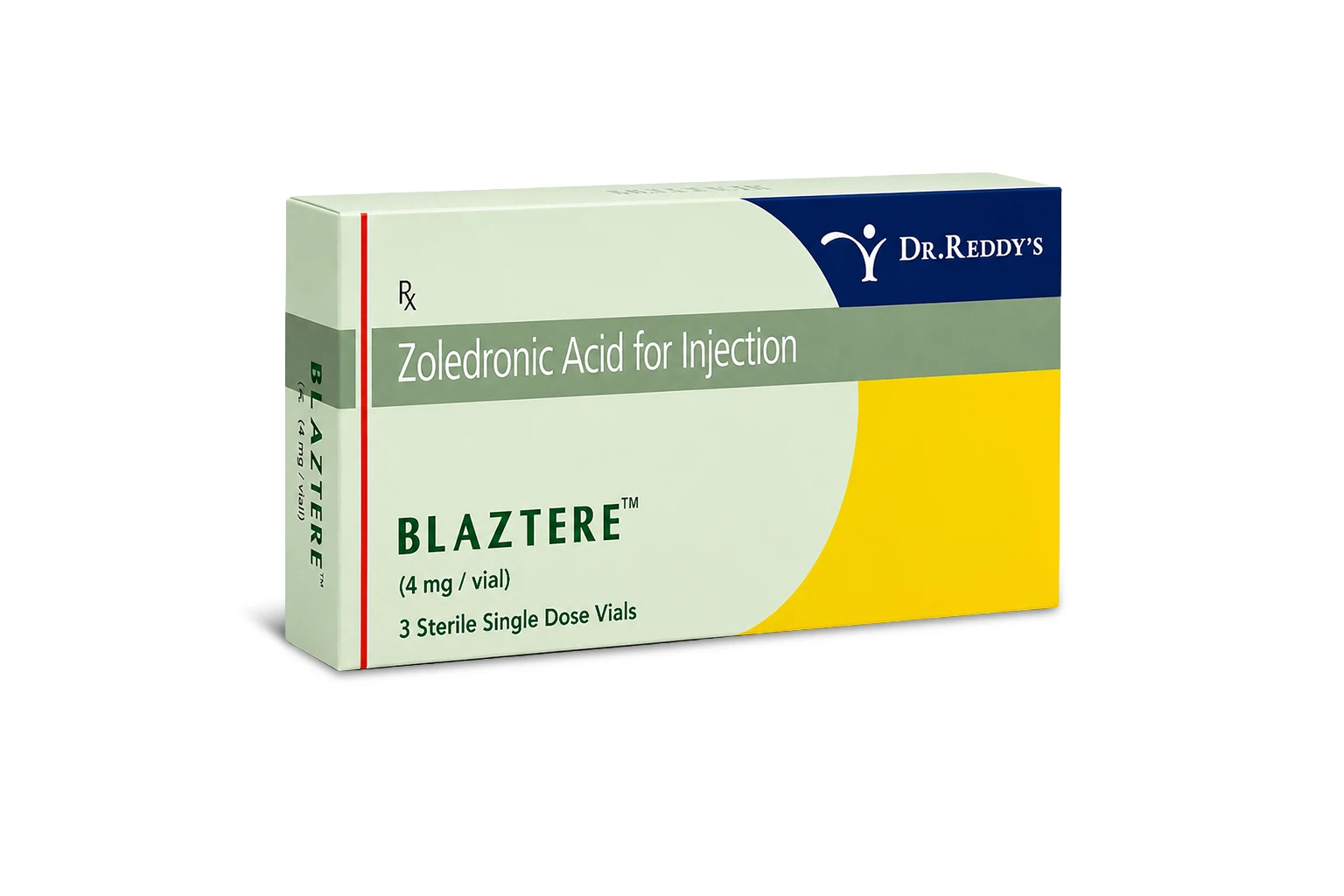
Womens Health$64.00 – $184.00Price range: $64.00 through $184.00Rated 4.00 out of 5Shop Now This product has multiple variants. The options may be chosen on the product pageBlaztere 4 Mg Injection
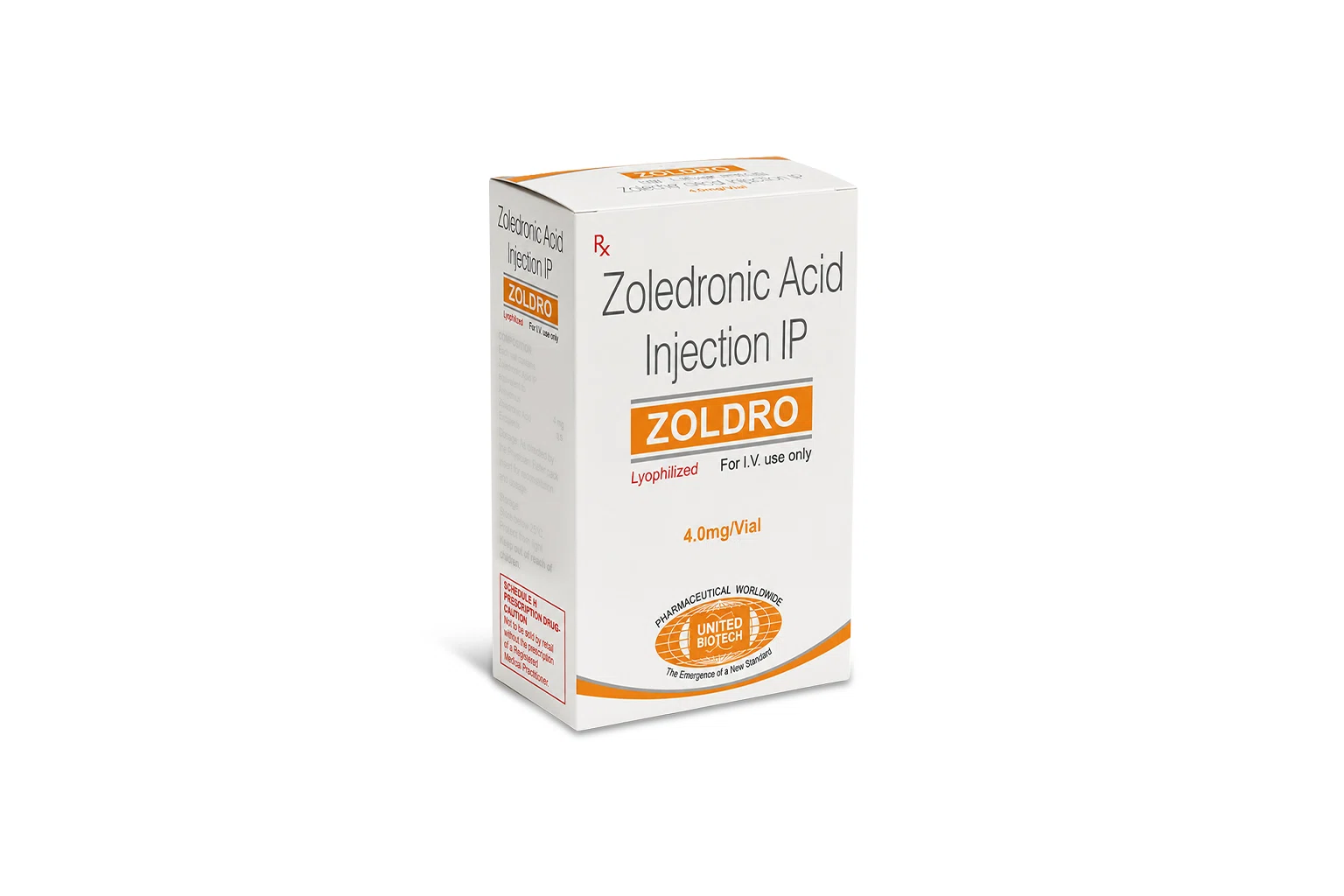
Zoledronic acid$125.00 – $361.00Price range: $125.00 through $361.00Rated 5.00 out of 5Shop Now This product has multiple variants. The options may be chosen on the product pageZoldro 4 Mg Injection
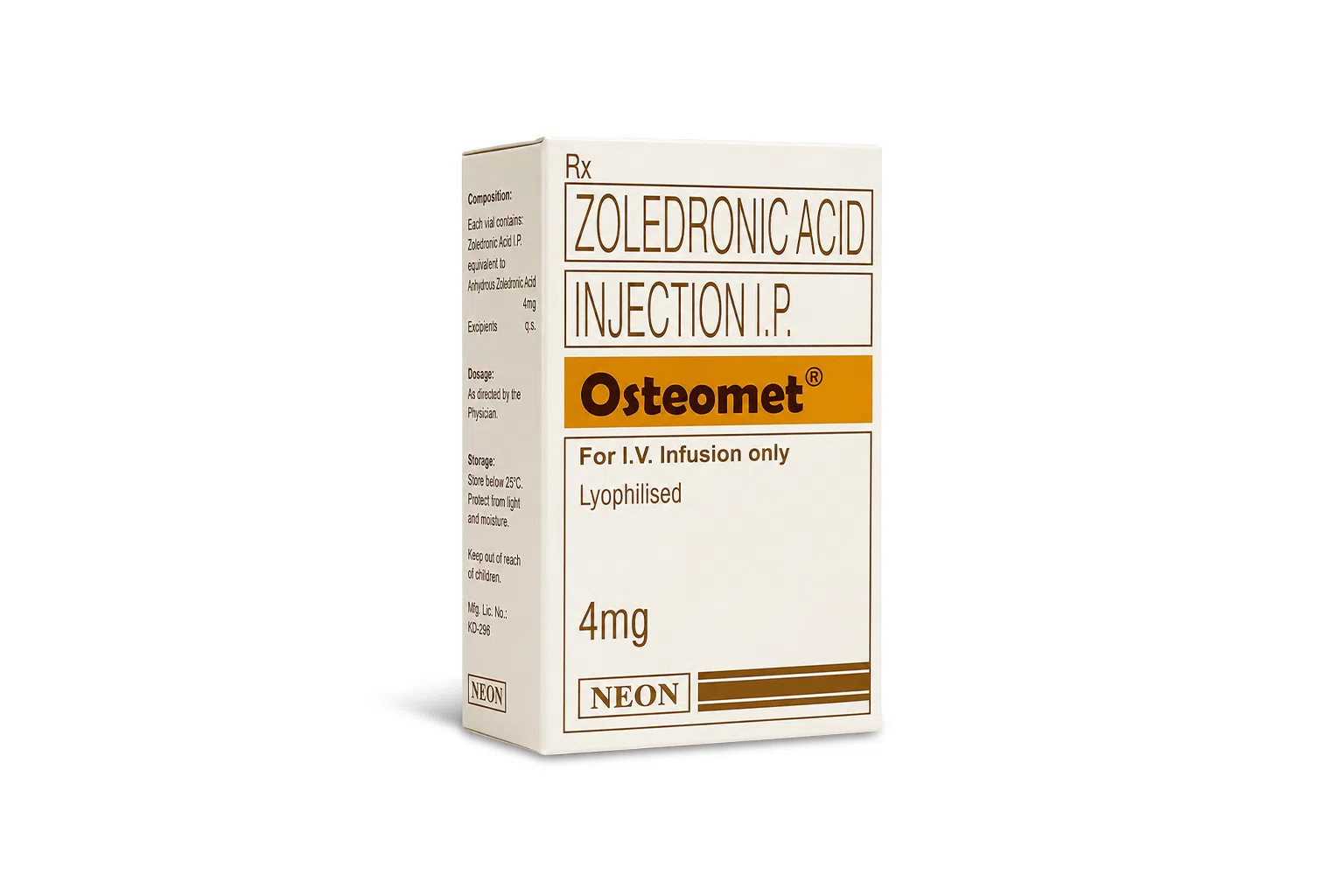
Zoledronic acid$107.00 – $309.00Price range: $107.00 through $309.00Rated 4.00 out of 5Shop Now This product has multiple variants. The options may be chosen on the product pageOsteomet Injection
Womens Health$142.00 – $408.00Price range: $142.00 through $408.00Rated 5.00 out of 5Shop Now This product has multiple variants. The options may be chosen on the product page
Our bones are the same way. They are constantly rebuilding themselves and working to replace the old tissue with a newer, healthier one. The problem arises when this careful balance tips off. After menopause, the ovaries in the female body reduce and slowly stop producing estrogen. Estrogen is a key hormone that protects bone density, and a rapid decline in the hormone can lead to bone destruction.
After menopause, your bones don’t quite manage to replenish as much as bone breakdown happens, and that’s a leading cause for bone destruction. The mechanism of this bone destruction is what we aim to shed more light on with this article. We’ll discuss why and how estrogen works towards bone health, how rapid the bone destruction is, and how IV injections like Zobone 4 mg, Zoldria 4 mg, or Zolasta 4 mg can be of help throughout this process.
Why does Bone Destruction happen?
This imbalance gradually reduces bone mineral density, weakens the internal bone structure, and increases the likelihood of fractures. Our bones may appear as pretty sturdy to us, but they are actually a living tissue that is always working towards renewing itself. There’s a process called bone resorption through which cells like osteoclasts remove the old bone while other specialized cells like osteoblasts build the bone.
For healthy individuals, these groups of cells work in complete tandem to replace old tissue, but what happens with decreasing estrogen is that it makes room for osteoclasts to have a higher activity and slows down the rebuilding of bone. This is how bone destruction catches speed and bone loss occurs faster than these cells can replenish the lost tissue.
Why do women go through major bone destruction?
Men also lose bone mass too as they age, but at a slow and gradual pace. Women don’t get that slow gradual pace. There’s a cliff drop waiting for them. The years right after menopause are when the fastest bone density loss happens. Some studies say women can lose up to 20% of their bone density in the five to seven years following menopause. That’s a huge chunk in a pretty short window.
This is why osteoporosis in women shows up so much more often than in men of the same age. It’s not that women are inherently weaker-boned, it’s just the hormone drop that leads to a rapid bone breakdown. Genetics matter too, and body frame, and whether someone smoked or drank a lot in earlier years. All of these seemingly small factors can pile on.
Medical experts sometimes describe it as faster bone destruction compared to normal age-related decline, and that word “faster” is really the whole point of this article. It’s not just bone loss. It’s bone loss that happens on a rushed timeline, packed into a handful of years instead of stretched out slowly like it happens with men.
A few more things make bone destruction move even faster than normal menopause-related decline, including low calcium and vitamin D intake over years, smoking, too much alcohol, being underweight, certain medications like long-term steroids, thyroid issues, and a sedentary lifestyle where the bones just aren’t getting loaded with any weight-bearing stress.
Fracture risks
Nobody feels their bones thinning, which is why most of us don’t even take explicit notice. There’s no pain signal for it, not until something actually breaks. Fractures like a hip fracture or a wrist fracture may actually indicate something. Sometimes even just bending over to pick something up causes a vertebra to compress. That’s usually when people find out. The early signs of osteoporosis after menopause are mostly invisible, you may see some height loss over the years or maybe a slight stoop in posture, but most women don’t clock it as bone-related.
This is where a bone density scan (DEXA scan) becomes useful, even before anything breaks. Healthy individuals usually recommend one around age 65 or earlier if there’s a family history or other risk factors going on.
Tips to battle bone destruction
Diet helps, to a point. Calcium-rich foods, vitamin D, and weight-bearing exercise like walking or light resistance training are the basics everyone already knows and nobody really does consistently. Bone health after menopause isn’t just about eating more cheese, though. It needs a bit more than that once density has already started dropping.
There’s no single trick to prevent bone loss completely. It’s a slow accumulation of small habits, and even then genetics can override a chunk of it. Some women do everything “right” and still end up dealing with a fair amount of bone destruction by their sixties, which feels unfair, but unfortunately that’s the reality of it.
For women where the loss has progressed further, healthcare providers often move toward actual osteoporosis treatment, and this is where medications like zoledronic acid come in.
The role of Zoledronic acid
Zoledronic acid is a bisphosphonate that works by slowing down those overactive osteoclast cells mentioned earlier, the ones responsible for breaking bone down too fast. It doesn’t rebuild bone exactly, but it slows the destruction side of things down enough that the body’s natural rebuilding can catch up a little.
It’s usually given as a once-yearly infusion, which a lot of women actually prefer over daily or weekly pills, since remembering a tablet every single day for years is its own kind of struggle.
Brands like Zobone 4 mg, Zoldria 4 mg, and Zolasta 4 mg are versions of zoledronic acid available for this exact purpose, postmenopausal osteoporosis and general bone density management. However, these are IV medications that require training before an individual goes on to self-administer. The decision to administer these medications depends on DEXA results and the overall risk profile of an individual.
Some women ask how zoledronic acid helps treat osteoporosis exactly, and honestly the simplest explanation is it just puts the brakes on the resorption process, giving the bone a chance to stay denser for longer instead of continuously thinning year after year. As zoledronic acid for osteoporosis goes, it’s one of the more studied options out there, which is part of why healthcare providers lean on it so often for postmenopausal cases specifically.
How to fix this?
Osteoporosis prevention isn’t a single fix but more of an ongoing thing. You may have to keep checking vitamin D levels, staying active, not smoking, watching your alcohol intake, and maybe adding calcium supplements if diet alone isn’t cutting it. Ways to improve bone density after menopause usually involve a mix of these things rather than one magic answer, which is annoying to hear, but it’s the truth.
Rapid bone breakdown in the years right after menopause is basically the body adjusting to a completely different hormonal environment, and there’s no way to fully stop that adjustment, only slow it and manage it better. This entire cycle of bone destruction and rebuild is just part of aging now, whether anyone likes hearing that or not.
Final Thoughts
Bone destruction gets treated like it’s only an “old person” problem, but the early damage happens way before anyone looks old or frail. It’s happening discreetly at 52 or at 55, while someone still feels perfectly fine and mobile. That’s the tricky bit, feeling fine doesn’t mean the bones are fine, and by the time bone destruction gets noticed, it’s often already been going on for a while.
Bone strength for women isn’t something that stays constant through life stages. It shifts a lot around menopause specifically, more than most people realize until a fracture forces the conversation.
The International Osteoporosis Foundation has stated that 1 in 3 women who are older than 50 have the potential to experience a fracture due to osteoporosis. It’s important for everyone to understand this so that they can help themselves and others around them.
FAQ's
1. Does bone destruction always speed up right after menopause?
For most women, yes, the fastest drop happens in the first several years post-menopause.
2. Can lifestyle changes alone help support bone health after menopause?
Sometimes, especially with mild loss, but more advanced cases usually need medical treatment too.
3. Is zoledronic acid a cure for osteoporosis?
No, it slows bone loss down, it doesn’t reverse everything or cure it completely.
4. What are some simple bone health tips for women post-menopause?
Weight-bearing exercise, enough calcium and vitamin D, avoiding smoking, and regular bone scans.
5. How often should zoledronic acid be given for postmenopausal bone loss?
Zoledronic acid is supposed to be just administered once a year for osteoporosis, and the schedule should be discussed with a healthcare expert.

Dr. Delisha Cole is a sexual health and wellness writer with over 10 years of experience researching erectile dysfunction, performance anxiety, premature ejaculation, and modern ED treatments. She focuses on breaking down complex medical topics into practical, easy-to-understand advice that helps readers make informed decisions about their intimate health, confidence, and relationships. Her content covers ED medications, lifestyle factors, treatment safety, and real-world wellness guidance in a simple, reader-friendly way.