
Every aspect of a relationship is important, be it emotional or sexual. Two partners need compatibility in both areas. Any change in either of the aspects can cause a roadblock for the partnership. Any change or shift in sexual interest from either partner can be cause of concern for the other. Something that felt like it came so naturally may start feeling like a chore, and the person may start to think of it as less and less appealing.
Although just because there’s been a dip in one partner’s sexual drive doesn’t mean that their affection, attraction, or emotional connection may take a dive too. Those factors are still very much present between the partners. It’s not unusual to sometimes see a drop in one’s sex drive. Stressful schedules, hormonal fluctuations, or poor sleep can all drive someone up the wall. The issue arises when this drop ends up lasting for more than 6 months and doesn’t have any other causal factor.
One such condition that can potentially lead to this situation is hypoactive sexual desire disorder (HSDD). It’s a condition where a person experiences a lack of sexual interest that’s pervasive, and this lack lasts for 6 months or more. Taking a look at the different factors that can lead to this shift might help individuals recognize which things they should be paying attention to.
What is Hypoactive Sexual Desire Disorder (HSDD)?
A person’s sex drive refers to their interest in sexual activity, which can include sexual fantasies, thoughts, or willingness to engage in intimacy with their partner. There is no fixed pattern or set time to sex drive. Some people experience it on their own with no prompting and pretty spontaneously, while others may experience it after some sort of physical stimulation or emotional closeness with their partner.
HSDD is when this sex drive experiences a drop and causes significant distress to the individual, along with their partner. Not having sex as often as a partner or having fewer thoughts about intimacy on the spot are not the only things that matter.
There is an actual diagnostic criterion for this condition, and it’s also present in the DSM-5-TR handbook. In the handbook, several aspects of sexual interest and arousal are considered rather than just a lack of want and desire in the person. According to the handbook, the symptoms of HSDD have to be present for at least 6 months and should also cause significant distress to the person.
Common Signs of HSDD
A change in intimacy patterns can be difficult to identify because there is no universal level of sexual interest that everyone should maintain. Instead, clinicians look at whether the change is persistent, noticeable, and distressing to the individual.
It’s a little difficult to identify the differences in one’s intimacy patterns on an objective level since several people experience intimacy at different levels. What most medical professionals have in mind when they’re looking for signs of HSDD is that if the changes have been obvious, persistent, and distressing to the person.
Some of the most commonly reported symptoms of HSDD are that individuals have fewer sexual thoughts, fewer fantasies, no urge to initiate anything with their partner, less excitement for any physical intimacy, avoidance of situations that may lead to anything further, and experiencing a surmountable amount of frustration and anxiety over this change.
And age plays a part, obviously. Interest tends to shift in the forties, fifties, and sixties, sometimes earlier. A shift isn’t the same as a problem, but it can turn into one if it starts hurting the person or the relationship.
Physiological Factors Behind HSDD
Hormones are like little messages in our body that affect several aspects of our sexual health, like a person’s mood, arousal, energy, and reproductive health. Any sort of up and down in hormones like estrogen, testosterone, or prolactin levels can also lead to a person’s reduced interest in being intimate with their partner.
Testosterone that has drifted low, or prolactin running high, can quiet sexual desire pretty effectively. Thyroid trouble does it too. Hormonal changes and libido are tangled together, and the shifts tend to creep in slowly, so nobody notices until it’s been a while.
Chronic health conditions can also have an effect on a person’s sex drive. Conditions like diabetes, neurological disorders, chronic pain conditions, and cardiovascular diseases can all affect one’s sex drive.
Medications belong in this section too. Antidepressants, SSRIs especially, are known for dulling desire in a fair number of people. Some specific blood pressure medications or hormonal treatments can also have a similar effect.
Best Seller

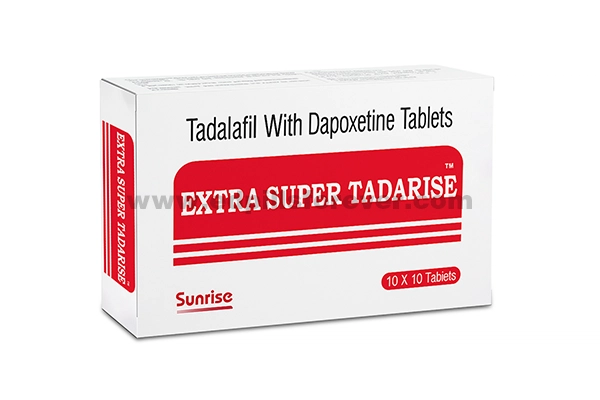
Extra Super Tadarise
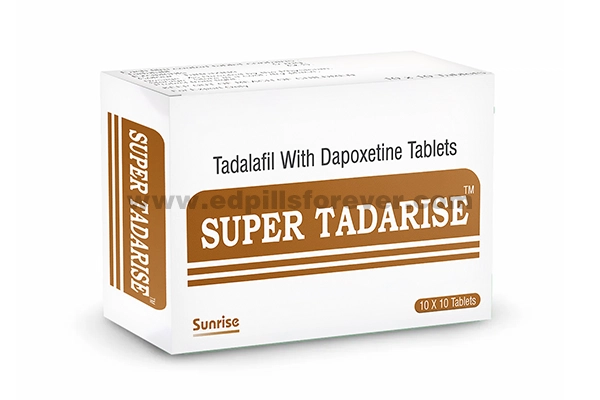
ALL$48 – $720Price range: $48 through $720Rated 5.00 out of 5Shop Now This product has multiple variants. The options may be chosen on the product pageSuper Tadarise
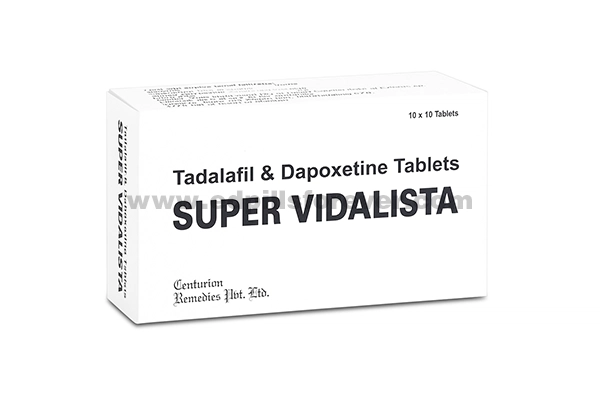
ALL$45 – $446Price range: $45 through $446Rated 4.00 out of 5Shop Now This product has multiple variants. The options may be chosen on the product pageSuper Vidalista 80 Mg
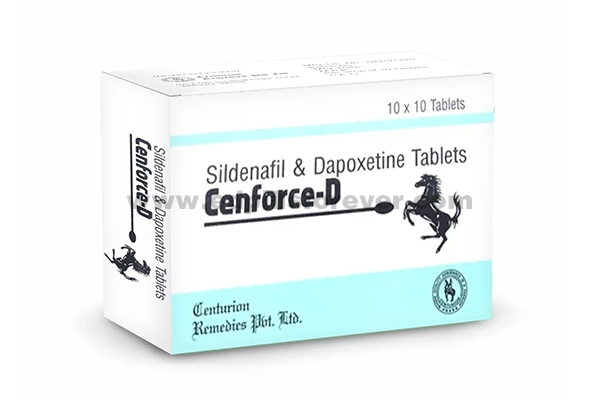
ALL$78 – $784Price range: $78 through $784Rated 5.00 out of 5Shop Now This product has multiple variants. The options may be chosen on the product pageCenforce D 100+60 Mg
ALL$41 – $412Price range: $41 through $412Rated 5.00 out of 5Shop Now This product has multiple variants. The options may be chosen on the product page- Sale!
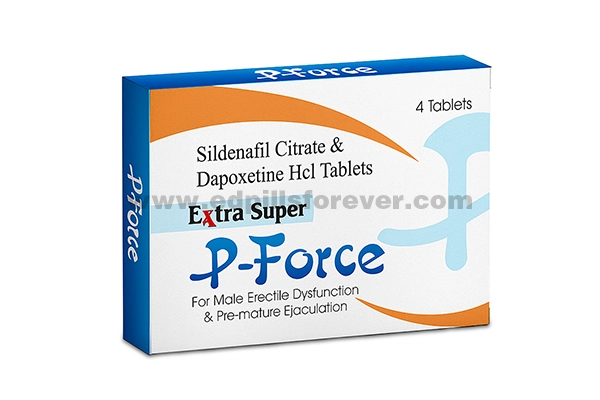
Extra Super P Force
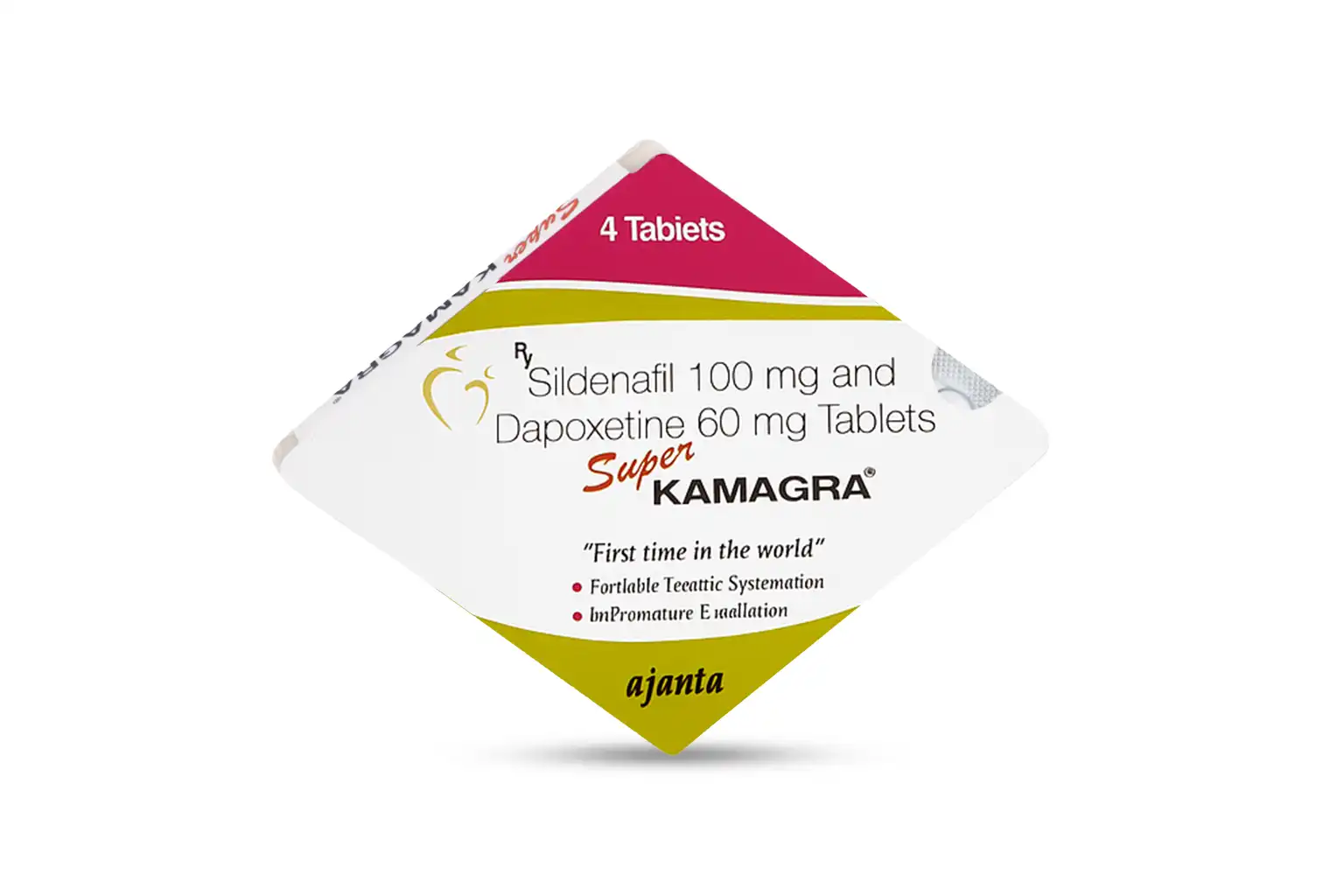
ALL$80 – $305Price range: $80 through $305Rated 5.00 out of 5Shop Now This product has multiple variants. The options may be chosen on the product page Super Kamagra (Sildenafil 100 Mg + Dapoxetine 60 Mg )
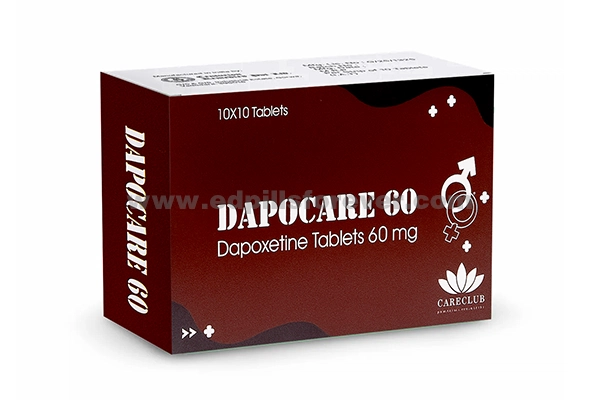
Ajanta Pharma$22 – $280Price range: $22 through $280Rated 4.00 out of 5Shop Now This product has multiple variants. The options may be chosen on the product pageDapocare 60mg
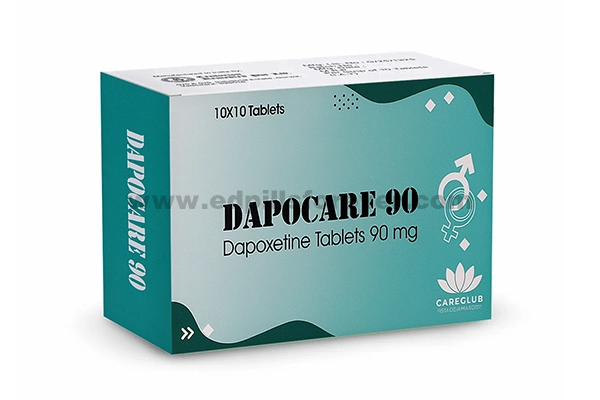
Dapocare$122 – $295Price range: $122 through $295Rated 5.00 out of 5Shop Now This product has multiple variants. The options may be chosen on the product pageDapocare 90mg
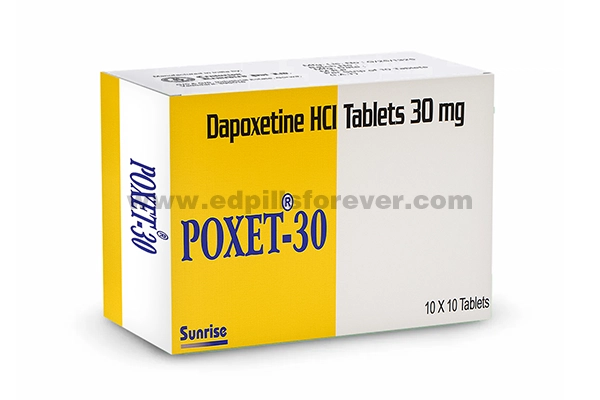
Dapocare$95 – $265Price range: $95 through $265Rated 5.00 out of 5Shop Now This product has multiple variants. The options may be chosen on the product pagePoxet 30 Mg
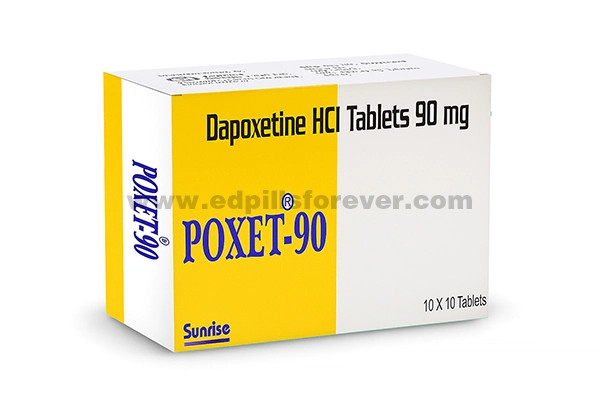
DAPOXETINE$25 – $100Price range: $25 through $100Rated 4.00 out of 5Shop Now This product has multiple variants. The options may be chosen on the product pagePoxet 90 mg
DAPOXETINE$31 – $122Price range: $31 through $122Rated 5.00 out of 5Shop Now This product has multiple variants. The options may be chosen on the product pageDapoforce 60 mg
Dapoforce$27 – $275Price range: $27 through $275Rated 4.00 out of 5Shop Now This product has multiple variants. The options may be chosen on the product pageDapoforce 90mg
Dapoforce$27 – $140Price range: $27 through $140Rated 5.00 out of 5Shop Now This product has multiple variants. The options may be chosen on the product pageDapoforce 30mg
Dapoforce$30 – $78Price range: $30 through $78Rated 4.00 out of 5Shop Now This product has multiple variants. The options may be chosen on the product pagePoxet 60 mg
DAPOXETINE$28 – $110Price range: $28 through $110Rated 4.50 out of 5Shop Now This product has multiple variants. The options may be chosen on the product pagePriligy 30 mg
best sellers$22 – $156Price range: $22 through $156Rated 4.00 out of 5Shop Now This product has multiple variants. The options may be chosen on the product pagePriligy 60 mg
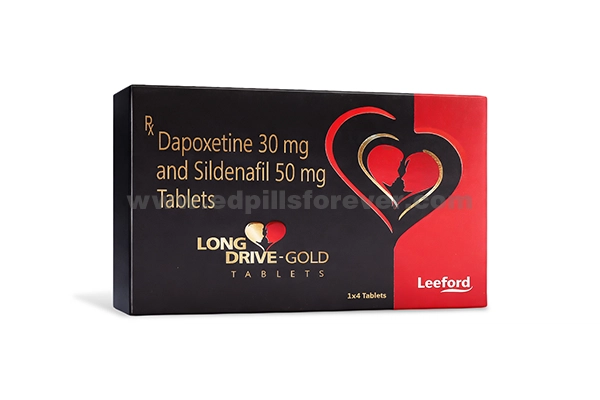
DAPOXETINE$32 – $197Price range: $32 through $197Rated 4.00 out of 5Shop Now This product has multiple variants. The options may be chosen on the product pageLong-drive Gold
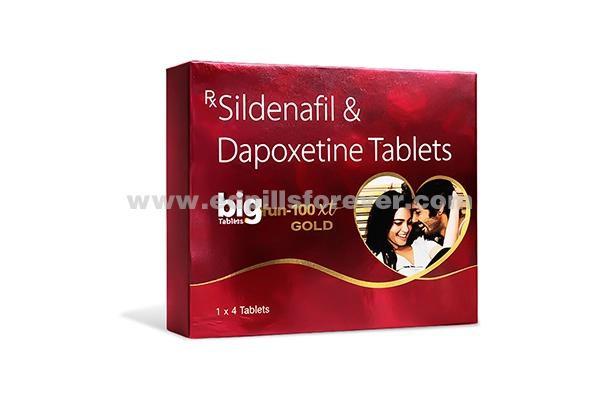
DAPOXETINE$64 – $105Price range: $64 through $105Rated 5.00 out of 5Shop Now This product has multiple variants. The options may be chosen on the product pageBigfun 100 XT Gold
Bigfun$64 – $105Price range: $64 through $105Rated 0 out of 5Shop Now This product has multiple variants. The options may be chosen on the product page
Psychological Factors Behind HSDD
Most people are aware just how important one’s mental health is for their sexual health and drive. When a person is dealing with workplace stress, anxiety, financial problems, or mental exhaustion, it can quickly affect how interested they might be in engaging with their partner or anyone sexually.
Depression and anxiety are the big names. One study of men seeking help for sexual problems found that psychiatric symptoms predicted low interest better than hormone levels did. That surprises people, since the hormone story feels simpler.
Psychological factors affecting desire also include shame, a strict upbringing, body image worries, and performance anxiety. That last one is sneaky. A man worries about performing, dodges sex to avoid the worry, and after a while, the dodging stops feeling like dodging. It just feels like not wanting it. Burnout counts too. A tired brain doesn’t have room for much else.
Relationship Factors & Emotional Intimacy
Relationship factors and intimacy get overlooked constantly. Stuff like resentment, old fights nobody finished, or feeling more like roommates than partners can all affect how interested either partner is in intimacy.
Desire doesn’t grow well in that soil. Sexual desire often follows closeness more than the other way around, which is backwards from what a lot of couples assume.
Research also shows men whose partners have low desire are more likely to report desire problems themselves, so it can be a loop between two people rather than one person’s fault. Talking helps, and people hate hearing that, but a counselor or sex therapist in the room sometimes does what months of tiptoeing couldn’t.
Treatment for HSDD
A primary care provider is the usual starting point. Blood tests for testosterone, thyroid, and sometimes prolactin. A review of every pill the person takes. Questions about mood, sleep, drinking, the relationship. Not glamorous, but usefu.
Treatment options for HSDD depend on what turns up. If depression is behind it, treating the depression comes first. If a medication is the problem, a physician may change the dose or switch to something else. Testosterone therapy is only for men whose levels are truly low, not a general fix. Sex therapy and couples counseling have solid backing too.
A couple of drugs exist for desire problems in premenopausal women, but nothing like that is standard for men. Online “libido boosters” are a different story and mostly a waste of money.
How can low sexual desire be managed? Usually in layers. Sleep, exercise, less alcohol, honest conversations, and professional help when the cause is hormonal or psychological.
Where do Premature Ejaculation Medications Come in?
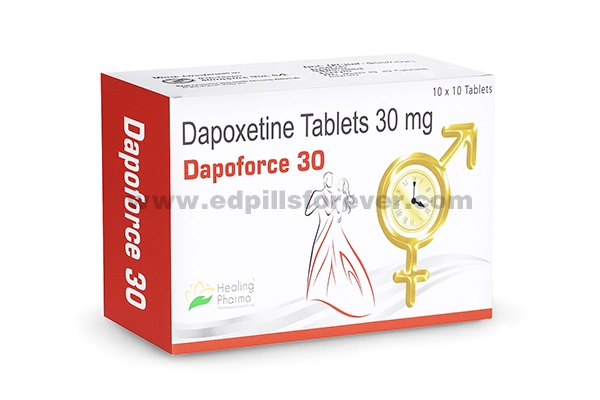
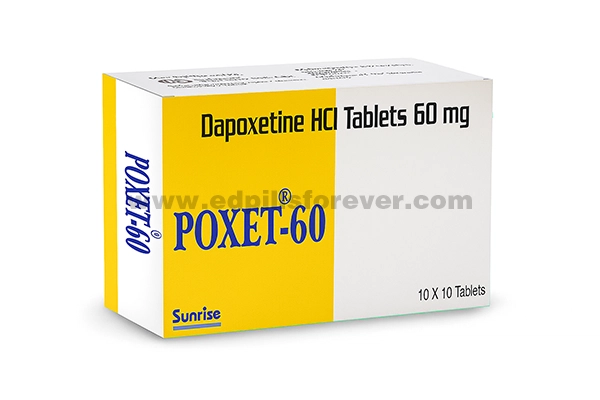
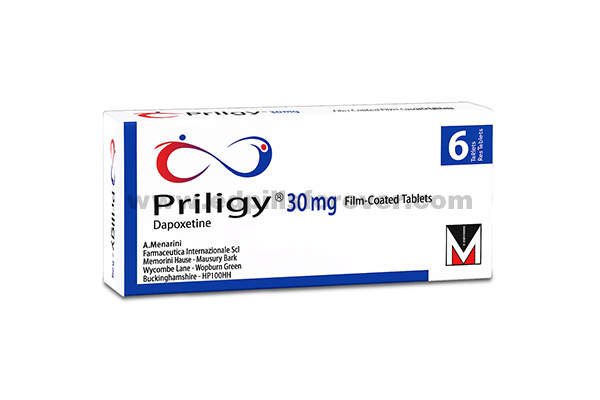
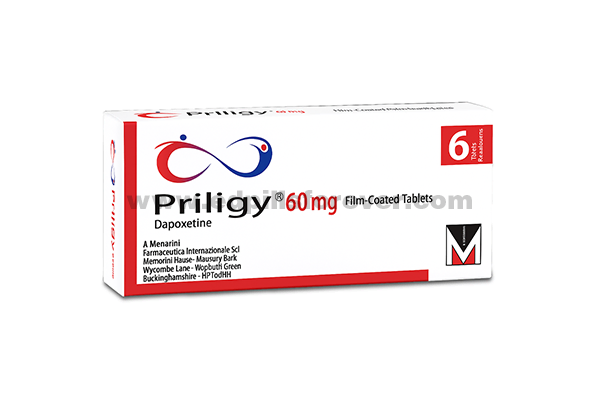
Here’s a point that gets muddled online. Poxet and Priligy contain dapoxetine, a short-acting SSRI made for premature ejaculation. They are not made for HSDD, and they do nothing to raise desire.
Poxet comes in 30 mg, 60 mg, and 90 mg, and the Poxet category covers each of those strengths. Priligy comes in 30 mg and 60 mg, with its own Priligy category. Both are taken as needed, usually a few hours before sex, and only the way a physician directs.
Why mention them at all? Because premature ejaculation and low desire sometimes feed each other. A man who finishes too quickly feels embarrassed, gets anxious, starts avoiding sex, and then interest drops. In that case, sorting out the ejaculation side, perhaps with Poxet or Priligy, may take some pressure off. It’s a different problem, though, and the desire question still needs its own answer.
Side effects are worth knowing. Nausea, headache, and dizziness are the common ones. Since dapoxetine is an SSRI, a healthcare provider should check mood, other medications, and alcohol use first. Some people on SSRIs also notice lower interest in sex, so that’s a real conversation to have before starting, not after.
Final Thoughts
Sex drive or sexual interest is not a constant stream that never dries out. The currents of life can always cause an up and down in one’s interest in sexual interest. Having less interest in sexual intimacy at the current point of time doesn’t mean that someone or their relationship isn’t doing well and shouldn’t immediately be a cause for concern.
It should be looked at when your symptoms keep persisting and won’t go away despite the different measures you might have used to counter it. Understanding the different causes of HSDD might be a very good starting point to understanding your own issue.
FAQs
1. What is HSDD?
2. Can stress lower sexual desire?
3. Do Poxet or Priligy treat HSDD?
4. Is HSDD only a women's issue?
5. When should a doctor be seen?

Dr. Lucifier is a men’s health specialist with over 12 years of experience in sexual wellness and ED treatment. He holds an MBBS, MD in Internal Medicine, and DM in Urology, and focuses on safe, personalized care using proven therapies like Sildenafil and Tadalafil.