
Most of us only think about drinking water when we’re thirsty, on a hot day, or after a hard workout, and that usually gets us through without any trouble. What rarely comes up is how a low fluid intake can quietly affect parts of the body we can’t see, including the blood vessels that matter so much for sex. If you’ve ever had an off night after a long, hot shift or a day of barely drinking water, you may have wondered whether the two are connected, and this post looks at what the science does and doesn’t say about dehydration and erectile health, along with what’s actually worth doing about it.
How Does Dehydration Change Blood Circulation?
Blood is about 55 percent plasma, and plasma is roughly 90 percent water, so when your body runs short on fluid your blood is one of the first places it shows up. With dehydration, plasma volume drops, the blood becomes slightly thicker, and the heart beats a little faster to keep the same amount moving around, which is the basic link between dehydration and blood circulation. It can begin earlier than most people expect, since some studies have found measurable changes when body weight falls by only 1 to 2 percent through fluid loss, and because thirst tends to switch on after you’ve already lost a fair amount, and the signal grows weaker with age, plenty of men go through the day mildly short of fluid without ever feeling thirsty.
Why Erectile Health Depends on Blood Flow
When you’re aroused, the arteries in the penis relax and widen so that blood can flow into two spongy chambers until they firm up, and that’s why doctors often treat the blood flow function of the whole body as a clue to how well erections will work. The lining of the vessels releases nitric oxide to open the arteries, and it does this best when blood is moving freely and the vessel walls are healthy. A few small studies have found that even mild dehydration can make that lining respond less well, which is one plausible route to softer erections, although nobody has run a trial that proves dehydration alone causes erection problems, so it makes more sense to see it as one piece of a bigger picture than as a single culprit.
Best Seller

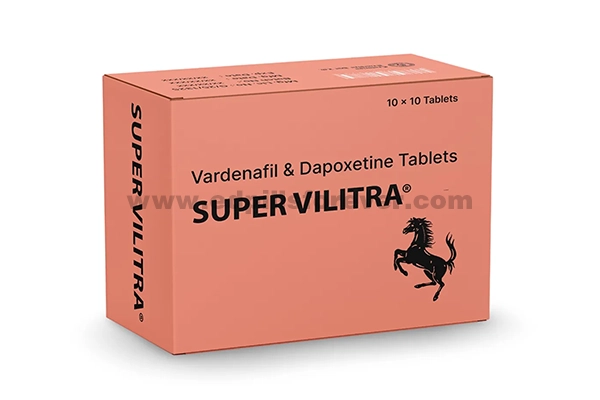
Super Vilitra
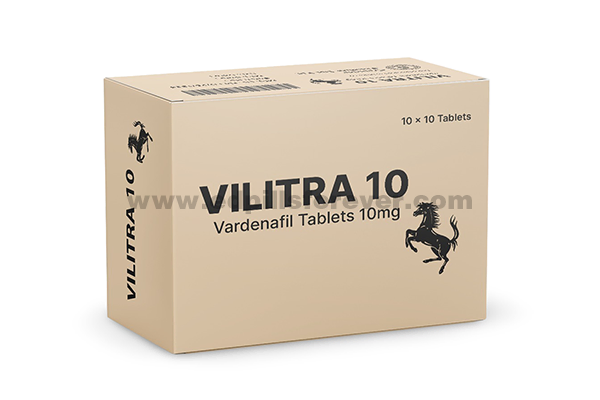
Vardenafil$95 – $390Price range: $95 through $390Rated 5.00 out of 5Shop Now This product has multiple variants. The options may be chosen on the product pageVilitra 10mg Tablets
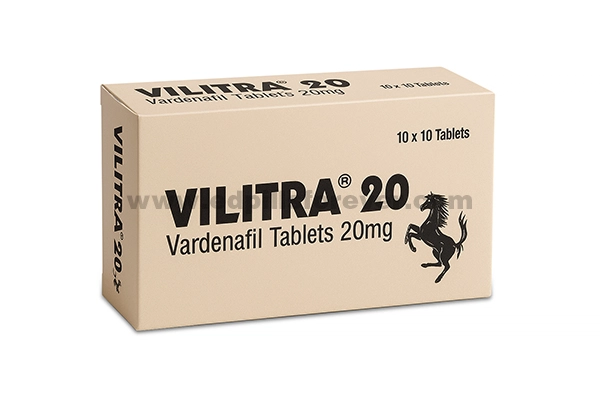
Vardenafil$22 – $179Price range: $22 through $179Rated 5.00 out of 5Shop Now This product has multiple variants. The options may be chosen on the product pageVilitra 20mg
Vardenafil$35 – $289Price range: $35 through $289Rated 5.00 out of 5Shop Now This product has multiple variants. The options may be chosen on the product pageVilitra 40mg
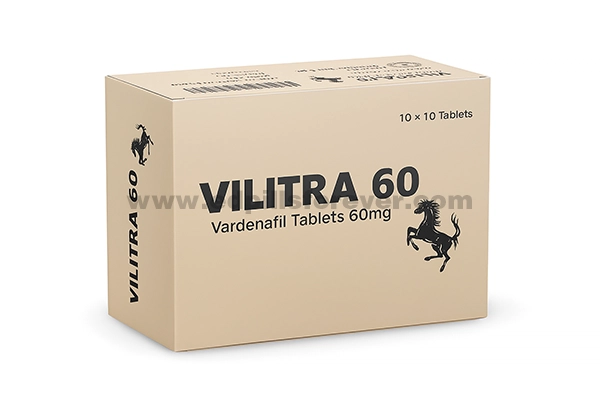
Vardenafil$40 – $349Price range: $40 through $349Rated 5.00 out of 5Shop Now This product has multiple variants. The options may be chosen on the product pageVilitra 60mg
Vardenafil$41 – $355Price range: $41 through $355Rated 4.00 out of 5Shop Now This product has multiple variants. The options may be chosen on the product pageValif 20mg Tablets
Ajanta Pharma$17 – $292Price range: $17 through $292Rated 4.00 out of 5Shop Now This product has multiple variants. The options may be chosen on the product page

Effects of Dehydration on Men Beyond the Bedroom
Every body function depends on water, from digestion to temperature control, so being short on it usually shows up as a mix of small things like headaches, dark urine, dry mouth, muscle cramps, poor focus, and a tired, flat feeling that makes sex seem like too much effort, and anything that drains energy or mood can quietly turn the volume down on intimacy. Heat and heavy sweating add to this, and so does alcohol, because it blocks the hormone that tells your kidneys to hold on to water, so you pass more urine than you drink and wake up dry and sluggish the next day. Poor circulation in men doesn’t always mean cold hands, but it often goes along with dizziness when standing up quickly, cramps in the calves, or erections that feel softer or take longer than usual, and none of these proves a problem on its own. Penile blood flow relies on the same arteries and blood volume as the rest of your body, so changes there often appear alongside changes elsewhere, and they’re part of overall erectile health. A simple home check is the colour of your urine, where pale straw is usually fine and dark amber through the day suggests you need more to drink.
How Much Fluid Do Men Actually Need?
US health authorities suggest about 3.7 litres of total fluid a day for men, which is around 13 cups, but roughly 20 percent of that comes from food, so most men need about 10 cups of actual drinks, and tea, coffee, and water rich foods all count toward that, with coffee being less of a villain than people tend to think at normal amounts. A few habits make it easier to keep up:
- Drink a glass of water soon after waking, since you’ve gone hours without
- Keep a bottle at your desk or in the car
- Add an extra glass for every hour of hard exercise or hot weather
- Follow each alcoholic drink with a glass of water
Gulping a huge amount at once doesn’t help much, so spreading fluids across the day works better, and that’s the practical side of hydration and blood flow, since steady intake helps keep blood volume steady too.
Keeping Fluids in Proportion
It helps to keep all of this in perspective, because the causes of erectile dysfunction usually involve several things at once, including blood vessel health, diabetes, high blood pressure, hormones, stress, sleep, smoking, and some medicines, and fluids are only a small part of that list, and of erectile health as a whole. Erectile dysfunction can also be an early sign of heart and blood vessel trouble, because the penile arteries are narrower than those around the heart and tend to show strain first, sometimes two to five years before other symptoms, which is why a lasting change deserves a proper check and why caring for male sexual health is really about caring for the whole circulation. Drinking enough won’t cure these conditions, but it removes one easy stumbling block while you deal with the bigger ones, and it supports men’s reproductive health too, since the testes depend on a healthy blood supply.
When Water Isn’t the Whole Answer
If your erections stay unreliable even when you’re drinking enough, sleeping well, and feeling healthy, it’s reasonable to talk to a doctor about treatment, and a doctor may mention a PDE5 tablet, a group that includes the Vilitra category with Vilitra 20 mg, Vilitra 40 mg and Vilitra 60 mg all containing vardenafil. These tablets help blood flow into the penis when you’re aroused, but they don’t work without arousal and they aren’t safe with nitrate medicines. Because they can lower blood pressure a little, being very dehydrated while taking one may add to dizziness, so it makes sense to drink fluids and take extra care in hot weather, and your doctor should review your health history first.
When to See a Doctor
It’s worth booking a visit about your erectile health if changes last more than a few weeks, if they come with chest discomfort, breathlessness on stairs, or numbness, or if you notice constant thirst or very frequent urination, since those can point to diabetes. A doctor can check blood pressure, blood sugar, cholesterol, kidney function, and hormones in one visit, and anything like confusion, fainting, a racing heart, or almost no urine needs urgent care rather than waiting it out at home.
Final Thoughts
Water won’t fix every erection problem, but it’s one of the simplest and cheapest ways to support the blood flow your body relies on, and paying attention to dehydration is really a way of respecting how connected everything is, from your heart to your mood to your erectile health. If your erections have changed, it makes sense to start with the basics of drinking steadily, sleeping well, limiting alcohol, and staying active, and to bring in a doctor early if things don’t improve, because that’s how you look after your erectile health in the long run.
Frequently Asked Questions
1. Can dehydration affect erectile health?
2. How much water should a man drink daily?
3. How do I get to know dehydration is affecting my erections?
4. Does drinking more water improve erectile health?
5. Is it safe to take an ED tablet when dehydrated?

Dr. Lucifier is a men’s health specialist with over 12 years of experience in sexual wellness and ED treatment. He holds an MBBS, MD in Internal Medicine, and DM in Urology, and focuses on safe, personalized care using proven therapies like Sildenafil and Tadalafil.