Dutasteride Before and After: What to Expect
Most research and medical studies show dutasteride before-and-after results:
- Hair shedding reduced in first 2-3 months
- Visible thickening of existing hair in the 3-6 month period
- New hair growth in thinning areas becoming noticeable around months 6-12
- Improvement or stabilization in the long run with constant use
Results vary greatly from person to person depending on the stage of hair loss at which treatment is started. Dutasteride tends to work best on follicles that are miniaturized but not yet permanently dormant. This is why earlier intervention generally yields better results than starting treatment after years of advanced baldness.
Is Dutasteride Safe?
One of the most common questions that men ask before they start treatment is, “Is dutasteride safe?” The honest answer is that it is generally well tolerated, but there are some real considerations. This is why it is a pharmaceutical drug. It changes hormone levels and needs to be monitored by a medical professional.
Side Effects of Dutasteride
The common side effects of dutasteride are:
- Decreased libido
- Erectile dysfunction
- Reduced semen volume
- Breast tenderness or mild enlargement (gynecomastia) in rare cases
- Dizziness in some users
- Mood changes, reported by a small subset of users
Primary dutasteride side effects are mild and resolve on discontinuation of therapy. A small percentage of men report persisting symptoms after discontinuation of drug therapy. This is a phenomenon that is continuing to be studied and debated in the medical community. Dutasteride remains in the body much longer than finasteride (its half-life is several weeks). It starts to affect quickly compared to finasteride’s 6–8 hours. So any side effects may also take longer to resolve after it is stopped.
Dutasteride is not recommended to use for women who are pregnant or may conceive because it can cause serious harm to a male fetus. If you are pregnant, do not handle dutasteride tablets because the medicine can be absorbed through your skin.
How to Get Dutasteride
It is a pharmaceutical drug, so it is not available at any shop. You should always consult with a healthcare provider, whether that’s a dermatologist, a urologist, or a telehealth hair-loss provider who can review your pattern of hair loss, medical history, and hormone-related risk factors. Hormonal effects are involved, and it is not recommended to self-medicate without medical supervision.
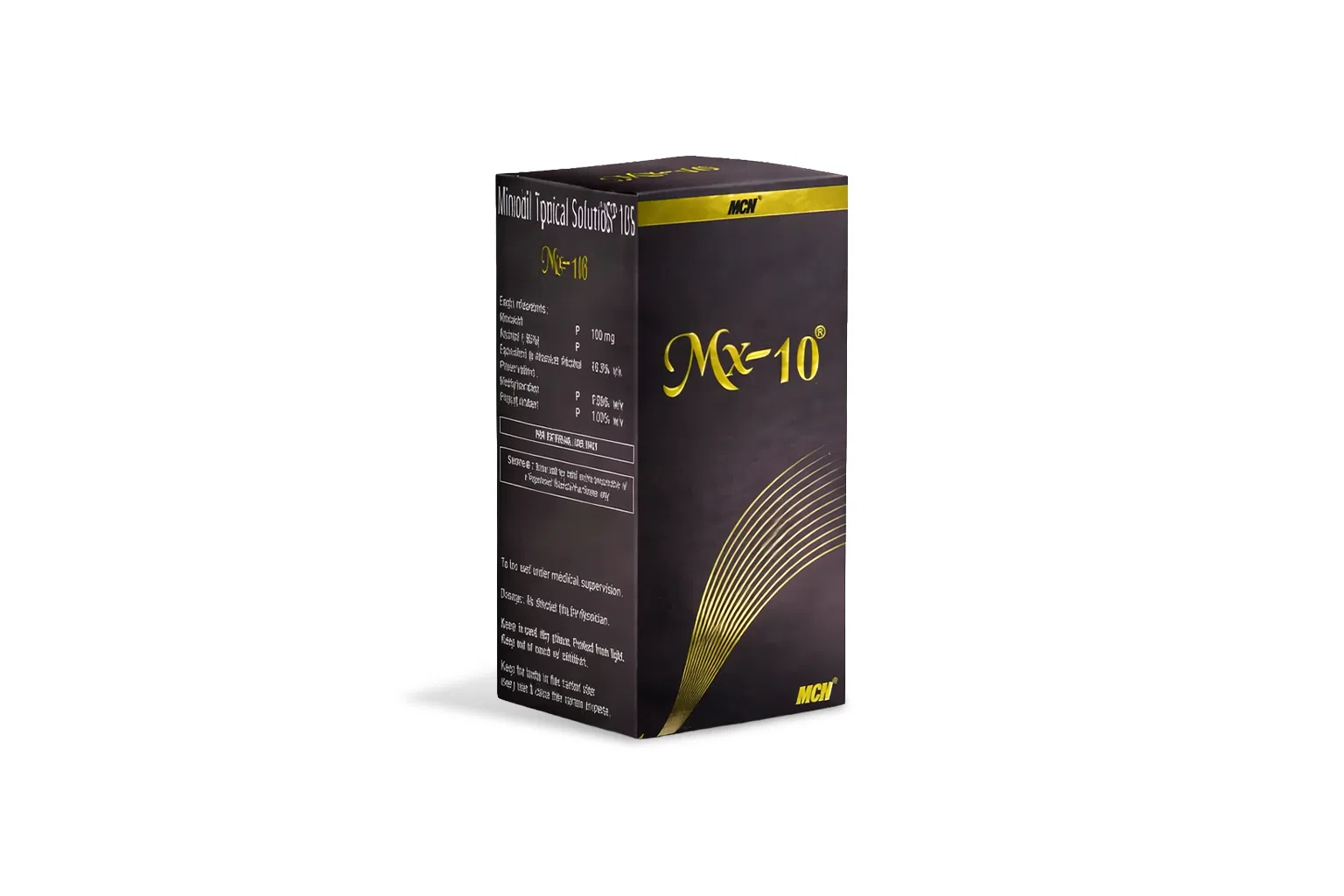
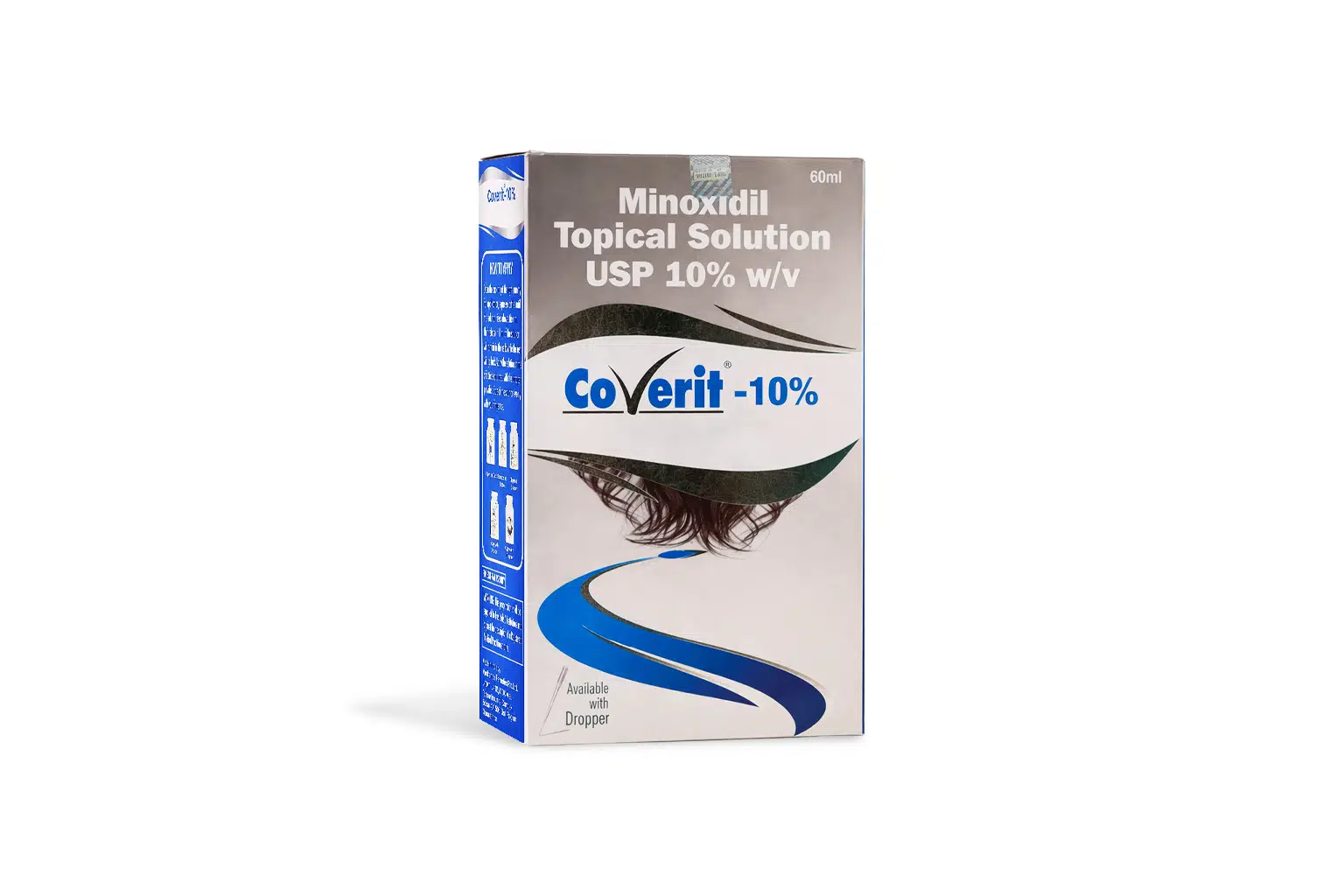
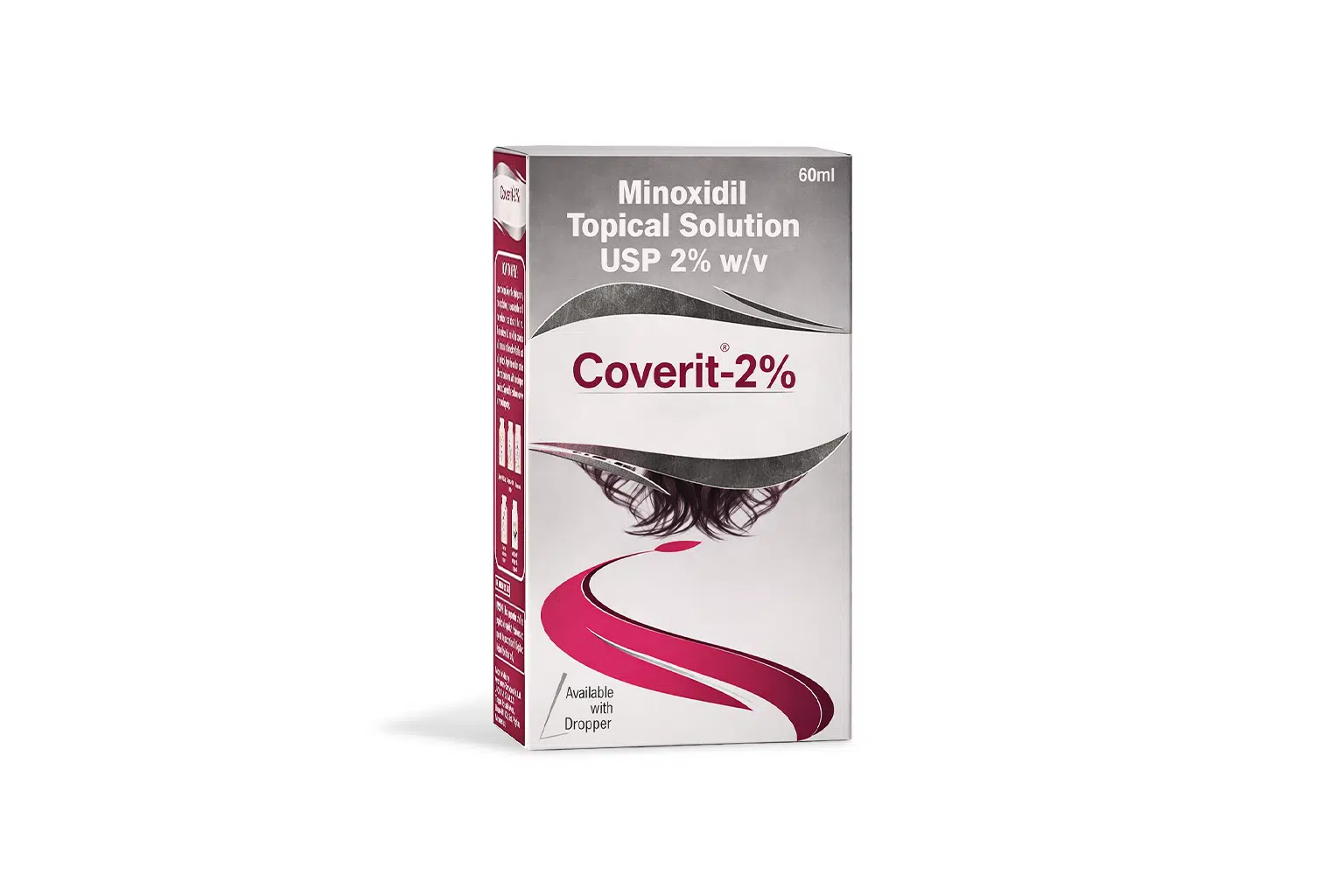
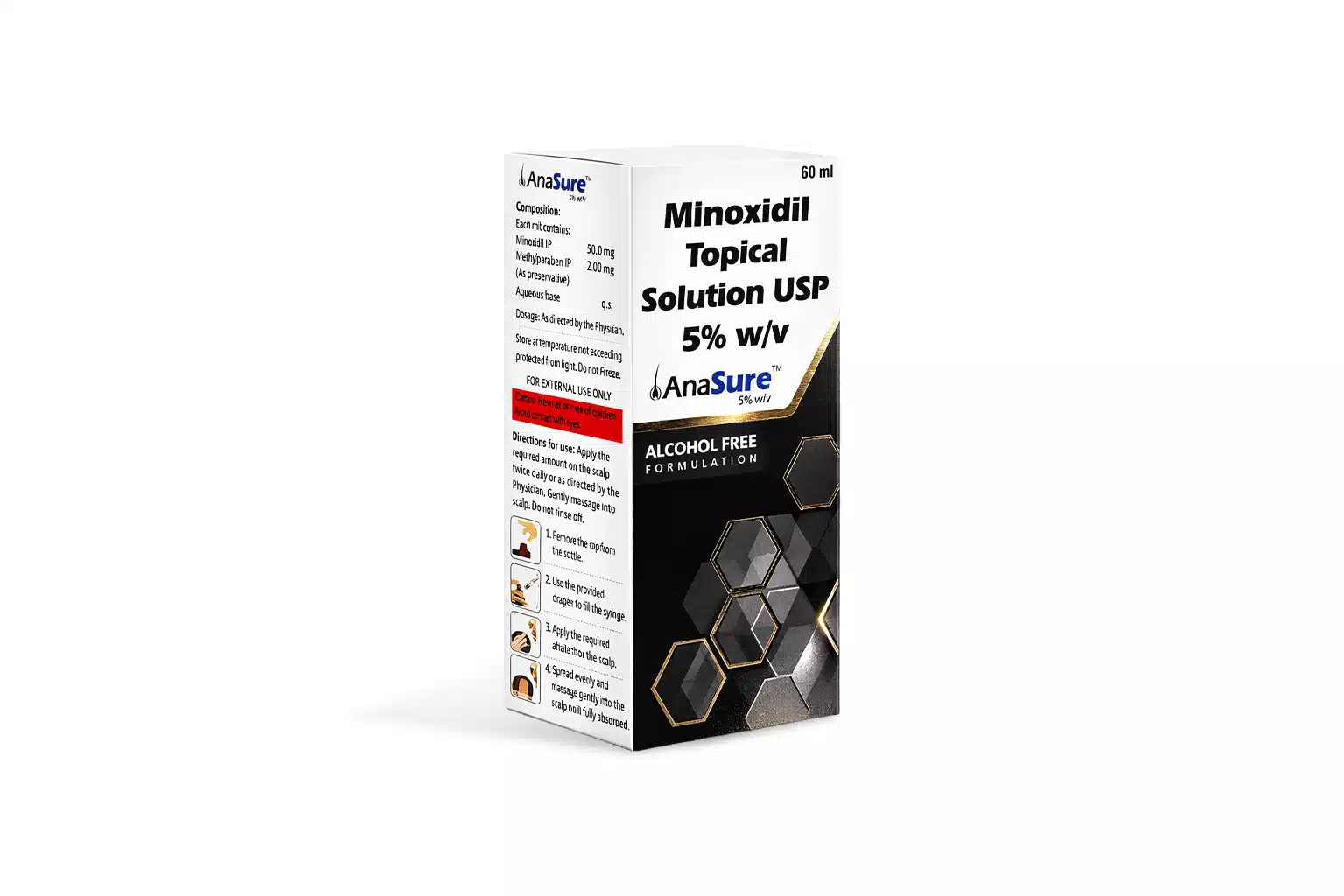
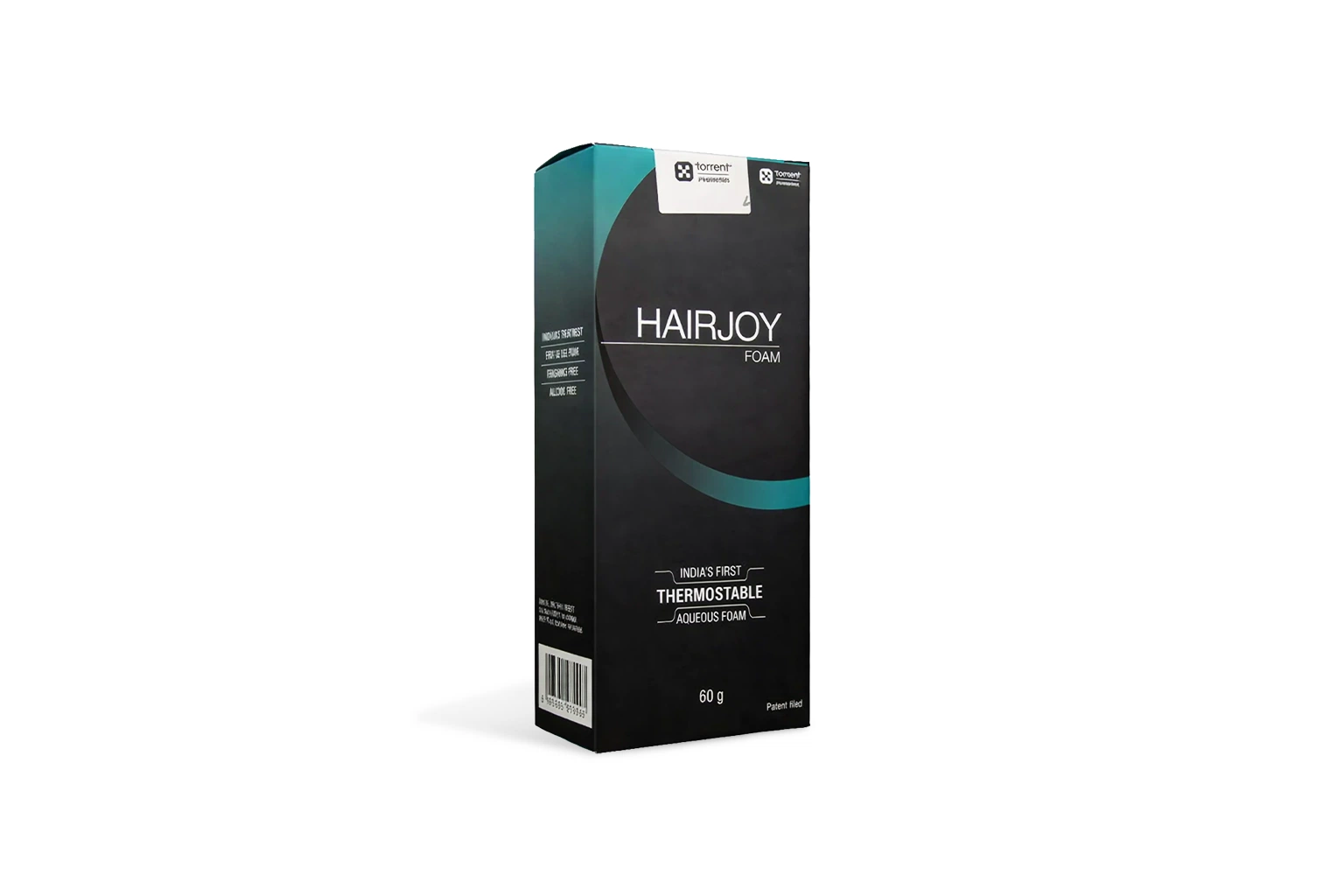
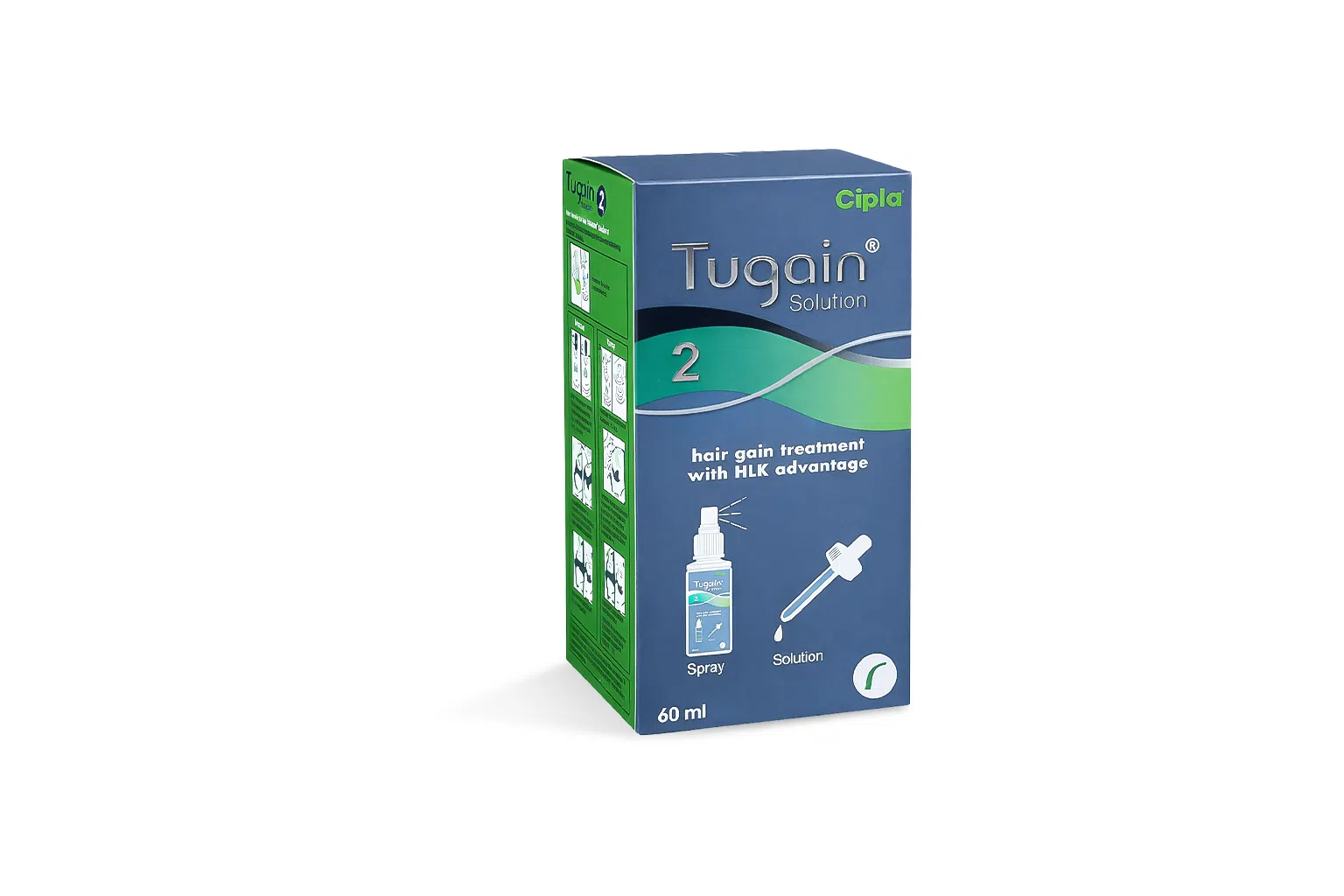
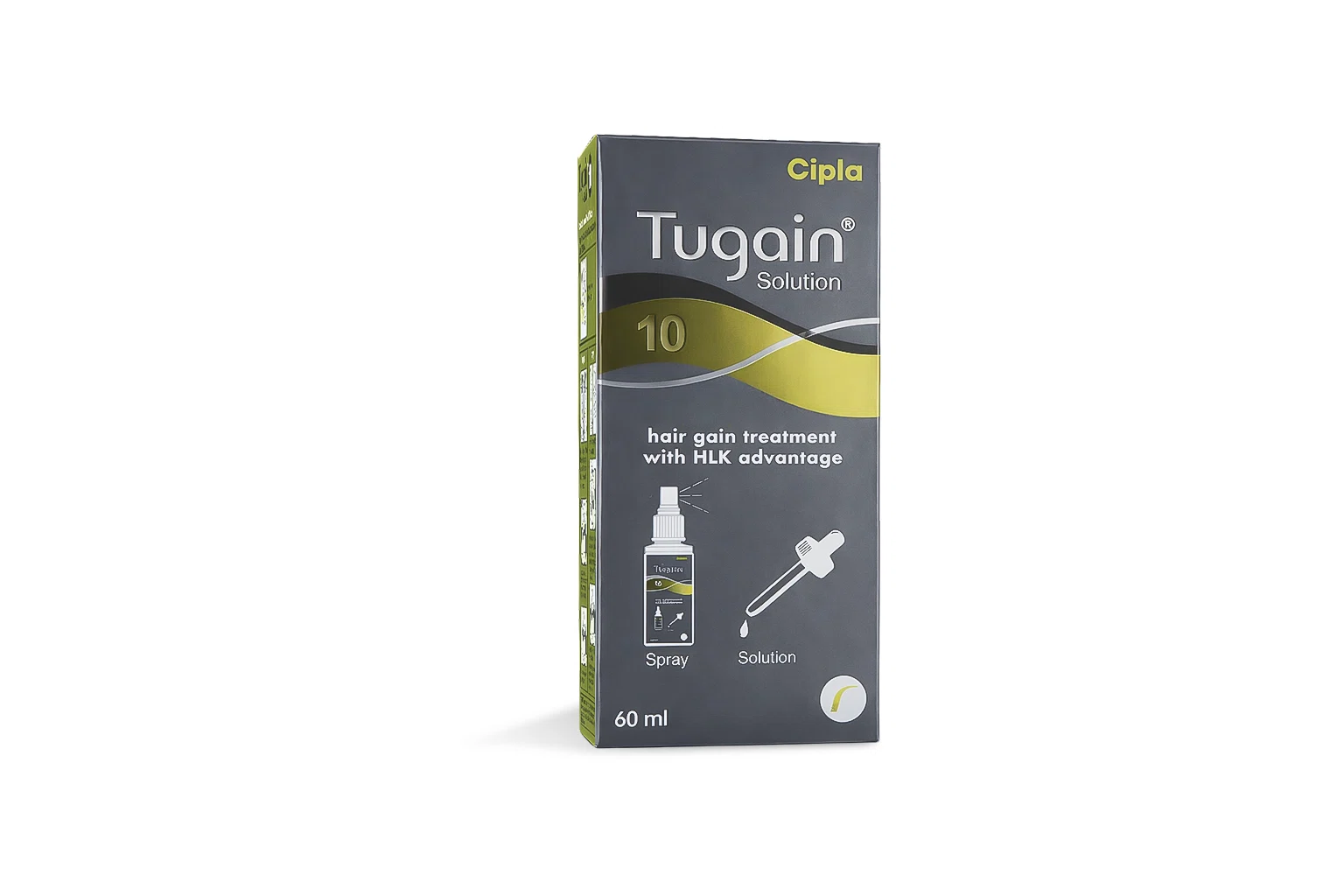
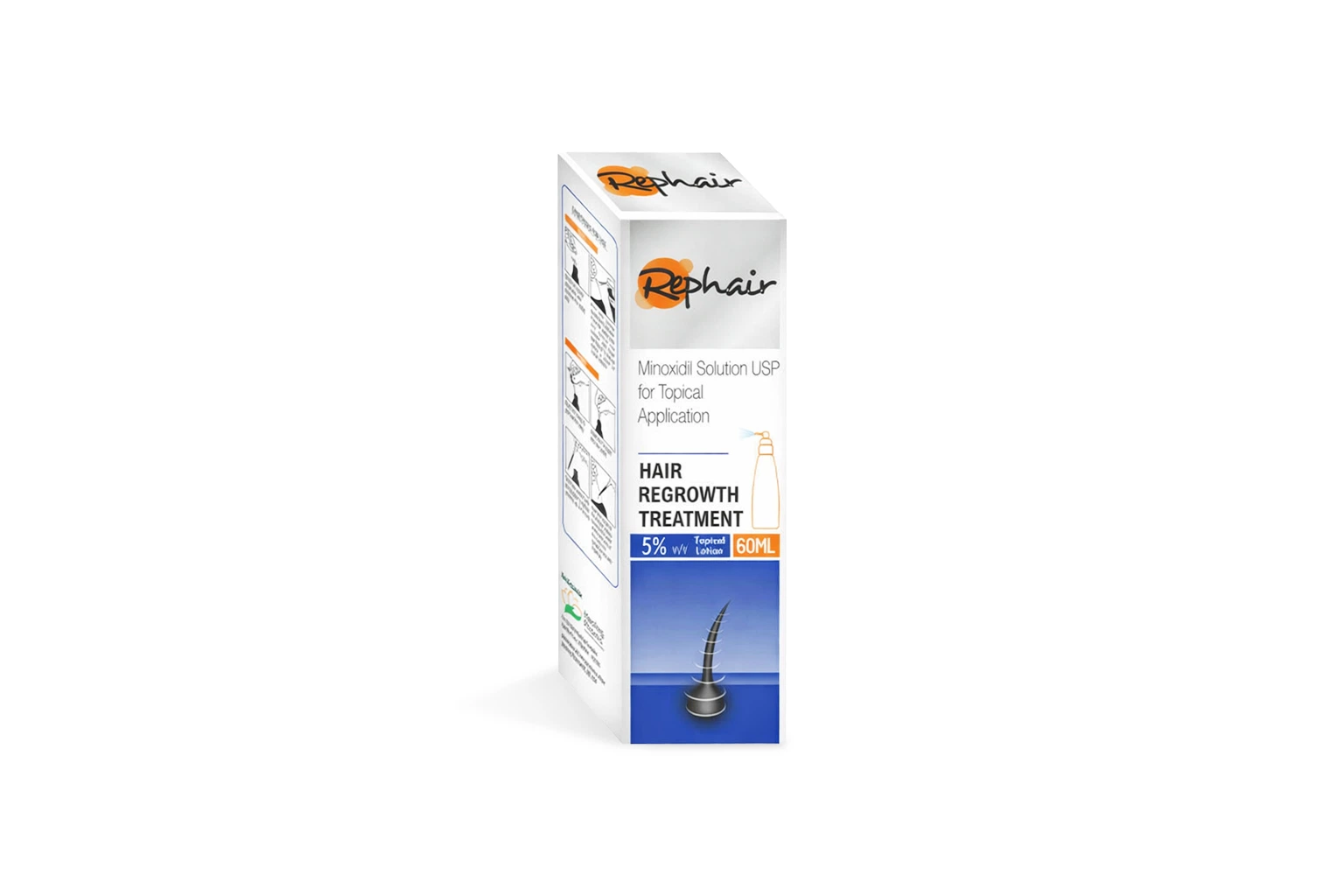
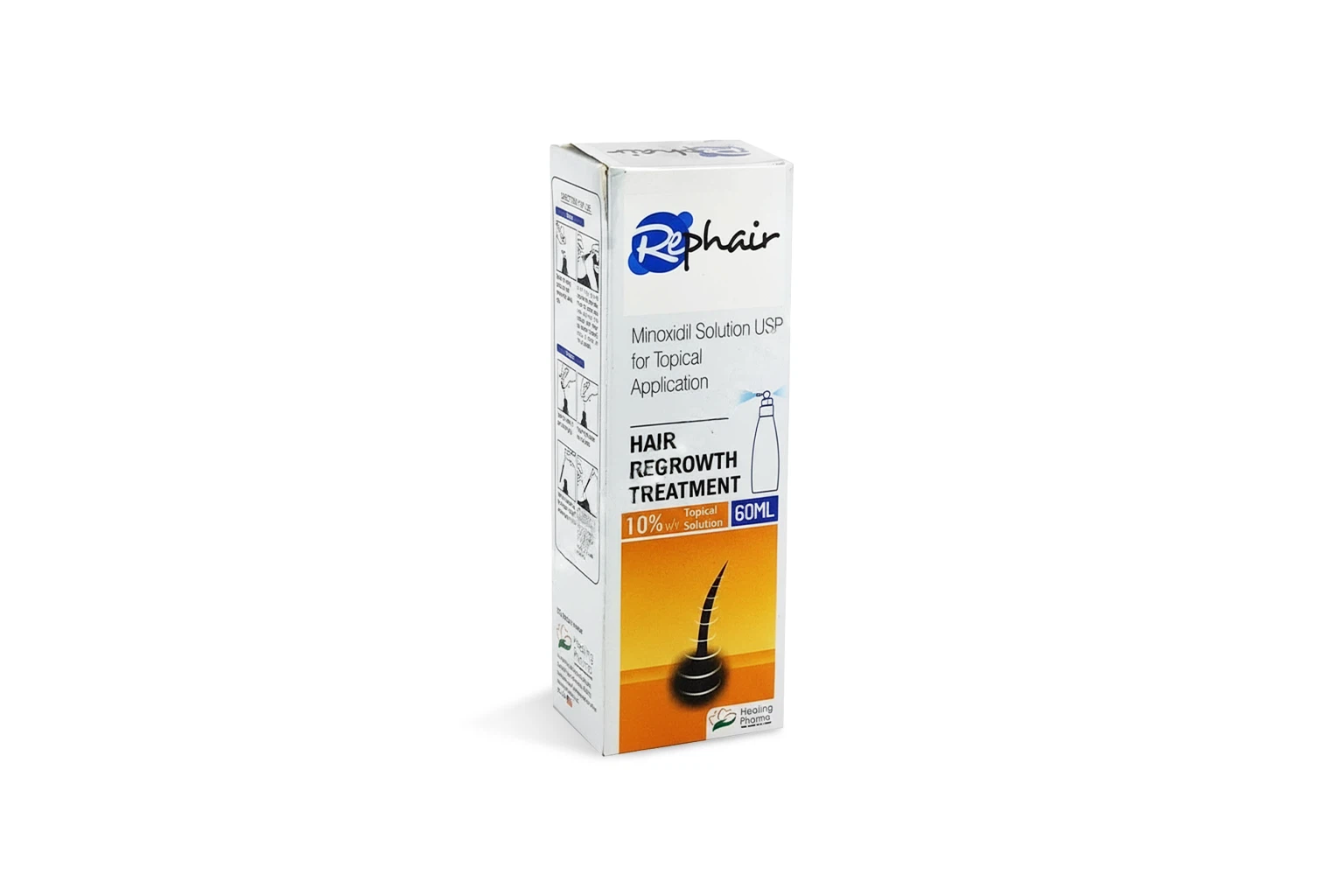
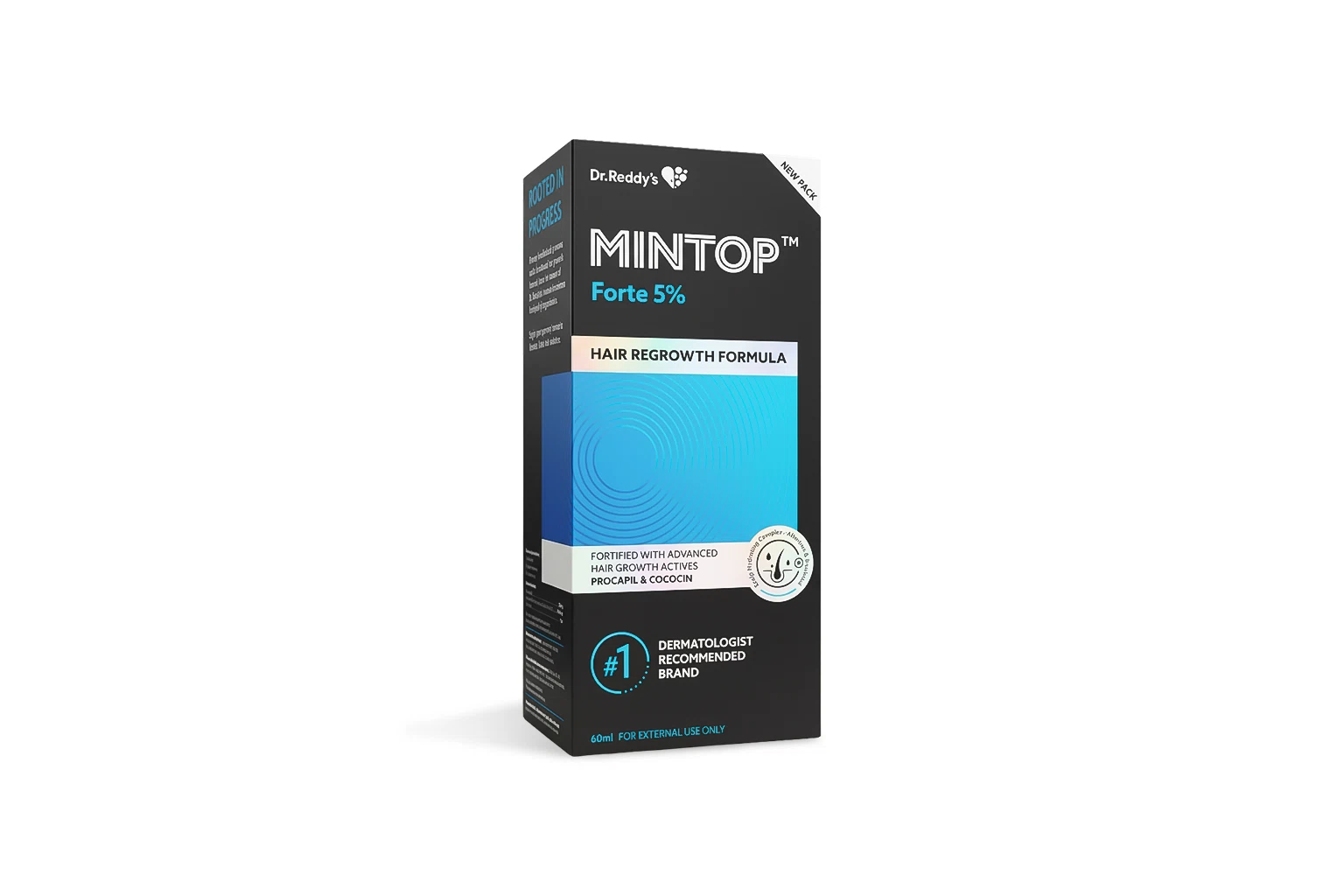
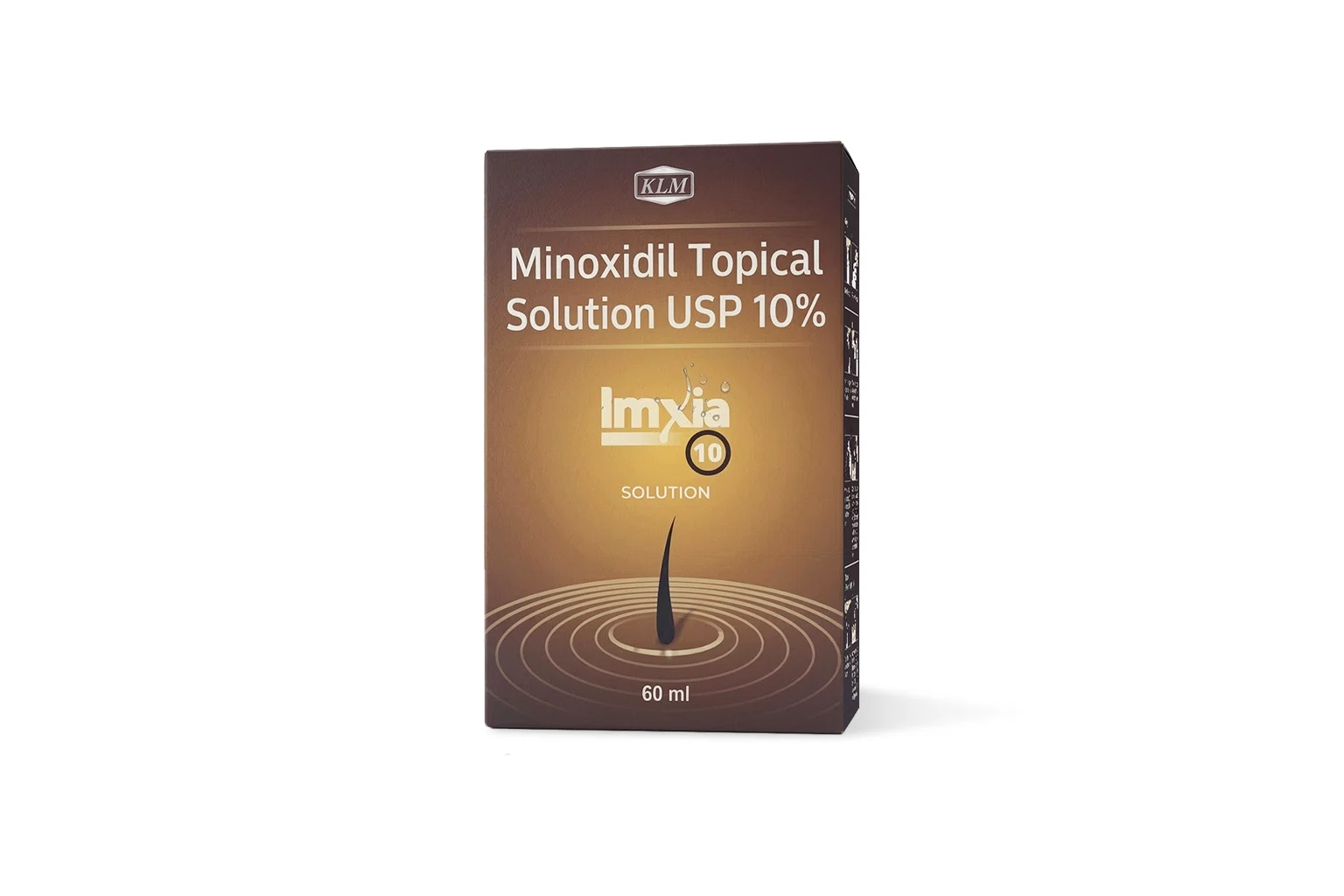
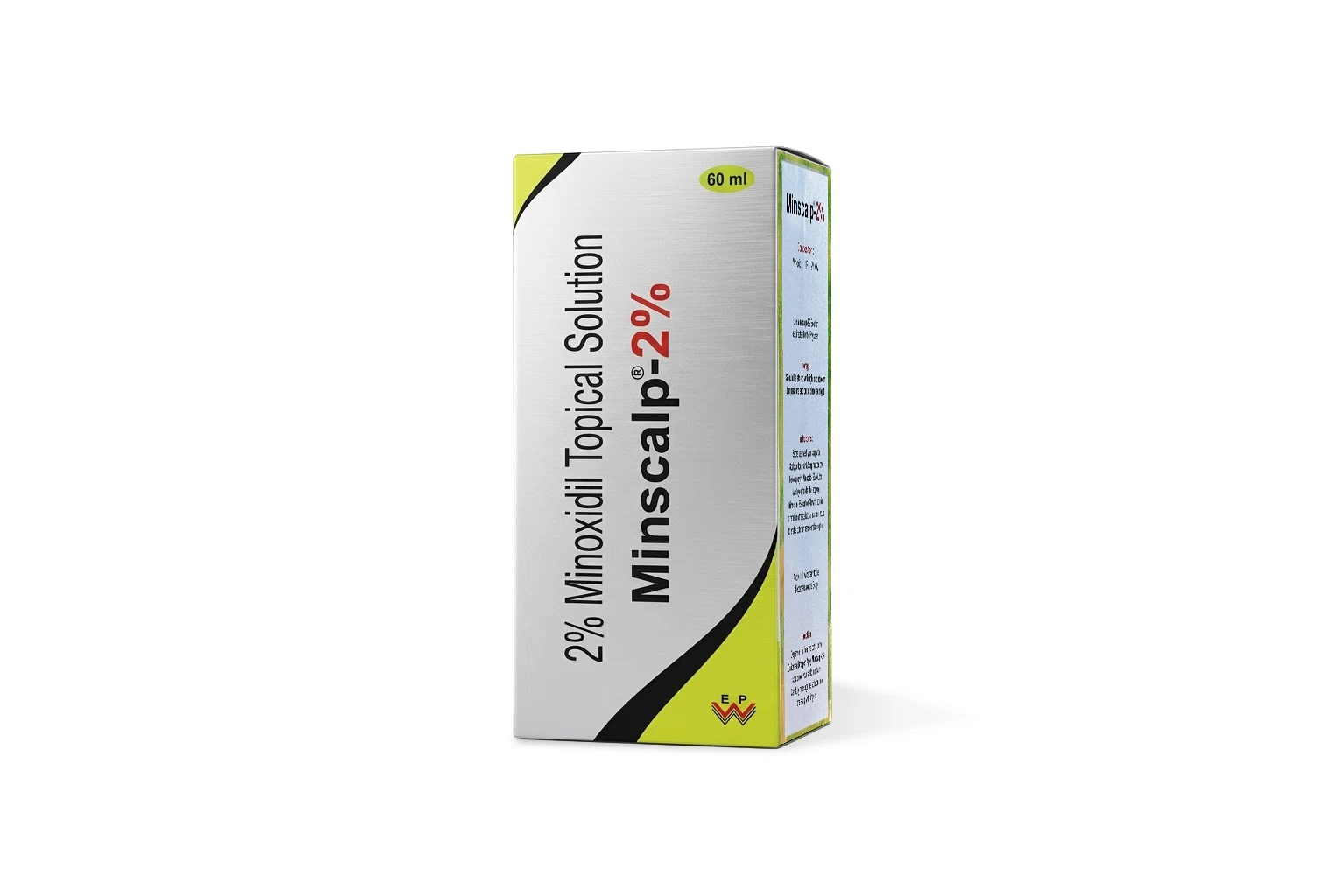
Dutasteride is available in various generic brands, each with the same active ingredient:
These brands combine dutasteride with tamsulosin, which is an ingredient added for prostate-related urinary symptoms rather than specifically hair loss.
All these brands have the same 0.5 mg dose of dutasteride and all act equally in blocking DHT production. The difference between them is manufacturer, formulation (tablet vs. capsule), and price, not effectiveness.
It’s also important to note that the off-label hair loss dose sometimes differs from the usual BPH dose, and a healthcare provider can help you determine what formulation and dosing schedule is right for your particular situation
Myth-Busting: Does Wearing a Durag Cause Hair Loss?
The common question regarding hair loss is, “Does wearing a durag cause hair loss?” The short answer is no. A properly worn durag does not, in and of itself, cause hair loss. The confusion usually stems from “durag alopecia,” which is not caused by the material itself but from wearing it too tightly or too frequently in a way that causes constant tension on the hairline, a condition more accurately referred to as traction alopecia. A durag is not a hair-loss risk because it is worn loosely and removed regularly to allow the scalp to breathe. Traction-induced thinning is a mechanical problem caused by tension and is a completely different process than the hormonal DHT-driven process that dutasteride addresses.
The Bottom Line
Dutasteride is one of the more important drugs that are for men who are suffering from hormonal hair thinning, largely because it has a wider DHT-blocking action than older treatments. It’s not an overnight solution, nor is it right for everyone. But regular use under medical supervision via brands can have a meaningful impact on slowing shedding and supporting visible regrowth over time for many men.