
Folate is among those nutrients that quietly fuel a host of critical processes in your body without being widely touted until a problem arises. Low folate can affect all sorts of things from energy production to the development of red blood cells to healthy outcomes for pregnancy. Folic acid is a manmade (synthetic) form of folate. The human body can’t store large amounts of natural folate. But the human body can easily absorb folic acid. As a result, you should add folic acid-rich foods to your meals. Grains such as rice, bread, pasta, and some cereals are enriched (fortified) with folic acid.
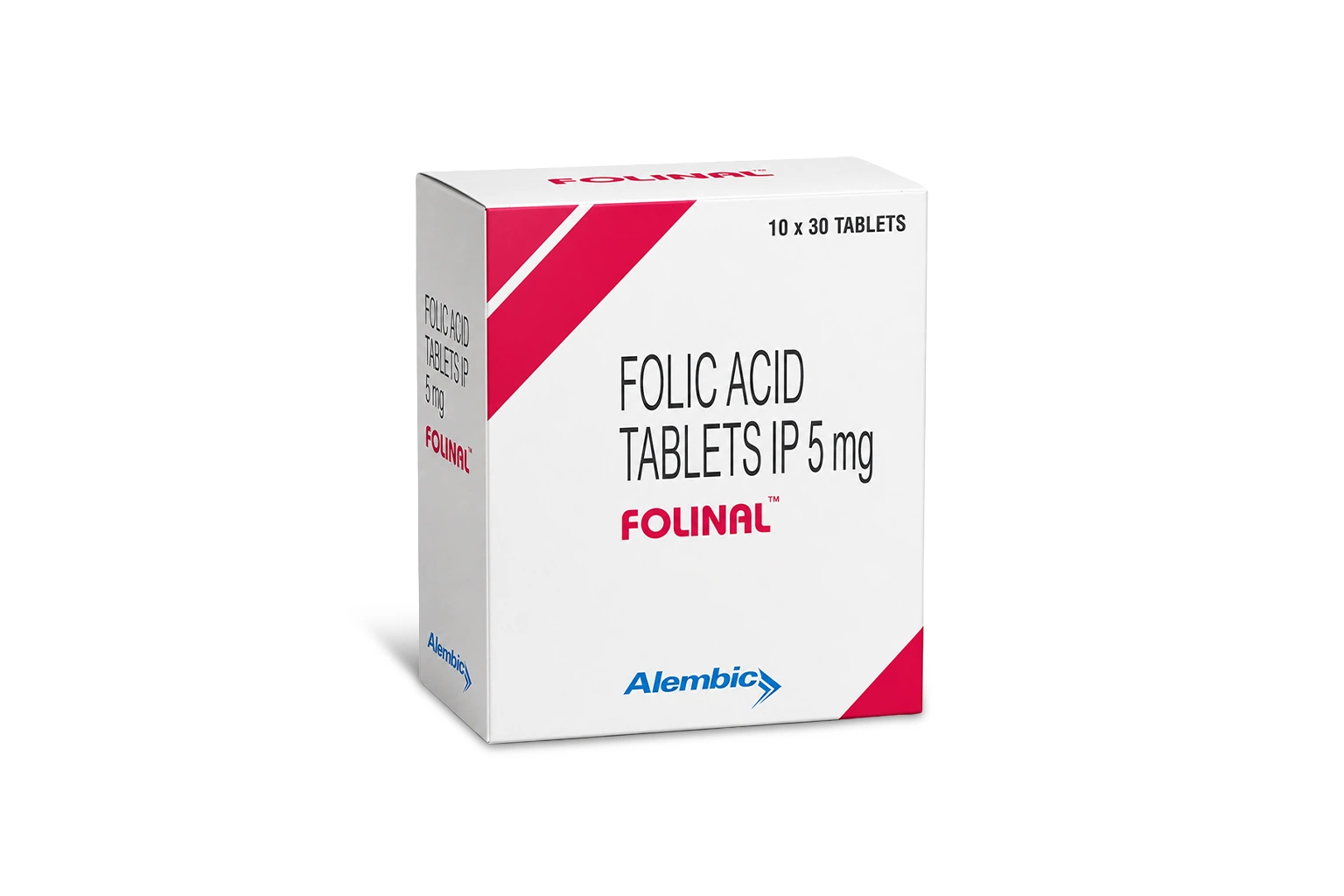
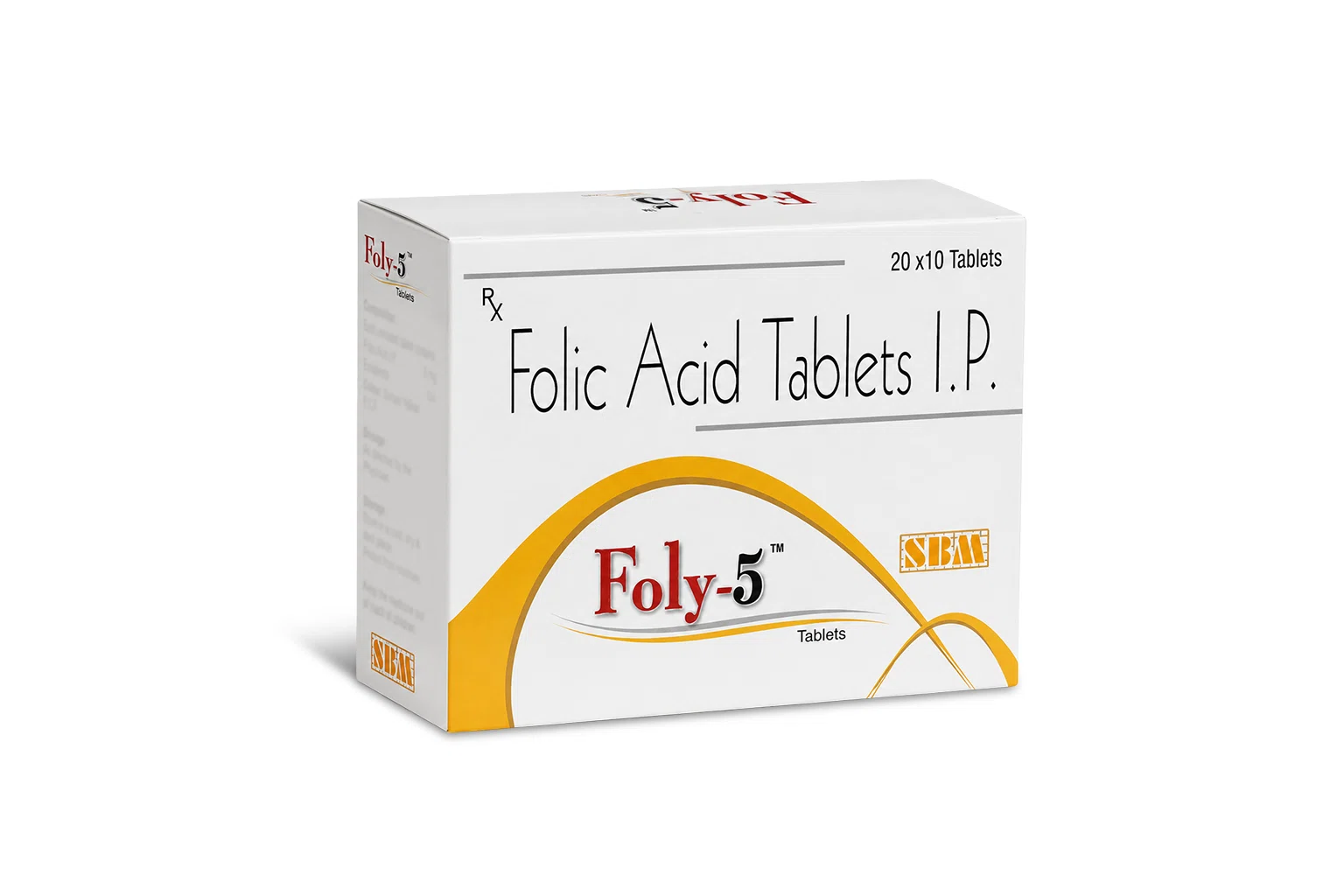
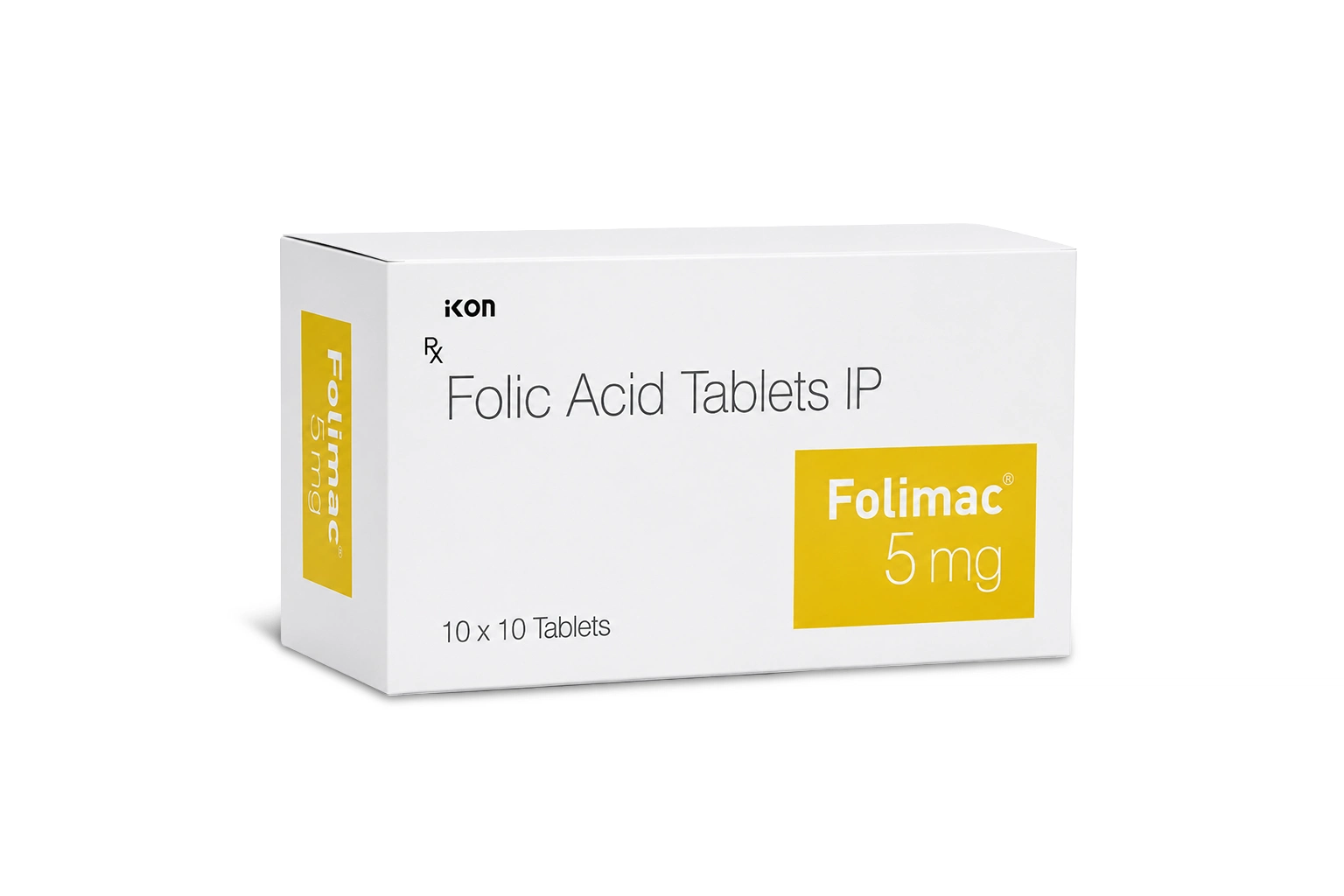
This blog explains the signs of folate deficiency, what the latest medical research indicates about its prevalence, the warning signs, and the ways in which folic acid supplementation, such as Folinal 5 mg, Folimac 5 mg tablet Foly 5 mg tablets, can help restore healthy levels.
Best Seller

Folinal 5mg tablet
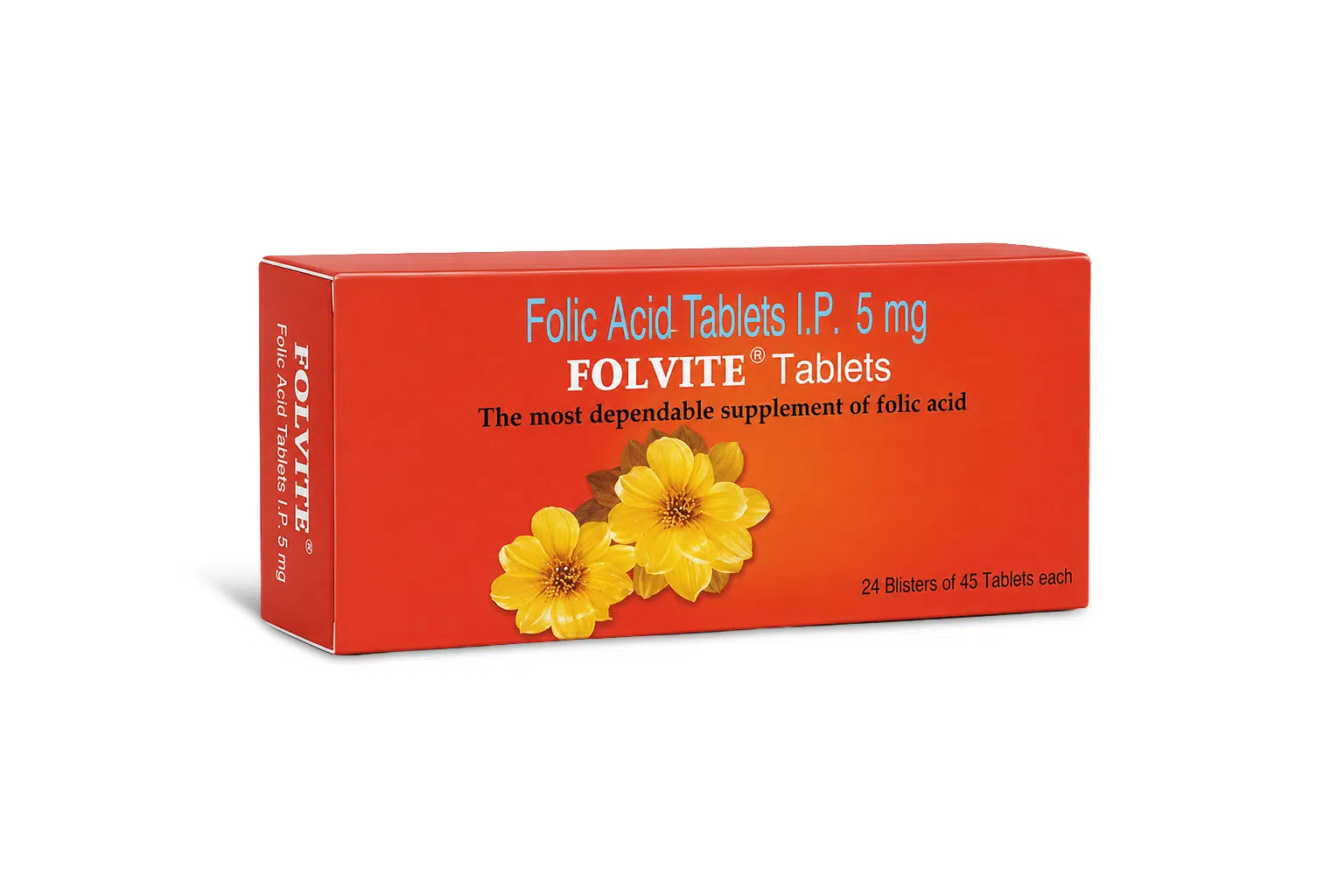
Folic acid$19.77 – $42.00Price range: $19.77 through $42.00Rated 5.00 out of 5Shop Now This product has multiple variants. The options may be chosen on the product pageFolvite 5 Mg
Womens Health$5.48 – $20.04Price range: $5.48 through $20.04Rated 4.00 out of 5Shop Now This product has multiple variants. The options may be chosen on the product pageFoly 5 Mg Tablet
Folic acid$16.15 – $42.00Price range: $16.15 through $42.00Rated 5.00 out of 5Shop Now This product has multiple variants. The options may be chosen on the product pageFolimac 5 Mg Tablet
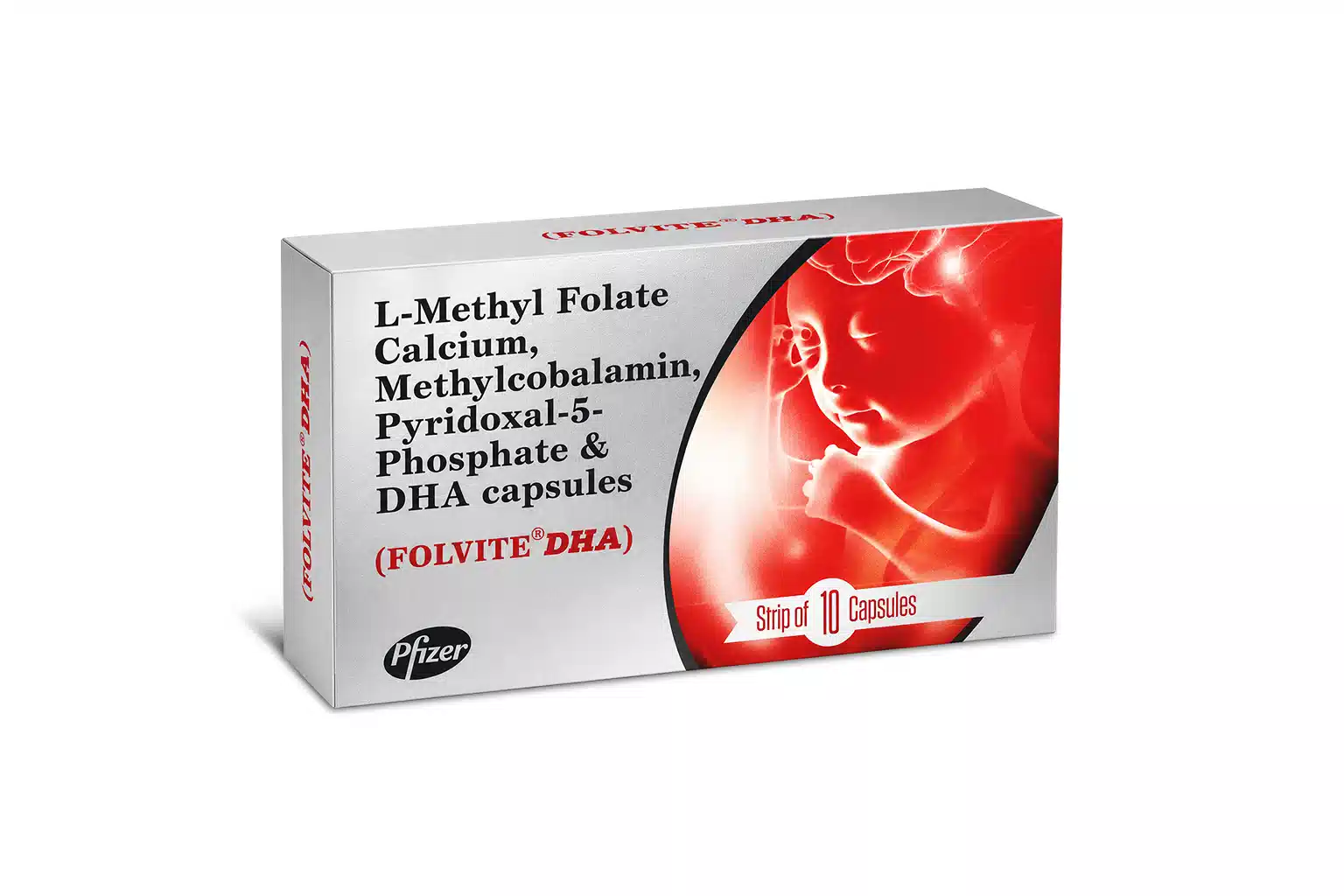
Folic acid$26.00 – $68.00Price range: $26.00 through $68.00Rated 4.00 out of 5Shop Now This product has multiple variants. The options may be chosen on the product pageFolvite DHA Soft Gelatin Capsule
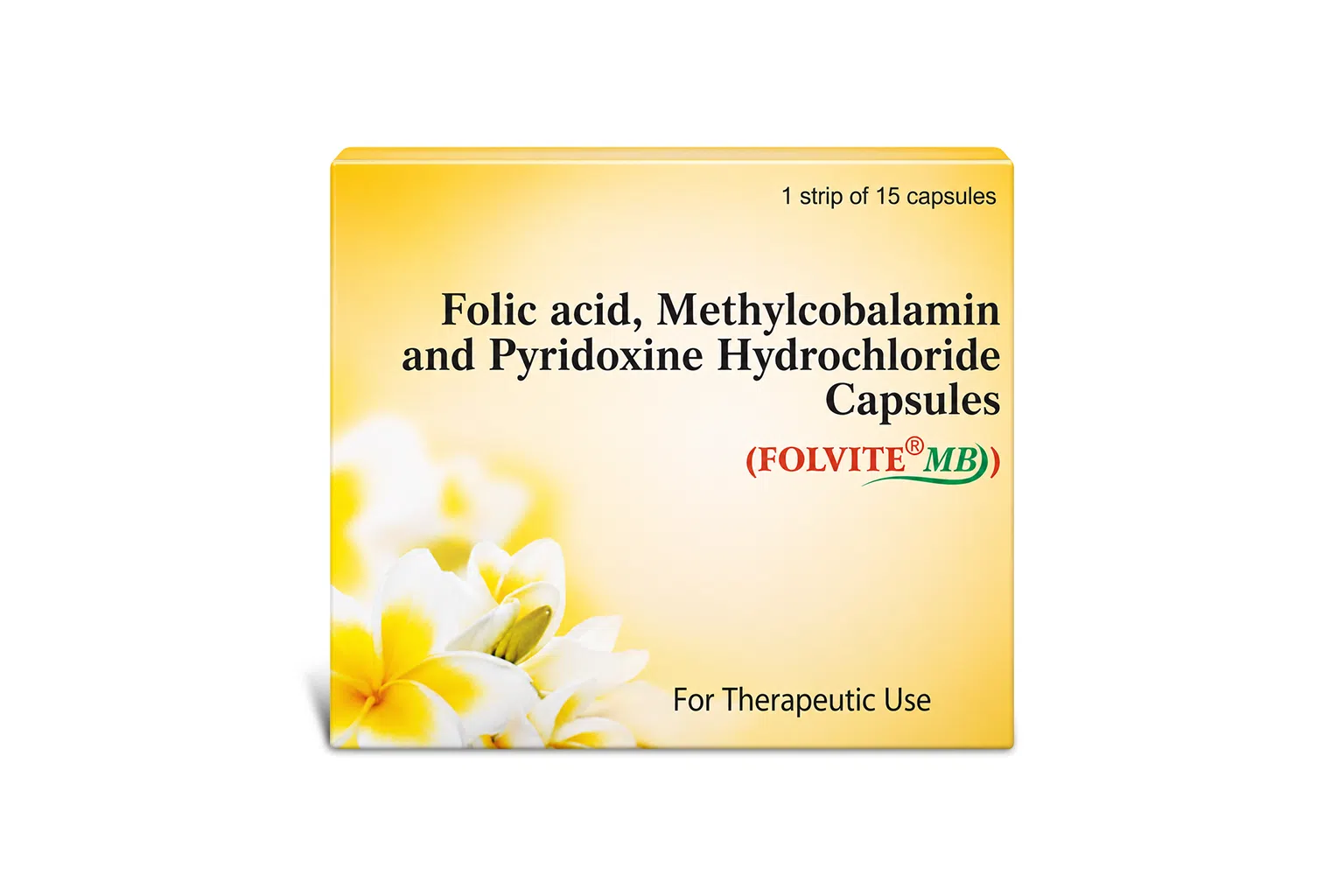
Folic acid$29.00 – $86.00Price range: $29.00 through $86.00Rated 4.00 out of 5Shop Now This product has multiple variants. The options may be chosen on the product pageFolvite MB Capsule
Folic acid$29.00 – $85.00Price range: $29.00 through $85.00Rated 5.00 out of 5Shop Now This product has multiple variants. The options may be chosen on the product page
What Is Folate and Why Does It Matter?
Vitamin B9 (folate) is a water-soluble vitamin that plays an important role in DNA synthesis, cell division, and the production of red blood cells. Daily folic acid intake is more stable and easier for the body to absorb, so it’s widely found in supplements and fortified foods.
Folate for healthy body is more than a nutrient. This helps directly with:
- Educating healthy red blood cells
- To support brain function and neurotransmitter synthesis
- Supporting and maintaining fetal development in utero
- Controlling homocysteine to impact cardiovascular health
- Helping to heal and repair the entire cell
The body can only store small amounts of folate, and it is important to consume folate regularly in the diet or supplements to keep levels optimal.
How Common Is Folate Deficiency? What the Research Shows
A thorough review on the NCBI’s StatPearls resource revealed that in many low-income countries, women of reproductive age are found to have vitamin B9 deficiency rates greater than 20%, and in the entire world, more than 40% are thought to suffer from folate insufficiency, defined as having levels that are insufficient to prevent neural tube defects. In contrast, the prevalence in high-income countries with established dietary fortification programs is generally low, e.g., < 5%, highlighting the power of dietary fortification programs to shift outcomes.
Fortification practices are not 100% implemented even in countries that are fortifying. In a 2025 study in the UK of more than 47,000 women, the researchers determined 72.7% of women of reproductive age, and 85.5% of young adult women (21-25 years of age) had serum folate levels below the amount believed to be protective against neural tube defects. The study concluded that young women are especially at risk of low folate status.
Mandatory fortification has led to great improvement in folate status at the population level in the United States. Prevalence of folate insufficiency in women of reproductive age has declined from 59% before fortification to 15% within a few years after, followed by a gradual increase to approximately 23% over the next few years. A more recent analysis of NHANES data has shown that folate insufficiency in women actually declined from 23.2% in 2007-2010 to 18.6% in 2011-2016. RBC folate levels were significantly lower (around 10-20%) among young age groups and older age groups (above 60 years).
The numbers indicate one thing: folate deficiency is not a thing of the past. It is still an important public health problem for women of reproductive age and for groups with limited access to fortified foods.
Low Folate Symptoms That You Shouldn’t Ignore
Early diagnosis of folate deficiency can help avoid the more serious complications later. Some common low-folate symptoms are the following:
- Fatigue and weakness that lasts for a long time.
- Pale skin
- Shortness of breath
- Mood and irritability
- Need to concentrate harder or have “brain fog.”
- Headaches
- Painful, swollen tongue
- Mouth ulcers
- Rapid heartbeat
Folate deficiency can have a direct effect on producing red blood cells, and one of the most common signs of folate deficiency is megaloblastic anemia. This is characterized by an abnormally large red blood cell that is unable to function properly and therefore can’t deliver oxygen to the body.
Over time, chronic B9 deficiency (low folate health effects) may lead to high homocysteine levels, which have been shown to increase cardiovascular disease risk, and may have a negative effect on cognitive and neurological function over time.
Who’s Most at Risk?
Low folate is seen by anyone, but some are likely to be at a much greater risk:
- Women of childbearing age, especially those who are pregnant, because they have higher folate requirements for pregnancy.
- Women in the age of fertility, as demonstrated by the research above.
- Individuals with malabsorption diseases, like celiac disease, Crohn’s disease, and many others.
- People who have low dietary diversity, particularly those with low consumption of fortified grains, legumes, and leafy greens.
- Elderly people because of their diminished efficiency of absorption.
- Individuals using some drugs that affect folate metabolism.
- People who drink too much alcohol (alcohol interferes with the absorption and storage of folate).
The Benefits of Folic Acid Supplementation
Folic acid during pregnancy is one of the most consistent recommendations for prenatal care. Folate from a well-balanced diet before and during early pregnancy can help prevent neural tube defects in babies. That’s why there is a strong impression on women to take supplements for those who are either pregnant or thinking about getting pregnant.
The importance of folic acid is to prevent and correct megaloblastic anemia as well as to replenish energy levels and reduce fatigue.
Elevated folate levels may have a beneficial effect on long-term heart health by helping to regulate homocysteine levels.
Further, studies are ongoing to understand how vitamin B9 benefits the health of the brain, especially in reducing risks for cognitive decline.
Folic Acid Supplements: Folimac 5 Mg Tablet and Foly 5 Mg Tablet
Folimac 5 mg tablet and Foly 5 mg tablet may be taken at high dosage and are designed to help the body utilize folate, which is necessary to produce red blood cells, repair cells, and maintain general good health. These should only be taken under medical supervision, as requirements for folic acid are age-dependent, health condition-dependent, and individual risk factor-dependent, as with any other supplement. A healthcare professional can help to prescribe the right dosage and duration, depending on lab results and health history.
Final Thoughts
There is extensive medical evidence linking low folate to overall health. The benefits of folates go beyond just their nutrient content (from fatigue and anemia to pregnancy complications and cardiovascular risk). Folate deficiency can be prevented and treated. By becoming more aware of their diets, most people can re-establish a healthy level of folate and maintain long-term health and well-being by taking supplements as directed by a healthcare professional, such as a Folimac 5 mg tablet or Foly 5 mg tablet when indicated by a healthcare professional.4
Don’t wait until symptoms are severe before getting treatment if symptoms are present or you are in a higher risk group due to low folate. Just talking to your doctor and getting a simple blood test can help you clear up the situation and help you get healthier
FAQ's
1. What are the key symptoms of folate deficiency?
Symptoms of low folate are persistent fatigue, pale skin, shortness of breath, irritability, trouble concentrating, headaches, and a sore or swollen tongue. In the more severe cases, it may cause megaloblastic anemia.
2. In what ways is folate deficiency widespread around the world?
Prevalence shows a regional variation . Studies suggest that in most LMICs, greater than 20% of women of reproductive age are deficient in vitamin D, and more than 40% are vitamin D deficient or insufficient globally . Prevalence tends to be low in high-income countries with fortification programs (typically less than 5%), but some groups may be at increased risk (especially young women).
3. Why is folic acid an essential nutrient for pregnancy?
So, folic acid for pregnancy should be used as it greatly lowers the chances of neural tube defects in the growing baby. Most health practitioners advise supplementation prior to conception and during early pregnancy.
4. What is the recommended daily dose of folic acid?
The whole tablet should be swallowed down with a glass of water by an individual. It will depend on patients’ age, medical history, and current health condition.
5. Are you getting enough folate in your diet?
You should eat vegetables, citrus fruits, and grains daily. If you have vitamin and mineral deficiencies, then you should take supplements after consulting with your doctor.

Dr. Delisha Cole is a sexual health and wellness writer with over 10 years of experience researching erectile dysfunction, performance anxiety, premature ejaculation, and modern ED treatments. She focuses on breaking down complex medical topics into practical, easy-to-understand advice that helps readers make informed decisions about their intimate health, confidence, and relationships. Her content covers ED medications, lifestyle factors, treatment safety, and real-world wellness guidance in a simple, reader-friendly way.