
Whenever we get pests of any kind, we want to do our best to get rid of them completely. Say you got termites in the house. You wouldn’t just want a temporary solution to get rid of them. You’d want something that gets into the walls, penetrates their hiding place, and gets them from the inside. That is kind of how metronidazole works. Metronidazole doesn’t affect every other bacterium but specifically goes for microorganisms that live in environments with less oxygen. It enters their cells and basically damages their genetic material so that they cannot survive.
Metronidazole is a trusted antibiotic that’s recommended to treat dental infections, bacterial vaginosis, skin infections, and other conditions. It is one of the most trusted antibiotics in the market and can also be the first line of defense for so many conditions.
When you get handed a strip of Metrogyl ER 600 mg or Aristogyl 400 mg or any other metronidazole medication, you might wonder how metronidazole works, and that’s what we’re here to talk about. We’ll get into the metronidazole mechanism and how metronidazole kills bacteria.
Best Seller

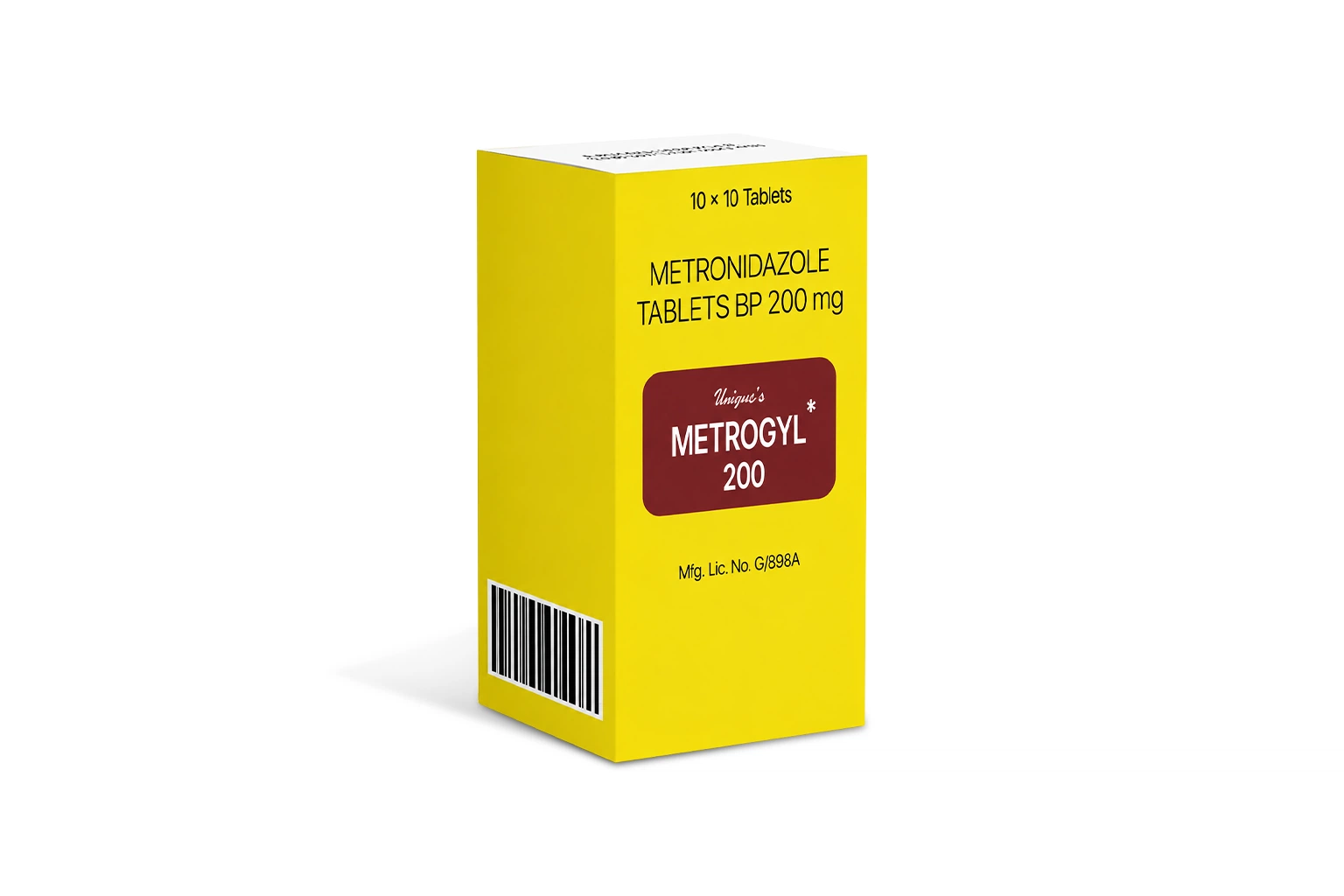
Metrogyl 200 Mg Tablet
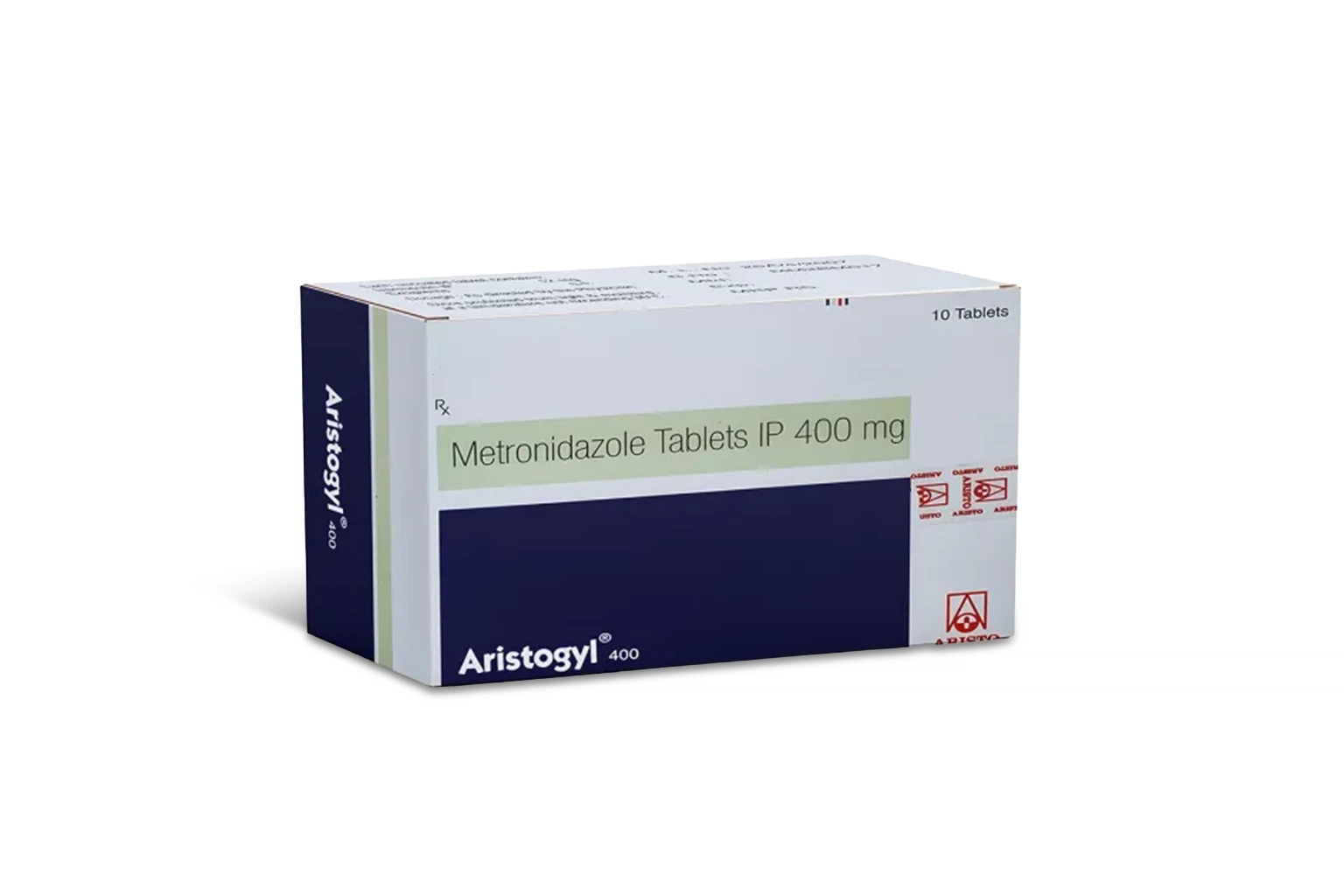
Metronidazole$15.00 – $45.00Price range: $15.00 through $45.00Rated 4.00 out of 5Shop Now This product has multiple variants. The options may be chosen on the product pageAristogyl 400 Mg Tablet
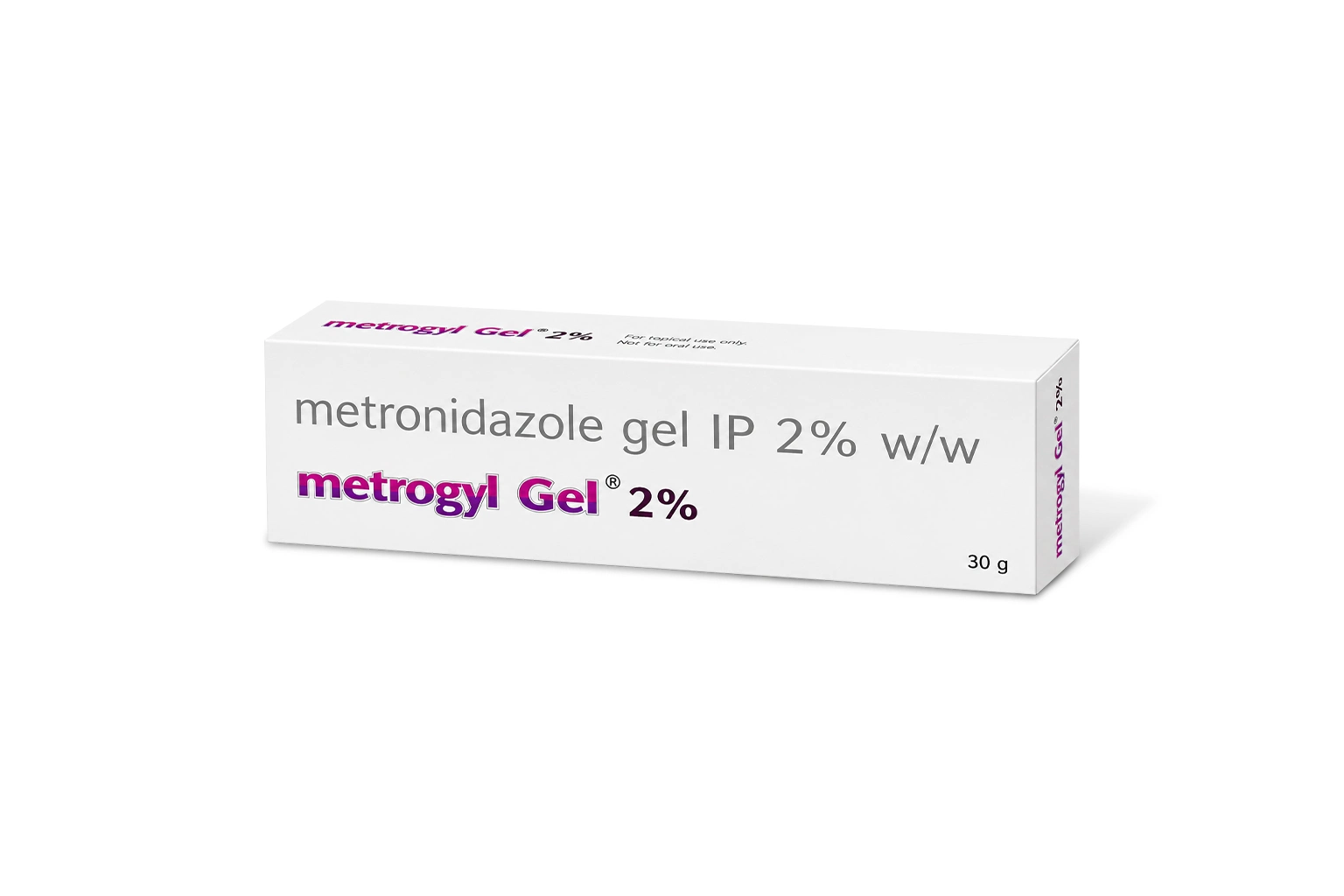
Metronidazole$18.00 – $36.00Price range: $18.00 through $36.00Rated 5.00 out of 5Shop Now This product has multiple variants. The options may be chosen on the product pageMetrogyl Gel 30 Gm
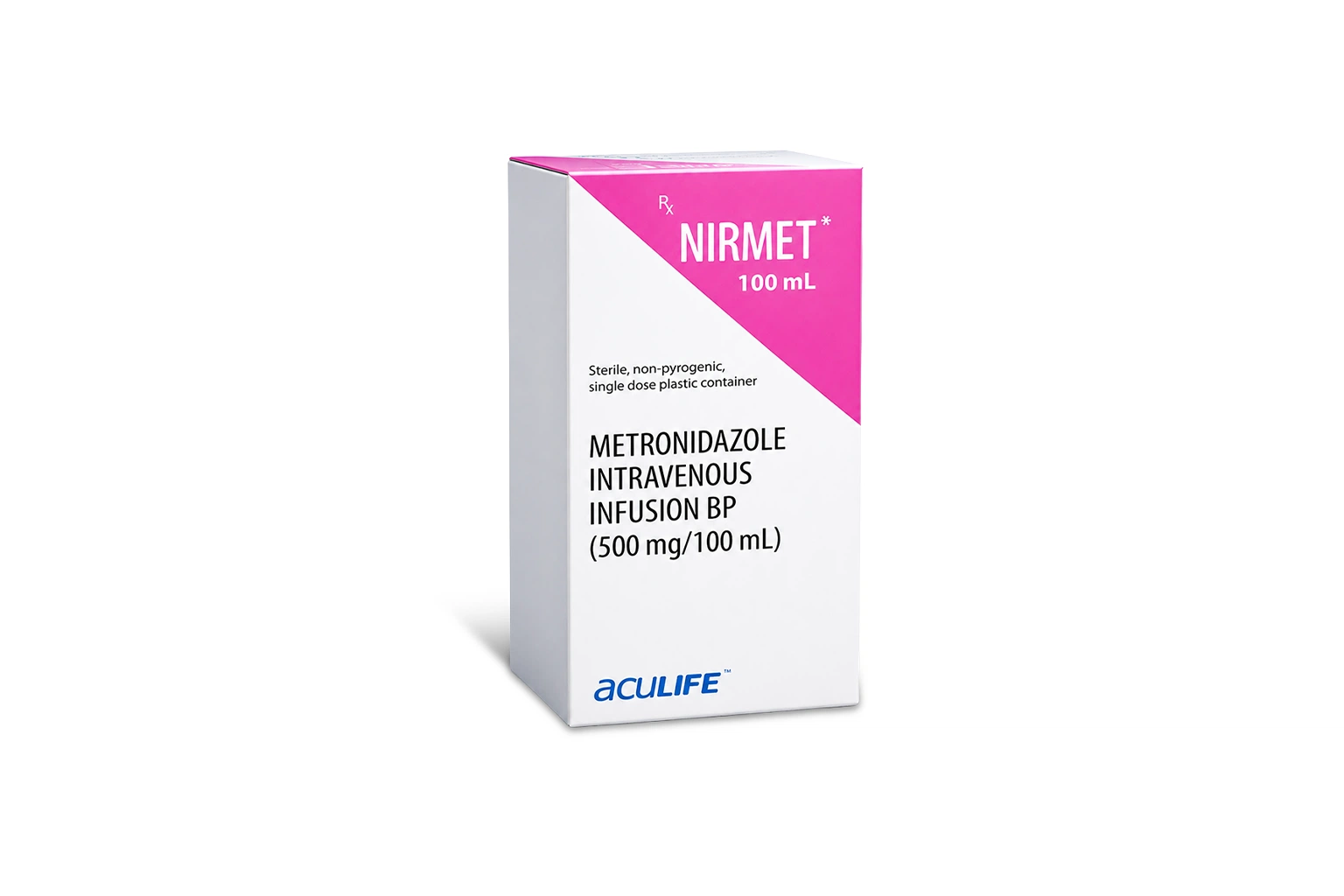
Womens Health$15.48 – $45.00Price range: $15.48 through $45.00Rated 4.00 out of 5Shop Now This product has multiple variants. The options may be chosen on the product pageNirmet 500 Mg Infusion 100 ml
Womens Health$9.90 – $14.85Price range: $9.90 through $14.85Rated 4.00 out of 5Shop Now This product has multiple variants. The options may be chosen on the product pageMetrogyl ER 600 Mg Tablet
Metronidazole$38.00 – $90.00Price range: $38.00 through $90.00Rated 5.00 out of 5Shop Now This product has multiple variants. The options may be chosen on the product pageMetrogyl Suspension 60 ml
Womens Health$18.27 – $28.50Price range: $18.27 through $28.50Rated 4.00 out of 5Shop Now This product has multiple variants. The options may be chosen on the product pageFlagyl 200 Mg Suspension
Metronidazole$21.50 – $62.50Price range: $21.50 through $62.50Rated 4.50 out of 5Shop Now This product has multiple variants. The options may be chosen on the product pageMetrogyl 400 Mg Tablet
Womens Health$30.00 – $90.00Price range: $30.00 through $90.00Rated 4.00 out of 5Shop Now This product has multiple variants. The options may be chosen on the product page
How does Metronidazole work?
So, metronidazole belongs to a group of drugs called nitroimidazoles. These nitroimidazoles are a group of antibiotics and antiprotozoals. Metronidazole and its drug class are unique in a way since these antibiotics only become active after entering the specific microorganism’s body.
These microorganisms are ones that typically live in environments with less oxygen. These microorganisms are called anaerobic bacteria. Metronidazole doesn’t necessarily target bacteria indiscriminately, they mainly target these anaerobic bacteria.
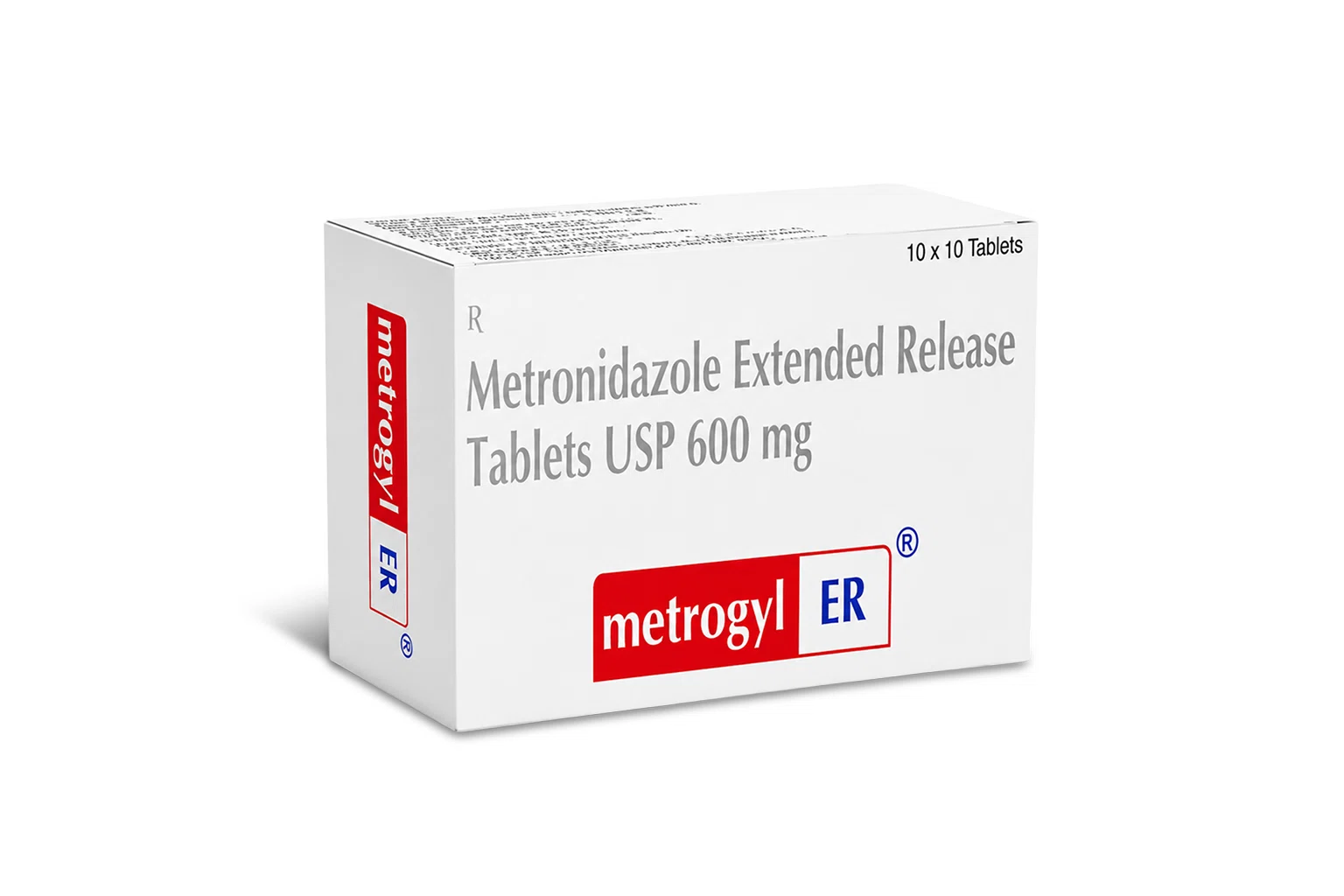
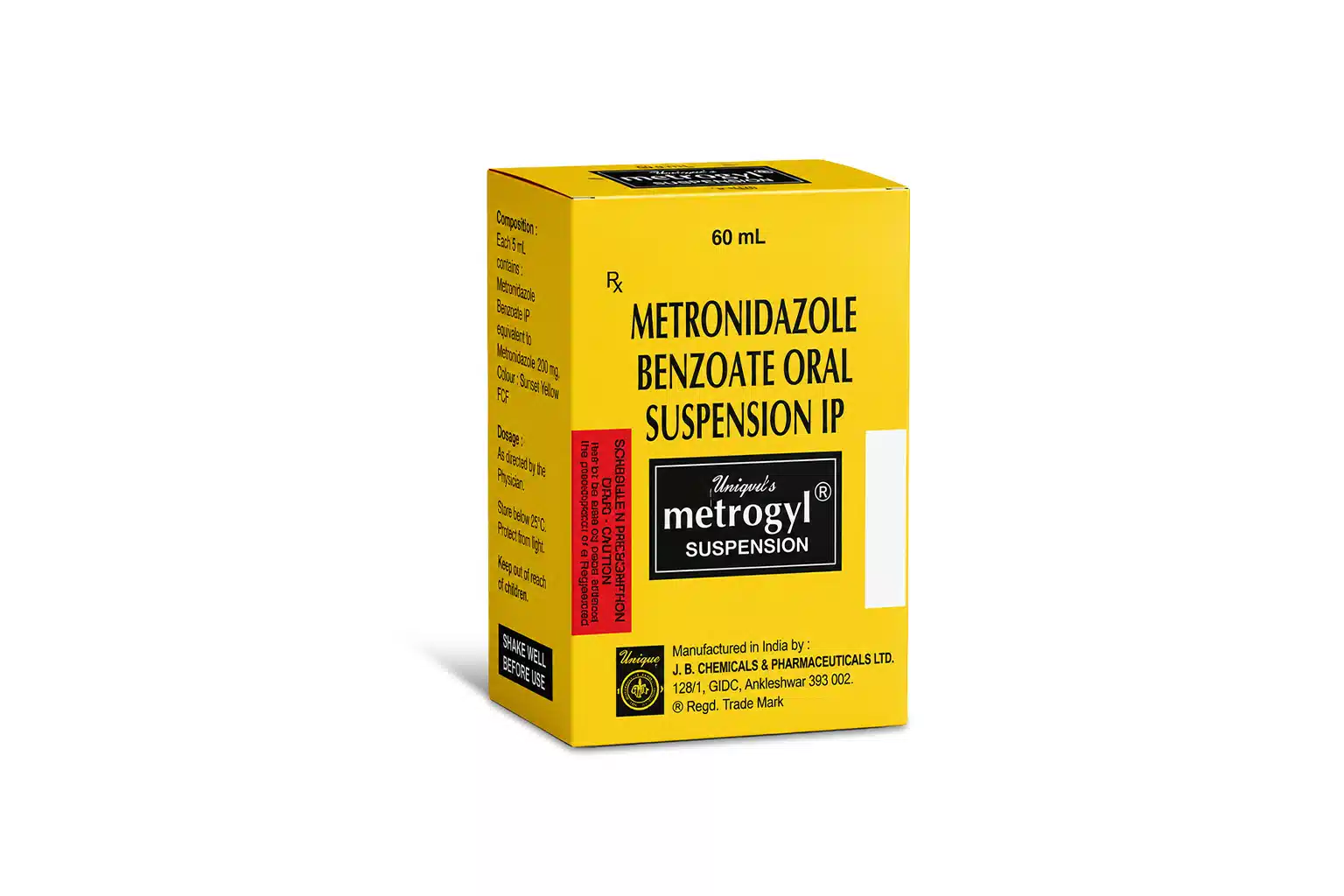
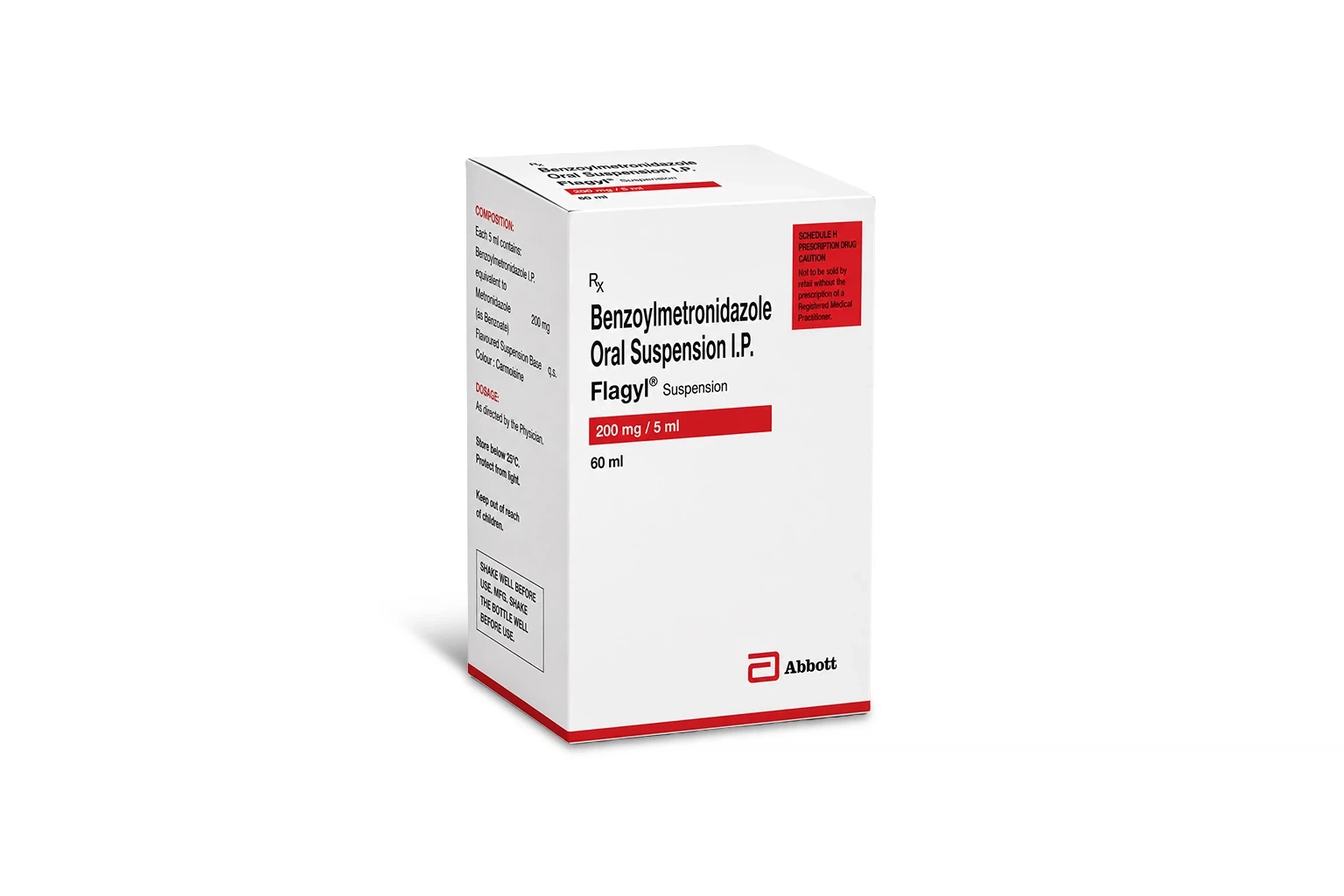
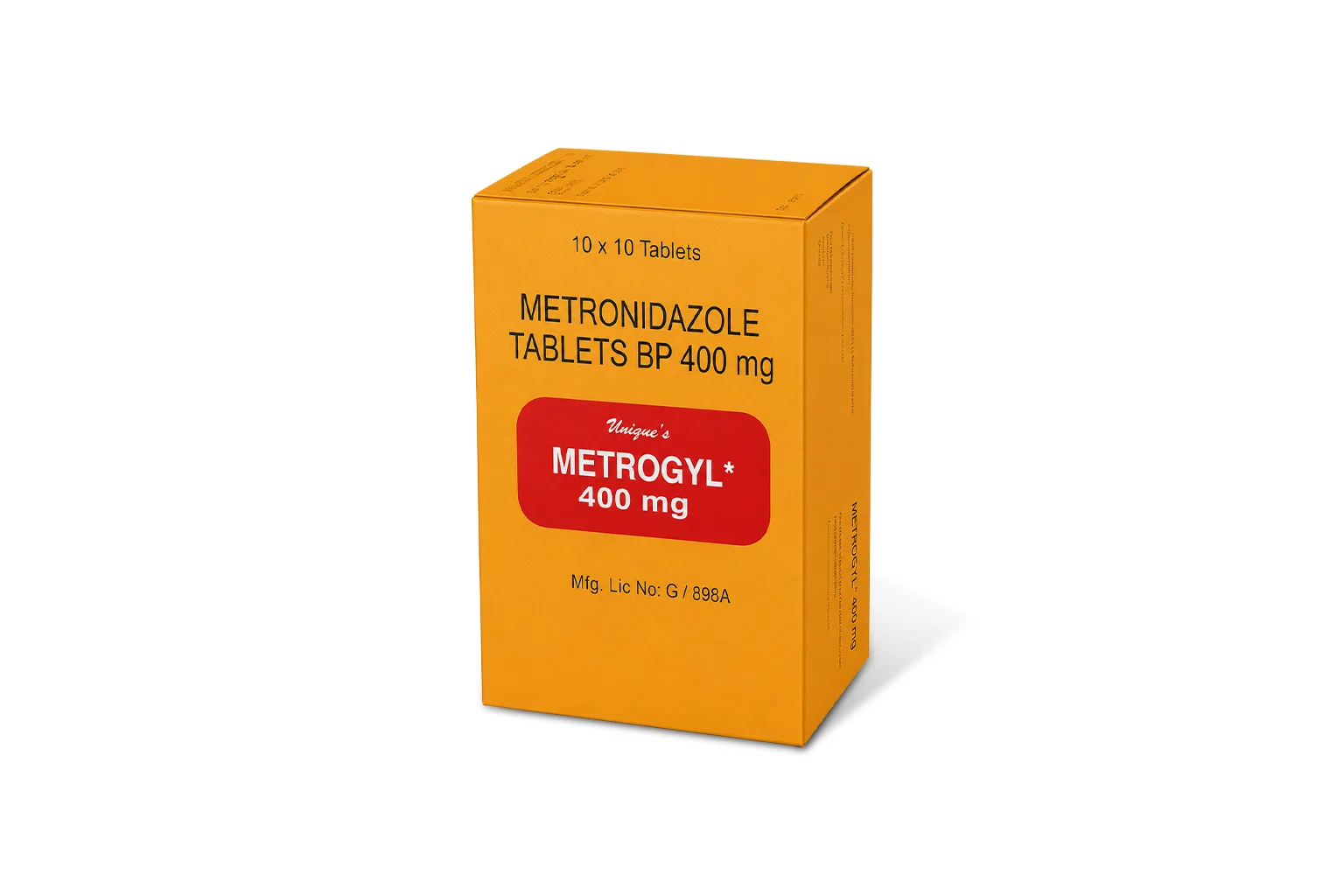
Metronidazole medications come in different formulations. Some popular meds would be Metrogyl ER 600 mg tablets, Aristogyl 400 mg tablets, Metrogyl 400 mg tablets, and Flagyl 200 mg suspension.
Anaerobic bacteria
Anaerobic bacteria treatment is basically the whole point of this drug. These are bacteria that live without oxygen or barely tolerate it. Things like Bacteroides fragilis, Clostridium species, some of the nasty stuff behind abdominal infections, certain gum infections, and bacterial vaginosis too.
These bacteria have a particular electron transport setup, with proteins like ferredoxin, that aerobic bacteria (and human cells) just don’t have, or don’t use the same way.
When metronidazole enters one of these anaerobic bacteria, the ferredoxin-type proteins grab electrons and dump them onto the drug’s nitro group. That reduction reaction is what activates the whole thing. Suddenly the calm, inactive molecule turns into a short-lived, reactive, electron-hungry compound. The reduction reaction breaks down metronidazole, creating a concentration gradient that lets large amounts of the drug pull further inside the bacterial cell.
Human cells don’t have this reductive pathway running the same way (we’re aerobic, mostly), so the drug just stays inactive in us. It passes through and gets metabolized normally, no DNA-shredding nightmare is happening in our liver cells. That’s the selectivity, and honestly that’s the cleanest way to summarize how metronidazole works if someone only has ten seconds. That’s basically the whole safety profile.
How does metronidazole work inside the body?
Once activated, that reactive intermediate goes after DNA. Not proteins first, not the cell wall, but DNA directly. This is the metronidazole DNA damage stage, and it’s pretty brutal once it starts.
It diffuses into the organism, interferes with protein synthesis by interacting with DNA, and causes loss of helical DNA structure along with strand breakage. The double helix basically unwinds wrong, strands snap, and the bacteria can’t replicate or repair fast enough. That loss of structural integrity leads to cell death in the organisms that are susceptible to it.
This is also why metronidazole mechanism discussions always emphasize it’s bactericidal, not bacteriostatic. It’s not just slowing bacteria down so your immune system mops them up later, it’s actively killing them, which is really the short version of how metronidazole kills bacteria if you strip away the chemistry jargon. Some sources describe four steps to the whole process: drug entry, reductive activation, DNA damage, and then breakdown into inactive end-products that get cleared out. Four feels like a clean number for something this messy biologically, but that’s the general shape of how metronidazole works, start to finish.
How fast does metronidazole work?
Metronidazole onset of action is one of those things people expect a single neat answer for, and there isn’t one, really. It has rapid bactericidal effects against anaerobic bacteria, and the killing rate is proportional to how much drug concentration is present. More drugs, faster kills, a basic dose-response thing, but it matters clinically because that’s part of why dosing schedules look the way they do.
Some people feel symptom relief within a day or two of starting something like the Aristogyl 400 mg tablet. Others, especially with deeper infections, abdominal stuff, or anything where the bacteria are tucked away in tissue, take longer, several days, sometimes the full course, before things really calm down. The drug is killing the bacteria fast at a cellular level, sure, but your body still needs time to clear out dead bacterial debris, inflammation, swelling, and all that. So “fast acting” and “you’ll feel better tomorrow” aren’t the same claim. People mix those up constantly.
What does metronidazole treat?
Worth saying plainly, this drug is not a general antibiotic that works against everything. It’s pretty narrow, in a useful way.
Works against anaerobic bacterial infections (dental abscesses, certain gynecological infections, intra-abdominal infections, and some skin infections), plus several parasites that share that same anaerobic-style metabolism, Giardia, Trichomonas vaginalis, and Entamoeba histolytica. It’s also a key treatment option for Helicobacter pylori infection, one of the major causes of gastritis and stomach ulcers, usually combined with other drugs for that one.
Doesn’t work against: aerobic bacteria (the ones that need oxygen and don’t have that reductive activation pathway), viruses, and fungal infections. None of those have the cellular machinery to switch the drug on, so it just sits there inert and doesn’t do anything to them. People sometimes assume any antibiotic works on any infection, not how this one operates at all.
Also worth saying, doctors don’t usually pick this drug just because an infection sounds bad. They’re thinking about which bacteria are actually likely involved, oxygen environment and all, before reaching for something like a Metrogyl 400 mg tablet over some broader-spectrum option. That’s part of why self-diagnosing and self-medicating with leftover tablets is such a bad idea here specifically, wrong bacteria, wrong drug, nothing happens except side effects.
Resistance from metronidazole
Won’t go deep here, this isn’t a textbook, but it’s worth one mention. Metronidazole resistance does happen, though historically it’s been less common with anaerobes compared to a lot of other antibiotic classes. Mechanisms vary, sometimes bacteria reduce how much drug gets reduced/activated in the first place, sometimes there are efflux changes, and sometimes altered nitroreductase activity. It’s still considered a frontline option for anaerobic infections in most guidelines, but resistance patterns get monitored because, well, nothing stays bulletproof forever in microbiology.
Different metronidazole formulations
Different formulations exist mainly for dosing convenience and absorption timing, not because how metronidazole works at the cellular level changes from one brand to another.
Metrogyl ER 600 mg Tablet, for example, is an extended-release version. Same mechanism underneath, same nitro-group activation story, but it’s designed to release the drug more gradually so blood levels stay steadier and dosing frequency can drop. Convenient for longer courses.
Flagyl 200 mg suspension is the liquid form, which matters a lot for kids or anyone who can’t swallow tablets easily or for situations needing more flexible dose adjustment based on body weight. The mechanism’s identical. Once it’s absorbed, the form just changes how it gets into the body.
Metrogyl 400 mg Tablet and Aristogyl 400 mg Tablet are both standard-release versions at a common adult dose strength, used across a range of anaerobic and protozoal infections depending on what’s being treated.
None of this changes how metronidazole works at the cellular level. Same nitro group, same reduction step, same DNA strand breakage. Just different delivery wrapping around the same core chemistry.
Metronidazole and antinflammation
There’s actually research suggesting metronidazole has anti-inflammatory effects separate from the bacteria-killing action, something to do with inhibiting NF-κB signaling, which is part of why topical versions get used for rosacea, a condition that’s about inflammation rather than infection. Doesn’t fully fit into the “how metronidazole works to kill bacteria” framing, but it’s interesting that the molecule seems to be doing more than one job depending on where and how it’s used. Tangent, but worth knowing it’s not purely a one-trick antimicrobial.
Anyway, that’s roughly the shape of it. An inactive molecule gets pulled into anaerobic bacteria specifically and gets switched on by their own internal chemistry, turning into something that shreds bacterial DNA. Bacteria die, and the infection clears. Simple in outline, messier in the actual biochemistry, but that’s how metronidazole works in practice across most of the infections it’s prescribed for.
FAQ's
1. Does metronidazole work on viral infections?
No. Viruses don’t have the cellular machinery this drug needs to activate, so it does nothing against them.
2. Why does metronidazole only target anaerobic bacteria?
Because only anaerobic bacteria have the reductive proteins needed to activate the drug’s nitro group.
3. How long before metronidazole starts working?
Cellular killing starts fast, but symptom relief can take a day or several days depending on the infection.
4. Can bacteria become resistant to this drug?
Yes, though it’s less common with this drug compared to many other antibiotics.
5. Is the extended-release version stronger than regular tablets?
Not stronger, just released more slowly, so blood levels stay steady with fewer doses.

Dr. Delisha Cole is a sexual health and wellness writer with over 10 years of experience researching erectile dysfunction, performance anxiety, premature ejaculation, and modern ED treatments. She focuses on breaking down complex medical topics into practical, easy-to-understand advice that helps readers make informed decisions about their intimate health, confidence, and relationships. Her content covers ED medications, lifestyle factors, treatment safety, and real-world wellness guidance in a simple, reader-friendly way.