So, if you have been struggling with weight and want to lose a few pounds, the question that you should be asking isn’t “How do I speed up my metabolism?,” but more so “What is affecting my energy balance, appetite, and capability to maintain a healthy weight?”
What Does Metabolism Mean?
People throw around the term slow metabolism like it’s one single switch in the body. Flip it and you gain weight, flip it back and you don’t. That’s not really how it works, though. Metabolism is better thought of as a series of overlapping processes such as digestion, hormone activity, muscle mass, and even the degree to which someone fidgets during the day. All these things add up.
Metabolism is basically just how your body converts food into energy and uses that energy to keep everything going. Breathing, thinking, digesting, and repairing cells. It never stops even when you are asleep. Some people just burn through that energy faster than others, and some don’t. This collection of chemical processes helps keep your body alive and functioning. In usual conversations about weight and metabolism, metabolism is basically the body’s energy expenditure, i.e., the calories that the body ends up using throughout the day.
Your resting metabolism uses a lot of energy throughout the day. Along with that, you also use energy by engaging in physical activity like structured workouts, walking, climbing stairs, and even ordinary stuff like cleaning and standing.
This is why how metabolism works cannot be reduced to a single number. The energy requirements of two people of the same age and weight can still be different because every single body’s body composition, activity patterns, genetics, sleep and other physiological functions vary.
And there is an important twist: when you lose weight, your body generally requires fewer calories at the lower weight. Metabolism can also slow during weight loss, making long-term maintenance more difficult.
Is Slow Metabolism Really a Problem?
Some people can genuinely have a slow metabolism, but that doesn’t mean that the metabolism speed alone is the cause for their weight gain. Stuff like changes in appetite, activity, sleep, body composition, medications, or eating patterns are also as important as someone’s metabolic rate.
Research and clinical guidance show that factors affecting metabolism and body weight include genetics, sleep, physical activity, medications, health conditions, and environmental influences. There are other medical conditions that can lead to a person gaining weight, such as hypothyroidism, PCOS, and Cushing’s syndrome.
This means that just eating less is not always a practical or sustainable answer. Some people can’t eat less, because too much restriction can increase hunger, decrease diet quality, or make a plan unsustainable.
Signs of Slow Metabolism
There aren’t necessarily any universal signs that sort of point towards a slow metabolism or a metabolic problem. But if you end up feeling cold when others in the room feel fine, experience a tiredness that never seems to go away, experience hair thinning, or have slow weight gain, then you might want to get them checked out. Of course, this doesn’t automatically mean that you have a metabolic issue, it just means that you should get yourself checked by your physician.
Along with these symptoms, if your weight gain is constant or consistent and often appears with a sensitivity to cold, constipation, dry skin, or menstrual changes, then it could point towards a health condition that’s more than just slow metabolism and one that you might have to start working on.
Your healthcare provider may consider your medical history, medications, lifestyle, body composition, and laboratory tests when appropriate. This matters because treating an underlying condition can be much more effective than trying another restrictive diet.
How to Support a Healthy Metabolism
Supporting a healthy metabolism isn’t about eating some metabolism-boosting superfood and getting the results. Improving your metabolic rate is more like prioritizing behaviors that will end up supporting your muscle health, energy expenditure, appetite regulation, and ultimately your overall metabolic health.
To inculcate some balanced eating habits, it’s always good to focus on protein-rich foods (despite the protein-maxxing epidemic on the internet), vegetables, fruits, whole grains, legumes, and less processed foods. Adding these food items to your meals will also make it easier for you to maintain a healthy pattern since they keep people fuller for longer.
Along with the food you eat, the activity you engage in is also crucial. Regular physical activity matters too. Current U.S. guidelines recommend at least 150 minutes of moderate-intensity aerobic activity each week for healthy adults, alongside muscle-strengthening activity on two or more days weekly. Resistance training is particularly useful when weight loss is the goal because maintaining muscle can help preserve physical function and support energy expenditure.
This is why you shouldn’t have to get on a restrictive diet and start eating less just to lose those pounds, you should just inculcate some healthy habits here and there, and that will make the metabolic rate steadier and more sustainable.
Where does Semaglutide fit into this conversation?
Semaglutide and the GLP-1 drugs have recently entered the public eye despite the fact that they have been used for years for individuals who have obesity or are overweight and have certain weight-related health problems.
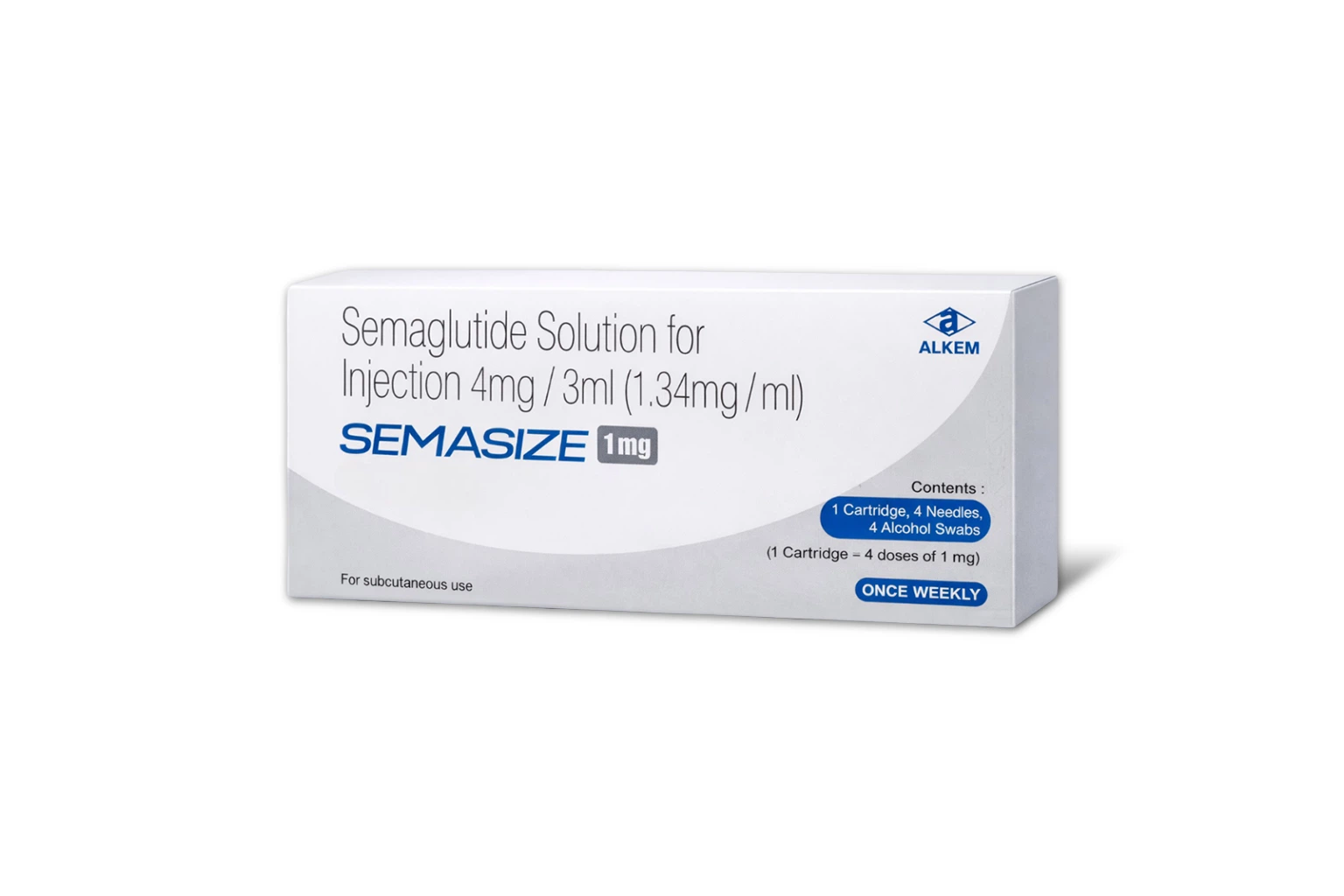
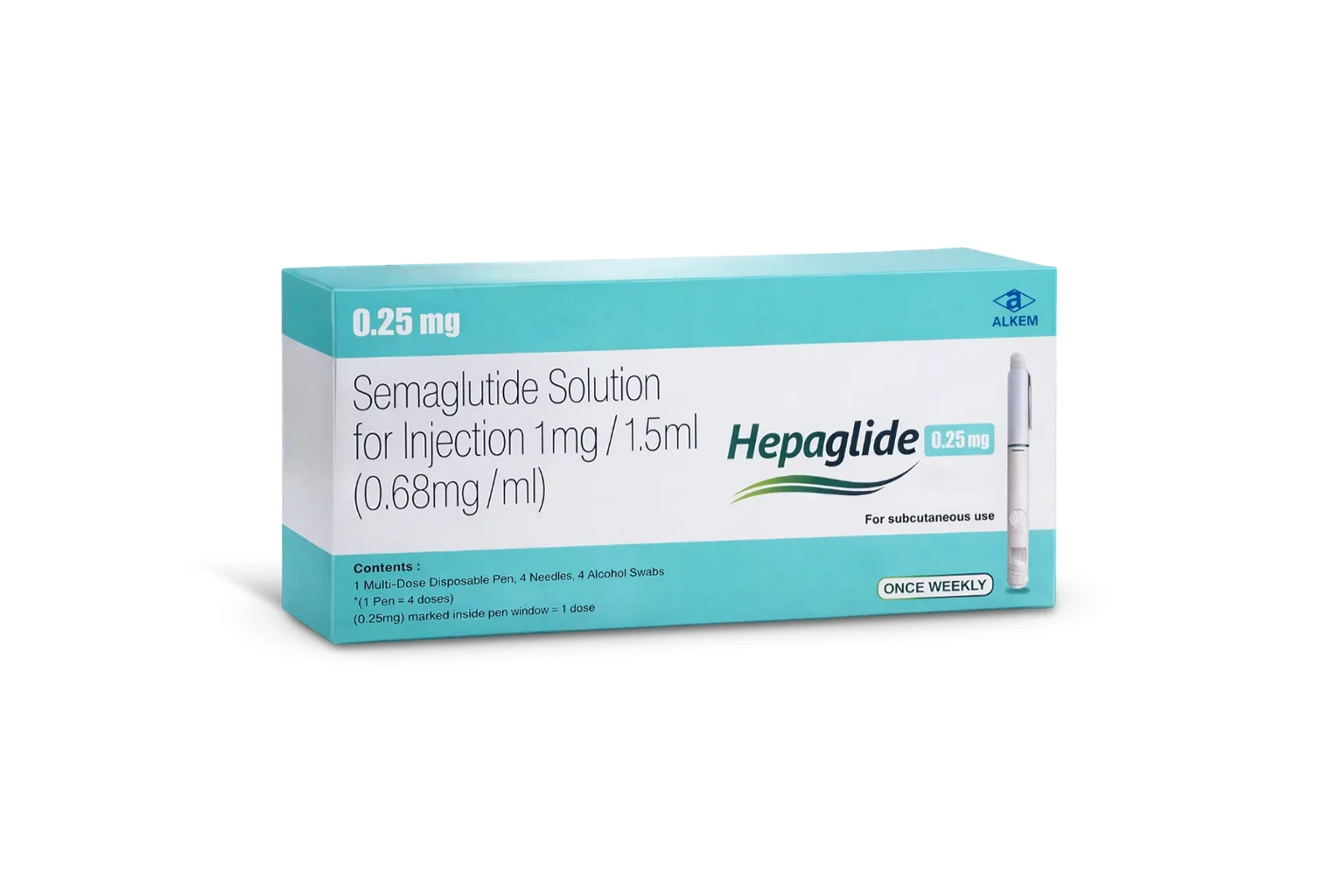
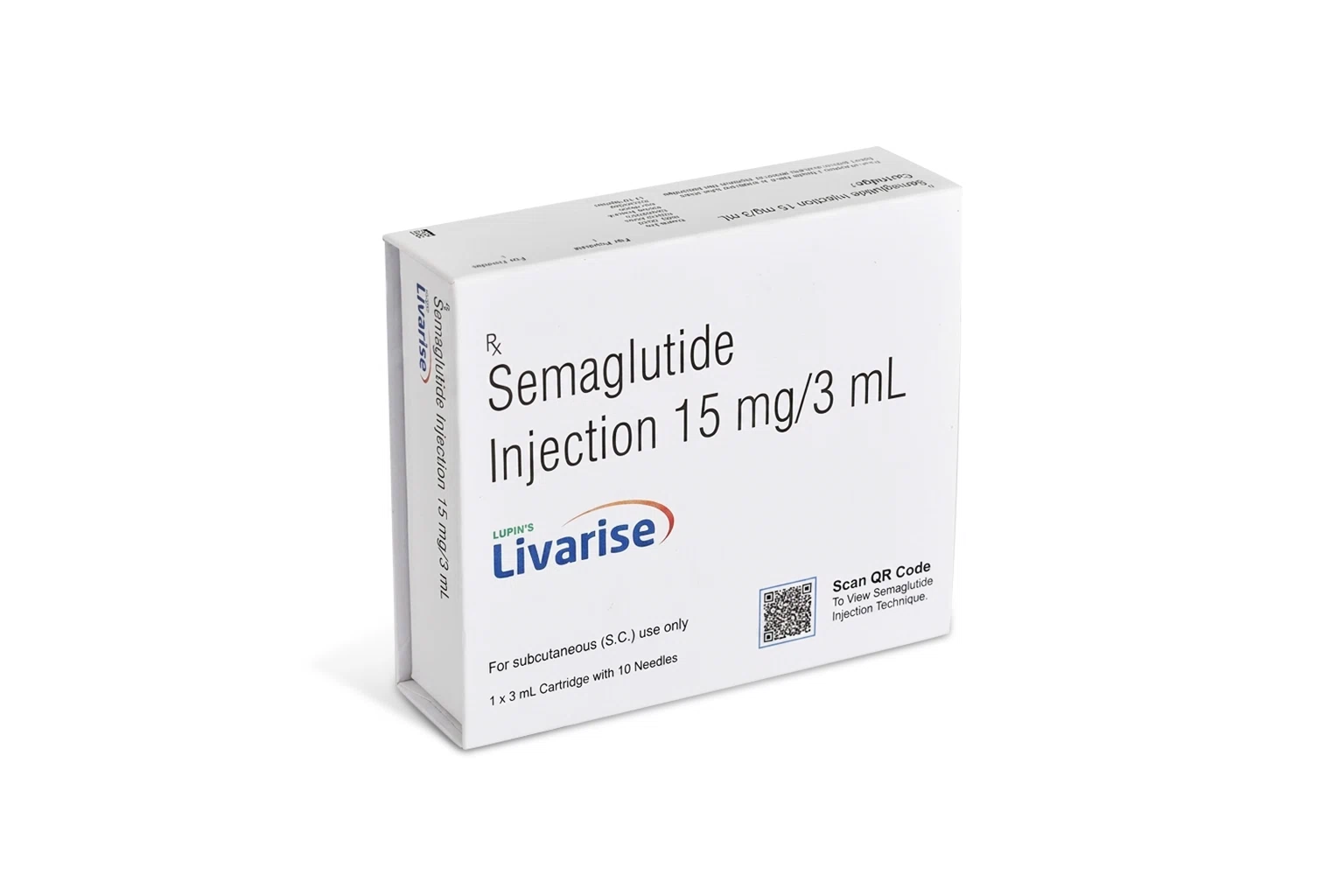
Semaglutide is a GLP-1 receptor agonist, which means that it works on the GLP-1 receptors that are typically involved in appetite and the regulation of food that one eats. Semaglutide will not necessarily speed up the metabolism but it can reduce appetite and calorie intake, which can make weight loss a sustainable and achievable goal for most people
How semaglutide works, in simple terms: it slows stomach emptying and signals the brain that there’s enough food on board, which naturally reduces how much someone eats without the constant white-knuckle restriction. That matters a lot for people whose struggles with weight aren’t really about willpower at all.
Semaglutide benefits for weight management go beyond the number on the scale too. Some people see improvements in blood sugar regulation and cardiovascular markers alongside the weight changes, though results vary person to person, as they always do with any treatment.
Semaglutide medications
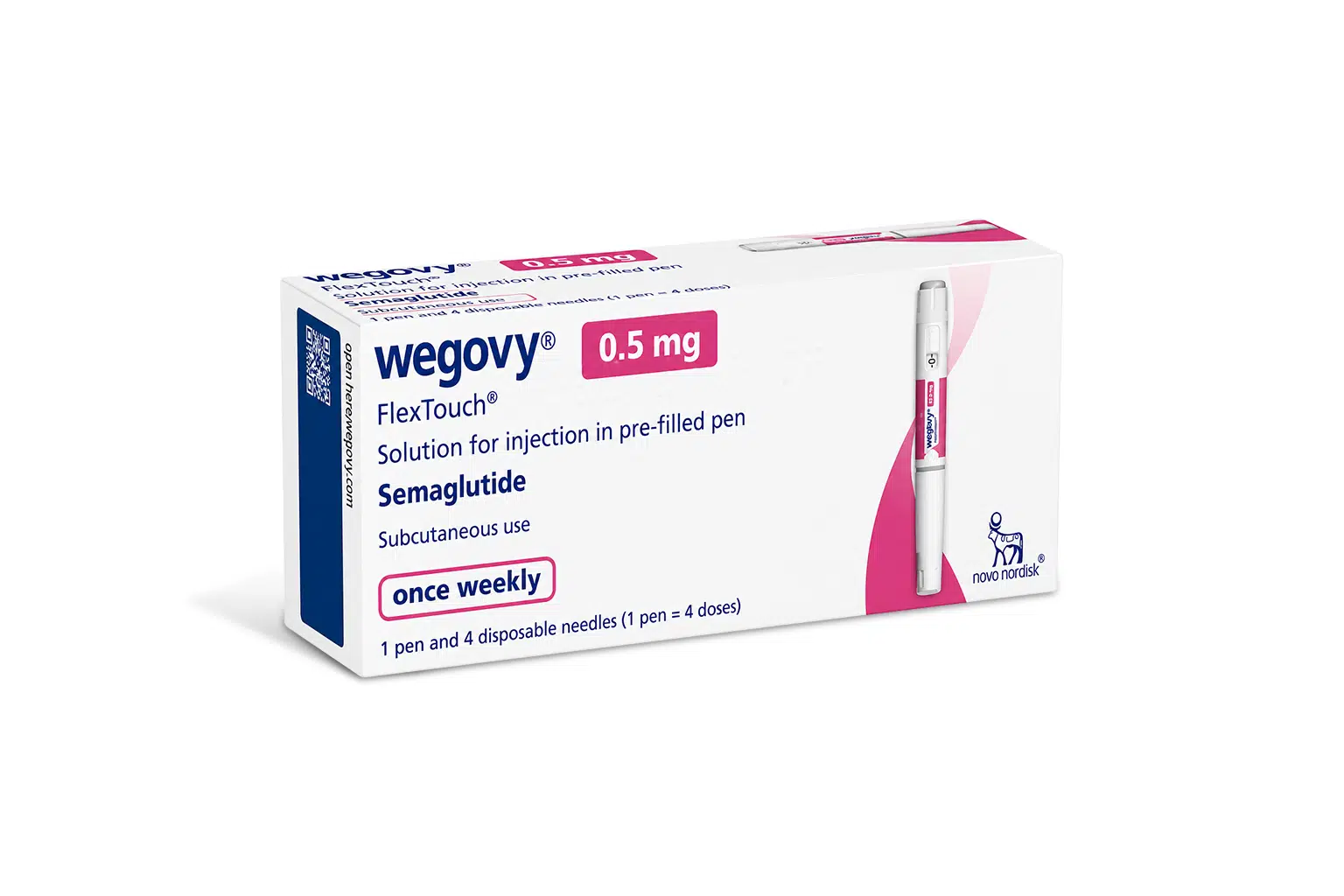
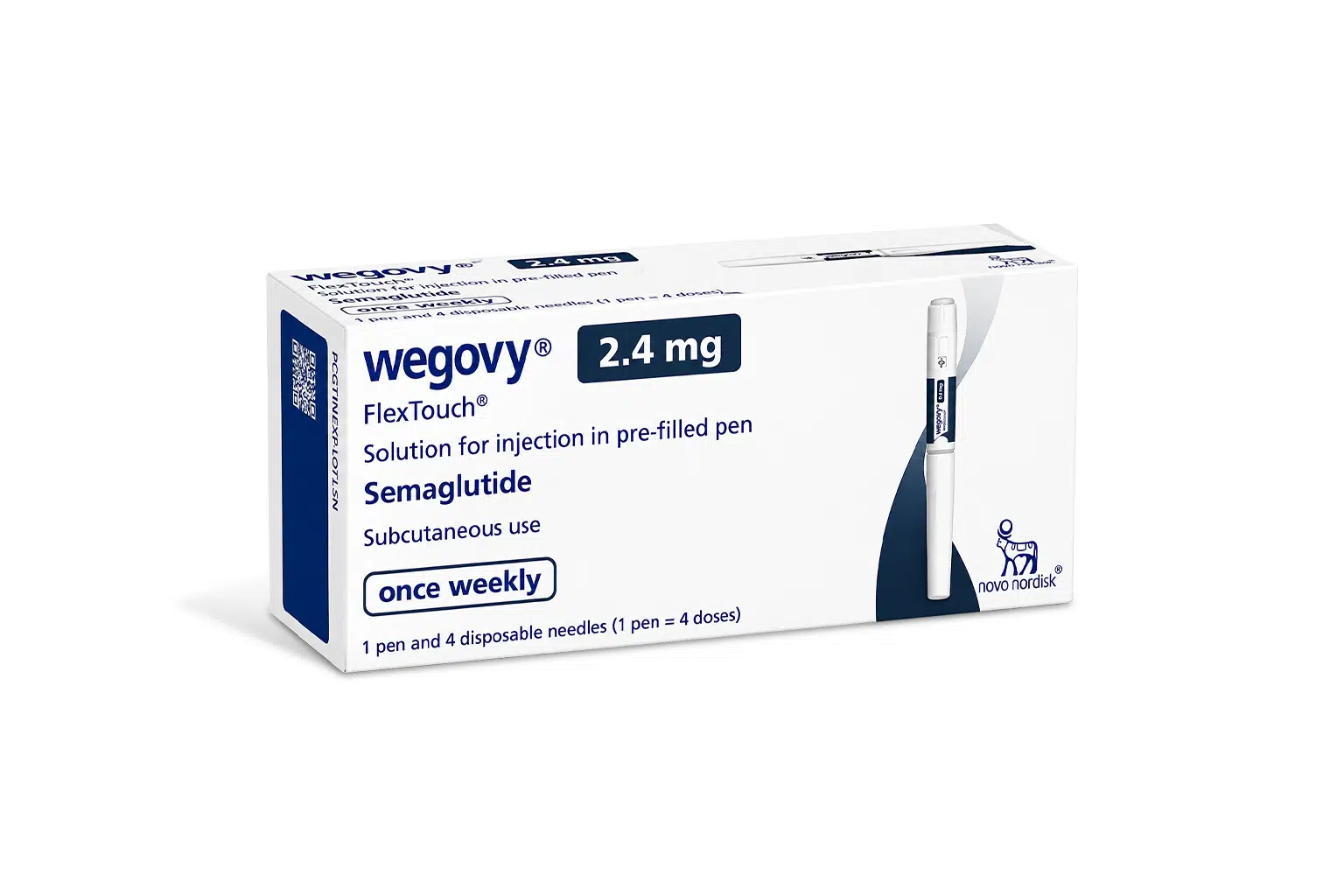
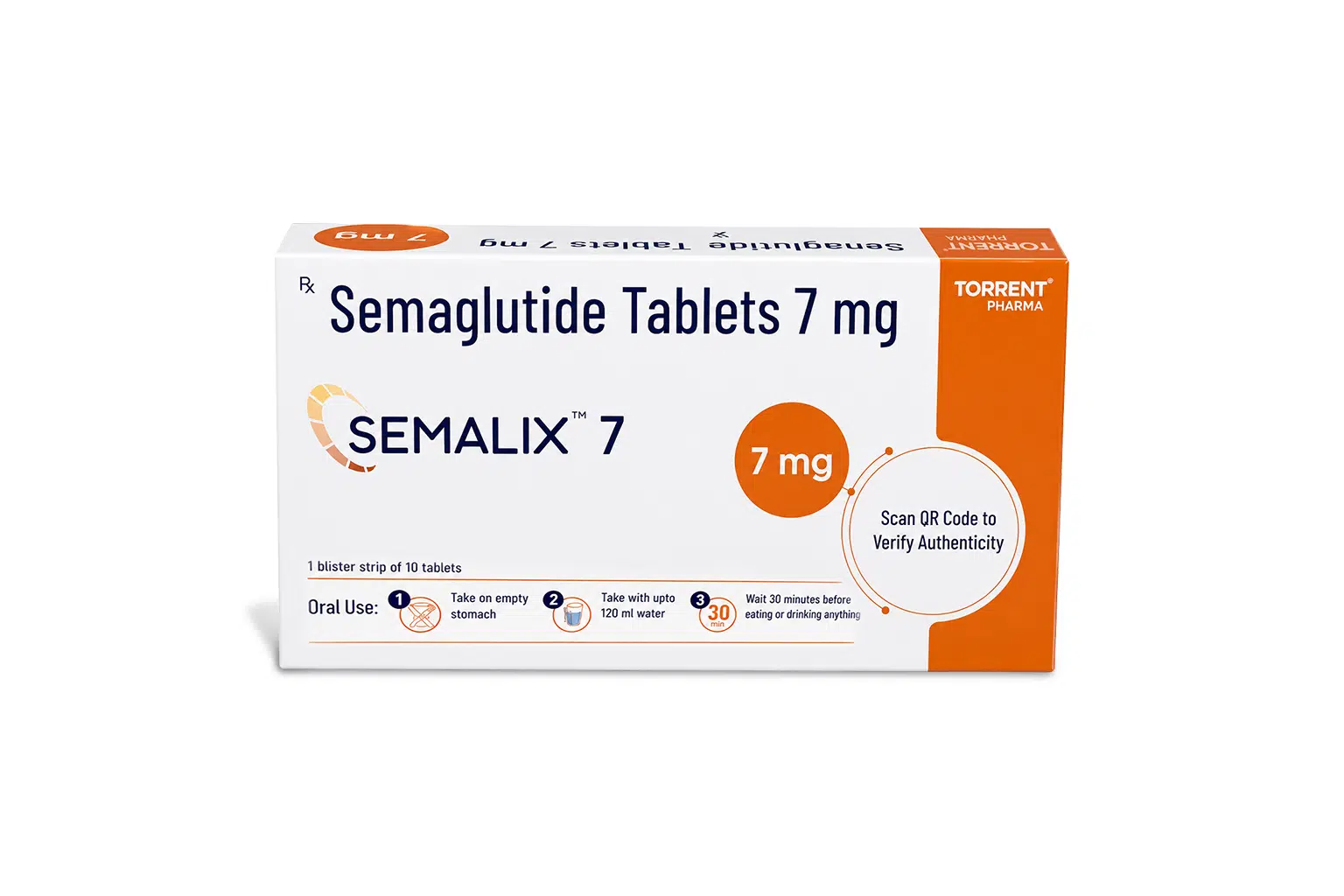
For people exploring semaglutide for weight management, there are a few forms available depending on preference and what a physician recommends. Wegovy, available in 0.5 mg, 1 mg, and other doses, is one of the more recognized injectable options and is typically prescribed as part of a structured weight management plan. Rybelsus 7 mg tablets offer an oral alternative for people who’d rather avoid injections altogether. There’s the same active mechanism, but they have a different delivery.
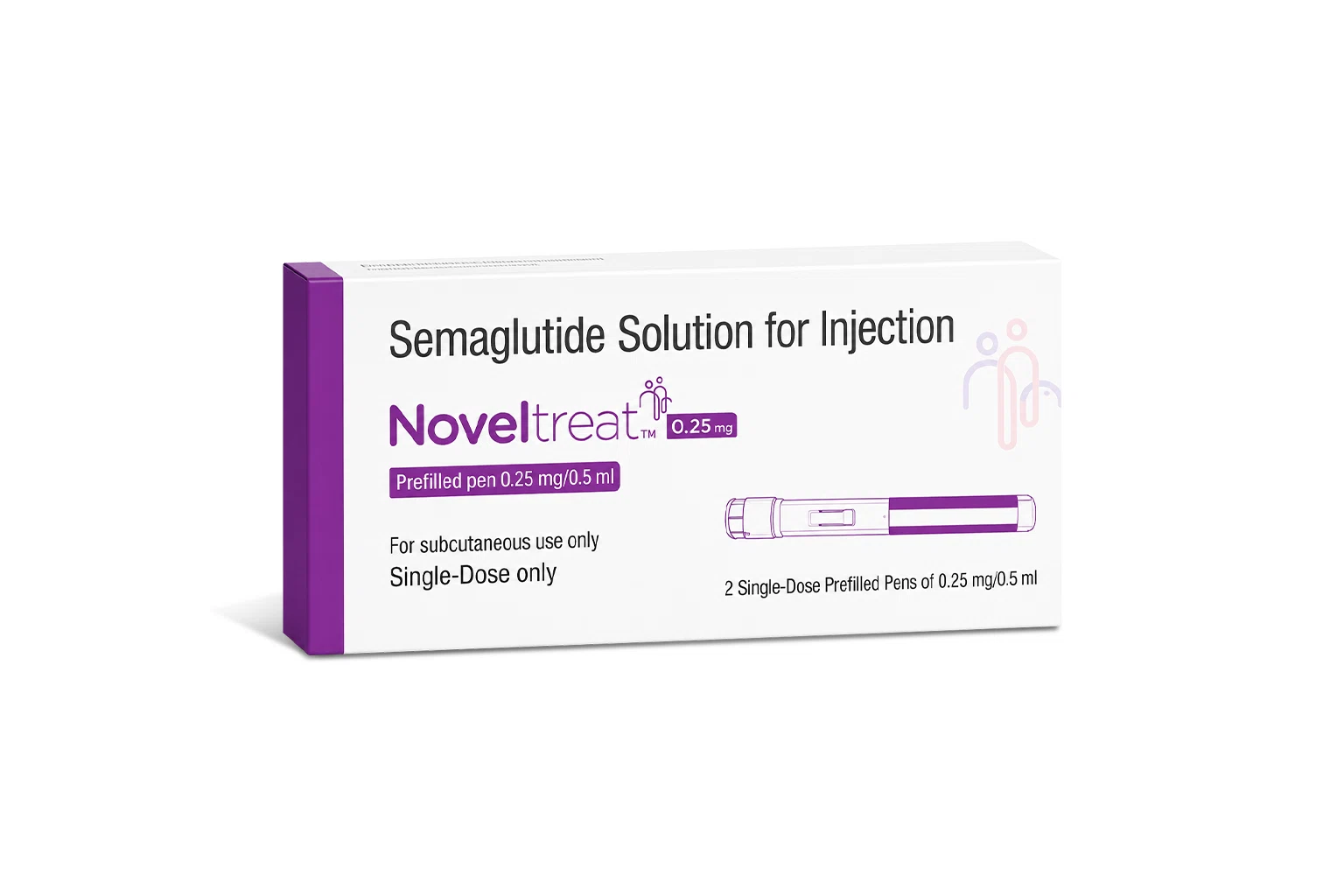
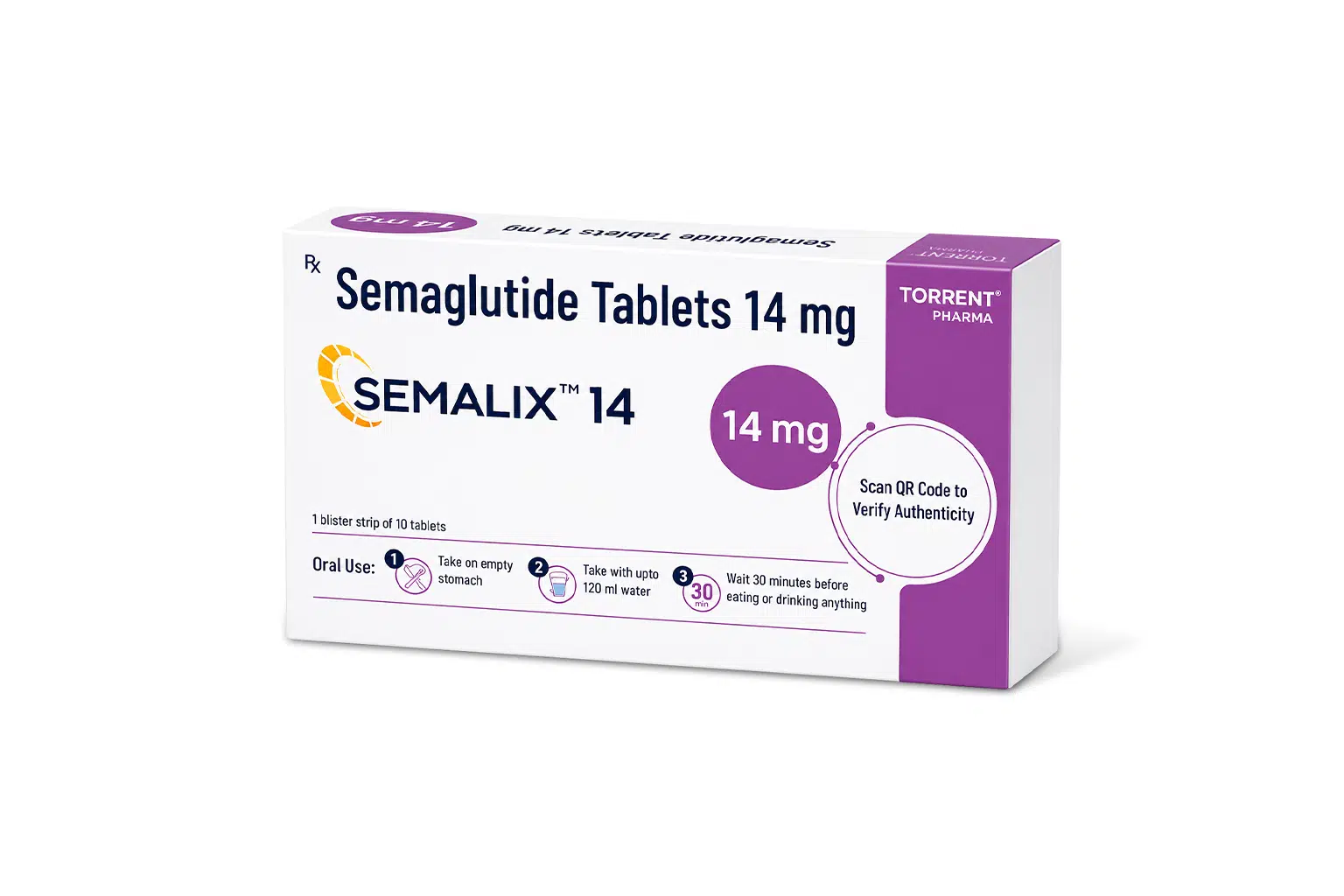
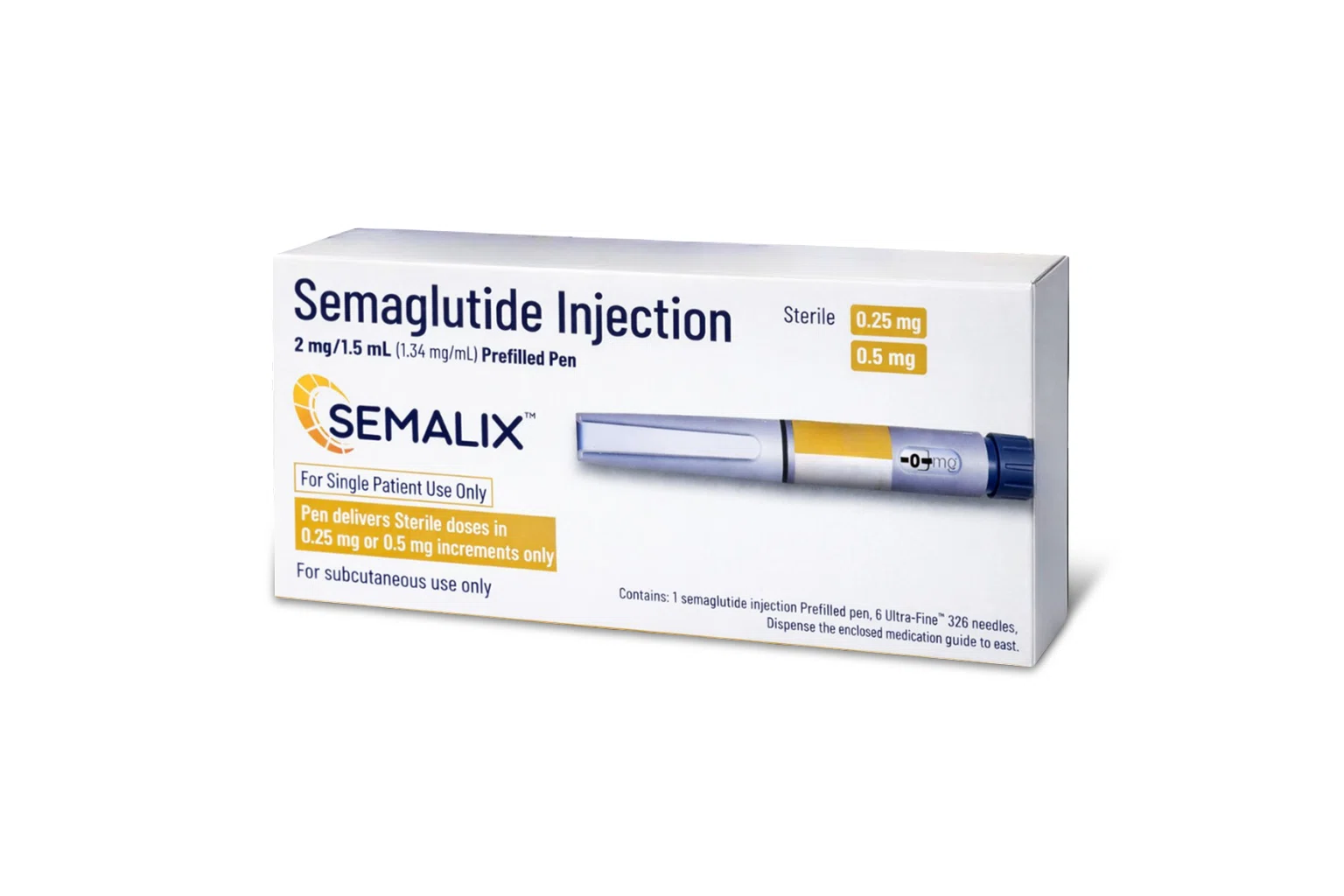
There are other formulations too, like Semalix 14 mg tablets, which is another oral semaglutide option, and Sematrinity 2 mg pre-filled pen, an injectable version designed for more convenient at-home dosing. None of these should be started without medical guidance, obviously, since dosing gets adjusted gradually and everyone’s response is different.
It’s not a shortcut exactly. It’s more of a tool that works alongside the other stuff, the sleep, the muscle building, and the protein. People sometimes expect it to replace all of that, and it doesn’t, not really.
The Bottom Line
If you’re dealing with a slow metabolism, then there isn’t one simple fix to it. People usually need a combination of things addressed at once, not a single magic step. And honestly, metabolism isn’t always the real culprit even when it gets the blame first. Healthcare providers can run bloodwork to check thyroid function and rule out other causes before anyone assumes it’s “just” metabolism.
And sometimes it’s not even metabolism at all. Sometimes it’s just stress, poor sleep, and eating patterns that don’t match someone’s actual activity level. Worth ruling out before blaming the body entirely.
A healthy metabolism isn’t really about speed anyway but more about balance, enough muscle, enough sleep, reasonable stress levels, and food that actually fuels rather than restricts. It sounds simple written out like that but rarely feels simple living it, though.