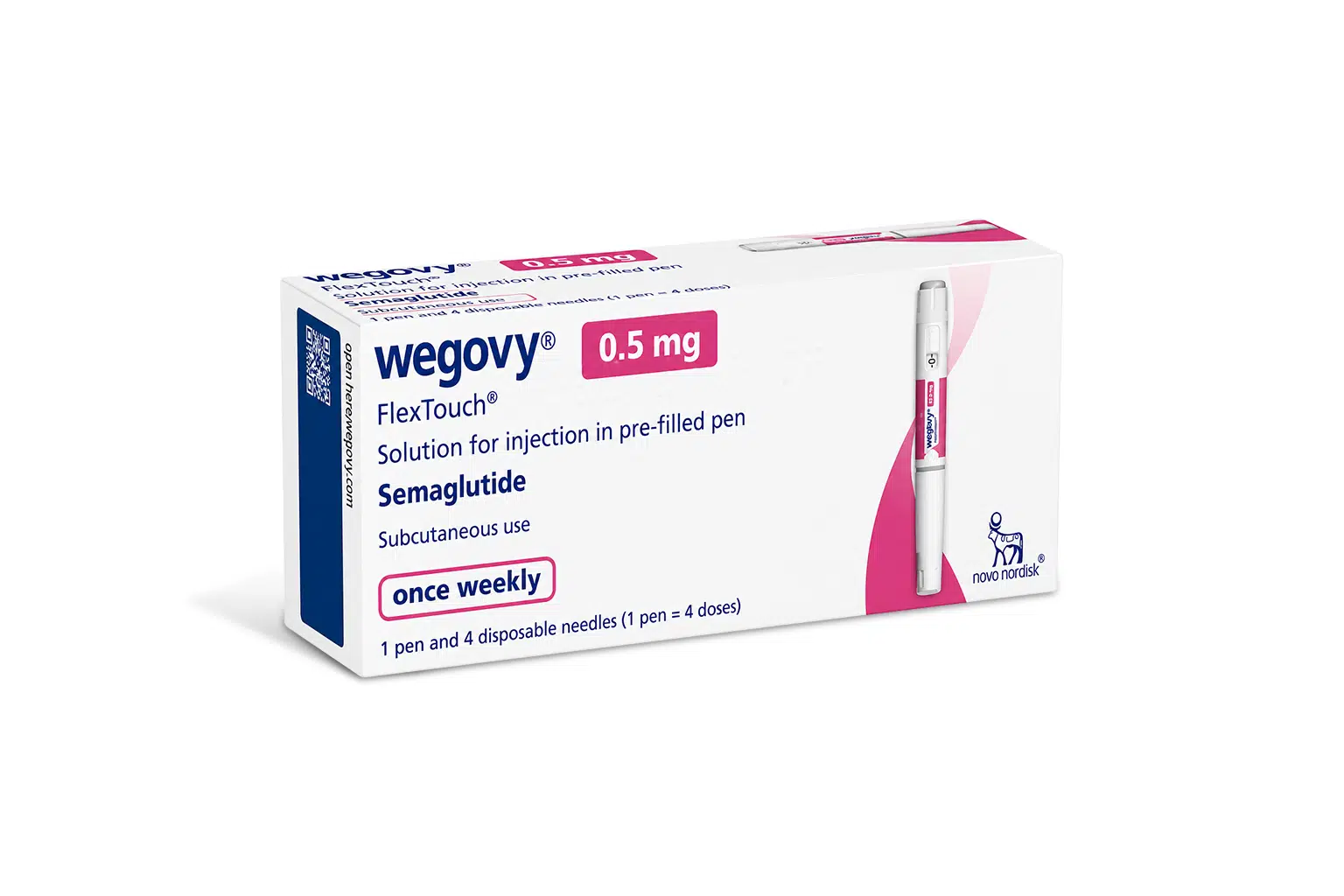
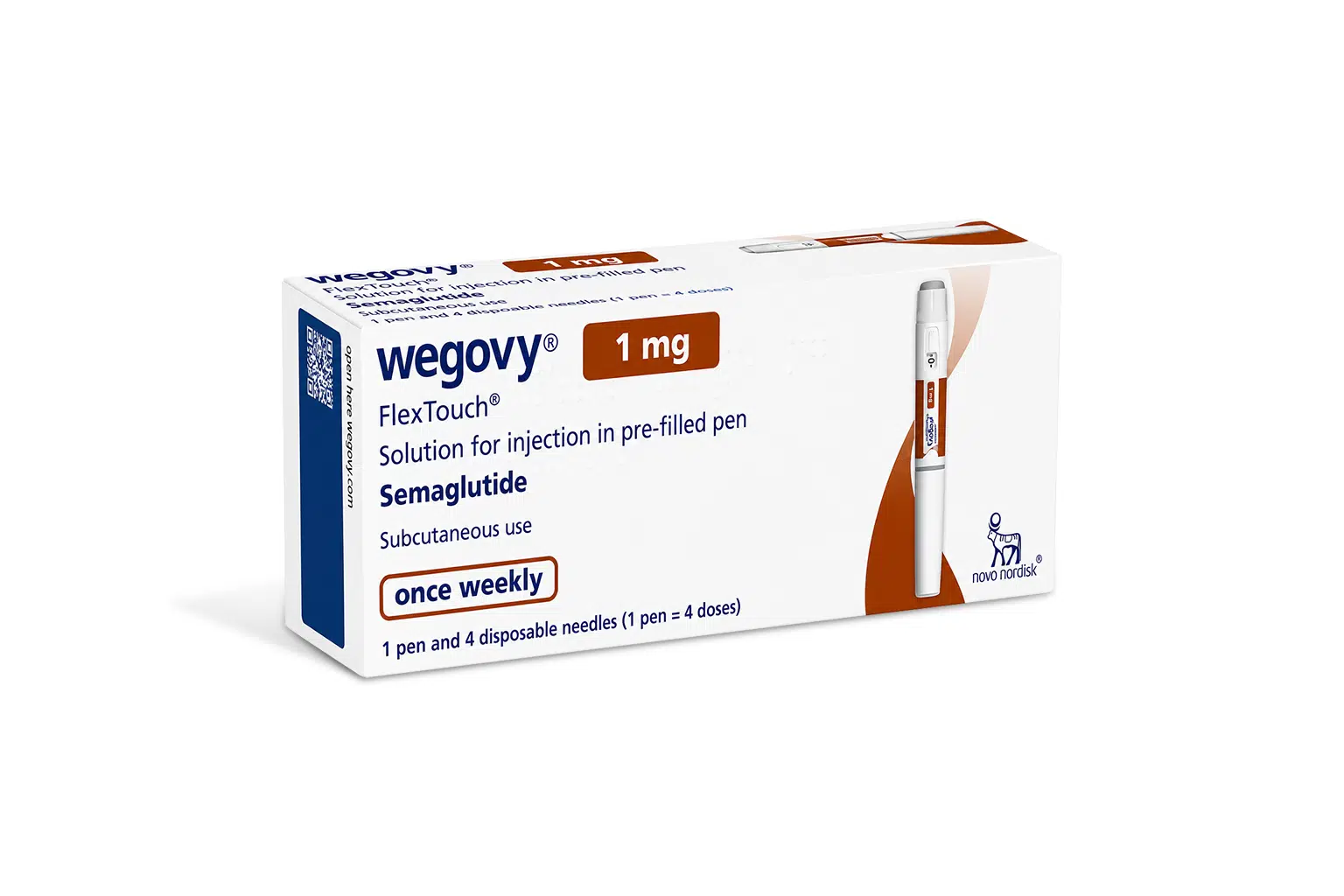
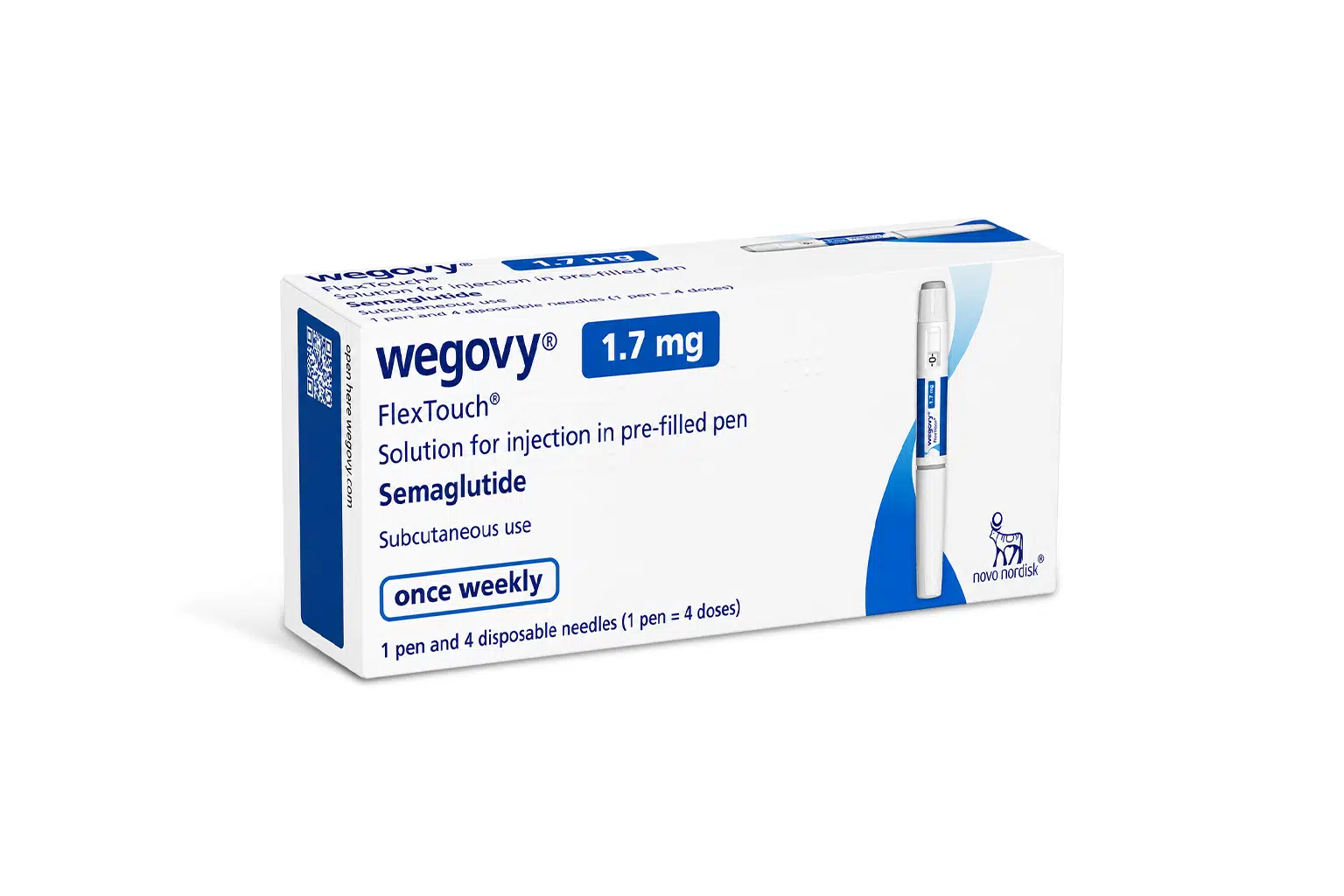
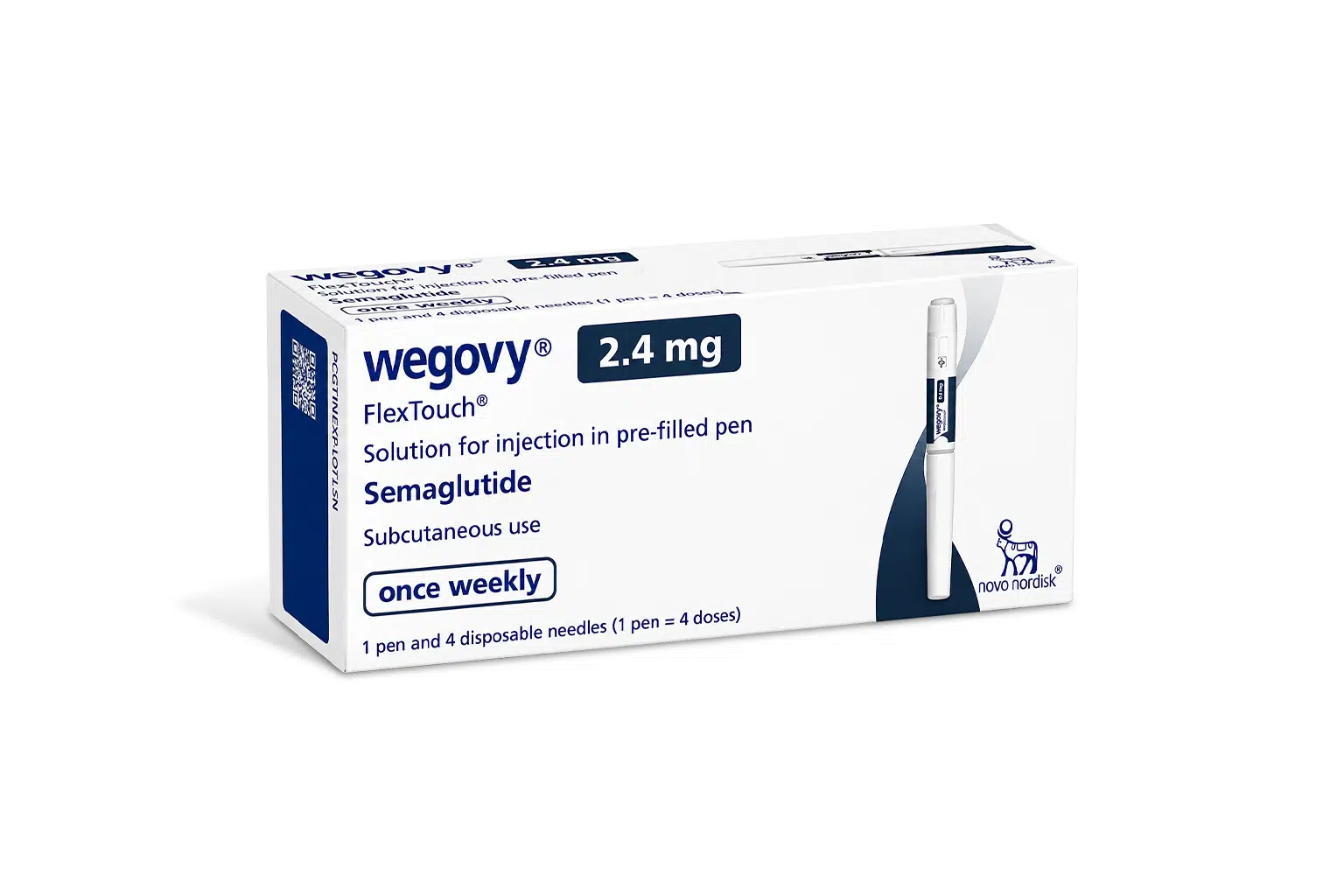
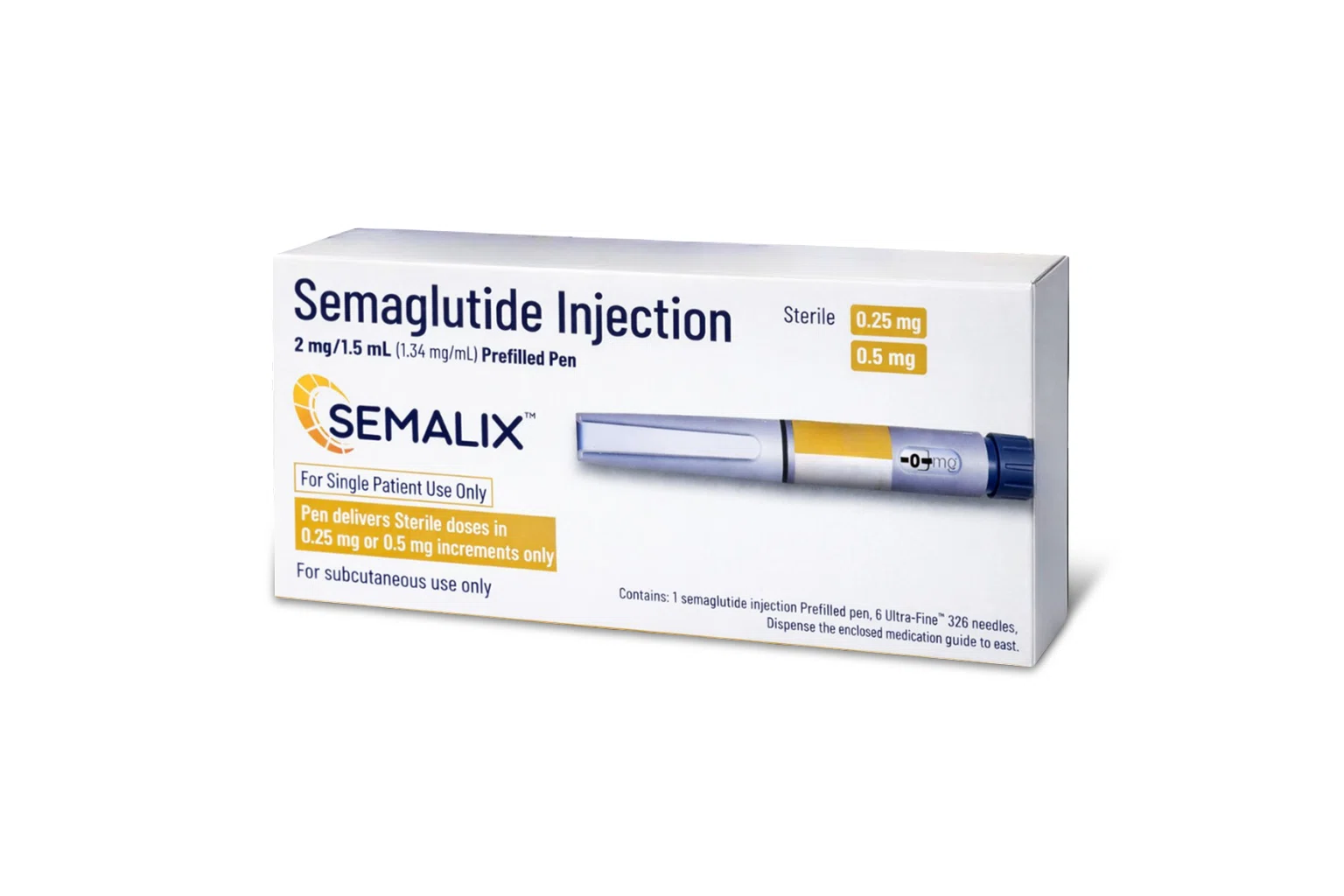
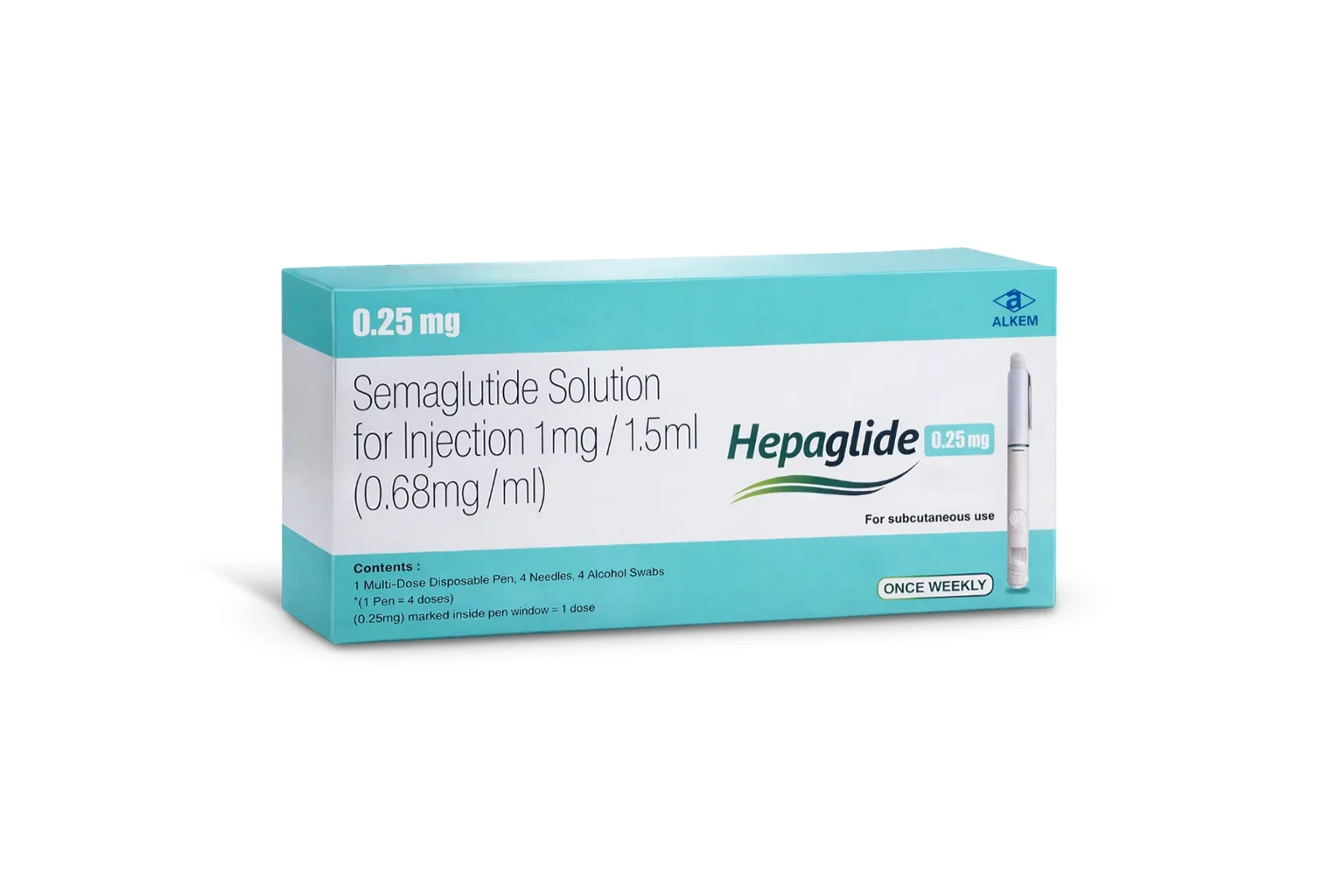
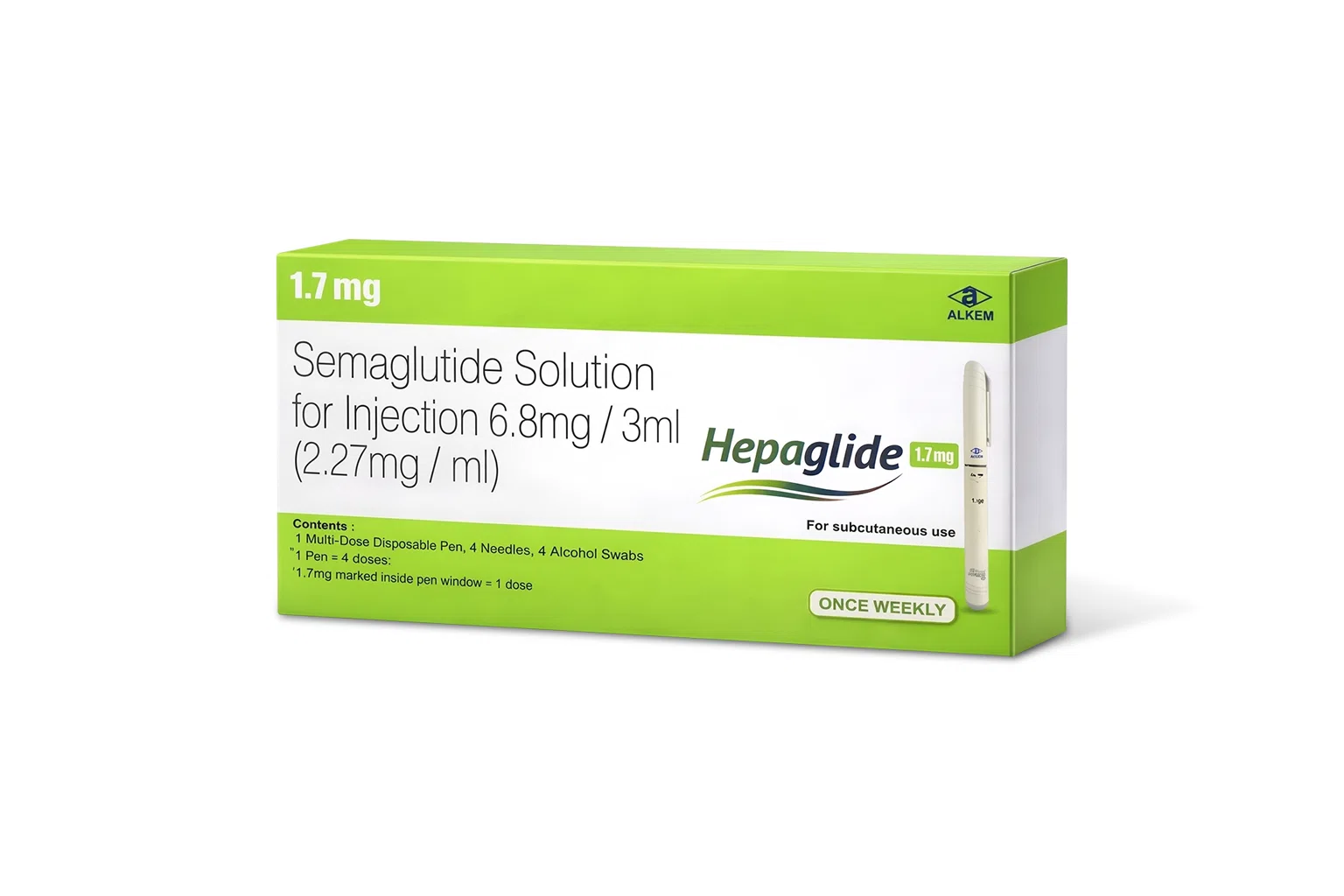
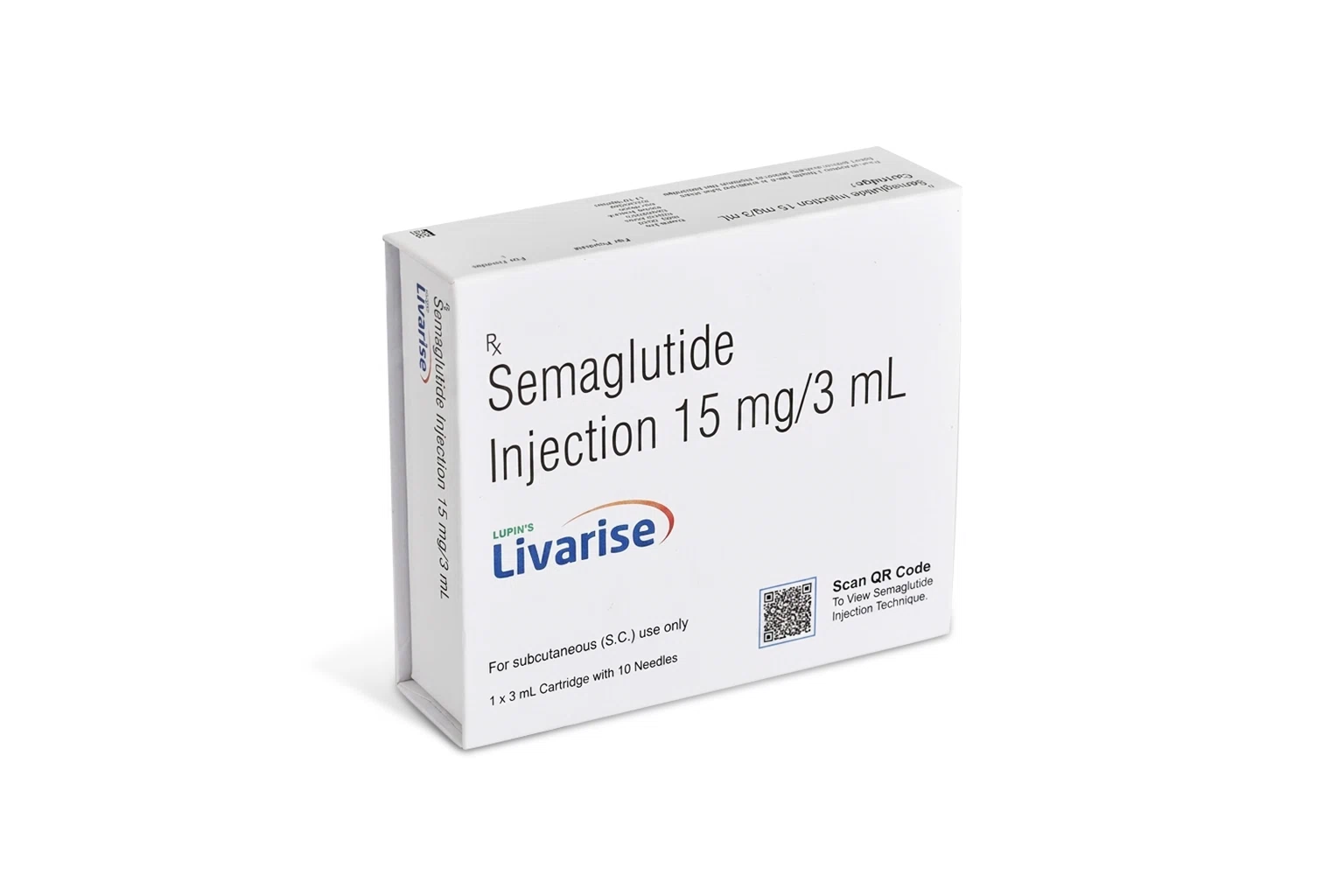
When the body cannot regulate blood sugar well, losing weight can get increasingly harder. This is why modern weight management techniques are looking at factors other than just calorie restriction. This is exactly where sugar control becomes a key technique that can contribute to the bigger picture. Medications like liraglutide can act on the GLP-1 pathways and influence how the body regulates glucose and appetite. Through sugar control, liraglutide can help the body respond better to blood glucose and also increase the feeling of fullness you may experience. By employing these mechanisms, liraglutide can help in losing weight.
This article can be helpful for anyone who has been struggling to shed some pounds and is in need of a few smart tips which could help them on their way. We hope that at the end of the article readers will have a clearer picture of what they are dealing with.
Why Does Sugar Control Matter?
Someone would hear sugar control and think it’s about avoiding sweets. It’s not all about that, though. It’s how your body responds to eating. After eating, the carbohydrates in the body are broken down into glucose, which then enters the bloodstream. Insulin then helps in moving glucose into the cells. This helps in converting glucose into energy for the cells. Thus, sugar control is much more than just calorie intake, it’s how insulin behaves and how the pancreas is holding up. Blood sugar swings up and down all day depending on what’s eaten, stress, sleep, and a hundred small things.
This process gets less and less effective if someone has insulin resistance or diabetes since those conditions can keep the blood glucose levels elevated and make it harder for an individual to manage their metabolic health. For someone dealing with Type 2 diabetes, this becomes a daily math problem. Constant checking and constant adjusting, which can get exhausting pretty soon. However, managing blood sugar still is an important step if someone wants to manage their excess weight and try to fix their glucose regulation. This is where GLP-1 weight loss treatments like liraglutide enter the picture and help individuals in their blood sugar management.
GLP-1 Treatment: Liraglutide
Liraglutide is a GLP-1 style compound. It mimics a hormone the gut already makes, one that tells the brain, “Hey, we’re full,” and also nudges the pancreas into releasing insulin more sensibly. The GLP-1 hormone also reduces the secretion of unneeded glucagon and slows down the rate at which your stomach empties itself.
There’s also this appetite thing that happens alongside it. Liraglutide is able to make a useful connection between a person’s metabolic processes and appetite control. Individuals may feel fuller for longer while also having an improved regulation of blood sugar.
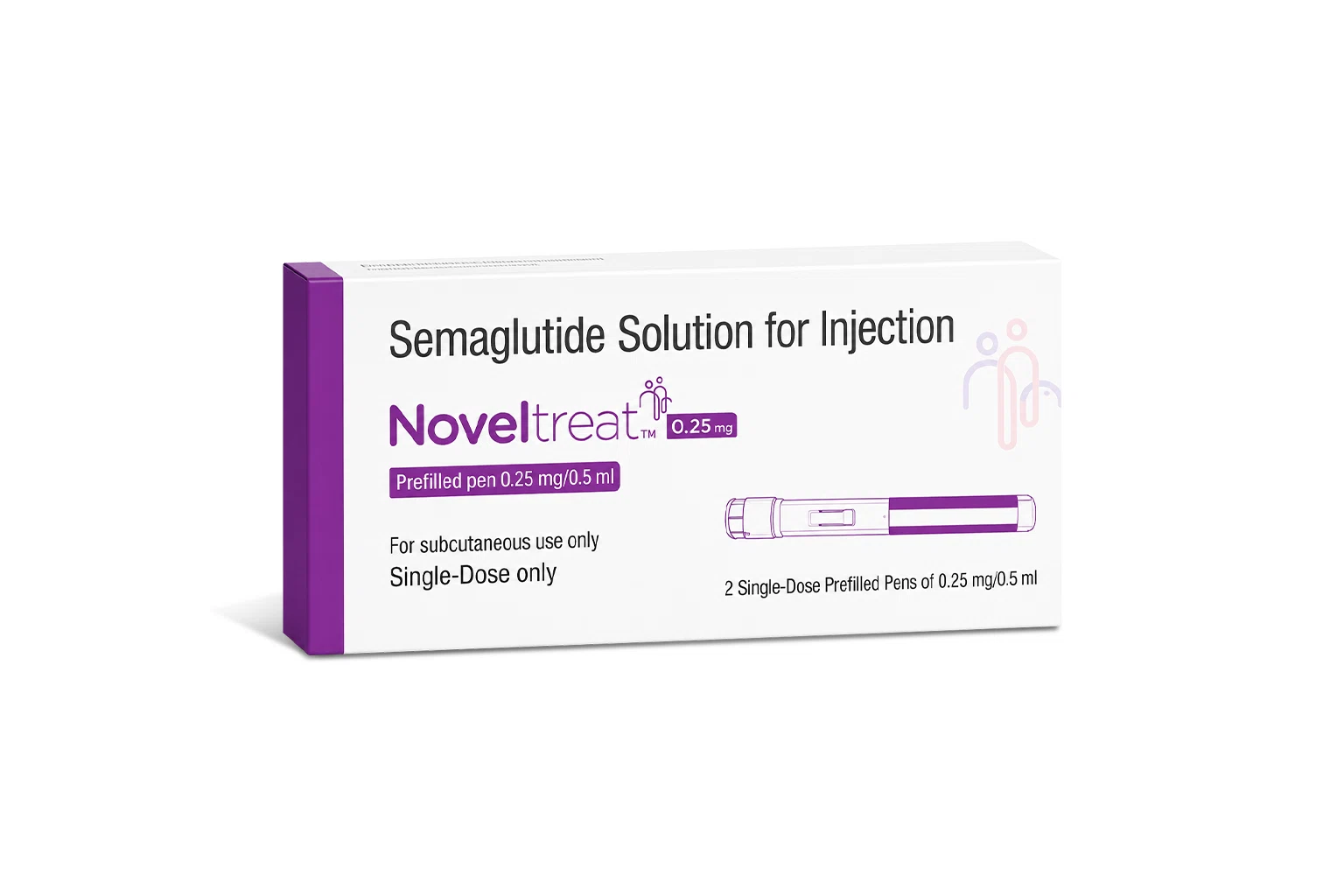
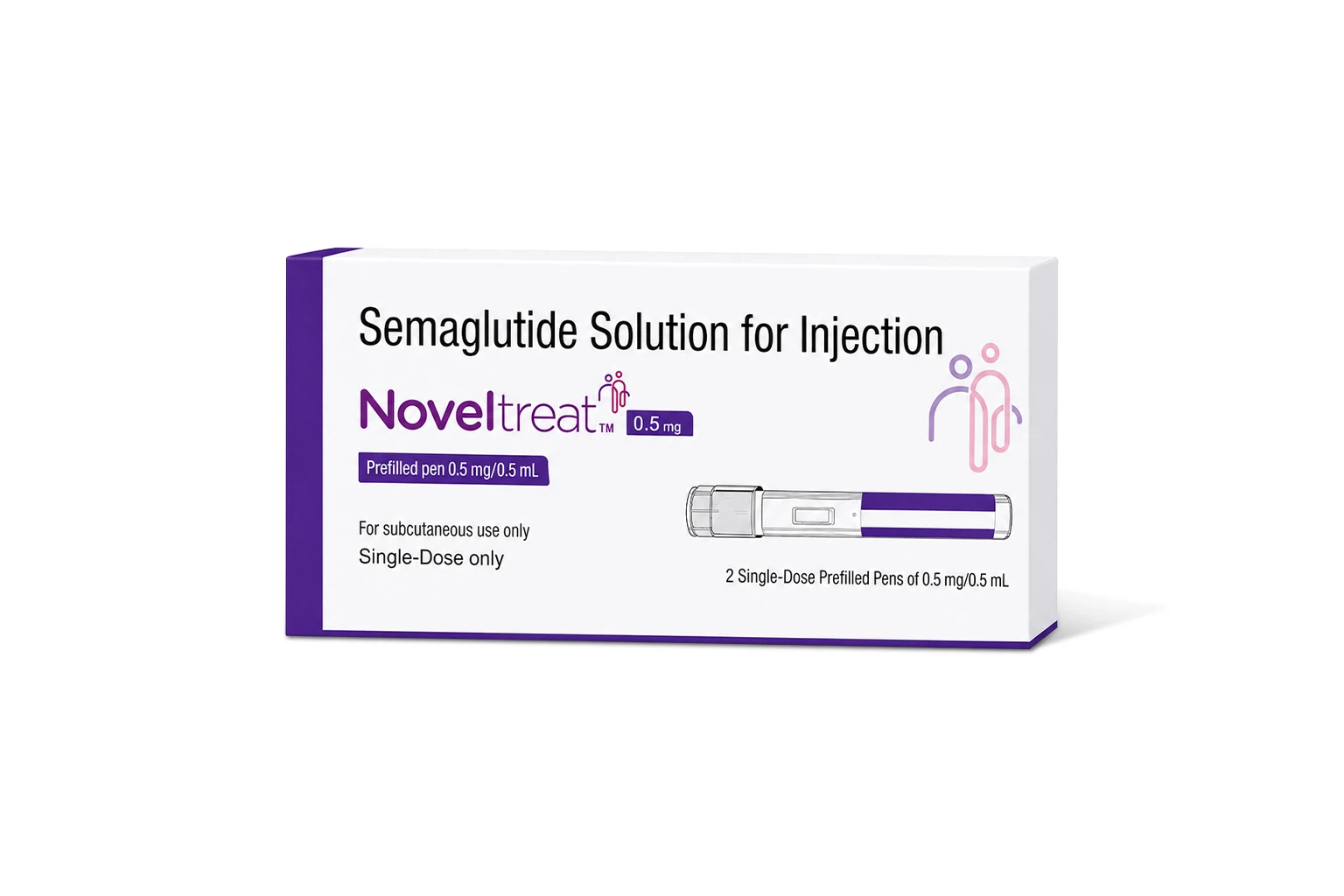
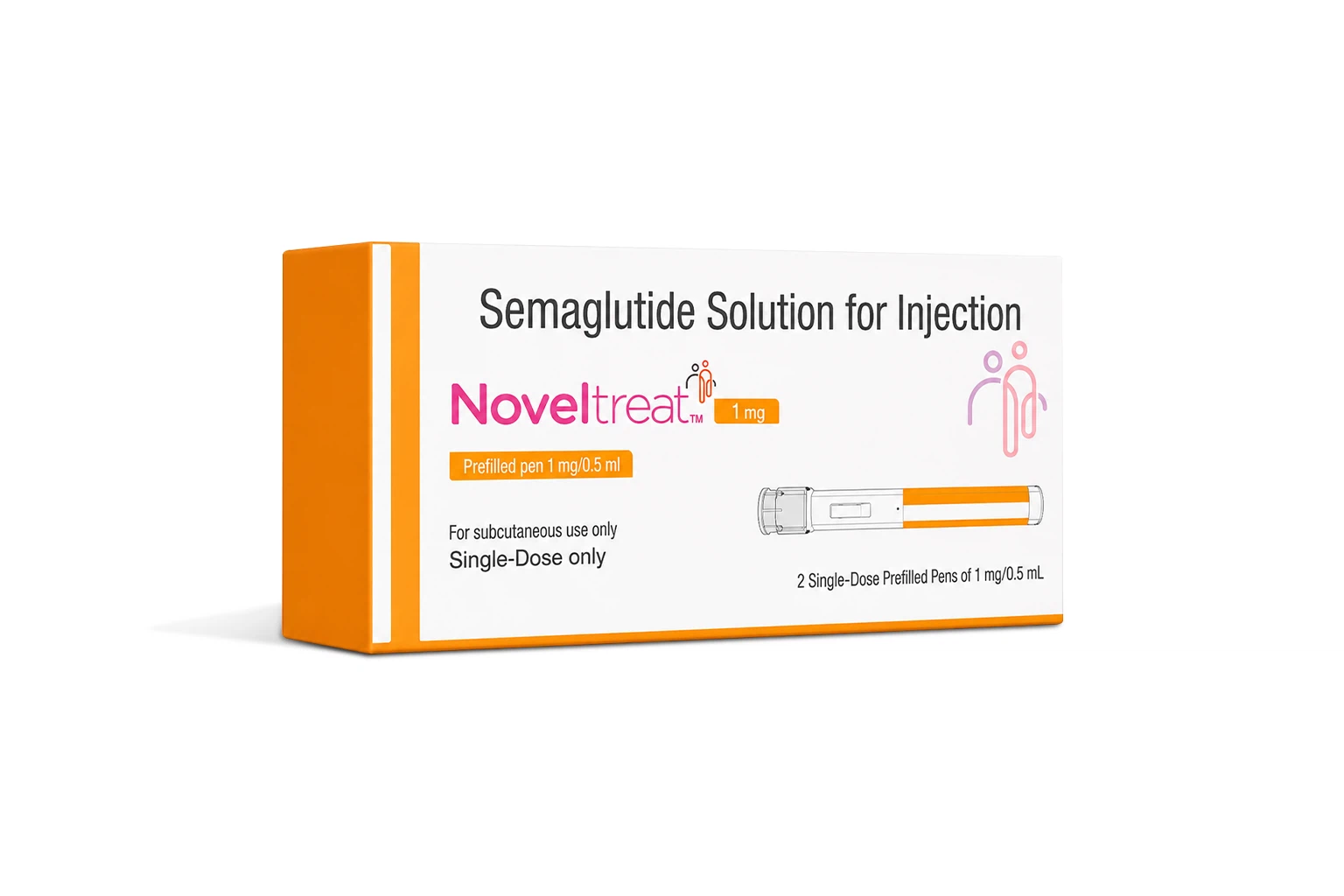
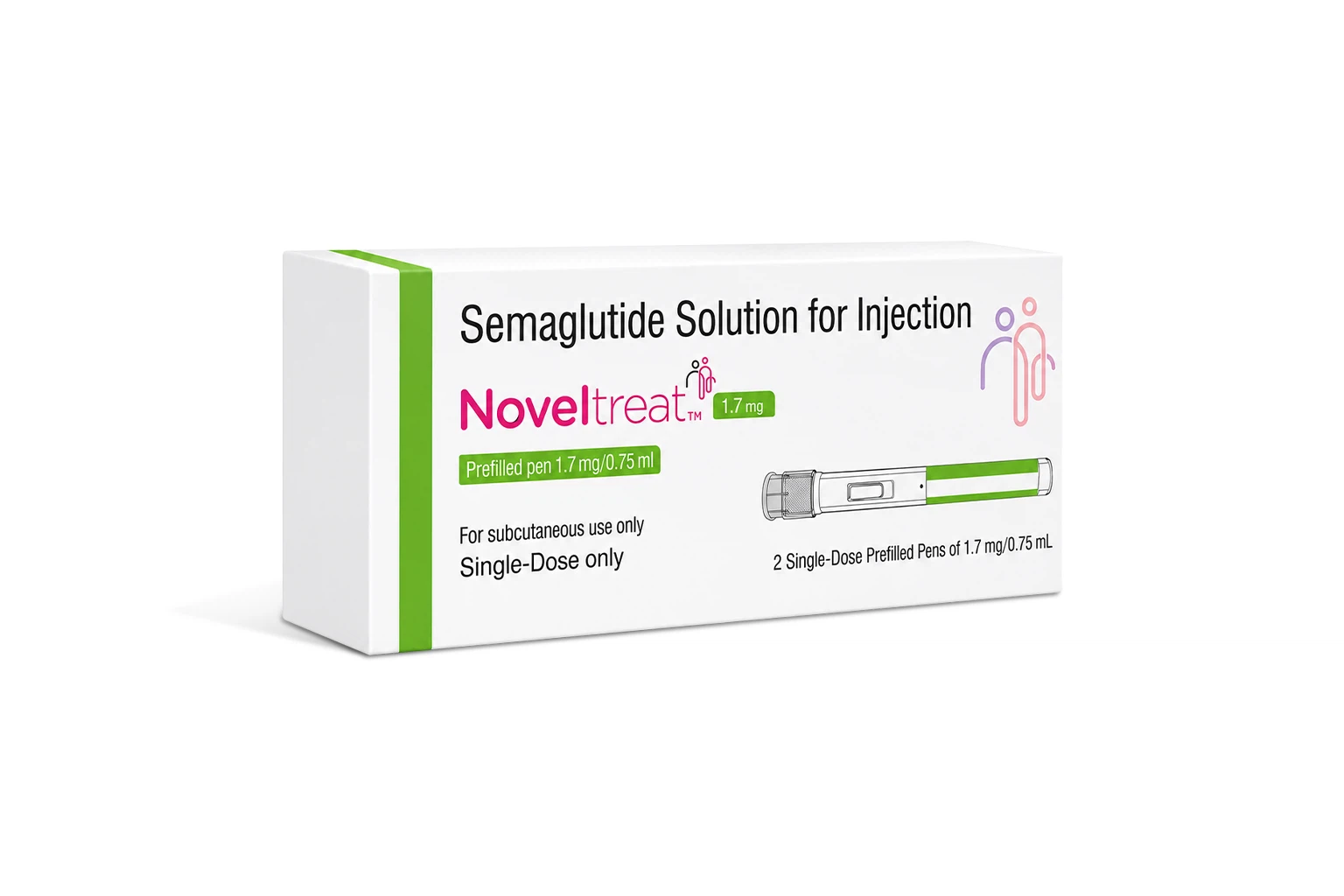
Two names that keep showing up here, Lirafit and Erly. Lirafit comes as a pre-filled pen, 6 mg strength, so there’s no drawing up doses or fiddling with vials, which matters a lot for people who already feel overwhelmed managing a chronic condition. Erly pen is another liraglutide-based option, a similar idea with slightly different packaging and dosing schedule depending on what a healthcare provider lands on.
Liraglutide Research Evidence
But testimonials are not the only evidence. In a large randomized trial of adults with obesity or overweight plus health risks, after 56 weeks, the mean weight loss with 3.0 mg of liraglutide vs placebo was 8.4 kg vs. 2.8 kg. Around 63.2% of the liraglutide group lost at least 5% of their body weight compared with 27.1% of the placebo group, and 33.1% lost more than 10% compared with 10.6%.
When liraglutide and intensive behavioral therapy were combined in another SCALE trial, the estimated weight loss at week 56 was 7.5%, compared to 4.0% with a placebo. The numbers were 8.4% and 3.8% under a trial-product analysis. The results point to an important lesson: drugs work best as part of a structured treatment, and people respond differently.
Why Do You Lose Weight Through Sugar Control?
Sugar control and weight loss are linked biologically, not just marketing-wise. Extra weight, especially around the middle, makes cells more resistant to insulin. Worse insulin sensitivity means the body needs more of it to do the same job, sugar control gets harder, weight tends to creep up more, and round and round it goes.
So when someone improves sugar control, weight management often improves alongside it. And when weight drops a bit, that side of things tends to get easier too. It’s not one causing the other exactly, more like they feed into each other.
This is basically the whole appeal behind liraglutide pens like Lirafit or Erly, they’re sitting right at that intersection.
How to Use the Liraglutide Pens
Managing blood sugar with an injection sounds intimidating if someone’s never done it. Pre-filled pens like the Lirafit 6 mg version make it less scary, honestly, because the dose is already measured out. Just dial it, inject it, and you’re done.
Doses usually start low and creep up over weeks. This isn’t something where more is automatically better; starting slow reduces nausea, which is the most common complaint people have early on. Some feel a bit off the first week or two, but it usually does settle down.
Consistency matters more than the shot itself. Skipping doses, going back and forth, and expecting instant blood sugar management without adjusting anything else in daily habits undercuts the whole thing.
Who Can Use Liraglutide?
There’s a whole group of people who’ve tried everything like cutting carbs, counting calories, and gym memberships that went unused after week three and are still struggling to lose weight. However, it’s not laziness. Their bodies just respond differently, especially once insulin resistance is already in the picture.
For that group, something like liraglutide isn’t a shortcut but more like removing one obstacle so the rest of the effort actually pays off. Diet and movement still matter. The shot just makes the appetite part less of a constant battle.
There’s also a mental side to this nobody really talks about. Years of trying and not seeing results does something to a person’s head and makes them stop trusting their own body a little. Seeing even small, steady changes on a pen like this, a pound here, appetite calming down there, tends to rebuild some of that trust back.
Final Thoughts
The most practical and productive way of thinking about sugar control and weight loss is to think of it as a part of your metabolic health. It’s not something that is incorrect about your body but just something that has to be adjusted. A better glucose regulation, getting enough nutrition, exercise, and medications can all cumulatively help you get a slimmer waist.
Liraglutide has shown us clinical evidence that it can sustainably support the weight loss process. It’s not a replacement for a healthy lifestyle but something that has to be used a part of your improving lifestyle, and only then will the results last.